UBS Lowers ServiceNow Price Target Amid Concerns
Written by Emily J. Thompson, Senior Investment Analyst
Updated: 5 days ago
0mins

Source: NASDAQ.COM
- Price Target Cut: UBS downgraded ServiceNow from buy to neutral and slashed its price target from $170 to $100, reflecting a cautious outlook on the company's future performance, particularly regarding its ability to outperform peers in the AI computing boom.
- Stock Price Decline: ServiceNow's stock has faced a downward trend during the first week of April, closing at $102.42 on Monday and subsequently declining each trading day, with a current drop of 7.1%, indicating market concerns about its prospects.
- Revenue Growth Expectations: Despite the pressure, ServiceNow projects over 20% year-over-year subscription revenue growth by 2026, alongside an anticipated increase in free cash flow margin to 36%, suggesting long-term growth potential for the company.
- Investor Sentiment Management: While UBS's downgrade may unsettle investors, it is wise to remain calm and monitor the company's financial results for any warning signs, ensuring informed decision-making in a volatile market.
Trade with 70% Backtested Accuracy
Stop guessing "Should I Buy NOW?" and start using high-conviction signals backed by rigorous historical data.
Sign up today to access powerful investing tools and make smarter, data-driven decisions.
Analyst Views on NOW
Wall Street analysts forecast NOW stock price to rise
32 Analyst Rating
30 Buy
2 Hold
0 Sell
Strong Buy
Current: 94.190

Low
172.00
Averages
222.81
High
263.00
Current: 94.190
Low
172.00
Averages
222.81
High
263.00
About NOW
ServiceNow, Inc. provides an artificial intelligence (AI) platform for business transformation. The Company’s AI platform connects people, processes, data, and devices to increase productivity and maximize business outcomes. Its intelligent platform, the Now Platform, is a cloud-based solution that helps enterprises and organizations across public and private sectors digitize workflows. The workflow applications built on the Now Platform are organized into four primary areas: Technology, CRM and Industry, Core Business and Creator. Its products include IT Service Management, IT Operations Management, HR Service Delivery, ServiceNow AI Agents, AI Experience, Build Agent, ServiceNow AI Control Tower, AI Agent Fabric, RaptorDB, Workflow Data Fabric, Workplace Service Delivery, ServiceNow Platform Encryption, Telecommunications Service Operations Management, and others. The Company also offers identity security, helping organizations secure access across the enterprise.
About the author

Emily J. Thompson
Emily J. Thompson, a Chartered Financial Analyst (CFA) with 12 years in investment research, graduated with honors from the Wharton School. Specializing in industrial and technology stocks, she provides in-depth analysis for Intellectia’s earnings and market brief reports.
U.S. Stocks Edge Up as PepsiCo and TSMC Shine


- PepsiCo's Quarter Performance: PepsiCo achieved its first volume growth in North American food business in two years, with CEO Ramon Laguarta addressing the industry's threat from GLP-1 weight-loss drugs, leading to a 1% rise in shares, demonstrating the company's resilience and adaptability in a competitive consumer goods market.
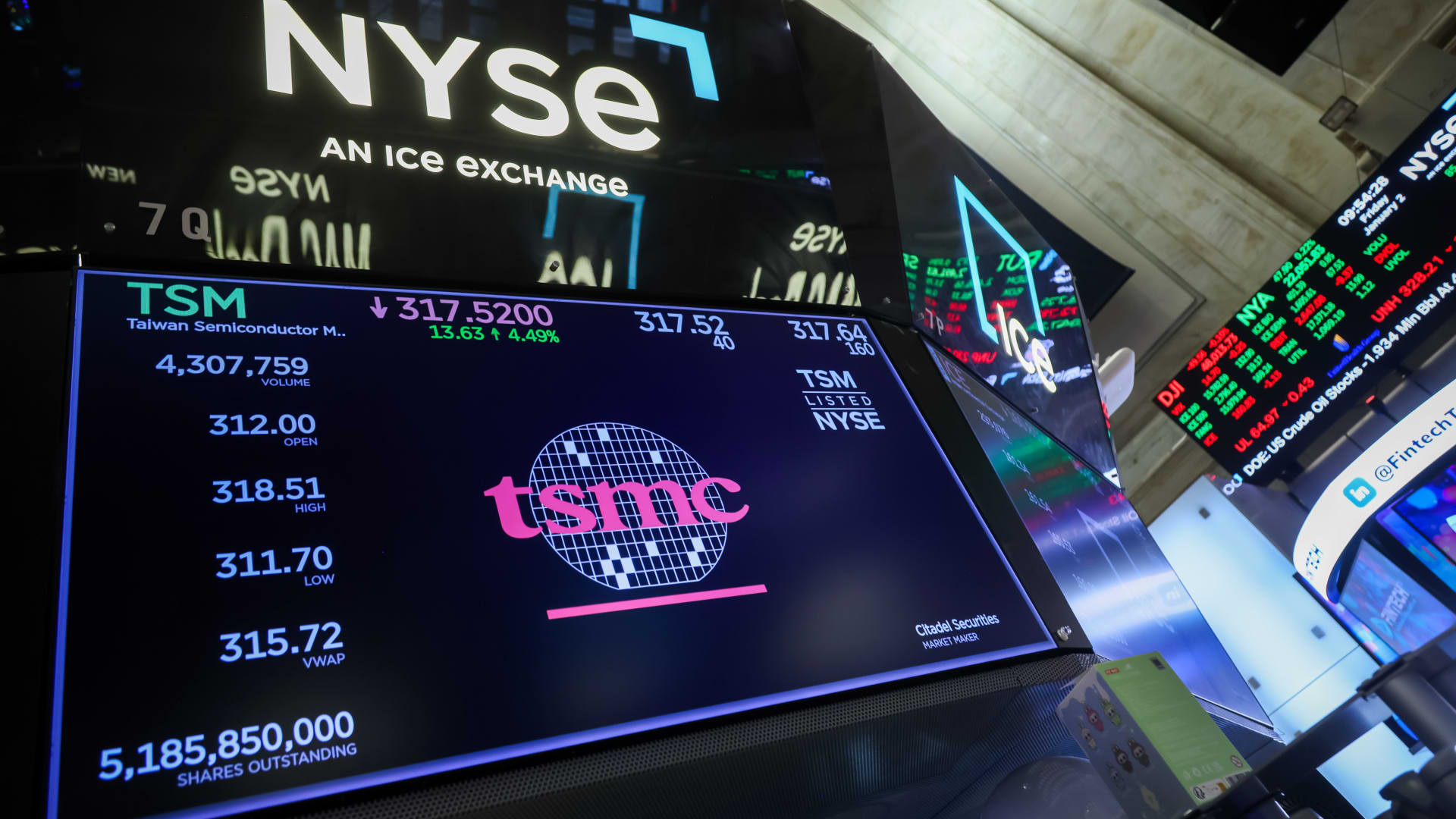
- TSMC Profit Surge: TSMC reported a 58% year-over-year profit increase, despite facing challenges with shortages of industrial gases; management noted a 'little bit softer' memory pricing, indicating ongoing demand and competitive pressures in advanced chip manufacturing that could impact future profitability.
- J.B. Hunt Transport Services: J.B. Hunt indicated the start of a new cycle with positive demand signals, reporting a first-quarter earnings beat and a 1% premarket share increase, reflecting potential growth opportunities in the transportation sector.
- Analyst Rating Changes: JPMorgan downgraded Corning to hold and cut its price target from $175 to $115, citing the need for greater earnings visibility to support stock upside, indicating a cautious market outlook on the company's future performance.
See More

Analysis of SaaS Companies' Prospects Amid AI Disruption


- Market Panic Intensifies: SaaS companies are experiencing severe market panic, as evidenced by the iShares Expanded Tech-Software Sector ETF (IGV) dropping over 30% in the past six months, compared to a mere 9% decline in the NASDAQ, indicating a significant loss of investor confidence in SaaS stocks.
- Chegg's Collapse: The online homework help platform Chegg has seen its stock plummet over 99% since its peak in 2021, as its core product has been replaced by free AI tools like ChatGPT, leading to a 40% year-over-year revenue decline, highlighting the tangible threat AI poses to certain SaaS companies.
- HubSpot and Constellation's Dilemma: Despite HubSpot and Constellation Software achieving all-time highs in revenue and free cash flow, their valuations have plummeted, with HubSpot trading at a mere 4 times sales and Constellation at 3 times, reflecting a pessimistic outlook from the market regarding their futures.
- AI as a Double-Edged Sword: While AI poses a threat to SaaS companies, some experts believe it could also serve as an advantage, particularly for firms like ServiceNow and Cadence, which may leverage AI effectively to gain a competitive edge in the evolving market landscape.
See More

US Stocks Close: S&P 500 Hits All-Time High


- Market Performance: On Wednesday, the S&P 500 rose by 0.80% and the Nasdaq 100 by 1.40%, reaching all-time highs, reflecting investor optimism regarding a potential peace deal in the Middle East, which may boost market confidence.
- Economic Data: The April Empire Manufacturing Survey index increased by 11.2 to 11.0, surpassing expectations and indicating improved economic activity that could support the stock market, while the NAHB housing market index fell to a 7-month low, signaling weakness in the real estate sector.
- Interest Rate Dynamics: The 10-year Treasury yield rose to 4.276% as optimism over the US-Iran ceasefire eased safe-haven demand for Treasuries, potentially leading investors to reassess future rate policies amid mixed economic signals.
- Sector Volatility: Software stocks surged, with Atlassian up over 10%, while industrial stocks fell broadly due to concerns over US metals tariffs, exemplified by Carrier Global's decline of over 9%, highlighting significant sector divergence.
See More
Market Rotation Intensifies, Investors Urged to Be Cautious

- Market Rotation Phenomenon: According to Jim Cramer, investors are witnessing sharp market rotations, with yesterday's winners suddenly falling out of favor while long-beaten stocks, particularly in software, rebound strongly, highlighting the market's complexity and uncertainty.
- S&P 500 Performance: Despite the S&P 500 reaching an all-time high on Wednesday, indicating apparent market strength, some popular sectors like industrials faced pressure, reflecting internal market divergence and potential risks.
- Momentum Indicator Changes: Cramer noted that the S&P Oscillator has shifted from deeply oversold to extremely overbought, and historically, such dramatic swings are often followed by a digestion phase where gains slow, suggesting that money is flowing between sectors rather than exiting the market entirely.
- Investment Strategy Advice: Cramer advises investors to adopt a more cautious approach, avoiding the temptation to chase short-term winners while considering trimming positions that have surged too quickly, and remaining vigilant about potential rebound stocks in light of upcoming market rotations.
See More
Market Rotation: Winners Become Losers
- Market Rotation Phenomenon: CNBC's Jim Cramer noted that investors are witnessing a sharp market rotation where former winners suddenly fall out of favor while previously lagging stocks, particularly in software, rebound strongly, indicating complex internal market dynamics.
- S&P 500 Index Performance: Despite the S&P 500 closing at an all-time high on Wednesday, suggesting market strength, some popular sectors like industrials faced pressure, reflecting internal market divergence and uncertainty.
- Momentum Indicator Changes: Cramer highlighted that the S&P Oscillator has shifted from deeply oversold to extremely overbought, and historically, such dramatic swings are often followed by a digestion phase where gains slow, suggesting that money is flowing between sectors rather than exiting the market entirely.
- Investment Strategy Recommendations: Cramer advised investors to adopt a more cautious approach by trimming positions that have surged too quickly while remaining vigilant about potential rebound stocks, particularly in lagging sectors like healthcare, which may see an influx of capital next.
See More

S&P 500 Hits New Yearly High as Tech Stocks Rally

- S&P 500 Performance: The S&P 500 reached a new intraday high on Wednesday, briefly surpassing 7,000 points, indicating a rebound from the Iran war sell-off, and needs to close above 6,978.6 to break its record closing high set on January 27.
- Tech Stock Strength: Major tech stocks like Apple, Meta, Broadcom, Tesla, and Microsoft propelled the index higher, while beaten-down enterprise software names such as Salesforce and ServiceNow extended their rebounds from multiyear lows, showcasing a robust recovery in the tech sector.
- Industrial Sector Pressure: The industrial sector was the worst performer in the S&P 500, with Barclays analyst highlighting that recent changes in Section 232 metal tariffs may have a larger-than-expected impact on the group, necessitating close monitoring of upcoming industrial earnings reports.
- CoreWeave Major Deal: CoreWeave announced a significant partnership with Jane Street, committing approximately $6 billion for access to next-generation computing capabilities, illustrating the broad impact of AI technology across various industries, with Nvidia's AI platform emerging as the technology of choice.
See More
U.S. Stocks Edge Up as PepsiCo and TSMC Shine
- PepsiCo's Quarter Performance: PepsiCo achieved its first volume growth in North American food business in two years, with CEO Ramon Laguarta addressing the industry's threat from GLP-1 weight-loss drugs, leading to a 1% rise in shares, demonstrating the company's resilience and adaptability in a competitive consumer goods market.
- TSMC Profit Surge: TSMC reported a 58% year-over-year profit increase, despite facing challenges with shortages of industrial gases; management noted a 'little bit softer' memory pricing, indicating ongoing demand and competitive pressures in advanced chip manufacturing that could impact future profitability.
- J.B. Hunt Transport Services: J.B. Hunt indicated the start of a new cycle with positive demand signals, reporting a first-quarter earnings beat and a 1% premarket share increase, reflecting potential growth opportunities in the transportation sector.
- Analyst Rating Changes: JPMorgan downgraded Corning to hold and cut its price target from $175 to $115, citing the need for greater earnings visibility to support stock upside, indicating a cautious market outlook on the company's future performance.
See More
Analysis of SaaS Companies' Prospects Amid AI Disruption
- Market Panic Intensifies: SaaS companies are experiencing severe market panic, as evidenced by the iShares Expanded Tech-Software Sector ETF (IGV) dropping over 30% in the past six months, compared to a mere 9% decline in the NASDAQ, indicating a significant loss of investor confidence in SaaS stocks.
- Chegg's Collapse: The online homework help platform Chegg has seen its stock plummet over 99% since its peak in 2021, as its core product has been replaced by free AI tools like ChatGPT, leading to a 40% year-over-year revenue decline, highlighting the tangible threat AI poses to certain SaaS companies.
- HubSpot and Constellation's Dilemma: Despite HubSpot and Constellation Software achieving all-time highs in revenue and free cash flow, their valuations have plummeted, with HubSpot trading at a mere 4 times sales and Constellation at 3 times, reflecting a pessimistic outlook from the market regarding their futures.
- AI as a Double-Edged Sword: While AI poses a threat to SaaS companies, some experts believe it could also serve as an advantage, particularly for firms like ServiceNow and Cadence, which may leverage AI effectively to gain a competitive edge in the evolving market landscape.
See More
US Stocks Close: S&P 500 Hits All-Time High
- Market Performance: On Wednesday, the S&P 500 rose by 0.80% and the Nasdaq 100 by 1.40%, reaching all-time highs, reflecting investor optimism regarding a potential peace deal in the Middle East, which may boost market confidence.
- Economic Data: The April Empire Manufacturing Survey index increased by 11.2 to 11.0, surpassing expectations and indicating improved economic activity that could support the stock market, while the NAHB housing market index fell to a 7-month low, signaling weakness in the real estate sector.
- Interest Rate Dynamics: The 10-year Treasury yield rose to 4.276% as optimism over the US-Iran ceasefire eased safe-haven demand for Treasuries, potentially leading investors to reassess future rate policies amid mixed economic signals.
- Sector Volatility: Software stocks surged, with Atlassian up over 10%, while industrial stocks fell broadly due to concerns over US metals tariffs, exemplified by Carrier Global's decline of over 9%, highlighting significant sector divergence.
See More
Market Rotation Intensifies, Investors Urged to Be Cautious
- Market Rotation Phenomenon: According to Jim Cramer, investors are witnessing sharp market rotations, with yesterday's winners suddenly falling out of favor while long-beaten stocks, particularly in software, rebound strongly, highlighting the market's complexity and uncertainty.
- S&P 500 Performance: Despite the S&P 500 reaching an all-time high on Wednesday, indicating apparent market strength, some popular sectors like industrials faced pressure, reflecting internal market divergence and potential risks.
- Momentum Indicator Changes: Cramer noted that the S&P Oscillator has shifted from deeply oversold to extremely overbought, and historically, such dramatic swings are often followed by a digestion phase where gains slow, suggesting that money is flowing between sectors rather than exiting the market entirely.
- Investment Strategy Advice: Cramer advises investors to adopt a more cautious approach, avoiding the temptation to chase short-term winners while considering trimming positions that have surged too quickly, and remaining vigilant about potential rebound stocks in light of upcoming market rotations.
See More
Market Rotation: Winners Become Losers
- Market Rotation Phenomenon: CNBC's Jim Cramer noted that investors are witnessing a sharp market rotation where former winners suddenly fall out of favor while previously lagging stocks, particularly in software, rebound strongly, indicating complex internal market dynamics.
- S&P 500 Index Performance: Despite the S&P 500 closing at an all-time high on Wednesday, suggesting market strength, some popular sectors like industrials faced pressure, reflecting internal market divergence and uncertainty.
- Momentum Indicator Changes: Cramer highlighted that the S&P Oscillator has shifted from deeply oversold to extremely overbought, and historically, such dramatic swings are often followed by a digestion phase where gains slow, suggesting that money is flowing between sectors rather than exiting the market entirely.
- Investment Strategy Recommendations: Cramer advised investors to adopt a more cautious approach by trimming positions that have surged too quickly while remaining vigilant about potential rebound stocks, particularly in lagging sectors like healthcare, which may see an influx of capital next.
See More
S&P 500 Hits New Yearly High as Tech Stocks Rally
- S&P 500 Performance: The S&P 500 reached a new intraday high on Wednesday, briefly surpassing 7,000 points, indicating a rebound from the Iran war sell-off, and needs to close above 6,978.6 to break its record closing high set on January 27.
- Tech Stock Strength: Major tech stocks like Apple, Meta, Broadcom, Tesla, and Microsoft propelled the index higher, while beaten-down enterprise software names such as Salesforce and ServiceNow extended their rebounds from multiyear lows, showcasing a robust recovery in the tech sector.
- Industrial Sector Pressure: The industrial sector was the worst performer in the S&P 500, with Barclays analyst highlighting that recent changes in Section 232 metal tariffs may have a larger-than-expected impact on the group, necessitating close monitoring of upcoming industrial earnings reports.
- CoreWeave Major Deal: CoreWeave announced a significant partnership with Jane Street, committing approximately $6 billion for access to next-generation computing capabilities, illustrating the broad impact of AI technology across various industries, with Nvidia's AI platform emerging as the technology of choice.
See More