Amphenol, Uber, Alphabet, and Others Featured in CNBC's 'Final Trades'


Amphenol Acquisition: Joe Terranova from Virtus Investment Partners highlighted Amphenol Corporation's acquisition of CommScope's Connectivity and Cable Solutions segment for $10.5 billion.
Alphabet's Legal Issues: Jim Lebenthal of Cerity Partners mentioned Alphabet Inc.'s recent $36 million fine in Australia due to anti-competitive practices involving major telecom companies.
Uber's Strong Earnings: Stephen Weiss from Short Hills Capital Partners noted Uber Technologies, Inc.'s positive fiscal second-quarter results, reporting an 18% revenue growth year-over-year and adjusted EPS exceeding expectations.
Market Performance: On the trading front, Amphenol shares rose by 1.7%, Uber shares increased by 1.5%, while Alphabet shares fell by 0.2% on the reported day.
Trade with 70% Backtested Accuracy
Analyst Views on GOOGL

About GOOGL
About the author

Alphabet's AI Model Gains Competitive Edge


- Enhanced AI Competitiveness: Google's Gemini 3 model has successfully dispelled doubts about its ability to compete with ChatGPT and Claude, driving the stock price up over 100% in the past 12 months, indicating strong recovery potential in the AI market.
- Improved Financial Performance: In Q1 2026, Alphabet's revenue rose by 22% year-over-year, with Google Cloud's revenue surging by 63%, demonstrating that AI investments have significantly boosted the company's overall financial performance.
- Capital Expenditure Strategy: Alphabet has committed to investing between $175 billion and $185 billion in capital expenditures over the next few years; despite holding $127 billion in liquidity, it raised $32 billion in debt to support AI development, reflecting confidence in future growth.
- Optimistic Market Outlook: With a current P/E ratio of 27, lower than other

MercadoLibre: Growth Potential of Latin America's E-commerce Giant


- Market Leadership: MercadoLibre dominates the Latin American e-commerce sector, with a 49% year-over-year revenue increase and a 42% rise in gross merchandise volume in Q1 2026, highlighting its substantial growth potential in an underpenetrated market.
- User Base Expansion: As of Q1 2026, MercadoLibre boasts 126 million active users, leveraging this data to enhance its AI assistant, which boosts customer purchase confidence and strengthens its competitive position in the market.
- Fintech Business Growth: The company has grown its fintech user base to 83 million, with a compound annual growth rate (CAGR) of 31%, while its credit portfolio has surged at a CAGR of 94%, showcasing its robust performance in the digital banking sector.
- Profit Pressure and Future Outlook: Despite a drop in operating income from $763 million to $611 million and a margin decline from 12.9% to 6.9% in Q1, management views current investments as essential for future growth, although the market remains cautious about short-term performance.

CoreWeave Stock Drops as Meta Enters AI Processing Market


- Significant Stock Decline: CoreWeave's stock fell 13.2% this week, contrasting with the S&P 500's 1.8% gain, indicating a broader pullback in AI hardware stocks that may undermine investor confidence.
- Increased Competitive Threat: Meta Platforms is preparing to enter the AI processing services market, posing a direct challenge to CoreWeave, which raises concerns about the company's future pricing outlook and potential market share loss.
- Rising Debt Burden: CoreWeave has taken on substantial debt to expand its AI infrastructure, and while demand for AI processing remains strong, any slowdown in growth could significantly pressure its pricing power, jeopardizing financial stability.
- Changing Market Dynamics: As tech giants like Meta ramp up investments in AI infrastructure, CoreWeave faces an increasingly competitive landscape, which could lead to greater uncertainty regarding its valuation prospects in the AI hardware market.
MercadoLibre Stock Shows Massive Growth Potential
- Massive Market Opportunity: MercadoLibre leads the e-commerce sector in Latin America, with a 49% year-over-year revenue increase and a 42% rise in gross merchandise volume in Q1, indicating strong market demand and growth potential.
- User Base Expansion: As of Q1 2026, MercadoLibre boasts 126 million active users, leveraging data-driven insights to enhance customer experience, with an AI assistant improving purchase confidence.
- Fintech Business Growth: The company has reached 83 million users in its fintech sector, growing at a 31% CAGR, while its credit portfolio has surged at a 94% CAGR, showcasing its robust performance in digital banking.
- Attractive Stock Valuation: Despite MercadoLibre's stock price dropping to $1,764.31 with a P/E ratio of 45, near a 10-year low, it is still considered a good investment given its future growth potential.
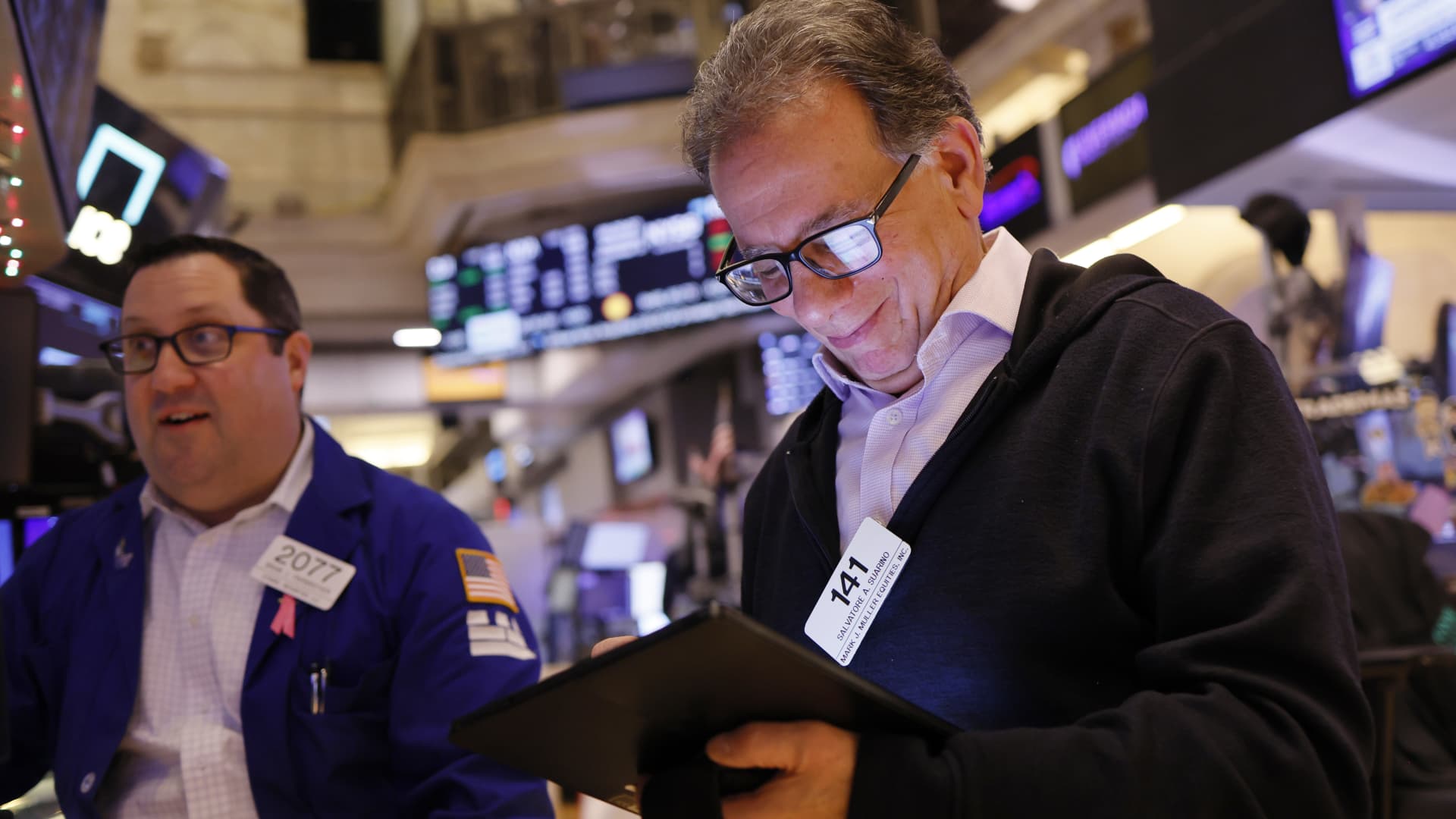
Analysis and Investment Recommendations for the Magnificent Seven Tech Stocks


- Market Performance Review: The S&P 500 has climbed 78% over the past three years, with the 'Magnificent Seven' tech stocks playing a crucial role in this bull market, demonstrating strong market leadership and investor confidence.
- AI Industry Beneficiaries: Alphabet, Nvidia, and Amazon, as pioneers in the AI sector, achieved quarterly growth rates of 23%, 14.7%, and 14.4% respectively, indicating that their strong performances in cloud services and AI chips are driving revenue growth.
- Challenges for Microsoft and Meta: While Microsoft's stock has gradually recovered, concerns about AI replacing software have impacted its performance; meanwhile, Meta's significant investments in AI applications have not yet translated into shareholder confidence, resulting in a stock price decline.
- Investment Recommendations: In evaluating the 'Magnificent Seven', Alphabet and Nvidia are considered the best investment choices, with the former excelling in cloud services and the latter viewed as a 'cheap' investment opportunity due to its leadership in the AI chip market.
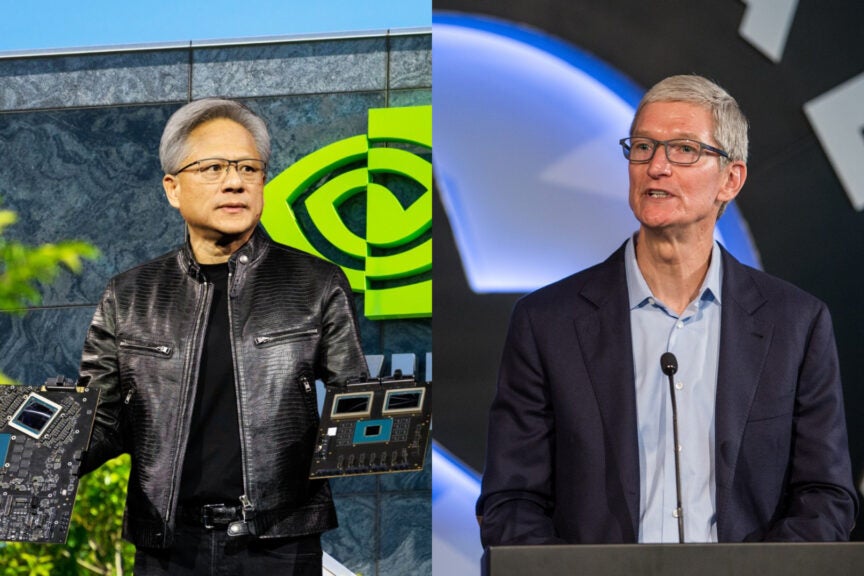
Magnificent Seven Stocks Show Recovery
- Performance Recovery: After a sluggish first quarter, the Magnificent Seven stocks showed strong performance in the second quarter, particularly Alphabet and Nvidia, which saw stock price increases driven by robust demand for their cloud services and AI chips, reflecting ongoing market confidence in AI.
- Revenue Growth: Nvidia reported record revenue exceeding $215 billion in the latest fiscal year, while Amazon's AWS reached an annual revenue run rate of $150 billion, indicating that AI-related businesses are generating substantial earnings for these companies.
- Investment Opportunities: While Meta is investing in AI applications, its profitability has yet to materialize, leading to diminished investor interest in its stock; in contrast, Alphabet and Nvidia are viewed as better investment choices due to their reasonable valuations and strong market performance.
- Market Outlook: With the continuous evolution of AI technology, the long-term growth potential of the Magnificent Seven stocks remains robust, and investors should focus on these companies' profitability and market positions to make informed investment decisions in the future.
Alphabet's AI Model Gains Competitive Edge
- Enhanced AI Competitiveness: Google's Gemini 3 model has successfully dispelled doubts about its ability to compete with ChatGPT and Claude, driving the stock price up over 100% in the past 12 months, indicating strong recovery potential in the AI market.
- Improved Financial Performance: In Q1 2026, Alphabet's revenue rose by 22% year-over-year, with Google Cloud's revenue surging by 63%, demonstrating that AI investments have significantly boosted the company's overall financial performance.
- Capital Expenditure Strategy: Alphabet has committed to investing between $175 billion and $185 billion in capital expenditures over the next few years; despite holding $127 billion in liquidity, it raised $32 billion in debt to support AI development, reflecting confidence in future growth.
- Optimistic Market Outlook: With a current P/E ratio of 27, lower than other
MercadoLibre: Growth Potential of Latin America's E-commerce Giant
- Market Leadership: MercadoLibre dominates the Latin American e-commerce sector, with a 49% year-over-year revenue increase and a 42% rise in gross merchandise volume in Q1 2026, highlighting its substantial growth potential in an underpenetrated market.
- User Base Expansion: As of Q1 2026, MercadoLibre boasts 126 million active users, leveraging this data to enhance its AI assistant, which boosts customer purchase confidence and strengthens its competitive position in the market.
- Fintech Business Growth: The company has grown its fintech user base to 83 million, with a compound annual growth rate (CAGR) of 31%, while its credit portfolio has surged at a CAGR of 94%, showcasing its robust performance in the digital banking sector.
- Profit Pressure and Future Outlook: Despite a drop in operating income from $763 million to $611 million and a margin decline from 12.9% to 6.9% in Q1, management views current investments as essential for future growth, although the market remains cautious about short-term performance.
CoreWeave Stock Drops as Meta Enters AI Processing Market
- Significant Stock Decline: CoreWeave's stock fell 13.2% this week, contrasting with the S&P 500's 1.8% gain, indicating a broader pullback in AI hardware stocks that may undermine investor confidence.
- Increased Competitive Threat: Meta Platforms is preparing to enter the AI processing services market, posing a direct challenge to CoreWeave, which raises concerns about the company's future pricing outlook and potential market share loss.
- Rising Debt Burden: CoreWeave has taken on substantial debt to expand its AI infrastructure, and while demand for AI processing remains strong, any slowdown in growth could significantly pressure its pricing power, jeopardizing financial stability.
- Changing Market Dynamics: As tech giants like Meta ramp up investments in AI infrastructure, CoreWeave faces an increasingly competitive landscape, which could lead to greater uncertainty regarding its valuation prospects in the AI hardware market.
MercadoLibre Stock Shows Massive Growth Potential
- Massive Market Opportunity: MercadoLibre leads the e-commerce sector in Latin America, with a 49% year-over-year revenue increase and a 42% rise in gross merchandise volume in Q1, indicating strong market demand and growth potential.
- User Base Expansion: As of Q1 2026, MercadoLibre boasts 126 million active users, leveraging data-driven insights to enhance customer experience, with an AI assistant improving purchase confidence.
- Fintech Business Growth: The company has reached 83 million users in its fintech sector, growing at a 31% CAGR, while its credit portfolio has surged at a 94% CAGR, showcasing its robust performance in digital banking.
- Attractive Stock Valuation: Despite MercadoLibre's stock price dropping to $1,764.31 with a P/E ratio of 45, near a 10-year low, it is still considered a good investment given its future growth potential.
Analysis and Investment Recommendations for the Magnificent Seven Tech Stocks
- Market Performance Review: The S&P 500 has climbed 78% over the past three years, with the 'Magnificent Seven' tech stocks playing a crucial role in this bull market, demonstrating strong market leadership and investor confidence.
- AI Industry Beneficiaries: Alphabet, Nvidia, and Amazon, as pioneers in the AI sector, achieved quarterly growth rates of 23%, 14.7%, and 14.4% respectively, indicating that their strong performances in cloud services and AI chips are driving revenue growth.
- Challenges for Microsoft and Meta: While Microsoft's stock has gradually recovered, concerns about AI replacing software have impacted its performance; meanwhile, Meta's significant investments in AI applications have not yet translated into shareholder confidence, resulting in a stock price decline.
- Investment Recommendations: In evaluating the 'Magnificent Seven', Alphabet and Nvidia are considered the best investment choices, with the former excelling in cloud services and the latter viewed as a 'cheap' investment opportunity due to its leadership in the AI chip market.
Magnificent Seven Stocks Show Recovery
- Performance Recovery: After a sluggish first quarter, the Magnificent Seven stocks showed strong performance in the second quarter, particularly Alphabet and Nvidia, which saw stock price increases driven by robust demand for their cloud services and AI chips, reflecting ongoing market confidence in AI.
- Revenue Growth: Nvidia reported record revenue exceeding $215 billion in the latest fiscal year, while Amazon's AWS reached an annual revenue run rate of $150 billion, indicating that AI-related businesses are generating substantial earnings for these companies.
- Investment Opportunities: While Meta is investing in AI applications, its profitability has yet to materialize, leading to diminished investor interest in its stock; in contrast, Alphabet and Nvidia are viewed as better investment choices due to their reasonable valuations and strong market performance.
- Market Outlook: With the continuous evolution of AI technology, the long-term growth potential of the Magnificent Seven stocks remains robust, and investors should focus on these companies' profitability and market positions to make informed investment decisions in the future.