Trump Tells Fed’s Powell ‘You’re Not Fired.’ Why the Festive Goodwill Won’t Last and 5 Other Things to Know Today.
Written by Emily J. Thompson, Senior Investment Analyst
Updated: Dec 09 2024
0mins

Should l Buy META?
Source: Barron's
Federal Reserve and Interest Rates: Federal Reserve Chair Jerome Powell's job security is assured for now, but upcoming inflation data could influence interest rate decisions, with traders anticipating a potential cut in December.
Trump's Administration Plans: President-elect Donald Trump has no plans to replace Powell but is promoting tariffs and may reduce U.S. aid to Ukraine, while also indicating limited options regarding TikTok's legal challenges.
Trade with 70% Backtested Accuracy
Stop guessing "Should I Buy META?" and start using high-conviction signals backed by rigorous historical data.
Sign up today to access powerful investing tools and make smarter, data-driven decisions.
Analyst Views on META
Wall Street analysts forecast META stock price to rise
44 Analyst Rating
37 Buy
6 Hold
1 Sell
Strong Buy
Current: 676.870

Low
655.15
Averages
824.71
High
1117
Current: 676.870
Low
655.15
Averages
824.71
High
1117
About META
Meta Platforms, Inc. is building human connections, powered by artificial intelligence and immersive technologies. The Company's products enable people to connect and share with friends and family through mobile devices, personal computers, virtual reality (VR) and mixed reality (MR) headsets, augmented reality (AR), and wearables. It also helps people discover and learn about what is going on in the world around them, enabling people to share their experiences, ideas, photos, videos, and other content with audiences ranging from their closest family members and friends to the public at large. The Company's segments include Family of Apps (FoA) and Reality Labs (RL). FoA segment includes Facebook, Instagram, Messenger, WhatsApp and Threads. RL segment includes its virtual, augmented, and mixed reality related consumer hardware, software and content. Its product offerings in VR include its Meta Quest devices, as well as software and content available through the Meta Horizon Store.
About the author

Emily J. Thompson
Emily J. Thompson, a Chartered Financial Analyst (CFA) with 12 years in investment research, graduated with honors from the Wharton School. Specializing in industrial and technology stocks, she provides in-depth analysis for Intellectia’s earnings and market brief reports.

Meta Raises Quest VR Headset Prices Amid Chip Cost Surge

- Reason for Price Increase: Meta has announced a price hike for its Quest virtual reality headsets due to a significant rise in memory chip costs, reflecting the global surge in prices of critical components that is expected to impact consumer purchasing decisions.
- Specific Price Adjustments: Effective April 19, the prices for the Meta Quest 3S (128GB) and (256GB) will increase by $50 to $349.99 and $449.99 respectively, while the Meta Quest 3 (256GB) will see a $100 increase to $599.99, with updated pricing also applying to refurbished units.
- Market Commitment: Despite the cost pressures, Meta reassured customers of its commitment to investing in virtual reality and leading the category, indicating a long-term strategic intent in technological innovation.
- Workforce Adjustments: Amid its pivot towards generative artificial intelligence, Meta recently cut 10% of its Reality Labs staff, which may impact its research capabilities and competitive position in the virtual reality market.
See More
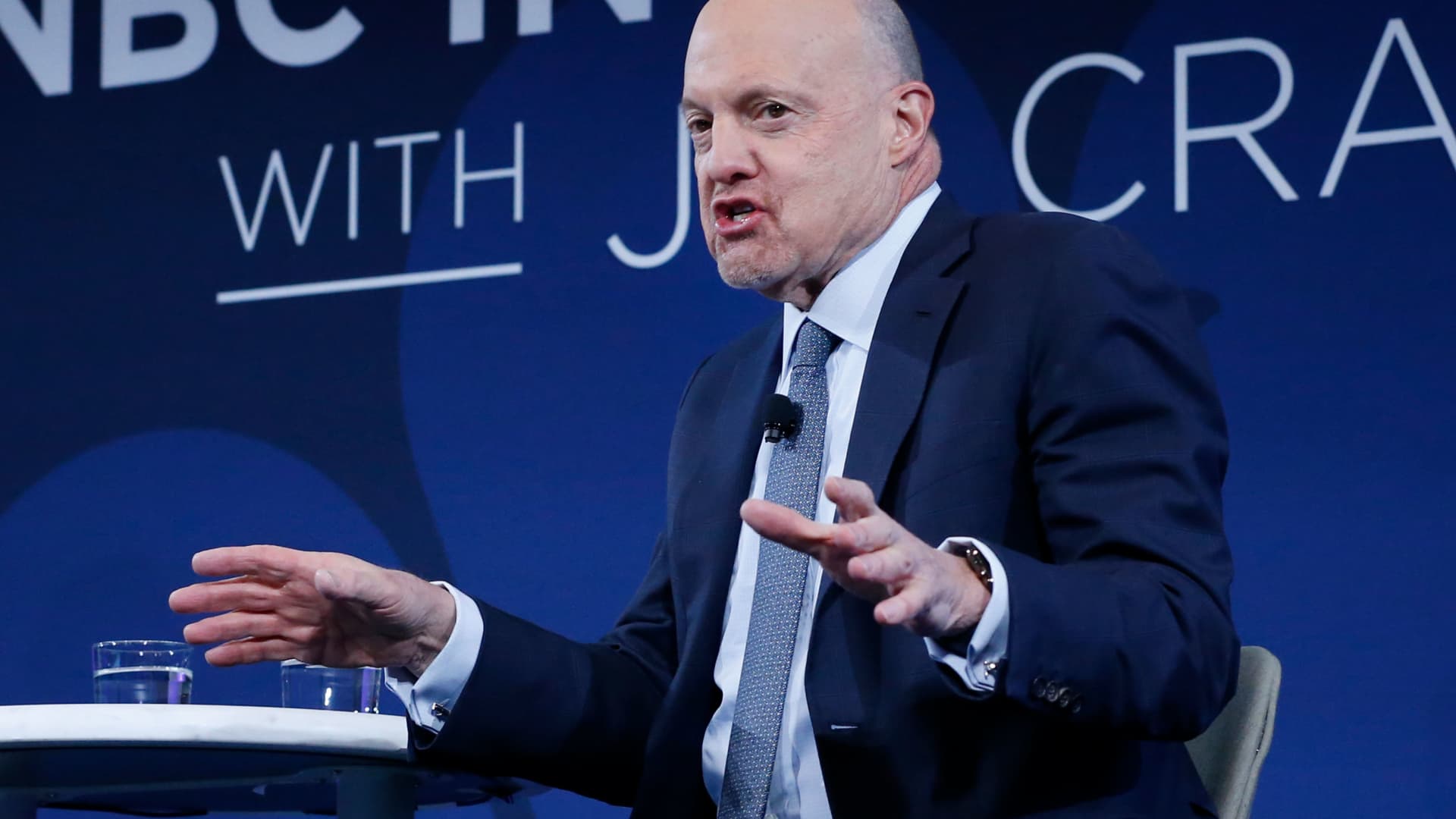
Jim Cramer Updates Bullpen Watchlist with New Stocks


- New Additions: Jim Cramer added ARM Holdings and FedEx to the Bullpen, with ARM's recent in-house chip launch making it a bullish prospect at $161 per share, while FedEx, up about 30% this year, remains 'dramatically undervalued'.
- FedEx Restructuring: FedEx is spinning off its less-than-truckload unit, FedEx Freight, expected to complete by June 1, a move that typically creates more shareholder value, with Jim praising CEO Raj Subramaniam for navigating a competitive landscape effectively.
- Removed Stocks: Jim removed Airbnb and Marvell Technology from the watchlist, citing Airbnb's episodic performance as a concern, while Marvell's 57% rally in 2026 indicated a missed buying opportunity.
- Market Monitoring: Jim continues to monitor Sempra and RTX Corporation, with Sempra up over 8% year-to-date, while RTX could benefit from increased defense production, with Jim planning to decide post RTX's first-quarter results on April 21.
See More

Apple's iPhone Shipments in China Surge 20% Amid Market Challenges


- Market Share Growth: Apple achieved a 20% increase in iPhone shipments in China during Q1, demonstrating robust growth despite challenges such as supply chain disruptions and high memory costs, which underscores its competitive strength in a challenging market.
- Close to Market Leader: With a 19% market share in China, Apple is just 1% behind Huawei, positioning the company favorably for future competition and strategic initiatives aimed at reclaiming the top spot.
- Overall Market Decline: While Apple excelled, the overall smartphone shipments in China fell by 4%, indicating a tough market backdrop, and highlighting Apple's ability to grow in a declining sector.
- Executive Transition Impact: The impending retirement of long-time marketing chief Stan Ng after 31 years may influence Apple's branding strategy and market outreach, necessitating close observation of the successor's impact on the company's direction.
See More

AI Earnings Season Marks a Turning Point


- Investor Confidence Wavers: In 2026, investor confidence in the AI sector has significantly declined as they begin to question the actual returns on massive capital expenditures, particularly with projected spending nearing $700 billion, a 60% increase from 2025, raising concerns about an AI bubble.
- Earnings Growth Dependent on AI: Goldman Sachs analysts estimate that AI infrastructure investments will account for 40% of S&P 500 earnings growth in 2026, indicating that if AI companies fail to deliver satisfactory results in their earnings reports, it could lead to a rapid market repricing, jeopardizing the entire bull market.
- Uneven Market Pressure: Companies like Nebius Group, which has nearly $50 billion in contracted backlog despite less than $1 billion in revenue for 2025, face different pressures compared to enterprise AI software firms that have oversold their product-market fit, with the latter facing greater scrutiny this earnings season.
- Supply Chain Challenges Intensify: The helium supply shock is now fully impacting chip manufacturers, who face genuine production constraints, and the market will closely scrutinize guidance from semiconductor-adjacent companies regarding supply chain issues, especially following the temporary ceasefire in the Iran conflict, which has lifted oil prices and boosted AI stock performance.
See More

2026 Earnings Will Test AI Investment Returns
- Market Sentiment Shift: In 2026, investors are demanding higher returns from AI investments, with projections that Amazon, Microsoft, Alphabet, and Meta will collectively spend nearly $700 billion on AI and infrastructure, a 60% increase from 2025, indicating that failure to deliver results could lead to rapid market repricing.
- Concentration of Earnings Growth: Goldman Sachs analysts estimate that AI infrastructure investments will account for approximately 40% of S&P 500 earnings growth in 2026, highlighting the critical role of AI technology in the market's growth narrative, where failure to deliver could jeopardize the entire bull market.
- Performance Disparity: Companies like Nebius Group, with nearly $50 billion in contracted backlog despite less than $1 billion in 2025 revenue, face a crucial moment in April earnings to demonstrate contract conversion into real revenue, while others may struggle under increased scrutiny.
- Supply Chain Challenges: This earnings season marks the first where the helium supply shock impacts chip manufacturers, creating genuine production constraints, and management's commentary on supply chain issues will be closely monitored, especially following the temporary ceasefire in the Iran conflict that has helped lift broader market sentiment.
See More

SpaceX Plans 2026 IPO, Potentially Largest in History

- Massive IPO Potential: SpaceX is planning an IPO in 2026 with a target valuation of $1.75 trillion and a capital raise of $75 billion, which, if successful, would make it the largest IPO in history, surpassing Tesla and becoming the eighth-largest publicly traded company in the U.S.
- Strong Financial Performance: Last year, SpaceX generated up to $16 billion in revenue and $8 billion in profit, indicating its profitability has surpassed that of Tesla, thereby attracting investor interest in its future growth potential.
- Vast Market Opportunities: McKinsey estimates that the global space economy could reach $1.8 trillion by 2035, while PwC analysts predict that AI will create over $15 trillion in global economic value by 2030, highlighting SpaceX's strategic significance in these sectors.
- Historical Lessons Caution: Despite SpaceX's bright prospects, historical data shows that large IPOs typically lose an average of 10% of their value six months post-IPO; if SpaceX follows this trend, it could face a market value loss of up to $175 billion, necessitating careful risk assessment by investors.
See More
Meta Raises Quest VR Headset Prices Amid Chip Cost Surge
- Reason for Price Increase: Meta has announced a price hike for its Quest virtual reality headsets due to a significant rise in memory chip costs, reflecting the global surge in prices of critical components that is expected to impact consumer purchasing decisions.
- Specific Price Adjustments: Effective April 19, the prices for the Meta Quest 3S (128GB) and (256GB) will increase by $50 to $349.99 and $449.99 respectively, while the Meta Quest 3 (256GB) will see a $100 increase to $599.99, with updated pricing also applying to refurbished units.
- Market Commitment: Despite the cost pressures, Meta reassured customers of its commitment to investing in virtual reality and leading the category, indicating a long-term strategic intent in technological innovation.
- Workforce Adjustments: Amid its pivot towards generative artificial intelligence, Meta recently cut 10% of its Reality Labs staff, which may impact its research capabilities and competitive position in the virtual reality market.
See More
Jim Cramer Updates Bullpen Watchlist with New Stocks
- New Additions: Jim Cramer added ARM Holdings and FedEx to the Bullpen, with ARM's recent in-house chip launch making it a bullish prospect at $161 per share, while FedEx, up about 30% this year, remains 'dramatically undervalued'.
- FedEx Restructuring: FedEx is spinning off its less-than-truckload unit, FedEx Freight, expected to complete by June 1, a move that typically creates more shareholder value, with Jim praising CEO Raj Subramaniam for navigating a competitive landscape effectively.
- Removed Stocks: Jim removed Airbnb and Marvell Technology from the watchlist, citing Airbnb's episodic performance as a concern, while Marvell's 57% rally in 2026 indicated a missed buying opportunity.
- Market Monitoring: Jim continues to monitor Sempra and RTX Corporation, with Sempra up over 8% year-to-date, while RTX could benefit from increased defense production, with Jim planning to decide post RTX's first-quarter results on April 21.
See More
Apple's iPhone Shipments in China Surge 20% Amid Market Challenges
- Market Share Growth: Apple achieved a 20% increase in iPhone shipments in China during Q1, demonstrating robust growth despite challenges such as supply chain disruptions and high memory costs, which underscores its competitive strength in a challenging market.
- Close to Market Leader: With a 19% market share in China, Apple is just 1% behind Huawei, positioning the company favorably for future competition and strategic initiatives aimed at reclaiming the top spot.
- Overall Market Decline: While Apple excelled, the overall smartphone shipments in China fell by 4%, indicating a tough market backdrop, and highlighting Apple's ability to grow in a declining sector.
- Executive Transition Impact: The impending retirement of long-time marketing chief Stan Ng after 31 years may influence Apple's branding strategy and market outreach, necessitating close observation of the successor's impact on the company's direction.
See More
AI Earnings Season Marks a Turning Point
- Investor Confidence Wavers: In 2026, investor confidence in the AI sector has significantly declined as they begin to question the actual returns on massive capital expenditures, particularly with projected spending nearing $700 billion, a 60% increase from 2025, raising concerns about an AI bubble.
- Earnings Growth Dependent on AI: Goldman Sachs analysts estimate that AI infrastructure investments will account for 40% of S&P 500 earnings growth in 2026, indicating that if AI companies fail to deliver satisfactory results in their earnings reports, it could lead to a rapid market repricing, jeopardizing the entire bull market.
- Uneven Market Pressure: Companies like Nebius Group, which has nearly $50 billion in contracted backlog despite less than $1 billion in revenue for 2025, face different pressures compared to enterprise AI software firms that have oversold their product-market fit, with the latter facing greater scrutiny this earnings season.
- Supply Chain Challenges Intensify: The helium supply shock is now fully impacting chip manufacturers, who face genuine production constraints, and the market will closely scrutinize guidance from semiconductor-adjacent companies regarding supply chain issues, especially following the temporary ceasefire in the Iran conflict, which has lifted oil prices and boosted AI stock performance.
See More
2026 Earnings Will Test AI Investment Returns
- Market Sentiment Shift: In 2026, investors are demanding higher returns from AI investments, with projections that Amazon, Microsoft, Alphabet, and Meta will collectively spend nearly $700 billion on AI and infrastructure, a 60% increase from 2025, indicating that failure to deliver results could lead to rapid market repricing.
- Concentration of Earnings Growth: Goldman Sachs analysts estimate that AI infrastructure investments will account for approximately 40% of S&P 500 earnings growth in 2026, highlighting the critical role of AI technology in the market's growth narrative, where failure to deliver could jeopardize the entire bull market.
- Performance Disparity: Companies like Nebius Group, with nearly $50 billion in contracted backlog despite less than $1 billion in 2025 revenue, face a crucial moment in April earnings to demonstrate contract conversion into real revenue, while others may struggle under increased scrutiny.
- Supply Chain Challenges: This earnings season marks the first where the helium supply shock impacts chip manufacturers, creating genuine production constraints, and management's commentary on supply chain issues will be closely monitored, especially following the temporary ceasefire in the Iran conflict that has helped lift broader market sentiment.
See More
SpaceX Plans 2026 IPO, Potentially Largest in History
- Massive IPO Potential: SpaceX is planning an IPO in 2026 with a target valuation of $1.75 trillion and a capital raise of $75 billion, which, if successful, would make it the largest IPO in history, surpassing Tesla and becoming the eighth-largest publicly traded company in the U.S.
- Strong Financial Performance: Last year, SpaceX generated up to $16 billion in revenue and $8 billion in profit, indicating its profitability has surpassed that of Tesla, thereby attracting investor interest in its future growth potential.
- Vast Market Opportunities: McKinsey estimates that the global space economy could reach $1.8 trillion by 2035, while PwC analysts predict that AI will create over $15 trillion in global economic value by 2030, highlighting SpaceX's strategic significance in these sectors.
- Historical Lessons Caution: Despite SpaceX's bright prospects, historical data shows that large IPOs typically lose an average of 10% of their value six months post-IPO; if SpaceX follows this trend, it could face a market value loss of up to $175 billion, necessitating careful risk assessment by investors.
See More