

Trump Extends Ceasefire with Iran Amid Market Volatility
Written by Emily J. Thompson, Senior Investment Analyst
Updated: Apr 22 2026
0mins


Source: Newsfilter
- Ceasefire Extension: Trump announced the extension of the ceasefire with Iran, originally set to expire today, now lasting until Tehran provides a 'unified proposal', aiming to alleviate market concerns over geopolitical risks, which could positively impact oil prices and stock markets.
- Boeing Stock Surge: Boeing shares rose over 3% this morning after the company reported a smaller-than-expected loss per share and exceeded revenue expectations in Q1, demonstrating resilience during tough times, with the CEO set to discuss results on CNBC today, further boosting market confidence.
- Fed Nominee Scrutiny: Kevin Warsh, Trump's nominee for the Federal Reserve chair, faced tough questions during his confirmation hearing, asserting he wouldn't lower interest rates at Trump's request, raising concerns about his independence and financial background, which may influence market expectations for future monetary policy.
- Amazon Enters GLP-1 Market: Amazon's primary care arm launched a new program to ease access to weight-loss drugs, enhancing its competitiveness in the healthcare sector while potentially boosting the market performance of related stocks, reflecting the company's strategic expansion into pharmaceuticals.
Trade with 70% Backtested Accuracy
Stop guessing "Should I Buy BA?" and start using high-conviction signals backed by rigorous historical data.
Sign up today to access powerful investing tools and make smarter, data-driven decisions.
Analyst Views on BA
Wall Street analysts forecast BA stock price to rise
16 Analyst Rating
14 Buy
1 Hold
1 Sell
Strong Buy
Current: 227.490

Low
150.00
Averages
269.14
High
298.00
Current: 227.490
Low
150.00
Averages
269.14
High
298.00
About BA
The Boeing Company is an aerospace company. Its segments include Commercial Airplanes (BCA), Defense, Space & Security (BDS), and Global Services (BGS). Its BCA segment develops, produces and markets commercial jet aircraft principally for the commercial airline industry worldwide. Its family of commercial jet aircraft in production includes the 737 narrow-body model and the 767, 777 and 787 wide-body models. Its BDS segment is engaged in the research, development, production and modification of manned and unmanned military aircraft and weapons systems for strike, surveillance and mobility. Its BGS segment provides services to its commercial and defense customers worldwide. It sustains aerospace platforms and systems with a range of products and services, including supply chain and logistics management, engineering, maintenance and modifications, upgrades and conversions, spare parts, pilot and maintenance training systems and services, technical and maintenance documents, and others.
About the author

Emily J. Thompson
Emily J. Thompson, a Chartered Financial Analyst (CFA) with 12 years in investment research, graduated with honors from the Wharton School. Specializing in industrial and technology stocks, she provides in-depth analysis for Intellectia’s earnings and market brief reports.

Boeing 737 MAX New Variants Certification Progressing Well

- Certification Progress: Both the European Union Aviation Safety Agency (EASA) and the Federal Aviation Administration (FAA) have reported good progress in certifying the new Boeing 737 MAX 7 and MAX 10 variants, indicating regulatory confidence in Boeing's products.
- Top Priority: EASA Executive Director Florian Guillermet emphasized at a safety conference that the MAX 10 is a top priority for the agency, reflecting its commitment to expedite the introduction of these new models into the market.
- Final Stages: The FAA is in the final stages of certifying the MAX 7 and MAX 10, suggesting that Boeing is nearing completion of the regulatory approval process, which could positively impact its future market performance.
- Future Outlook: Guillermet mentioned that closing the last certification actions will allow EASA to “turn the page,” which not only aids Boeing's product line expansion but may also enhance its competitiveness in the global aviation market.
See More

Market Dynamics and Investment Opportunities Analysis


- Fed Meeting Outlook: Ahead of the upcoming Federal Reserve meeting, the market widely expects rates to remain unchanged, yet Chairman Kevin Warsh's comments could significantly influence market sentiment and investor decisions, potentially leading to increased volatility.
- Semiconductor Sector Prospects: Citi has raised price targets for Applied Materials, Lam Research, and KLA Corp, forecasting that spending on wafer fabrication equipment could reach $250 billion by 2028, indicating a 25% growth potential that presents substantial market opportunities for these companies.
- Intel's Process Advancement: Intel has commenced production of its latest 18A-P manufacturing process, which delivers 9% higher performance or 18% lower power consumption compared to its predecessor, potentially securing Apple as a foundry customer and strengthening its market position.
- FedEx Earnings Outlook: Although Wells Fargo lowered FedEx's price target, analysts anticipate that next quarter's earnings report may be noisy due to fiscal calendar adjustments, yet they expect strong actual results that could offset the complex outlook.
See More
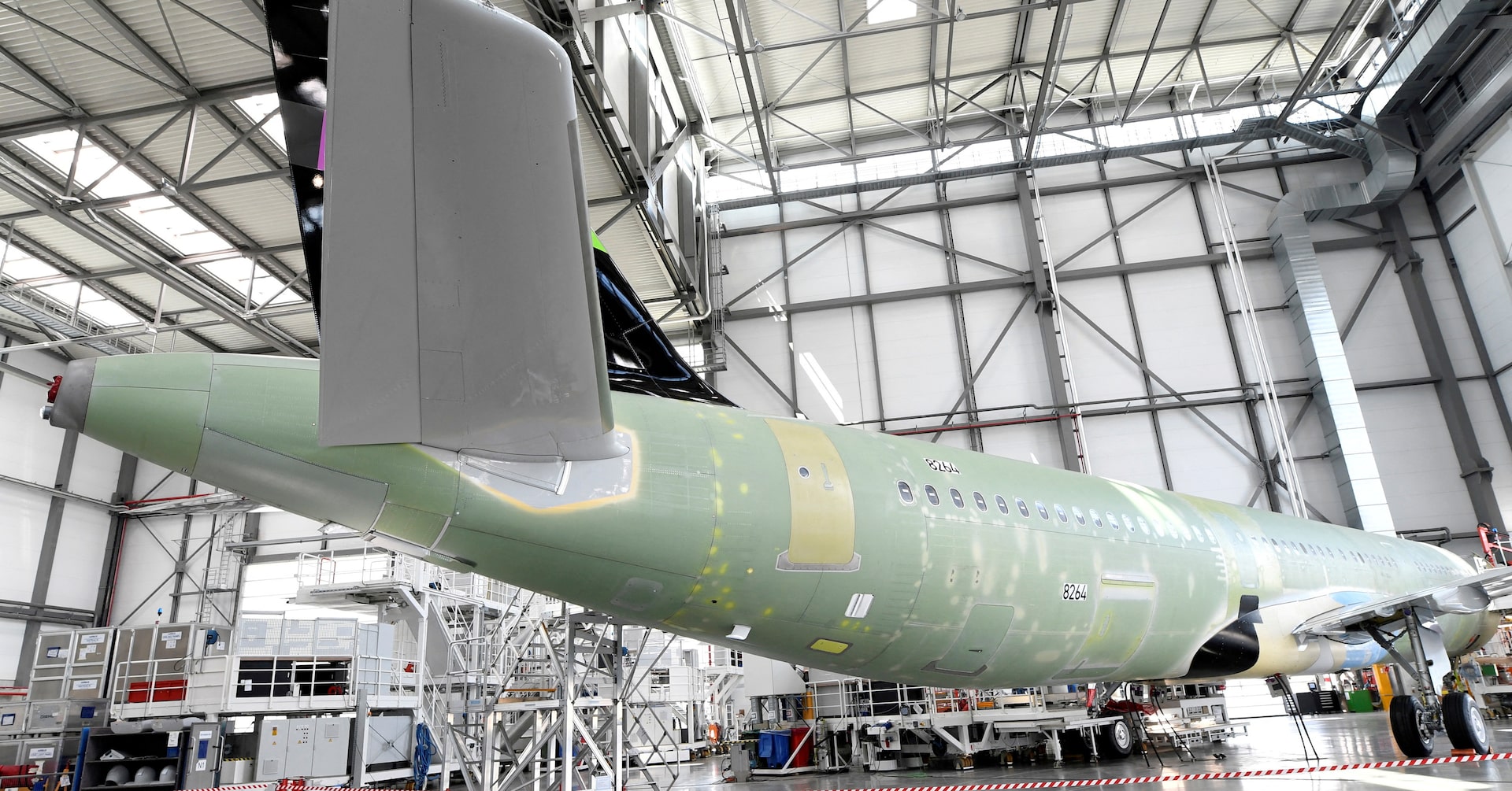
Qantas Launches World's Longest Non-Stop Flights
- Project Launch: Qantas is set to unveil the world's longest non-stop flights on Wednesday, aiming to connect eastern Australia directly to London or New York through its 'Project Sunrise', significantly reducing travel time from the current 24-25 hours to a maximum of 22 hours, thereby enhancing passenger travel experience.
- Economic Impact: The project is expected to add over A$400 million (approximately $282.68 million) annually to Qantas's earnings, with CEO Vanessa Hudson indicating that non-stop flights could command ticket prices around 20% higher than one-stop alternatives, which will help boost the company's profitability.
- Market Outlook: Despite high energy prices potentially impacting profitability, analysts believe passengers will continue to prefer direct flights to Europe via Perth, anticipating a positive market for Project Sunrise flights, especially following the restoration of Middle Eastern routes.
- Aircraft Delivery Timeline: The 12 modified A350-1000ULR aircraft ordered by Qantas are expected to be delivered in April 2027, delayed due to the pandemic and aerospace supply chain issues, with the additional fuel tank design extending the range to 10,000 nautical miles (approximately 18,520 kilometers) to accommodate long-haul travel needs.
See More

New AI-Enabled Military Aircraft Debuts at Berlin Airshow
- Collaborative Combat Drones: The new 'wingman' unmanned aircraft attracted attention at the Berlin Airshow, designed to operate alongside piloted fighters while carrying sensors and weapons, enhancing the survivability and operational range of manned aircraft, reflecting intensified competition among Western defense firms in shaping future aerial warfare.
- Massive Market Potential: Defense executives view collaborative combat aircraft as a new procurement category, with governments expected to purchase fleets of drones to accompany relatively few expensive fighter jets, promising decades of revenue for aerospace companies and marking it as one of the most closely watched growth markets in defense.
- Debate on Technological Sovereignty: Helsing's air-domain leader emphasized the necessity for nations to control the AI software powering these autonomous combat systems to reduce dependence on U.S. military technology, highlighting a broader European discussion on defense sovereignty.
- Future Deployment Outlook: While these new aircraft have attracted significant investment, operational deployment remains several years away, with Boeing's MQ-28 expected to be available for Germany's Luftwaffe by the end of the decade, and Airbus's U760B anticipated in the 2030s.
See More
Europe's Next-Gen 'Wingman' Drones Unveiled at Berlin Airshow

- Drone Technology Showcase: At the Berlin Airshow, Airbus, Boeing, Helsing, and General Atomics showcased their latest 'wingman' drone designs aimed at complementing fighter jets, reflecting Europe's rapid advancements in drone and electronic warfare capabilities.
- Autonomous Combat Systems: Helsing's electronic attack drone is designed to operate alongside strike drones in autonomous swarms, highlighting the critical importance of disrupting sensors and communications as demonstrated in the Ukraine war, which emphasizes new tactical approaches in future combat.
- Market Demand and Investment: With Europe focusing on building its sovereign defense industry, companies like Boeing and Airbus are ramping up investments in drone technology, with Boeing's MQ-28 Ghost Bat expected to serve the German Luftwaffe by 2029, indicating a strong market demand for high-tech defense solutions.
- Future Development Plans: Although 'wingman' drones are not yet operational, General Atomics' YFQ-42A has been selected by the U.S. Air Force for prototype development, which is expected to drive advancements in drone technology and enhance defense capabilities for Western nations.
See More
Boeing B-52 Crash Claims Eight Lives at Edwards Air Force Base
- Incident Overview: Boeing confirmed that all eight crew members, including two Boeing employees, perished in the B-52 crash at Edwards Air Force Base, highlighting the severity of the incident and its potential impact on the company's reputation.
- Investigation Status: Colonel James Hayes, deputy commander of the 412th Test Wing at Edwards, stated that the cause of the crash remains unclear, with investigations potentially taking up to six months, which could affect Boeing's future operations and project timelines.
- Technical Context: The crashed B-52 was supporting a radar modernization program featuring a modern Active Electronically Scanned Array (AESA) radar system, and while it is unclear if this was the same aircraft involved in the crash, the technological upgrades are critical for Boeing's military aviation business.
- Base Operations Impact: The crash led to the closure of Edwards Air Force Base for most of the day, with all inbound flights diverted; although access to the base was restored later in the afternoon, this incident may disrupt future testing schedules and operational efficiency at the base.
See More
Boeing 737 MAX New Variants Certification Progressing Well
- Certification Progress: Both the European Union Aviation Safety Agency (EASA) and the Federal Aviation Administration (FAA) have reported good progress in certifying the new Boeing 737 MAX 7 and MAX 10 variants, indicating regulatory confidence in Boeing's products.
- Top Priority: EASA Executive Director Florian Guillermet emphasized at a safety conference that the MAX 10 is a top priority for the agency, reflecting its commitment to expedite the introduction of these new models into the market.
- Final Stages: The FAA is in the final stages of certifying the MAX 7 and MAX 10, suggesting that Boeing is nearing completion of the regulatory approval process, which could positively impact its future market performance.
- Future Outlook: Guillermet mentioned that closing the last certification actions will allow EASA to “turn the page,” which not only aids Boeing's product line expansion but may also enhance its competitiveness in the global aviation market.
See More
Market Dynamics and Investment Opportunities Analysis
- Fed Meeting Outlook: Ahead of the upcoming Federal Reserve meeting, the market widely expects rates to remain unchanged, yet Chairman Kevin Warsh's comments could significantly influence market sentiment and investor decisions, potentially leading to increased volatility.
- Semiconductor Sector Prospects: Citi has raised price targets for Applied Materials, Lam Research, and KLA Corp, forecasting that spending on wafer fabrication equipment could reach $250 billion by 2028, indicating a 25% growth potential that presents substantial market opportunities for these companies.
- Intel's Process Advancement: Intel has commenced production of its latest 18A-P manufacturing process, which delivers 9% higher performance or 18% lower power consumption compared to its predecessor, potentially securing Apple as a foundry customer and strengthening its market position.
- FedEx Earnings Outlook: Although Wells Fargo lowered FedEx's price target, analysts anticipate that next quarter's earnings report may be noisy due to fiscal calendar adjustments, yet they expect strong actual results that could offset the complex outlook.
See More
Qantas Launches World's Longest Non-Stop Flights
- Project Launch: Qantas is set to unveil the world's longest non-stop flights on Wednesday, aiming to connect eastern Australia directly to London or New York through its 'Project Sunrise', significantly reducing travel time from the current 24-25 hours to a maximum of 22 hours, thereby enhancing passenger travel experience.
- Economic Impact: The project is expected to add over A$400 million (approximately $282.68 million) annually to Qantas's earnings, with CEO Vanessa Hudson indicating that non-stop flights could command ticket prices around 20% higher than one-stop alternatives, which will help boost the company's profitability.
- Market Outlook: Despite high energy prices potentially impacting profitability, analysts believe passengers will continue to prefer direct flights to Europe via Perth, anticipating a positive market for Project Sunrise flights, especially following the restoration of Middle Eastern routes.
- Aircraft Delivery Timeline: The 12 modified A350-1000ULR aircraft ordered by Qantas are expected to be delivered in April 2027, delayed due to the pandemic and aerospace supply chain issues, with the additional fuel tank design extending the range to 10,000 nautical miles (approximately 18,520 kilometers) to accommodate long-haul travel needs.
See More
New AI-Enabled Military Aircraft Debuts at Berlin Airshow
- Collaborative Combat Drones: The new 'wingman' unmanned aircraft attracted attention at the Berlin Airshow, designed to operate alongside piloted fighters while carrying sensors and weapons, enhancing the survivability and operational range of manned aircraft, reflecting intensified competition among Western defense firms in shaping future aerial warfare.
- Massive Market Potential: Defense executives view collaborative combat aircraft as a new procurement category, with governments expected to purchase fleets of drones to accompany relatively few expensive fighter jets, promising decades of revenue for aerospace companies and marking it as one of the most closely watched growth markets in defense.
- Debate on Technological Sovereignty: Helsing's air-domain leader emphasized the necessity for nations to control the AI software powering these autonomous combat systems to reduce dependence on U.S. military technology, highlighting a broader European discussion on defense sovereignty.
- Future Deployment Outlook: While these new aircraft have attracted significant investment, operational deployment remains several years away, with Boeing's MQ-28 expected to be available for Germany's Luftwaffe by the end of the decade, and Airbus's U760B anticipated in the 2030s.
See More
Europe's Next-Gen 'Wingman' Drones Unveiled at Berlin Airshow
- Drone Technology Showcase: At the Berlin Airshow, Airbus, Boeing, Helsing, and General Atomics showcased their latest 'wingman' drone designs aimed at complementing fighter jets, reflecting Europe's rapid advancements in drone and electronic warfare capabilities.
- Autonomous Combat Systems: Helsing's electronic attack drone is designed to operate alongside strike drones in autonomous swarms, highlighting the critical importance of disrupting sensors and communications as demonstrated in the Ukraine war, which emphasizes new tactical approaches in future combat.
- Market Demand and Investment: With Europe focusing on building its sovereign defense industry, companies like Boeing and Airbus are ramping up investments in drone technology, with Boeing's MQ-28 Ghost Bat expected to serve the German Luftwaffe by 2029, indicating a strong market demand for high-tech defense solutions.
- Future Development Plans: Although 'wingman' drones are not yet operational, General Atomics' YFQ-42A has been selected by the U.S. Air Force for prototype development, which is expected to drive advancements in drone technology and enhance defense capabilities for Western nations.
See More
Boeing B-52 Crash Claims Eight Lives at Edwards Air Force Base
- Incident Overview: Boeing confirmed that all eight crew members, including two Boeing employees, perished in the B-52 crash at Edwards Air Force Base, highlighting the severity of the incident and its potential impact on the company's reputation.
- Investigation Status: Colonel James Hayes, deputy commander of the 412th Test Wing at Edwards, stated that the cause of the crash remains unclear, with investigations potentially taking up to six months, which could affect Boeing's future operations and project timelines.
- Technical Context: The crashed B-52 was supporting a radar modernization program featuring a modern Active Electronically Scanned Array (AESA) radar system, and while it is unclear if this was the same aircraft involved in the crash, the technological upgrades are critical for Boeing's military aviation business.
- Base Operations Impact: The crash led to the closure of Edwards Air Force Base for most of the day, with all inbound flights diverted; although access to the base was restored later in the afternoon, this incident may disrupt future testing schedules and operational efficiency at the base.
See More




