Trump Directs to Cease Use of Anthropic Technology
Catch up on the top artificial intelligence news and commentary by Wall Street analysts on publicly traded companies in the space with this daily recap compiled by The Fly.CEASE ALL USE:In a post on Truth Social, President Donald Trump said that "leftwing nut jobs" at AI company Anthtropic have made a mistake trying to "strong-arm" the Department of War and "force them to obey their Terms of Service instead of our Constitution." The Fly notes that Anthropic said Thursday that the company "cannot in good conscience" allow the Pentagon to use its models in lawful cases without limitation. "Therefore, I am directing EVERY Federal Agency in the United States Government to IMMEDIATELY CEASE all use of Anthropic's technology," Trump posted. "We don't need it, we don't want it, and will not do business with them again! There will be a Six Month phase out period for Agencies like the Department of War who are using Anthropic's products, at various levels. Anthropic better get their act together, and be helpful during this phase out period, or I will use the Full Power of the Presidency to make them comply, with major civil and criminal consequences to follow."Meanwhile, Anthropic said in a statement, "Secretary of War Pete Hegseth shared on X that he is directing the Department of War to designate Anthropic a supply chain risk. This action follows months of negotiations that reached an impasse over two exceptions we requested to the lawful use of our AI model, Claude: the mass domestic surveillance of Americans and fully autonomous weapons. We have not yet received direct communication from the Department of War or the White House on the status of our negotiations. We have tried in good faith to reach an agreement with the Department of War, making clear that we support all lawful uses of AI for national security aside from the two narrow exceptions above. To the best of our knowledge, these exceptions have not affected a single government mission to date. We held to our exceptions for two reasons. First, we do not believe that today's frontier AI models are reliable enough to be used in fully autonomous weapons. Allowing current models to be used in this way would endanger America's warfighters and civilians. Second, we believe that mass domestic surveillance of Americans constitutes a violation of fundamental rights. Designating Anthropic as a supply chain risk would be an unprecedented action-one historically reserved for US adversaries, never before publicly applied to an American company. We are deeply saddened by these developments. As the first frontier AI company to deploy models in the US government's classified networks, Anthropic has supported American warfighters since June 2024 and has every intention of continuing to do so. We believe this designation would both be legally unsound and set a dangerous precedent for any American company that negotiates with the government. No amount of intimidation or punishment from the Department of War will change our position on mass domestic surveillance or fully autonomous weapons. We will challenge any supply chain risk designation in court."AI-LOADED SOFTWARE BUNDLE FOR 365:Microsoftis weighing releasing its long-rumored E7 enterprise productive software bundle, a more expensive AI-loaded version of Microsoft 365, Business Insider's Ashley Stewart, citing two people familiar with the plans. The bundle, which could cost up to $99 per user per month, could include Microsoft Copilot and its new AI agent hub, known as Agent 365, the author notes.PARTNERSHIPS:Nvidiaannounced multiyear strategic agreements with Lumentumto accelerate innovation in advanced optics technologies, including research and development, to enable next-generation AI infrastructure and systems designs. The nonexclusive agreement includes a Nvidia multibillion purchase commitment and future capacity access rights for advanced laser components. In addition, Nvidia is investing $2B in Lumentum to support R&D, future capacity and operations as the company builds out its U.S.-based manufacturing capabilities in a new fab.Nvidia and Coherentannounced a multi-year strategic agreement to advance the frontier of advanced optics technologies, including manufacturing capacity and research and development, to enable next-generation AI infrastructure. The nonexclusive agreement includes an Nvidia multibillion-dollar purchase commitment and future access and capacity rights for advanced laser and optical networking products. In addition, Nvidia is investing $2B in Coherent to support research and development, future capacity and operations as Coherent builds out its U.S.-based manufacturing capabilities.INFERENCE COMPUTING:Nvidia intends to reveal a new processor meant to help OpenAI and other customers build more efficient tools, Berber Jin, Robbie Whelan, and Keta Clark of The Wall Street Journal. The new system will be for "inference" computing, processing that allows AI models to respond to queries, the Journal adds, citing people familiar with the plans. The new platform will incorporate a chip designed by Groq, the sources added.
Trade with 70% Backtested Accuracy
Analyst Views on MSFT

About MSFT
About the author


Microsoft Adjusts Copilot Sales Strategy Amid Analyst Feedback

- Sales Strategy Adjustment: Microsoft has revamped its sales strategy for the Microsoft 365 Copilot after analyst feedback, aiming to increase corporate user adoption, with only 15 million seats currently representing 3% of standard bundle seats.
- Quarterly Goals Achieved: The company set ambitious targets for the March quarter and successfully met them, indicating potential in AI product sales despite facing intense market competition.
- Market Reaction: Although Microsoft's stock fell 23% in Q1, the company has ramped up investments in data centers to support cloud customers like OpenAI, reflecting long-term confidence in AI products.
- Future Outlook: Executives express strong confidence in the upcoming June quarter targets, anticipating continued growth in Copilot adoption, even as analysts note that current user growth remains in its nascent stages.

The Magnificent Seven Tech Stocks Face Challenges


- Market Performance Decline: The Magnificent Seven tech stocks, which have excelled in the market over the past few years, have recently faced declines or stagnation due to concerns about AI revenue opportunities and uncertainties in the economic and geopolitical landscape, impacting investor confidence.
- AI Chip Market Outlook: While Nvidia leads the AI chip market, Taiwan Semiconductor Manufacturing, as its chip manufacturer, is expected to play a significant role in future AI growth due to its diversified product line and broad market demand, thereby expanding its market opportunities.
- Broadcom's Growth Potential: Broadcom forecasts AI chip revenue exceeding $100 billion by 2027, successfully meeting strong customer demand with its custom chips, indicating robust growth potential in the AI sector.
- Nebius's Rapid Growth: Nebius Group excels in the AI cloud services space, achieving annual recurring revenue of $1.25 billion, with expectations to grow to $7 billion to $9 billion this year, showcasing its competitiveness and future growth potential in the rapidly expanding AI market.
Oracle's Dubai Office Damaged Amid Rising Tensions in the Middle East


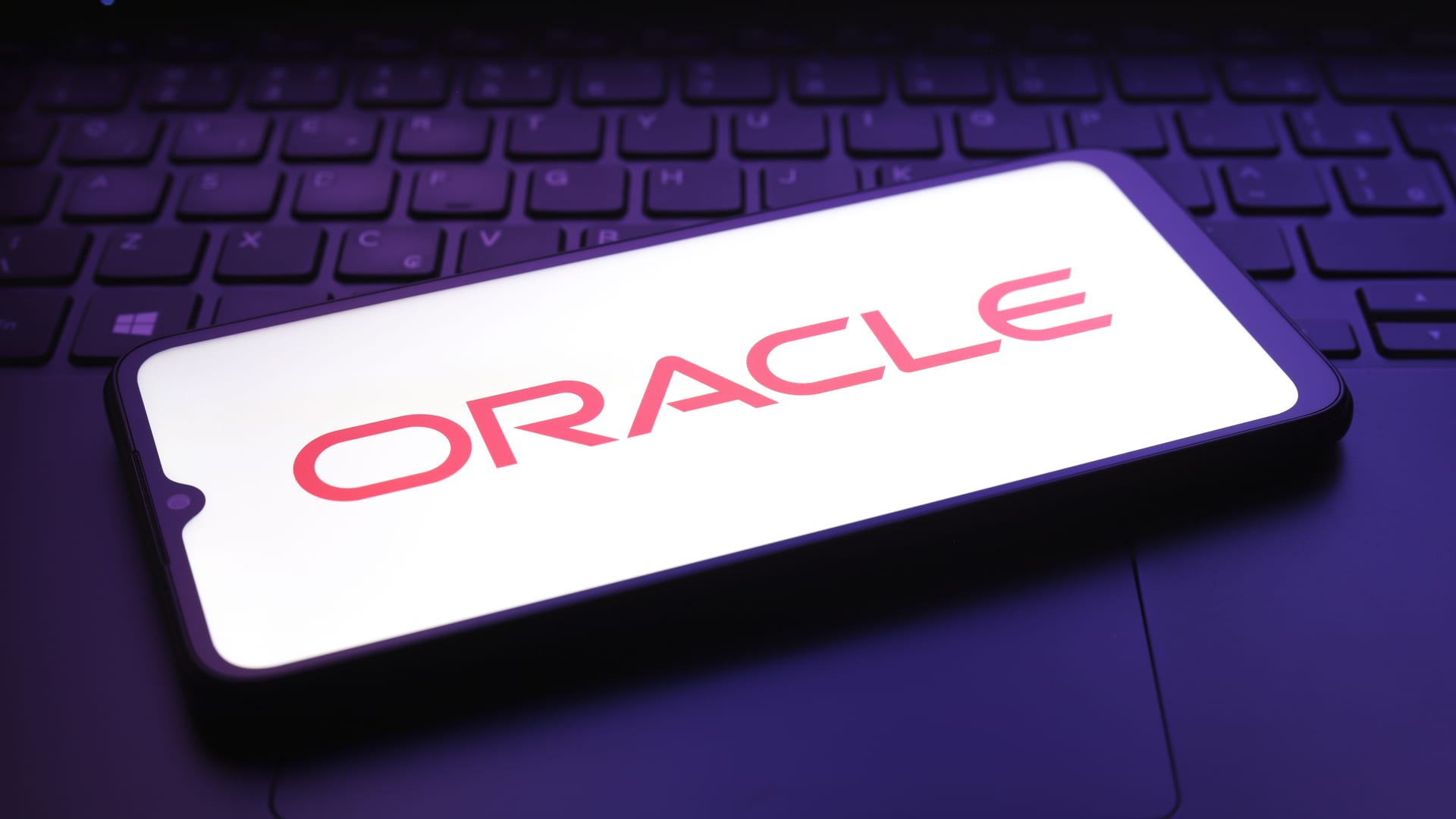
- Incident Overview: Oracle's office in Dubai was damaged by debris from an aerial interception, although no injuries were reported, highlighting the escalating tensions in the Middle East.
- Escalating Security Threats: Iran's Revolutionary Guard has designated 18 tech companies, including Oracle, as 'legitimate targets' in retaliation for U.S. and Israeli strikes, indicating the increasing significance of tech assets in conflicts.
- Industry Impact: James Henderson, CEO of risk management firm Healix, noted that the threats against tech companies are part of a sustained pattern, suggesting that future crises may target data centers and cloud platforms as much as traditional strategic sites.
- Historical Context: In March, Iran attacked Amazon Web Services data centers, causing outages in several apps and digital services in the UAE, underscoring the serious cybersecurity landscape in the region.

Iran Threatens Attacks on U.S. Tech Firms Including Oracle

- Incident Overview: Oracle's building in Dubai sustained minor damage from debris due to an aerial interception, with no injuries reported; however, this incident highlights escalating tensions in the Middle East that could impact Oracle's operational safety in the region.
- Threats to Tech Companies: Iran's Revolutionary Guard has designated 18 U.S. tech firms, including Oracle, as 'legitimate targets' in retaliation for U.S. and Israeli strikes, which raises the operational risks for these companies in the Middle East.
- Rising Cybersecurity Risks: As threats against tech companies escalate, risk management expert James Henderson notes that tech assets are now viewed as integral to the conflict, suggesting future attacks may target data centers and cloud platforms, increasing security vulnerabilities in the industry.
- Historical Context: Iran previously attacked Amazon Web Services data centers in early March, causing outages in various apps and digital services in the UAE, and a repeat of such incidents could severely impact Oracle and other tech firms' operations.

Emerging Tech Stars in the Market
- TSMC's AI Potential: Taiwan Semiconductor Manufacturing (TSM), a global leader in chip manufacturing, holds a market cap of $1.8 trillion and is poised to benefit from broad market demand in AI chip production, particularly in smartphones and personal computers over the coming years.
- Broadcom's Custom Chip Advantage: Broadcom (AVGO) forecasts over $100 billion in AI chip revenue by 2027, successfully carving out a niche in the AI market with its custom chips designed for specific tasks, reflecting strong customer demand and market potential.
- Nebius Group's Rapid Growth: Nebius Group (NBIS) focuses on AI workloads, achieving annual recurring revenue of $1.25 billion in the recent year, with expectations to rise to $7 billion to $9 billion this year, showcasing its strong growth potential in the cloud computing sector.
- Market Environment Challenges: Despite concerns about the economy and geopolitical factors affecting the Magnificent Seven tech stocks, emerging companies like TSMC, Broadcom, and Nebius Group demonstrate robust growth potential, positioning themselves as future market leaders.

Future Outlook for the Magnificent Seven Tech Stocks

- Tech Stock Performance Review: The remarkable growth of the S&P 500 over the past few years is partly attributed to the 'Magnificent Seven' tech stocks—Apple, Alphabet, Amazon, Meta Platforms, Microsoft, Nvidia, and Tesla—which have become household names due to their impressive growth.
- AI Market Concerns: Despite their strong past performance, these tech giants have recently faced stagnation or declines in stock prices amid concerns about the artificial intelligence (AI) revenue opportunities and uncertainties in the economic and geopolitical landscape, reflecting market caution regarding future growth.
- Potential Replacement Stocks: In light of the challenges facing the 'Magnificent Seven', Taiwan Semiconductor Manufacturing, Broadcom, and Nebius Group are seen as potential replacements, with TSMC playing a crucial role in AI chip manufacturing and Nebius focusing on AI workloads, indicating strong growth potential.
- Nebius Group Growth Expectations: Nebius Group's annual recurring revenue reached $1.25 billion in the recent year, with expectations to grow to between $7 billion and $9 billion in the coming year, highlighting its strong demand and growth prospects in the AI market.
Microsoft Adjusts Copilot Sales Strategy Amid Analyst Feedback
- Sales Strategy Adjustment: Microsoft has revamped its sales strategy for the Microsoft 365 Copilot after analyst feedback, aiming to increase corporate user adoption, with only 15 million seats currently representing 3% of standard bundle seats.
- Quarterly Goals Achieved: The company set ambitious targets for the March quarter and successfully met them, indicating potential in AI product sales despite facing intense market competition.
- Market Reaction: Although Microsoft's stock fell 23% in Q1, the company has ramped up investments in data centers to support cloud customers like OpenAI, reflecting long-term confidence in AI products.
- Future Outlook: Executives express strong confidence in the upcoming June quarter targets, anticipating continued growth in Copilot adoption, even as analysts note that current user growth remains in its nascent stages.
The Magnificent Seven Tech Stocks Face Challenges
- Market Performance Decline: The Magnificent Seven tech stocks, which have excelled in the market over the past few years, have recently faced declines or stagnation due to concerns about AI revenue opportunities and uncertainties in the economic and geopolitical landscape, impacting investor confidence.
- AI Chip Market Outlook: While Nvidia leads the AI chip market, Taiwan Semiconductor Manufacturing, as its chip manufacturer, is expected to play a significant role in future AI growth due to its diversified product line and broad market demand, thereby expanding its market opportunities.
- Broadcom's Growth Potential: Broadcom forecasts AI chip revenue exceeding $100 billion by 2027, successfully meeting strong customer demand with its custom chips, indicating robust growth potential in the AI sector.
- Nebius's Rapid Growth: Nebius Group excels in the AI cloud services space, achieving annual recurring revenue of $1.25 billion, with expectations to grow to $7 billion to $9 billion this year, showcasing its competitiveness and future growth potential in the rapidly expanding AI market.
Oracle's Dubai Office Damaged Amid Rising Tensions in the Middle East
- Incident Overview: Oracle's office in Dubai was damaged by debris from an aerial interception, although no injuries were reported, highlighting the escalating tensions in the Middle East.
- Escalating Security Threats: Iran's Revolutionary Guard has designated 18 tech companies, including Oracle, as 'legitimate targets' in retaliation for U.S. and Israeli strikes, indicating the increasing significance of tech assets in conflicts.
- Industry Impact: James Henderson, CEO of risk management firm Healix, noted that the threats against tech companies are part of a sustained pattern, suggesting that future crises may target data centers and cloud platforms as much as traditional strategic sites.
- Historical Context: In March, Iran attacked Amazon Web Services data centers, causing outages in several apps and digital services in the UAE, underscoring the serious cybersecurity landscape in the region.
Iran Threatens Attacks on U.S. Tech Firms Including Oracle
- Incident Overview: Oracle's building in Dubai sustained minor damage from debris due to an aerial interception, with no injuries reported; however, this incident highlights escalating tensions in the Middle East that could impact Oracle's operational safety in the region.
- Threats to Tech Companies: Iran's Revolutionary Guard has designated 18 U.S. tech firms, including Oracle, as 'legitimate targets' in retaliation for U.S. and Israeli strikes, which raises the operational risks for these companies in the Middle East.
- Rising Cybersecurity Risks: As threats against tech companies escalate, risk management expert James Henderson notes that tech assets are now viewed as integral to the conflict, suggesting future attacks may target data centers and cloud platforms, increasing security vulnerabilities in the industry.
- Historical Context: Iran previously attacked Amazon Web Services data centers in early March, causing outages in various apps and digital services in the UAE, and a repeat of such incidents could severely impact Oracle and other tech firms' operations.
Emerging Tech Stars in the Market
- TSMC's AI Potential: Taiwan Semiconductor Manufacturing (TSM), a global leader in chip manufacturing, holds a market cap of $1.8 trillion and is poised to benefit from broad market demand in AI chip production, particularly in smartphones and personal computers over the coming years.
- Broadcom's Custom Chip Advantage: Broadcom (AVGO) forecasts over $100 billion in AI chip revenue by 2027, successfully carving out a niche in the AI market with its custom chips designed for specific tasks, reflecting strong customer demand and market potential.
- Nebius Group's Rapid Growth: Nebius Group (NBIS) focuses on AI workloads, achieving annual recurring revenue of $1.25 billion in the recent year, with expectations to rise to $7 billion to $9 billion this year, showcasing its strong growth potential in the cloud computing sector.
- Market Environment Challenges: Despite concerns about the economy and geopolitical factors affecting the Magnificent Seven tech stocks, emerging companies like TSMC, Broadcom, and Nebius Group demonstrate robust growth potential, positioning themselves as future market leaders.
Future Outlook for the Magnificent Seven Tech Stocks
- Tech Stock Performance Review: The remarkable growth of the S&P 500 over the past few years is partly attributed to the 'Magnificent Seven' tech stocks—Apple, Alphabet, Amazon, Meta Platforms, Microsoft, Nvidia, and Tesla—which have become household names due to their impressive growth.
- AI Market Concerns: Despite their strong past performance, these tech giants have recently faced stagnation or declines in stock prices amid concerns about the artificial intelligence (AI) revenue opportunities and uncertainties in the economic and geopolitical landscape, reflecting market caution regarding future growth.
- Potential Replacement Stocks: In light of the challenges facing the 'Magnificent Seven', Taiwan Semiconductor Manufacturing, Broadcom, and Nebius Group are seen as potential replacements, with TSMC playing a crucial role in AI chip manufacturing and Nebius focusing on AI workloads, indicating strong growth potential.
- Nebius Group Growth Expectations: Nebius Group's annual recurring revenue reached $1.25 billion in the recent year, with expectations to grow to between $7 billion and $9 billion in the coming year, highlighting its strong demand and growth prospects in the AI market.