Trump Announces $23 Billion Arms Sales to Gulf Nations
Written by Emily J. Thompson, Senior Investment Analyst
Updated: 2 days ago
0mins
Should l Buy CAAS?
Source: CNBC
- Scale of Arms Sales: The Trump administration is advancing approximately $23 billion in arms sales to the UAE, Kuwait, and Jordan, aimed at bolstering their defenses amid escalating Middle East conflicts, highlighting U.S. commitment to regional security.
- Investment in Air Defense: Over $16 billion of the deal is allocated for air-defense systems, munitions, and radar equipment, enhancing the military capabilities of these nations and improving interoperability with U.S. Joint Forces and other regional forces.
- Emergency Clause Utilization: The U.S. government invoked the emergency clause of arms control law for some transactions, allowing them to proceed without the standard 30-day congressional review, reflecting an urgent need to address regional security threats.
- Future Threat Preparedness: The arms sales not only enhance the Gulf nations' capabilities to meet current and future threats but also include $5.6 billion worth of Patriot PAC-3 missiles and approximately $1.32 billion in CH-47 helicopters, further solidifying U.S. strategic influence in the region.
Trade with 70% Backtested Accuracy
Stop guessing "Should I Buy CAAS?" and start using high-conviction signals backed by rigorous historical data.
Sign up today to access powerful investing tools and make smarter, data-driven decisions.
Analyst Views on CAAS
About CAAS
China Automotive Systems Inc is a holding company principally engaged in the manufacture and sale of automotive systems and components. The Company’s main products include rack and pinion power steering, integral power steering, electronic power steering and manual steering, steering columns, steering oil pumps and steering hoses. The Company's major customers include FAW Group, Dongfeng Auto Group Co., Ltd, BYD Auto Co., Ltd, as well as Stellar Group and Ford Motor Company in North America. The Company primarily operates its businesses in the domestic and overseas markets.
About the author

Emily J. Thompson
Emily J. Thompson, a Chartered Financial Analyst (CFA) with 12 years in investment research, graduated with honors from the Wharton School. Specializing in industrial and technology stocks, she provides in-depth analysis for Intellectia’s earnings and market brief reports.
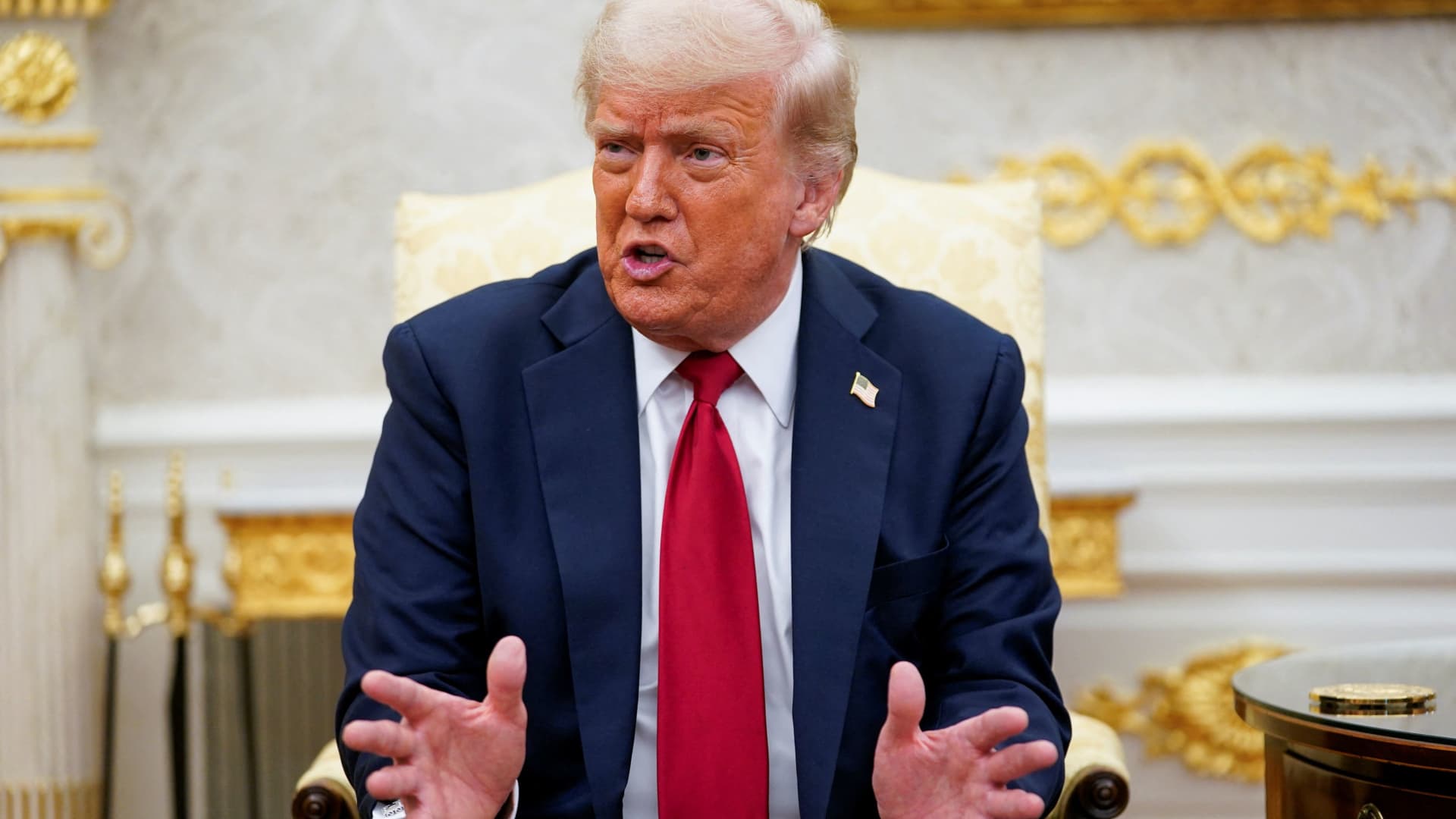
Trump Announces $23 Billion Arms Sales to Gulf Nations


- Scale of Arms Sales: The Trump administration is advancing approximately $23 billion in arms sales to the UAE, Kuwait, and Jordan, aimed at bolstering their defenses amid escalating Middle East conflicts, highlighting U.S. commitment to regional security.
- Investment in Air Defense: Over $16 billion of the deal is allocated for air-defense systems, munitions, and radar equipment, enhancing the military capabilities of these nations and improving interoperability with U.S. Joint Forces and other regional forces.
- Emergency Clause Utilization: The U.S. government invoked the emergency clause of arms control law for some transactions, allowing them to proceed without the standard 30-day congressional review, reflecting an urgent need to address regional security threats.
- Future Threat Preparedness: The arms sales not only enhance the Gulf nations' capabilities to meet current and future threats but also include $5.6 billion worth of Patriot PAC-3 missiles and approximately $1.32 billion in CH-47 helicopters, further solidifying U.S. strategic influence in the region.
See More
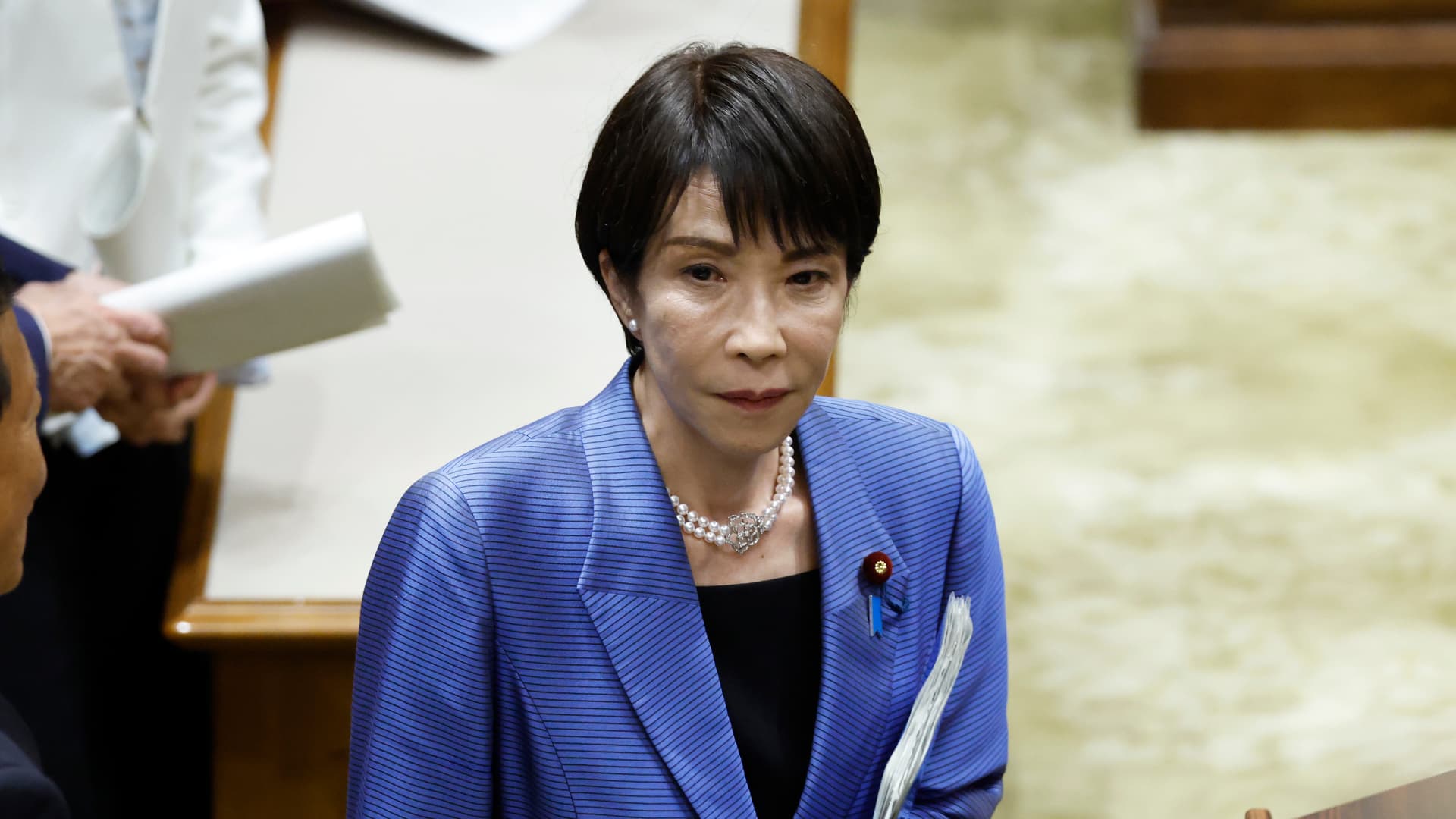
Japan's Prime Minister's Taiwan Remarks Spark Controversy

- Consistency in Policy: Prime Minister Sanae Takaichi stated in parliament that her remarks regarding Taiwan were not intended to signal a significant policy shift, with Chief Cabinet Secretary Minoru Kihara reaffirming Tokyo's consistent stance, aiming to stabilize both domestic and international confidence in Japan's position on Taiwan.
- Strong Chinese Reaction: Takaichi's comments provoked a fierce response from China, leading to a suspension of seafood imports from Japan and travel advisories for Chinese nationals, resulting in a sharp decline in Chinese tourist numbers, highlighting the potential economic impact of escalating tensions on Japan's tourism sector.
- Potential Military Intervention: By characterizing China's military threats to Taiwan as a
See More

Surge in India's Gold Loan Market Driven by Households' $5 Trillion Reserves


- Gold Loan Surge: Indian households possess over 34,000 tons of gold valued at approximately $5 trillion, driving rapid growth in the gold loan industry, which is becoming a significant part of the retail credit market.
- Doubling Loan Volume: RBI data shows gold loans more than doubled in one year to 4 trillion rupees ($43.3 billion), making it the largest retail loan segment after home and vehicle loans.
- International Investor Interest: Global private equity firm Bain Capital plans to acquire a 41.7% stake in Manappuram Finance, indicating strong confidence and market potential in India's traditional assets from international investors.
- Credit Accessibility: Most non-banking financial companies (NBFCs) can disburse loans within an hour of customer arrival, allowing even borrowers with poor credit scores to access loans at better rates, reflecting the maturity of the financial market.
See More
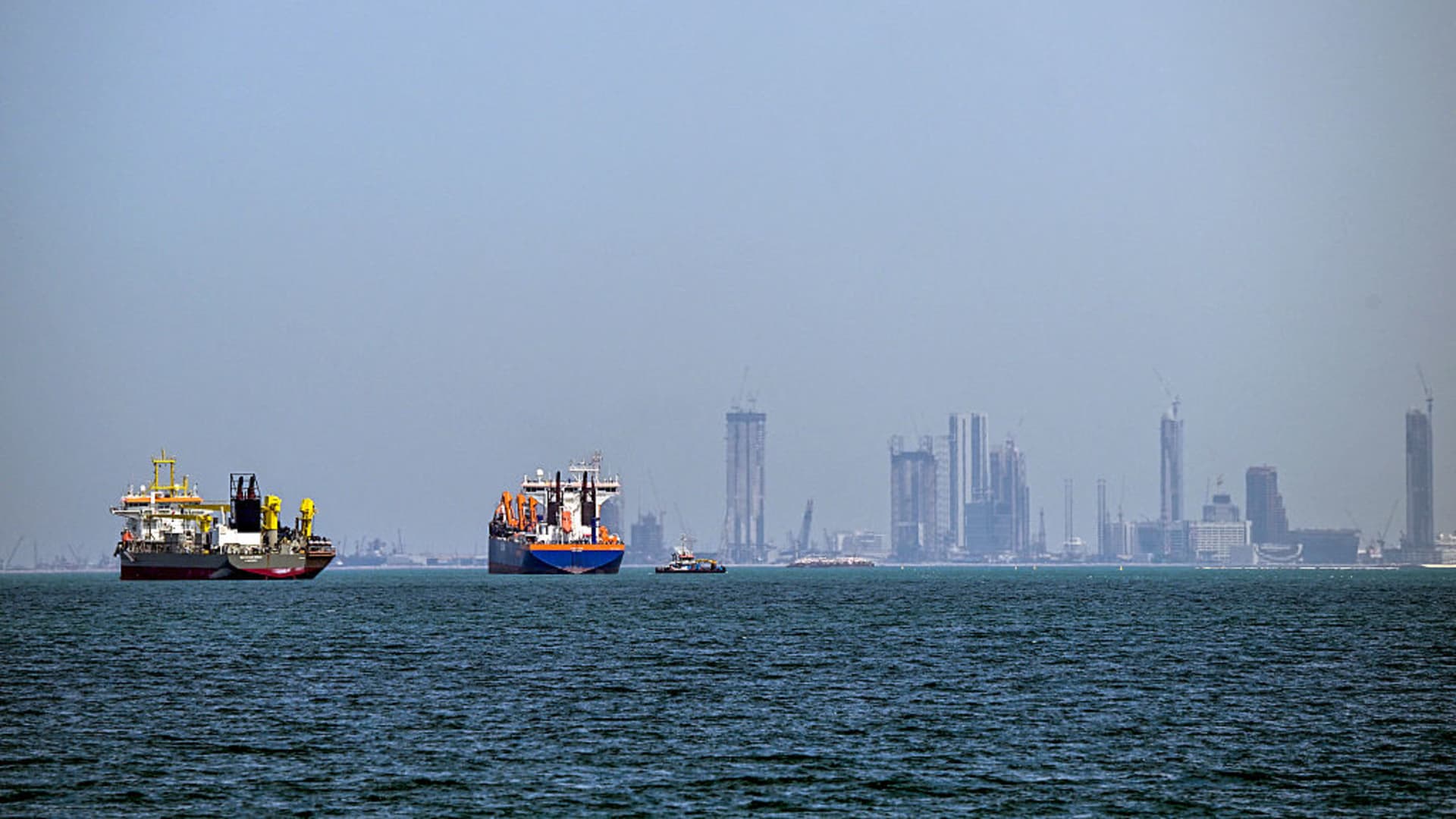
Strait of Hormuz Blockade Raises Global Oil Supply Concerns
- Shipping Traffic Plummets: Since the onset of the conflict on February 28, only 21 tankers have transited the Strait of Hormuz, a drastic drop from over 100 daily before the war, potentially leading to soaring global oil prices and a supply crisis.
- Chinese Vessel Transit: During the conflict, 11 China-linked vessels successfully navigated the Strait, despite state-owned Cosco Shipping suspending new bookings, indicating a strategic shift in China's shipping approach to mitigate risks in the region.
- Random Attacks Heighten Uncertainty: The International Maritime Organization reports that at least 16 vessels have been struck near the UAE and Iraq, with attacks lacking a discernible pattern, increasing shipping uncertainty and forcing shipowners to seek alternative routes.
- Congestion on Alternative Routes: At the war's onset, 81 container ships were bound for the Strait, with 43 rerouting to other ports, causing significant congestion in alternative hubs like Fujairah and Sohar, thereby impacting global supply chain efficiency.
See More
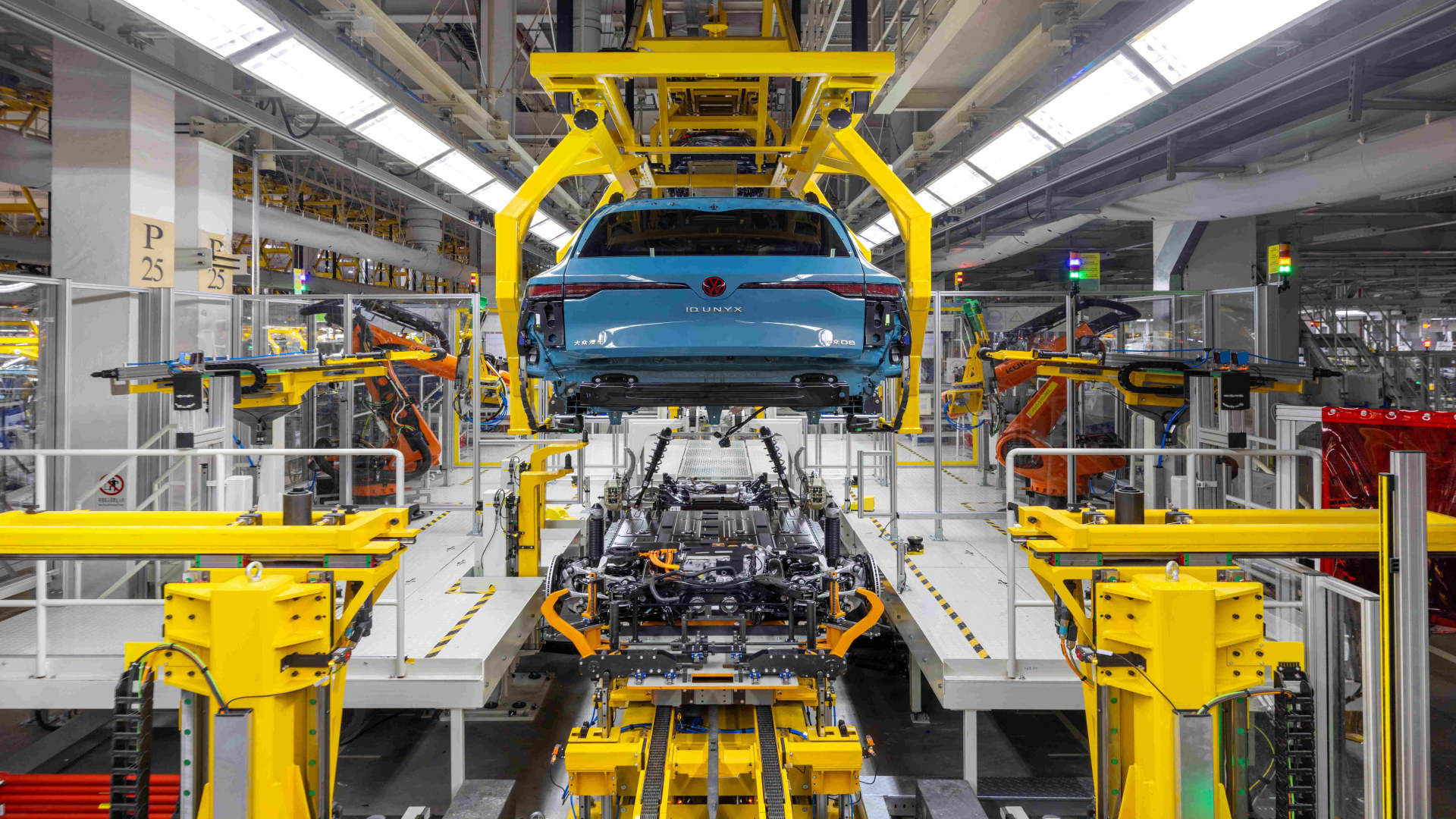
Volkswagen Begins Production of First All-Electric SUV


- Production Launch: Volkswagen commenced production of its first all-electric SUV, the ID. UNYX 08, on March 13, 2026, in Hefei, utilizing Xpeng's Turing chip, which signifies a crucial advancement in its electric vehicle strategy aimed at enhancing competitiveness in the Chinese market.
- Delivery Timeline: The ID. UNYX 08 is set to begin deliveries by the end of June, equipped with L2 advanced driver-assist technology that aids drivers in navigating highways and urban streets, thereby increasing consumer demand for smart electric vehicles.
- Future Technology Plans: Volkswagen anticipates that its vehicles in China will achieve L3 autonomous driving capabilities within two years, allowing drivers to take their hands off the wheel under specific conditions, which will shift liability for accidents from drivers to manufacturers, enhancing consumer trust.
- Market Strategy Adjustment: Following a business overhaul in 2023, Volkswagen plans to launch 20 new electric models in 2026 and aims for a total of 50 new models by 2030, demonstrating a strong commitment to the Chinese market and a focus on electrification transformation.
See More
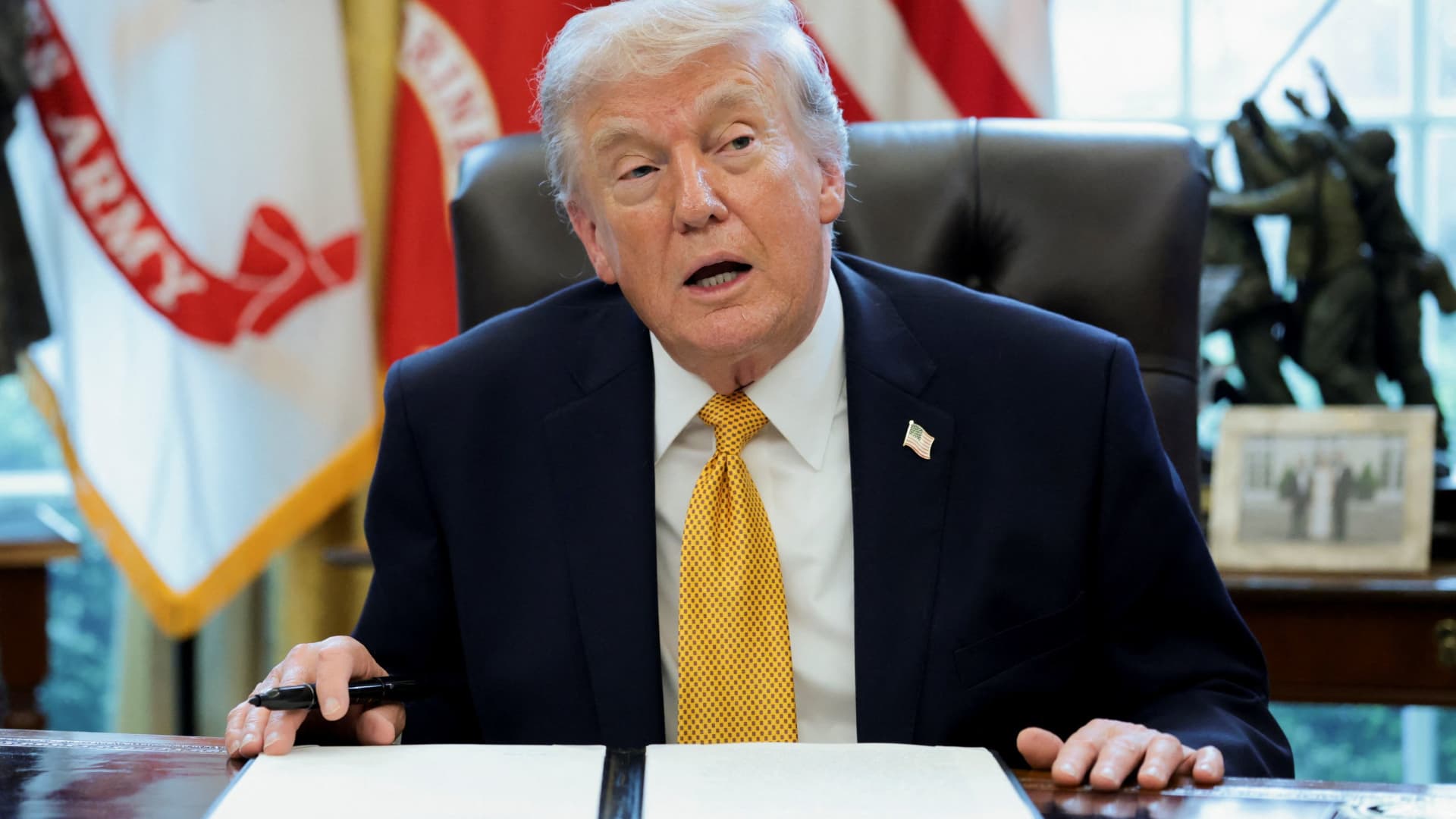
Trump Delays Meeting with Xi Jinping

- Meeting Postponed: Trump announced that the U.S. has requested to delay his planned meeting with Chinese President Xi Jinping, originally set for late March in Beijing, by about a month due to the ongoing war with Iran, highlighting the impact of current international tensions on diplomatic engagements.
- War Impact: Trump emphasized the need to remain in the U.S. due to the war, expressing a desire to resolve tensions with Iran before meeting Xi, which indicates the prioritization of domestic issues in U.S. foreign policy considerations.
- China's Role: Trump mentioned that China, as a major buyer of Iranian oil, should assist the U.S. in breaking the de facto blockade of the Strait of Hormuz, reflecting expectations for a more proactive Chinese role in Middle Eastern affairs.
- Official Clarification: Senior officials clarified that the postponement is primarily for logistical reasons rather than a demand for China to intervene in the Strait of Hormuz, which helps mitigate misunderstandings regarding U.S. diplomatic strategies.
See More
Trump Announces $23 Billion Arms Sales to Gulf Nations
- Scale of Arms Sales: The Trump administration is advancing approximately $23 billion in arms sales to the UAE, Kuwait, and Jordan, aimed at bolstering their defenses amid escalating Middle East conflicts, highlighting U.S. commitment to regional security.
- Investment in Air Defense: Over $16 billion of the deal is allocated for air-defense systems, munitions, and radar equipment, enhancing the military capabilities of these nations and improving interoperability with U.S. Joint Forces and other regional forces.
- Emergency Clause Utilization: The U.S. government invoked the emergency clause of arms control law for some transactions, allowing them to proceed without the standard 30-day congressional review, reflecting an urgent need to address regional security threats.
- Future Threat Preparedness: The arms sales not only enhance the Gulf nations' capabilities to meet current and future threats but also include $5.6 billion worth of Patriot PAC-3 missiles and approximately $1.32 billion in CH-47 helicopters, further solidifying U.S. strategic influence in the region.
See More
Japan's Prime Minister's Taiwan Remarks Spark Controversy
- Consistency in Policy: Prime Minister Sanae Takaichi stated in parliament that her remarks regarding Taiwan were not intended to signal a significant policy shift, with Chief Cabinet Secretary Minoru Kihara reaffirming Tokyo's consistent stance, aiming to stabilize both domestic and international confidence in Japan's position on Taiwan.
- Strong Chinese Reaction: Takaichi's comments provoked a fierce response from China, leading to a suspension of seafood imports from Japan and travel advisories for Chinese nationals, resulting in a sharp decline in Chinese tourist numbers, highlighting the potential economic impact of escalating tensions on Japan's tourism sector.
- Potential Military Intervention: By characterizing China's military threats to Taiwan as a
See More
Surge in India's Gold Loan Market Driven by Households' $5 Trillion Reserves
- Gold Loan Surge: Indian households possess over 34,000 tons of gold valued at approximately $5 trillion, driving rapid growth in the gold loan industry, which is becoming a significant part of the retail credit market.
- Doubling Loan Volume: RBI data shows gold loans more than doubled in one year to 4 trillion rupees ($43.3 billion), making it the largest retail loan segment after home and vehicle loans.
- International Investor Interest: Global private equity firm Bain Capital plans to acquire a 41.7% stake in Manappuram Finance, indicating strong confidence and market potential in India's traditional assets from international investors.
- Credit Accessibility: Most non-banking financial companies (NBFCs) can disburse loans within an hour of customer arrival, allowing even borrowers with poor credit scores to access loans at better rates, reflecting the maturity of the financial market.
See More
Strait of Hormuz Blockade Raises Global Oil Supply Concerns
- Shipping Traffic Plummets: Since the onset of the conflict on February 28, only 21 tankers have transited the Strait of Hormuz, a drastic drop from over 100 daily before the war, potentially leading to soaring global oil prices and a supply crisis.
- Chinese Vessel Transit: During the conflict, 11 China-linked vessels successfully navigated the Strait, despite state-owned Cosco Shipping suspending new bookings, indicating a strategic shift in China's shipping approach to mitigate risks in the region.
- Random Attacks Heighten Uncertainty: The International Maritime Organization reports that at least 16 vessels have been struck near the UAE and Iraq, with attacks lacking a discernible pattern, increasing shipping uncertainty and forcing shipowners to seek alternative routes.
- Congestion on Alternative Routes: At the war's onset, 81 container ships were bound for the Strait, with 43 rerouting to other ports, causing significant congestion in alternative hubs like Fujairah and Sohar, thereby impacting global supply chain efficiency.
See More
Volkswagen Begins Production of First All-Electric SUV
- Production Launch: Volkswagen commenced production of its first all-electric SUV, the ID. UNYX 08, on March 13, 2026, in Hefei, utilizing Xpeng's Turing chip, which signifies a crucial advancement in its electric vehicle strategy aimed at enhancing competitiveness in the Chinese market.
- Delivery Timeline: The ID. UNYX 08 is set to begin deliveries by the end of June, equipped with L2 advanced driver-assist technology that aids drivers in navigating highways and urban streets, thereby increasing consumer demand for smart electric vehicles.
- Future Technology Plans: Volkswagen anticipates that its vehicles in China will achieve L3 autonomous driving capabilities within two years, allowing drivers to take their hands off the wheel under specific conditions, which will shift liability for accidents from drivers to manufacturers, enhancing consumer trust.
- Market Strategy Adjustment: Following a business overhaul in 2023, Volkswagen plans to launch 20 new electric models in 2026 and aims for a total of 50 new models by 2030, demonstrating a strong commitment to the Chinese market and a focus on electrification transformation.
See More
Trump Delays Meeting with Xi Jinping
- Meeting Postponed: Trump announced that the U.S. has requested to delay his planned meeting with Chinese President Xi Jinping, originally set for late March in Beijing, by about a month due to the ongoing war with Iran, highlighting the impact of current international tensions on diplomatic engagements.
- War Impact: Trump emphasized the need to remain in the U.S. due to the war, expressing a desire to resolve tensions with Iran before meeting Xi, which indicates the prioritization of domestic issues in U.S. foreign policy considerations.
- China's Role: Trump mentioned that China, as a major buyer of Iranian oil, should assist the U.S. in breaking the de facto blockade of the Strait of Hormuz, reflecting expectations for a more proactive Chinese role in Middle Eastern affairs.
- Official Clarification: Senior officials clarified that the postponement is primarily for logistical reasons rather than a demand for China to intervene in the Strait of Hormuz, which helps mitigate misunderstandings regarding U.S. diplomatic strategies.
See More