Trump Administration Injects $150M into xLight

Catch up on the top industries and stocks that were impacted, or were predicted to be impacted, by the comments, actions and policies of President Donald Trump with this daily recap compiled by The Fly.XLIGHT STAKE:The Trump administration has agreed to inject up to $150M into xLight, which makes lasers for EUV machines and has former IntelCEO Pat Gelsinger on its board, for an equity stake, The Wall Street Journal's Amrith Ramkumar and Robbie Whelan. ASMLis currently the only global producer of EUV machines, which can cost hundreds of millions of dollars each.AMICABLE SETTLEMENT:Trump Media and Technologyannounced that Trump Media and United Atlantic Ventures reached an "amicable" settlement of their dispute and all claims by Trump Media against United Atlantic Ventures have been mutually resolved.NEW DOD AWARD:Immuronannounced a new research agreement with the Naval Medical Research Command -NMRC - and the Walter Reed Army Institute of Research, or WRAIR, Silver Spring, MD, USA funded by a U.S. Department of Defense subaward.The Naval Medical Research Command and the Walter Reed Army Institute of Research, in collaboration with Immuron, are progressing the development of novel vaccines targeting Campylobacter jejuni and Shigella sonnei. Under a recently executed collaborative research agreement with the Henry M. Jackson Foundation, new vaccine preparations against these pathogens have been developed and formulated at the military research institutes and subsequently provided to Immuron.Immuron will produce two hyper-immune bovine colostrum products for pre-clinical evaluation, with the objective of advancing a combined colostrum-based therapeutic specifically designed for the U.S. military. Also, the Uniformed Services University topline results from its clinical trial evaluating the effectiveness of enterotoxigenic E. coli hyperimmune bovine colostrum in maintaining gut health during deployment and travel are anticipated to be announced at the end of next week. In P2TD study, IMM-124E - the active ingredient in Travelan - was delivered in 600 mg powder sachets and administered twice daily in a randomized, placebo-controlled trial.Infectious diarrhea is the most common illness reported by travelers visiting developing countries and among U.S. troops deployed overseas. In the last decade, several enteric pathogens have an increasing resistance to commonly prescribed antibiotics.
Trade with 70% Backtested Accuracy
Analyst Views on INTC

About INTC
About the author

Intel's 18A Manufacturing Process Enters Risk Production Amid Strong Demand

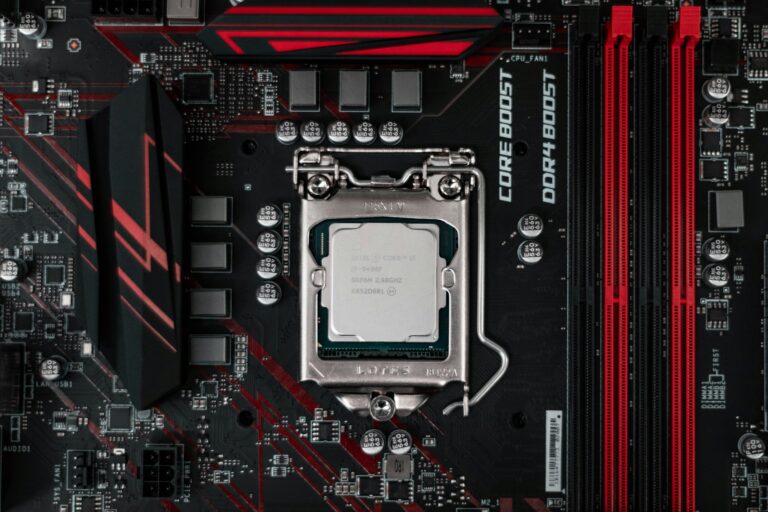
- New Process Launch: Intel announced that its 18A manufacturing process has entered risk production, indicating the company's commitment to manufacturing and potentially attracting external customer interest, thereby enhancing its market competitiveness.
- Performance Improvement: Compared to 18A, the 18A-P delivers a 9% performance increase at the same power level or an 18% reduction in power consumption at the same processing speed, which will enhance product market appeal and meet customer demand for high-performance chips.
- Strong Customer Demand: In the first quarter, demand for Intel's central processors surged, particularly from companies offering AI services, leading to sales of chips that were originally slated for write-off, demonstrating strong market demand for its products.
- Revenue Forecast Upgrade: Intel forecasts second-quarter revenue between $13.8 billion and $14.8 billion, exceeding the market estimate of $13.07 billion, reflecting the company's robust performance in the rapidly growing AI market.

Market Volatility Leads to Divergent Stock Performances


- Overbought Stocks: This week, Applied Materials and Western Digital saw gains of nearly 9% and 33%, respectively, with relative strength indices (RSI) of 77 and 78 indicating overbought conditions, suggesting potential pullback risks that investors should consider.
- Rating Upgrade Impact: Citi reiterated its buy rating on Applied Materials and raised its price target to $710, implying a 15% upside from Thursday's closing price, reflecting market optimism about the stock's future performance.
- Earnings Miss Dragging Down: Accenture's stock fell nearly 25% this week, with an RSI of 23, after reporting third-quarter revenue of $18.72 billion, which was below market expectations, alongside a decline in new bookings, leading to diminished confidence in its growth prospects.
- Acquisition Financing Challenges: Fox Corporation announced its acquisition of Roku for $160 per share, totaling approximately $22 billion, and while securing a $12 billion loan, concerns over its financing strategy may impact stock performance moving forward.

Qualcomm CEO Envisions Future of AI Devices


- Rise of AI Assistants: Qualcomm CEO Cristiano Amon stated that future AI assistants will integrate multiple applications to enhance user experience, potentially replacing traditional apps and driving a comprehensive transformation of smart devices.
- Potential of Smart Glasses: Amon is optimistic about the prospects of smart glasses, believing their market size could rival that of smartphones, which saw over 1.2 billion units shipped last year, indicating a significant market opportunity.
- Diverse AI Device Designs: Qualcomm is developing over 40 different AI devices, including jewelry, earbuds, and watches, all designed to revolve around AI assistants, aiming to provide a richer user interaction experience.
- Balancing Privacy and Functionality: As AI assistants become more prevalent, Amon emphasized that privacy concerns will be a critical challenge, with success hinging on finding the right balance between functionality and user privacy.

Qualcomm CEO Discusses New AI Agent Devices
- Rise of AI Agents: Qualcomm CEO Amon stated that AI agents will become the new apps, with over 40 different AI device designs in development, including earbuds, jewelry, and smart glasses, which are expected to transform user interaction with technology, enhancing user experience and market competitiveness.
- Potential of Smart Glasses: Amon is optimistic about smart glasses, believing their future market size could rival that of smartphones, which saw over 1.2 billion units shipped last year, indicating significant potential for smart glasses in the consumer electronics sector.
- Balancing Privacy and Functionality: As AI agents become more prevalent, user privacy concerns will be critical; Amon emphasized the need to manage privacy protection while providing convenience to ensure user trust and acceptance.
- Transformation of Device Ecosystem: Amon noted that future devices will revolve around AI agents, potentially challenging the market dominance of Apple and Samsung, driving a new wave of technological innovation and market competition.

Nvidia's AI Market Outlook Remains Positive

- Sustained Demand: Despite supply constraints, CEO Jensen Huang indicates that demand continues to outpace supply, particularly with the launch of the Vera Rubin platform and preparations for the agentic AI revolution, underscoring the company's strong position in the AI industry.
- Strong Earnings Support: Following Nvidia's robust first-quarter fiscal year 2027 results, the management's expectation of $1 trillion in orders by 2027, despite a recent stock price decline, reflects ongoing market confidence and demand for its products.
- CPU Market Potential: Nvidia anticipates $20 billion in stand-alone CPU revenue, highlighting its potential to capture significant market share in the $200 billion addressable CPU market driven by the rise of agentic AI, which could further boost revenue and earnings growth.
- Long-Term Investment Opportunity: With Nvidia's stock price climbing over 1,000% in the past five years, the company's leadership in both GPU and CPU markets, along with positive growth expectations, suggests that now remains a favorable time to invest in Nvidia.
Nvidia's Strong AI Demand and Optimistic Outlook
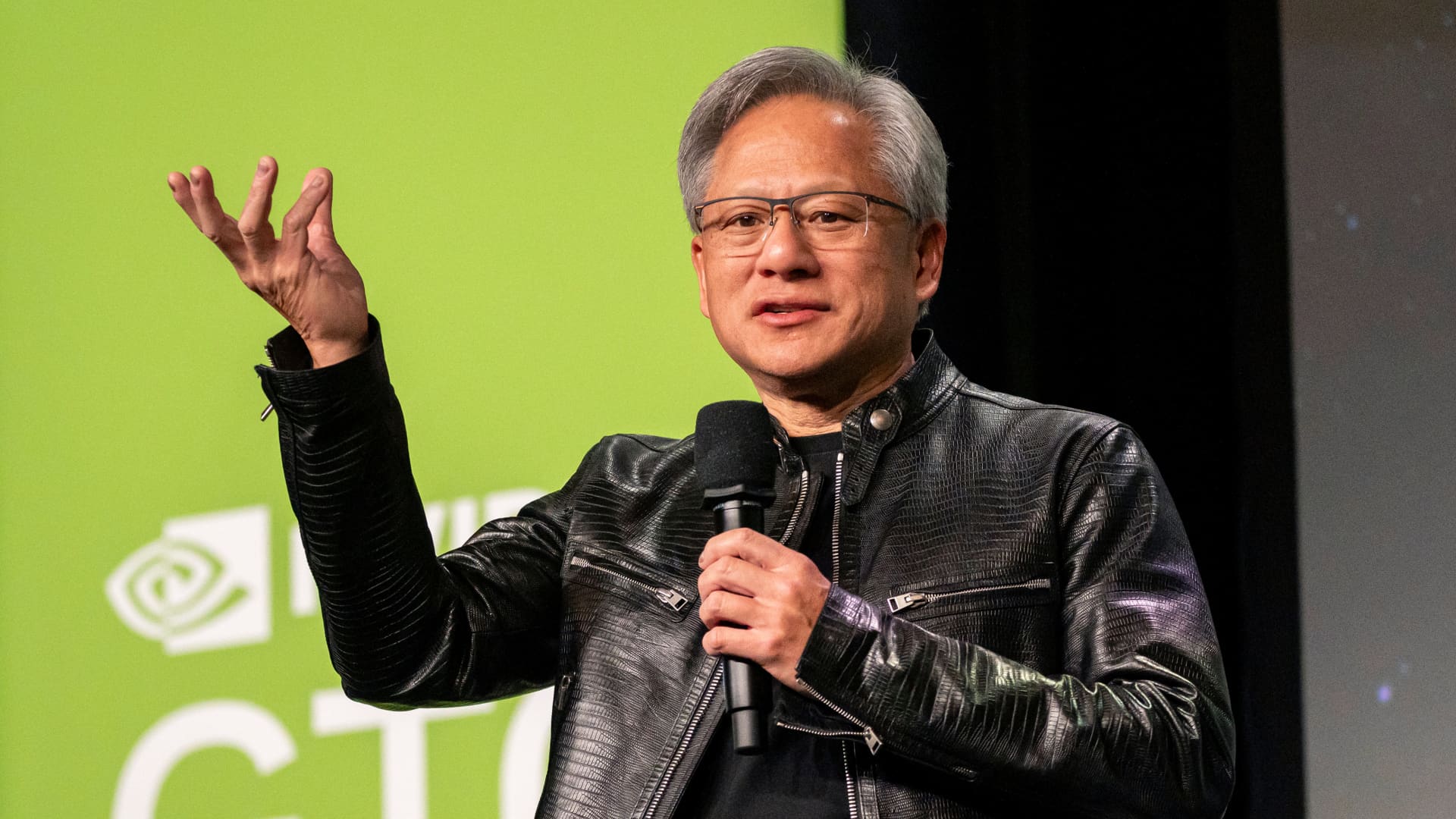
- Sustained Demand: Despite concerns that demand for Nvidia's GPUs may cool, CEO Jensen Huang indicates that demand remains strong, with expectations of $1 trillion in orders for the Blackwell and Vera Rubin platforms by 2027, underscoring the company's ongoing leadership in the AI sector.
- Supply Chain Challenges: Huang noted at Computex that while Nvidia is working to address supply constraints, challenges persist, highlighting the urgency and significance of the company's efforts to meet market demand.
- CPU Market Potential: Nvidia anticipates $20 billion in standalone CPU revenue by year-end, with a $200 billion addressable market in the CPU space due to the rise of agentic AI, indicating significant growth opportunities in this new market.
- Stock Performance: Although Nvidia's shares have surged over 1,000% in the past five years, investors are cautioned to be prudent, as the analyst team did not include it in the current list of top investment stocks.
Intel's 18A Manufacturing Process Enters Risk Production Amid Strong Demand
- New Process Launch: Intel announced that its 18A manufacturing process has entered risk production, indicating the company's commitment to manufacturing and potentially attracting external customer interest, thereby enhancing its market competitiveness.
- Performance Improvement: Compared to 18A, the 18A-P delivers a 9% performance increase at the same power level or an 18% reduction in power consumption at the same processing speed, which will enhance product market appeal and meet customer demand for high-performance chips.
- Strong Customer Demand: In the first quarter, demand for Intel's central processors surged, particularly from companies offering AI services, leading to sales of chips that were originally slated for write-off, demonstrating strong market demand for its products.
- Revenue Forecast Upgrade: Intel forecasts second-quarter revenue between $13.8 billion and $14.8 billion, exceeding the market estimate of $13.07 billion, reflecting the company's robust performance in the rapidly growing AI market.
Market Volatility Leads to Divergent Stock Performances
- Overbought Stocks: This week, Applied Materials and Western Digital saw gains of nearly 9% and 33%, respectively, with relative strength indices (RSI) of 77 and 78 indicating overbought conditions, suggesting potential pullback risks that investors should consider.
- Rating Upgrade Impact: Citi reiterated its buy rating on Applied Materials and raised its price target to $710, implying a 15% upside from Thursday's closing price, reflecting market optimism about the stock's future performance.
- Earnings Miss Dragging Down: Accenture's stock fell nearly 25% this week, with an RSI of 23, after reporting third-quarter revenue of $18.72 billion, which was below market expectations, alongside a decline in new bookings, leading to diminished confidence in its growth prospects.
- Acquisition Financing Challenges: Fox Corporation announced its acquisition of Roku for $160 per share, totaling approximately $22 billion, and while securing a $12 billion loan, concerns over its financing strategy may impact stock performance moving forward.
Qualcomm CEO Envisions Future of AI Devices
- Rise of AI Assistants: Qualcomm CEO Cristiano Amon stated that future AI assistants will integrate multiple applications to enhance user experience, potentially replacing traditional apps and driving a comprehensive transformation of smart devices.
- Potential of Smart Glasses: Amon is optimistic about the prospects of smart glasses, believing their market size could rival that of smartphones, which saw over 1.2 billion units shipped last year, indicating a significant market opportunity.
- Diverse AI Device Designs: Qualcomm is developing over 40 different AI devices, including jewelry, earbuds, and watches, all designed to revolve around AI assistants, aiming to provide a richer user interaction experience.
- Balancing Privacy and Functionality: As AI assistants become more prevalent, Amon emphasized that privacy concerns will be a critical challenge, with success hinging on finding the right balance between functionality and user privacy.
Qualcomm CEO Discusses New AI Agent Devices
- Rise of AI Agents: Qualcomm CEO Amon stated that AI agents will become the new apps, with over 40 different AI device designs in development, including earbuds, jewelry, and smart glasses, which are expected to transform user interaction with technology, enhancing user experience and market competitiveness.
- Potential of Smart Glasses: Amon is optimistic about smart glasses, believing their future market size could rival that of smartphones, which saw over 1.2 billion units shipped last year, indicating significant potential for smart glasses in the consumer electronics sector.
- Balancing Privacy and Functionality: As AI agents become more prevalent, user privacy concerns will be critical; Amon emphasized the need to manage privacy protection while providing convenience to ensure user trust and acceptance.
- Transformation of Device Ecosystem: Amon noted that future devices will revolve around AI agents, potentially challenging the market dominance of Apple and Samsung, driving a new wave of technological innovation and market competition.
Nvidia's AI Market Outlook Remains Positive
- Sustained Demand: Despite supply constraints, CEO Jensen Huang indicates that demand continues to outpace supply, particularly with the launch of the Vera Rubin platform and preparations for the agentic AI revolution, underscoring the company's strong position in the AI industry.
- Strong Earnings Support: Following Nvidia's robust first-quarter fiscal year 2027 results, the management's expectation of $1 trillion in orders by 2027, despite a recent stock price decline, reflects ongoing market confidence and demand for its products.
- CPU Market Potential: Nvidia anticipates $20 billion in stand-alone CPU revenue, highlighting its potential to capture significant market share in the $200 billion addressable CPU market driven by the rise of agentic AI, which could further boost revenue and earnings growth.
- Long-Term Investment Opportunity: With Nvidia's stock price climbing over 1,000% in the past five years, the company's leadership in both GPU and CPU markets, along with positive growth expectations, suggests that now remains a favorable time to invest in Nvidia.
Nvidia's Strong AI Demand and Optimistic Outlook
- Sustained Demand: Despite concerns that demand for Nvidia's GPUs may cool, CEO Jensen Huang indicates that demand remains strong, with expectations of $1 trillion in orders for the Blackwell and Vera Rubin platforms by 2027, underscoring the company's ongoing leadership in the AI sector.
- Supply Chain Challenges: Huang noted at Computex that while Nvidia is working to address supply constraints, challenges persist, highlighting the urgency and significance of the company's efforts to meet market demand.
- CPU Market Potential: Nvidia anticipates $20 billion in standalone CPU revenue by year-end, with a $200 billion addressable market in the CPU space due to the rise of agentic AI, indicating significant growth opportunities in this new market.
- Stock Performance: Although Nvidia's shares have surged over 1,000% in the past five years, investors are cautioned to be prudent, as the analyst team did not include it in the current list of top investment stocks.