Trimble Signs Agreement to Acquire Document Crunch
Trimble announced it has signed an agreement to acquire Document Crunch. The acquisition will allow Trimble to incorporate document intelligence and compliance automation across the Trimble Construction ecosystem. Financial terms were not disclosed.
Trade with 70% Backtested Accuracy
Analyst Views on TRMB

About TRMB
About the author


Trimble Acquires AI Document Analysis Platform Document Crunch

- Acquisition Announcement: Trimble Inc. has announced the acquisition of Document Crunch, a construction-focused AI document analysis and risk management platform, although the transaction amount remains undisclosed, this move is expected to enhance Trimble's technological capabilities in the construction sector.
- Risk Management Enhancement: Post-acquisition, Document Crunch will assist Trimble in identifying and neutralizing project risks such as payment disputes and notification failures, thereby improving efficiency and compliance in project management.
- Integration of Document Intelligence: The acquisition will enable Trimble to incorporate document intelligence and compliance automation across its construction ecosystem, optimizing existing workflows in project management and construction ERP systems, which will further enhance customer experience.
- Financial Impact: The transaction is anticipated to close in the second quarter of 2026, but Trimble has stated that it is not expected to have a material impact on its 2026 financial guidance, indicating the company's confidence in future growth.
Trimble Acquires Document Crunch to Enhance Risk Management Capabilities
- Acquisition Overview: Trimble has announced the acquisition of Document Crunch, focusing on AI document analysis and risk management in the construction sector, aiming to enhance workflows within the Trimble® Construction ecosystem through document intelligence and compliance automation.
- Market Validation: Document Crunch has been deployed on over 10,000 projects, addressing critical risk issues faced by contractors, such as payment disputes and compliance, and is expected to deliver immediate ROI for Trimble's customers.
- Strategic Implications: The acquisition integrates Document Crunch's AI technology into the Trimble Construction One (TC1) suite, automatically pushing critical compliance requirements and payment terms, thereby enhancing the intelligence of the project delivery ecosystem.
- Future Outlook: The acquisition is expected to close in the second quarter of 2026, and while it is not anticipated to materially impact 2026 financial guidance, it will provide new growth momentum for Trimble in the AI adoption within the construction industry.

Trimble Acquires Document Crunch to Enhance Risk Management Capabilities
- Acquisition Overview: Trimble has announced the acquisition of Document Crunch to integrate AI document analysis and risk management tools, enhancing compliance and workflow efficiency within its Trimble Construction ecosystem, although financial terms remain undisclosed.
- Market Validation: Document Crunch has been deployed on over 10,000 projects, focusing on critical risk issues faced by contractors, such as payment disputes and compliance, which is expected to deliver immediate ROI for Trimble's customers.
- Intelligent Compliance: By providing a contractual rule set, Document Crunch will automatically push critical compliance requirements and payment terms into Trimble's project management and ERP systems, thereby improving project delivery efficiency and accuracy.
- Industry Outlook: As the construction industry increasingly demands AI solutions, the addition of Document Crunch positions Trimble to lead in risk reduction and automated compliance, helping customers unlock new value from data throughout the construction lifecycle.

GPS Disruptions Surge Amid Middle East Conflict


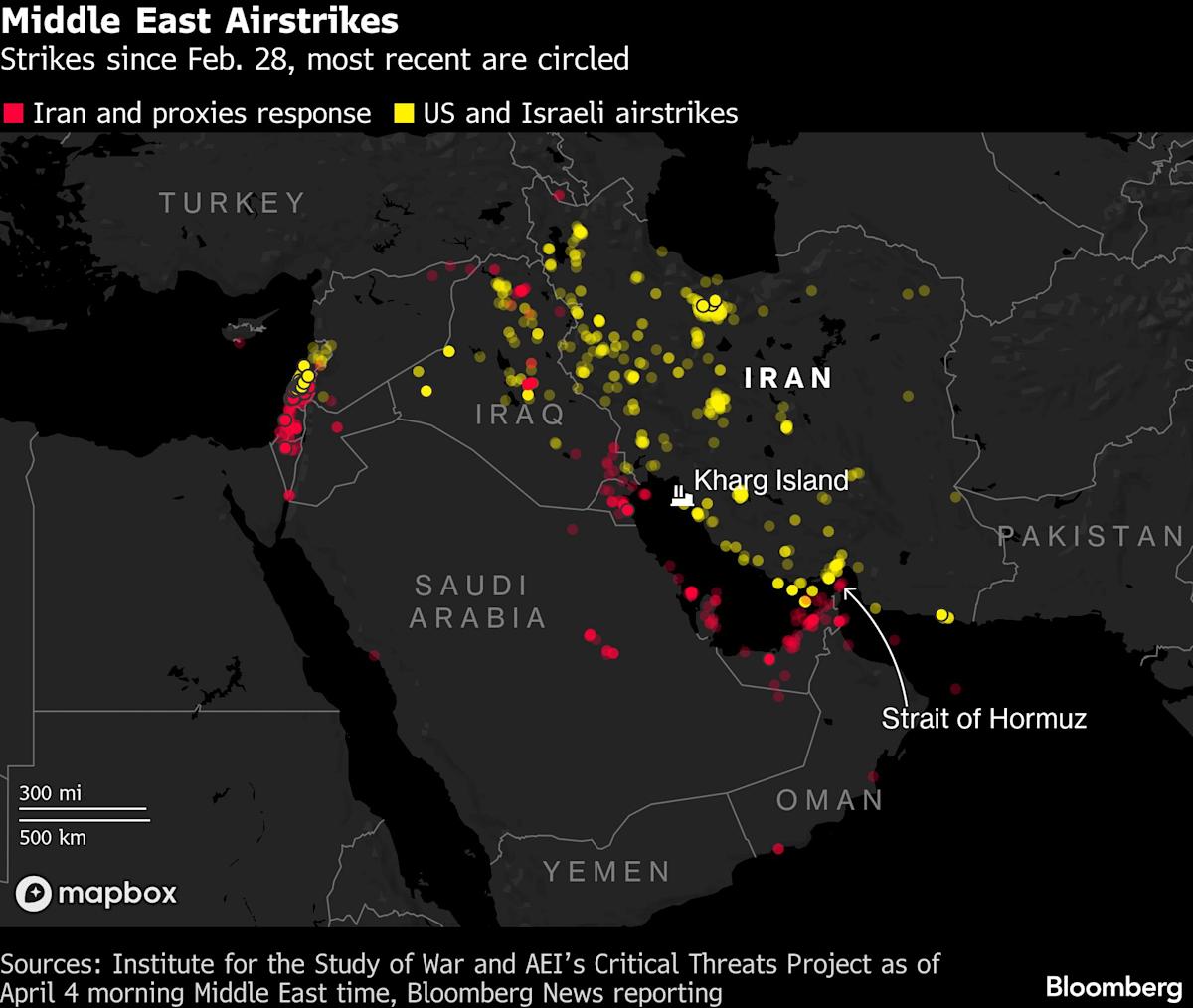
- Surge in GPS Disruptions: Following the U.S. and Israel's pre-emptive strikes against Iran on February 28, GPS disruptions have surged in the Middle East, with over 1,100 vessels experiencing AIS signal interference within the first 24 hours, affecting maritime, aviation, and land transportation while exposing vulnerabilities in the American-made satellite navigation system.
- Reasons for Interference: Analysts suggest that Gulf states may be jamming satellite navigation signals to protect critical infrastructure from drone and missile attacks, a tactic increasingly common in modern warfare, as evidenced by similar disruptions following Russia's invasion of Ukraine in 2022.
- Impact on Shipping: Despite the significant reduction in shipping activity due to the blockage of the Strait of Hormuz, foreign-flagged vessels from countries like China and India still have transit rights, making accurate positioning data crucial for avoiding collisions and grounding risks in the narrow strait, which measures only 21 miles (33 km) at its narrowest point.
- Emerging Technology Trends: As GPS signal jamming intensifies, industry experts highlight the vulnerabilities of satellite navigation systems, noting that modern chips can receive signals from multiple global navigation systems, with Iran potentially utilizing China's BeiDou, posing a challenge to U.S. strategic dominance in global navigation.

AI Sparks Potential Blue-Collar Renaissance Amid Job Disruption Fears


- Blue-Collar Employment Revival: Oppenheimer analysts suggest that while AI may rapidly displace white-collar jobs, it could simultaneously drive demand for blue-collar roles, particularly in manufacturing, with employment projected to remain below pre-pandemic levels by 2026.
- Investment Theme Analysis: Oppenheimer outlined five investable themes, including the physical-to-digital connection, emphasizing the value of sensors and data pipelines, with companies in this space expected to benefit from automation trends, including Aeva Technologies and Tesla.
- Automation Tools Opportunity: The analysts identified automation tools that can reskill transitioning workforces, recommending companies like Caterpillar and Rockwell Automation, which enhance worksite experiences through task automation and AI agents.
- Autonomous Systems Development: Oppenheimer also highlighted companies supporting autonomous physical systems, such as Mobileye Global and Aurora Innovation, noting that as fully autonomous solutions are commercialized, human roles will still be essential for remote monitoring and maintenance to ensure safety and problem resolution.

Deere, Caterpillar, and 10 Additional Stocks Driving a Blue Collar Revival Fueled by AI


AI's Impact on Stock Trades: Artificial intelligence is significantly influencing stock market activities, acting as both a catalyst for growth and a source of concern for investors.
Hyperscaler Spending: Companies associated with hyperscalers are experiencing stock boosts due to increased spending on AI data centers.
Software Companies at Risk: Conversely, fears of obsolescence are causing declines in the stock prices of software companies that may not adapt to AI advancements.
Dual Nature of AI: The dual role of AI as both a beneficial and detrimental force highlights the volatility and uncertainty in the tech sector.
Trimble Acquires AI Document Analysis Platform Document Crunch
- Acquisition Announcement: Trimble Inc. has announced the acquisition of Document Crunch, a construction-focused AI document analysis and risk management platform, although the transaction amount remains undisclosed, this move is expected to enhance Trimble's technological capabilities in the construction sector.
- Risk Management Enhancement: Post-acquisition, Document Crunch will assist Trimble in identifying and neutralizing project risks such as payment disputes and notification failures, thereby improving efficiency and compliance in project management.
- Integration of Document Intelligence: The acquisition will enable Trimble to incorporate document intelligence and compliance automation across its construction ecosystem, optimizing existing workflows in project management and construction ERP systems, which will further enhance customer experience.
- Financial Impact: The transaction is anticipated to close in the second quarter of 2026, but Trimble has stated that it is not expected to have a material impact on its 2026 financial guidance, indicating the company's confidence in future growth.
Trimble Acquires Document Crunch to Enhance Risk Management Capabilities
- Acquisition Overview: Trimble has announced the acquisition of Document Crunch, focusing on AI document analysis and risk management in the construction sector, aiming to enhance workflows within the Trimble® Construction ecosystem through document intelligence and compliance automation.
- Market Validation: Document Crunch has been deployed on over 10,000 projects, addressing critical risk issues faced by contractors, such as payment disputes and compliance, and is expected to deliver immediate ROI for Trimble's customers.
- Strategic Implications: The acquisition integrates Document Crunch's AI technology into the Trimble Construction One (TC1) suite, automatically pushing critical compliance requirements and payment terms, thereby enhancing the intelligence of the project delivery ecosystem.
- Future Outlook: The acquisition is expected to close in the second quarter of 2026, and while it is not anticipated to materially impact 2026 financial guidance, it will provide new growth momentum for Trimble in the AI adoption within the construction industry.
Trimble Acquires Document Crunch to Enhance Risk Management Capabilities
- Acquisition Overview: Trimble has announced the acquisition of Document Crunch to integrate AI document analysis and risk management tools, enhancing compliance and workflow efficiency within its Trimble Construction ecosystem, although financial terms remain undisclosed.
- Market Validation: Document Crunch has been deployed on over 10,000 projects, focusing on critical risk issues faced by contractors, such as payment disputes and compliance, which is expected to deliver immediate ROI for Trimble's customers.
- Intelligent Compliance: By providing a contractual rule set, Document Crunch will automatically push critical compliance requirements and payment terms into Trimble's project management and ERP systems, thereby improving project delivery efficiency and accuracy.
- Industry Outlook: As the construction industry increasingly demands AI solutions, the addition of Document Crunch positions Trimble to lead in risk reduction and automated compliance, helping customers unlock new value from data throughout the construction lifecycle.
GPS Disruptions Surge Amid Middle East Conflict
- Surge in GPS Disruptions: Following the U.S. and Israel's pre-emptive strikes against Iran on February 28, GPS disruptions have surged in the Middle East, with over 1,100 vessels experiencing AIS signal interference within the first 24 hours, affecting maritime, aviation, and land transportation while exposing vulnerabilities in the American-made satellite navigation system.
- Reasons for Interference: Analysts suggest that Gulf states may be jamming satellite navigation signals to protect critical infrastructure from drone and missile attacks, a tactic increasingly common in modern warfare, as evidenced by similar disruptions following Russia's invasion of Ukraine in 2022.
- Impact on Shipping: Despite the significant reduction in shipping activity due to the blockage of the Strait of Hormuz, foreign-flagged vessels from countries like China and India still have transit rights, making accurate positioning data crucial for avoiding collisions and grounding risks in the narrow strait, which measures only 21 miles (33 km) at its narrowest point.
- Emerging Technology Trends: As GPS signal jamming intensifies, industry experts highlight the vulnerabilities of satellite navigation systems, noting that modern chips can receive signals from multiple global navigation systems, with Iran potentially utilizing China's BeiDou, posing a challenge to U.S. strategic dominance in global navigation.
AI Sparks Potential Blue-Collar Renaissance Amid Job Disruption Fears
- Blue-Collar Employment Revival: Oppenheimer analysts suggest that while AI may rapidly displace white-collar jobs, it could simultaneously drive demand for blue-collar roles, particularly in manufacturing, with employment projected to remain below pre-pandemic levels by 2026.
- Investment Theme Analysis: Oppenheimer outlined five investable themes, including the physical-to-digital connection, emphasizing the value of sensors and data pipelines, with companies in this space expected to benefit from automation trends, including Aeva Technologies and Tesla.
- Automation Tools Opportunity: The analysts identified automation tools that can reskill transitioning workforces, recommending companies like Caterpillar and Rockwell Automation, which enhance worksite experiences through task automation and AI agents.
- Autonomous Systems Development: Oppenheimer also highlighted companies supporting autonomous physical systems, such as Mobileye Global and Aurora Innovation, noting that as fully autonomous solutions are commercialized, human roles will still be essential for remote monitoring and maintenance to ensure safety and problem resolution.
Deere, Caterpillar, and 10 Additional Stocks Driving a Blue Collar Revival Fueled by AI
AI's Impact on Stock Trades: Artificial intelligence is significantly influencing stock market activities, acting as both a catalyst for growth and a source of concern for investors.
Hyperscaler Spending: Companies associated with hyperscalers are experiencing stock boosts due to increased spending on AI data centers.
Software Companies at Risk: Conversely, fears of obsolescence are causing declines in the stock prices of software companies that may not adapt to AI advancements.
Dual Nature of AI: The dual role of AI as both a beneficial and detrimental force highlights the volatility and uncertainty in the tech sector.