Trick-or-Treating Turns Costly for Families as Halloween Candy Prices Rise, Leading Many to Reconsider Giving Out Treats
Written by Emily J. Thompson, Senior Investment Analyst
Updated: Sep 28 2025
0mins
Should l Buy COST?
Source: Yahoo Finance
Rising Candy Prices: As Halloween approaches, families are reconsidering the tradition of handing out candy due to significant price increases, with costs rising from $10 to $15 or more for candy bags, leading some to opt for cheaper alternatives or skip buying candy altogether.
Creative Alternatives: Many households are turning to unconventional treats like chips, ramen noodles, and even potatoes, with some parents noting that kids enjoy these novelty items just as much, if not more, than traditional candy.
Trade with 70% Backtested Accuracy
Stop guessing "Should I Buy COST?" and start using high-conviction signals backed by rigorous historical data.
Sign up today to access powerful investing tools and make smarter, data-driven decisions.
Analyst Views on COST
Wall Street analysts forecast COST stock price to rise
24 Analyst Rating
19 Buy
4 Hold
1 Sell
Strong Buy
Current: 996.430

Low
769.00
Averages
1061
High
1205
Current: 996.430
Low
769.00
Averages
1061
High
1205
About COST
Costco Wholesale Corporation (Costco) operates membership warehouses and e-commerce sites that offer a selection of nationally branded and private-label products in a wide range of categories. The Company buys the majority of its merchandise directly from suppliers and route it to cross-docking consolidation points (depots) or directly to its warehouses. It operates 891 warehouses, including 614 in the United States and Puerto Rico, 108 in Canada, 40 in Mexico, 35 in Japan, 29 in the United Kingdom, 19 in Korea, 15 in Australia, 14 in Taiwan, seven in China, five in Spain, two in France, and one each in Iceland, New Zealand and Sweden. It also operates e-commerce sites in the United States, Canada, the United Kingdom, Mexico, Korea, Taiwan, Japan and Australia. The Company provides wide selection of merchandise, plus the convenience of specialty departments and exclusive member services.
About the author

Emily J. Thompson
Emily J. Thompson, a Chartered Financial Analyst (CFA) with 12 years in investment research, graduated with honors from the Wharton School. Specializing in industrial and technology stocks, she provides in-depth analysis for Intellectia’s earnings and market brief reports.

Costco's Steady Growth Faces Stock Valuation Risks
- Significant Membership Growth: Costco's paid membership surged from 44.6 million to 82.1 million, indicating enhanced customer loyalty and market appeal, which lays a solid foundation for future revenue growth.
- Continued Warehouse Expansion: The global warehouse count increased from 686 to 924, demonstrating strong international expansion capabilities, although the future target of only 28 new warehouses may limit growth potential.
- Stock Price Discrepancy: Despite a cumulative earnings per share growth of 258% since fiscal 2015, the stock's total return reached 734%, reflecting a high premium on earnings that may face valuation risks in the future.
- Cautious Future Growth Expectations: Analysts forecast a 12% earnings growth this year and an annual growth of 9.6% thereafter, suggesting that investors should temper their expectations for the next decade, anticipating more modest returns compared to previous years.
See More

Costco to Launch Stand-Alone Gas Stations to Alleviate Congestion
- Stand-Alone Gas Station Initiative: Costco plans to launch its first stand-alone gas station in Mission Viejo, California, in June with 40 pumps, aimed at alleviating congestion around its current store locations and enhancing customer experience.
- Exclusive Member Benefits: The new gas stations will be accessible only to members who pay an annual fee of $65 or $130, likely attracting more consumers seeking gas prices that are $0.10 to $0.30 below the U.S. average, thereby increasing membership and company revenue.
- Strategic Value Enhancement: As of the end of fiscal year 2025, Costco operated 747 gas stations worldwide, contributing 10% to the company's net revenue, and the introduction of new stations will further solidify its pricing authority and competitive edge in the market.
- Positive Market Reaction: Costco's stock has risen 15% this year, and although it trades at 48 times forward earnings, the strategy of stand-alone gas stations is viewed positively by shareholders, boosting investor confidence amid geopolitical tensions and recession concerns.
See More
Analysis of Market Impact from Iran War

- Surging Oil Prices: The ongoing Iran war has led to a significant increase in global oil prices, with approximately 20% of the world's oil passing through the Strait of Hormuz, resulting in an overall market decline and expected long-term economic impacts.
- Extended Rebuilding Timeline: The reconstruction of LNG assets is projected to take 3-5 years, and if the conflict persists, this timeline may extend further, posing greater challenges to the global economy.
- Supply Chain Complexity: The current issues are more complex than mere supply shortages, particularly with Qatar's LNG facilities damaged, leading to uncertain recovery times that could affect production across multiple industries.
- Investor Sentiment Deterioration: The S&P 500 has dropped about 4% year-to-date, with the fear and greed index falling to 17, indicating a heightened fear among investors regarding future market conditions, which may lead to increased market volatility.
See More
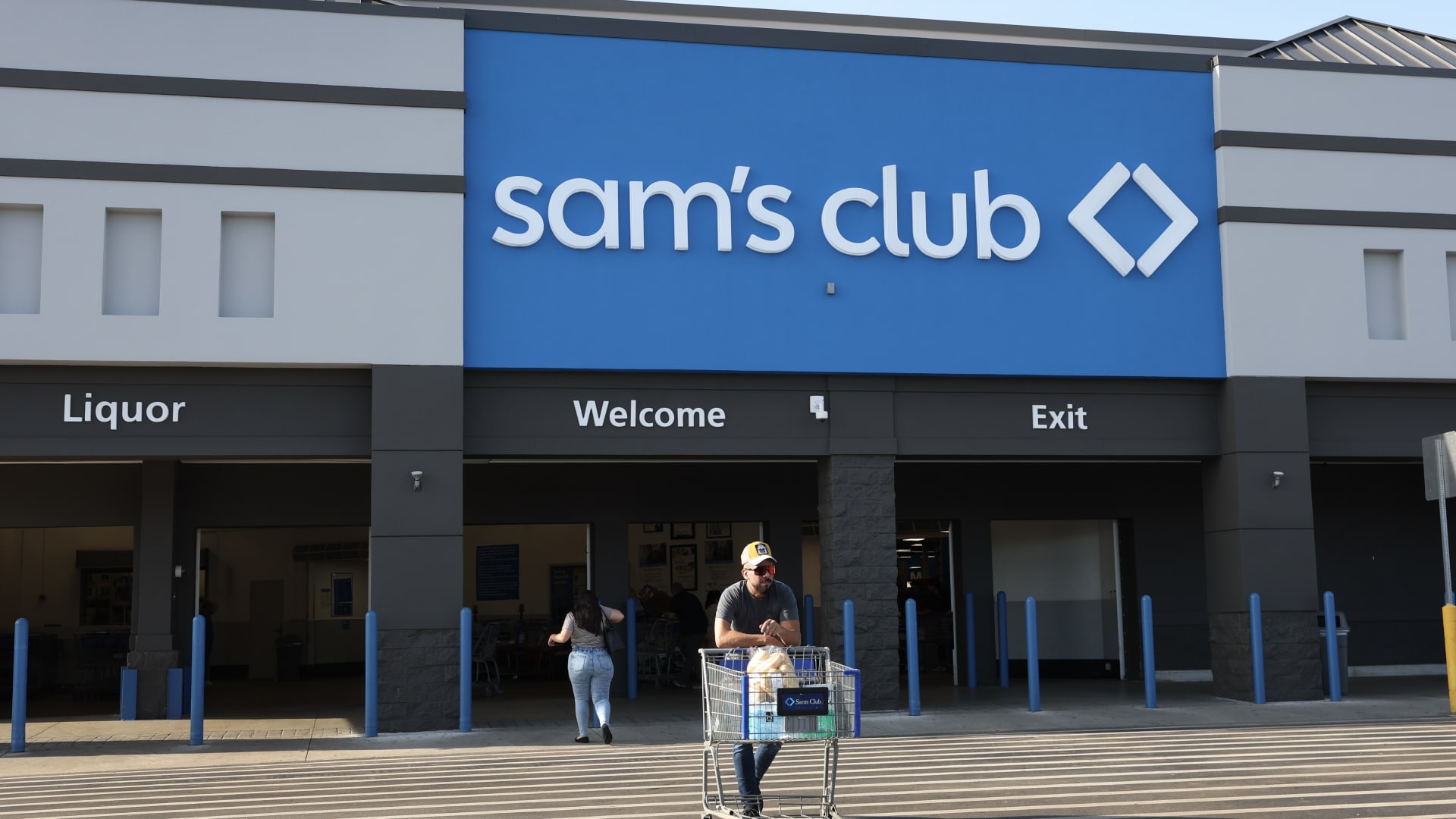
Sam's Club Raises Annual Membership Fee by $10

- Membership Fee Adjustment: Sam's Club announced an increase in its basic membership fee from $50 to $60 and the Plus membership fee from $110 to $120, effective May 1, aimed at supporting services that members love, although still below competitor Costco's pricing.
- Sales Growth: The U.S. net sales for Sam's Club grew by approximately 3.1% to $93 billion, partly driven by a 23% year-over-year increase in e-commerce sales during the holiday quarter, indicating strong performance in its digital business.
- Estimated Membership Count: While Sam's Club does not disclose specific membership numbers, it is estimated to exceed 30 million, with a similar proportion of high-tier members as Costco, and the fee increase is expected to boost annual income for parent company Walmart by over $200 million.
- Enhanced Rewards Program: Under the new fee structure, Plus members will be able to earn up to $750 per year in Sam's Cash rewards on eligible purchases, up from $500 previously, further enhancing the appeal of membership.
See More
Sam's Club Raises Membership Fee by $10
- Membership Fee Adjustment: Sam's Club is increasing its basic membership fee from $50 to $60 and its Plus membership from $110 to $120, although these rates remain lower than Costco's, indicating its awareness of competitive pricing.
- Sales Growth: The warehouse club reported a 3.1% increase in net sales to $93 billion last fiscal year, partly driven by a 23% year-over-year rise in e-commerce sales, highlighting the effectiveness of its digital expansion strategy.
- Gas Price Impact: With the national average gas price hitting $4.018 due to the Iran war, more consumers are drawn to Sam's Club's fuel discounts, enhancing its value proposition for members amid rising fuel costs.
- Increased Member Rewards: The new fee structure allows Plus members to earn up to $750 in cash rewards annually, up from $500, aimed at boosting member loyalty and encouraging higher spending within the club.
See More
Investment Opportunity Analysis for Nasdaq-100 Index
- Historical Return Potential: The Nasdaq-100 has achieved an average five-year return of 103% over the past two decades, with historical data suggesting that it could nearly double investors' money in the next five years, making it an attractive option for investors.
- AI-Driven Growth: The Invesco QQQ Trust is heavily invested in AI-related stocks, with top holdings including tech giants like Nvidia and Apple, which are expected to benefit from the rapid development of AI technologies, further enhancing market performance.
- Market Correction Timing: The Nasdaq Composite is currently in a market correction, down over 10% from its all-time high, and historical data indicates that such corrections have led to an average five-year return of 146%, presenting a favorable investment opportunity.
- Concentration Risk Warning: While the Invesco QQQ Trust has a reasonable expense ratio of 0.18%, its top ten holdings account for nearly 50% of its performance, prompting investors to carefully consider the concentration risk and potential price volatility.
See More
Costco's Steady Growth Faces Stock Valuation Risks
- Significant Membership Growth: Costco's paid membership surged from 44.6 million to 82.1 million, indicating enhanced customer loyalty and market appeal, which lays a solid foundation for future revenue growth.
- Continued Warehouse Expansion: The global warehouse count increased from 686 to 924, demonstrating strong international expansion capabilities, although the future target of only 28 new warehouses may limit growth potential.
- Stock Price Discrepancy: Despite a cumulative earnings per share growth of 258% since fiscal 2015, the stock's total return reached 734%, reflecting a high premium on earnings that may face valuation risks in the future.
- Cautious Future Growth Expectations: Analysts forecast a 12% earnings growth this year and an annual growth of 9.6% thereafter, suggesting that investors should temper their expectations for the next decade, anticipating more modest returns compared to previous years.
See More
Costco to Launch Stand-Alone Gas Stations to Alleviate Congestion
- Stand-Alone Gas Station Initiative: Costco plans to launch its first stand-alone gas station in Mission Viejo, California, in June with 40 pumps, aimed at alleviating congestion around its current store locations and enhancing customer experience.
- Exclusive Member Benefits: The new gas stations will be accessible only to members who pay an annual fee of $65 or $130, likely attracting more consumers seeking gas prices that are $0.10 to $0.30 below the U.S. average, thereby increasing membership and company revenue.
- Strategic Value Enhancement: As of the end of fiscal year 2025, Costco operated 747 gas stations worldwide, contributing 10% to the company's net revenue, and the introduction of new stations will further solidify its pricing authority and competitive edge in the market.
- Positive Market Reaction: Costco's stock has risen 15% this year, and although it trades at 48 times forward earnings, the strategy of stand-alone gas stations is viewed positively by shareholders, boosting investor confidence amid geopolitical tensions and recession concerns.
See More
Analysis of Market Impact from Iran War
- Surging Oil Prices: The ongoing Iran war has led to a significant increase in global oil prices, with approximately 20% of the world's oil passing through the Strait of Hormuz, resulting in an overall market decline and expected long-term economic impacts.
- Extended Rebuilding Timeline: The reconstruction of LNG assets is projected to take 3-5 years, and if the conflict persists, this timeline may extend further, posing greater challenges to the global economy.
- Supply Chain Complexity: The current issues are more complex than mere supply shortages, particularly with Qatar's LNG facilities damaged, leading to uncertain recovery times that could affect production across multiple industries.
- Investor Sentiment Deterioration: The S&P 500 has dropped about 4% year-to-date, with the fear and greed index falling to 17, indicating a heightened fear among investors regarding future market conditions, which may lead to increased market volatility.
See More
Sam's Club Raises Annual Membership Fee by $10
- Membership Fee Adjustment: Sam's Club announced an increase in its basic membership fee from $50 to $60 and the Plus membership fee from $110 to $120, effective May 1, aimed at supporting services that members love, although still below competitor Costco's pricing.
- Sales Growth: The U.S. net sales for Sam's Club grew by approximately 3.1% to $93 billion, partly driven by a 23% year-over-year increase in e-commerce sales during the holiday quarter, indicating strong performance in its digital business.
- Estimated Membership Count: While Sam's Club does not disclose specific membership numbers, it is estimated to exceed 30 million, with a similar proportion of high-tier members as Costco, and the fee increase is expected to boost annual income for parent company Walmart by over $200 million.
- Enhanced Rewards Program: Under the new fee structure, Plus members will be able to earn up to $750 per year in Sam's Cash rewards on eligible purchases, up from $500 previously, further enhancing the appeal of membership.
See More
Sam's Club Raises Membership Fee by $10
- Membership Fee Adjustment: Sam's Club is increasing its basic membership fee from $50 to $60 and its Plus membership from $110 to $120, although these rates remain lower than Costco's, indicating its awareness of competitive pricing.
- Sales Growth: The warehouse club reported a 3.1% increase in net sales to $93 billion last fiscal year, partly driven by a 23% year-over-year rise in e-commerce sales, highlighting the effectiveness of its digital expansion strategy.
- Gas Price Impact: With the national average gas price hitting $4.018 due to the Iran war, more consumers are drawn to Sam's Club's fuel discounts, enhancing its value proposition for members amid rising fuel costs.
- Increased Member Rewards: The new fee structure allows Plus members to earn up to $750 in cash rewards annually, up from $500, aimed at boosting member loyalty and encouraging higher spending within the club.
See More
Investment Opportunity Analysis for Nasdaq-100 Index
- Historical Return Potential: The Nasdaq-100 has achieved an average five-year return of 103% over the past two decades, with historical data suggesting that it could nearly double investors' money in the next five years, making it an attractive option for investors.
- AI-Driven Growth: The Invesco QQQ Trust is heavily invested in AI-related stocks, with top holdings including tech giants like Nvidia and Apple, which are expected to benefit from the rapid development of AI technologies, further enhancing market performance.
- Market Correction Timing: The Nasdaq Composite is currently in a market correction, down over 10% from its all-time high, and historical data indicates that such corrections have led to an average five-year return of 146%, presenting a favorable investment opportunity.
- Concentration Risk Warning: While the Invesco QQQ Trust has a reasonable expense ratio of 0.18%, its top ten holdings account for nearly 50% of its performance, prompting investors to carefully consider the concentration risk and potential price volatility.
See More