TransUnion Q4 2025 Earnings Call Highlights
Written by Emily J. Thompson, Senior Investment Analyst
Updated: Feb 12 2026
0mins
Should l Buy TRU?
Source: seekingalpha
- Strong Revenue Growth: TransUnion achieved a 12% organic revenue growth in Q4 2025, with the U.S. market growing 16%, marking the strongest performance since 2021 and demonstrating the company's robust competitive position in the market.
- Increased Shareholder Returns: The company repurchased approximately $150 million in shares during Q4, totaling $300 million for 2025, while also raising its quarterly dividend by 9% to $0.125 per share, reflecting a strong commitment to shareholders and financial health.
- Completion of Strategic Transformation: Management announced the successful completion of its business transformation investment program on schedule and within budget, which is expected to realize full target savings in 2026, laying a foundation for future profitability and market competitiveness.
- Optimistic Future Outlook: TransUnion projects organic revenue growth of 8% to 9% for 2026, with adjusted diluted EPS growth expected between 8% and 10%, indicating strong confidence in future market performance and sustained growth potential.
Trade with 70% Backtested Accuracy
Stop guessing "Should I Buy TRU?" and start using high-conviction signals backed by rigorous historical data.
Sign up today to access powerful investing tools and make smarter, data-driven decisions.
Analyst Views on TRU
Wall Street analysts forecast TRU stock price to rise
15 Analyst Rating
11 Buy
3 Hold
1 Sell
Moderate Buy
Current: 78.230

Low
80.00
Averages
102.71
High
125.00
Current: 78.230
Low
80.00
Averages
102.71
High
125.00
About TRU
TransUnion is a global information and insights company. The Company operates through two segments: U.S. Markets and International. The U.S. Markets segment provides consumer reports, actionable insights and analytics to businesses. These businesses use the Company’s services to engage and acquire customers, assess consumer ability to pay for services, identify cross-selling opportunities, measure and manage debt portfolio risk, collect debt, verify consumer identities and mitigate fraud risk. The International segment provides services similar to its U.S. Markets segment to businesses in select regions outside the United States. Depending on the maturity of the credit economy in each country, services may include credit reports, analytics and technology solutions services and other value-added risk management services. It also has insurance, business and automotive databases in select geographies. It also owns Monevo, a credit prequalification and distribution platform.
About the author

Emily J. Thompson
Emily J. Thompson, a Chartered Financial Analyst (CFA) with 12 years in investment research, graduated with honors from the Wharton School. Specializing in industrial and technology stocks, she provides in-depth analysis for Intellectia’s earnings and market brief reports.

Anthropic Launches New Tool to Support Software Industry


- Product Update: Anthropic's Tuesday event introduced updates to its Claude Cowork tool, enabling connections to platforms like Google Drive, Gmail, and Docusign, thereby enhancing office productivity and demonstrating its additive role to existing software providers.
- Market Reaction: The iShares Expanded Tech-Software Sector ETF (IGV) rose nearly 2% during Tuesday's session, recovering from a more than 4% drop on Monday, although the fund remains down 24% in 2026, reflecting the market's mixed sentiment towards AI's impact.
- Industry Analysis: Wells Fargo analyst Jason Haas highlighted that sector-specific data assets are crucial in building AI solutions, with companies like Fair Isaac, Moody's, and S&P Global likely to benefit due to their unique datasets, indicating AI as a tailwind for increased data usage.
- Collaboration Outlook: Analysts suggest that Anthropic's event indicates a willingness to partner with existing software companies rather than replace them, a collaboration model that may be underappreciated by investors, particularly in the information services sector, which could lead to more market opportunities ahead.
See More

Canadian Credit Market Shows Stable Growth Amid Economic Recovery

- Credit Score Improvement: Nearly one-in-five Canadians improved their credit scores over the past year, indicating a growing ability for consumers to manage finances effectively, which may drive future credit demand as the economy recovers.
- Stable Credit Market: In Q4 2025, Canadian household debt reached CAD 2.6 trillion, growing 4.3% year-over-year, while the credit-active population increased by only 1.2%, suggesting that borrowing activity is concentrated among existing users, reflecting signs of economic health.
- Healthy Risk Distribution: Among credit-active Canadians, 71.6% are in prime and better risk tiers, with the super prime segment rising from 40.2% to 42.1%, indicating ongoing stability in the credit market and enhanced repayment capabilities among consumers.
- Delinquency Rates Stabilize: Although delinquency rates saw a slight increase in Q4 2025, they remained stable overall, with credit card delinquencies at 0.95%, reflecting improvements in consumer debt management and boosting lender confidence.
See More
Mortgage Industry Faces Surge in Credit Report Fees
- Rising Costs: The Mortgage Bankers Association reports that fees for credit reports could increase by 40% to 50% by 2026, which will further inflate closing costs for homebuyers and potentially deter purchases.
- Credit Score Changes: While lenders typically require a minimum credit score of 620, Fannie Mae has announced that its automated underwriting system will no longer mandate a minimum score, potentially benefiting first-time homebuyers with scores above 734 and enhancing their loan eligibility.
- Market Reactions: The mortgage industry has mixed responses to the rising credit report fees, with the Consumer Data Industry Association advocating for the continued use of tri-merge reports to ensure data accuracy and market competitiveness, highlighting differing views on cost and information transparency within the sector.
- New Scoring Systems: The FHFA has approved the use of VantageScore 4.0, which has not yet been implemented, and this new scoring model will consider alternative data such as rent and utility payments, potentially altering future credit assessments for borrowers.
See More

Student Loan Delinquency Rate Surges to 25%

- Delinquency Rate Surge: Research from The Century Foundation reveals that nearly 25% of student loan borrowers were delinquent in the first three quarters of 2025, a significant increase from 9% in 2019, indicating the adverse impact of Trump administration policies on borrowers' repayment capabilities.
- Rising Borrower Numbers: Approximately 7.9 million student loan borrowers entered delinquency in the first three quarters of 2025, which not only affects their credit scores but also hinders their ability to achieve life milestones such as home and car ownership.
- Credit Score Decline: The study estimates that around 2 million delinquent borrowers have seen their credit scores drop to an average of 580 from 680, significantly below the acceptable range, which will directly impact their future borrowing ability and costs.
- Severe Issues in Southern States: The analysis indicates that states like Louisiana and Mississippi have delinquency rates nearing 40%, with over 48% of Black borrowers being delinquent, highlighting significant racial disparities in repayment capabilities that could exacerbate socioeconomic inequalities.
See More
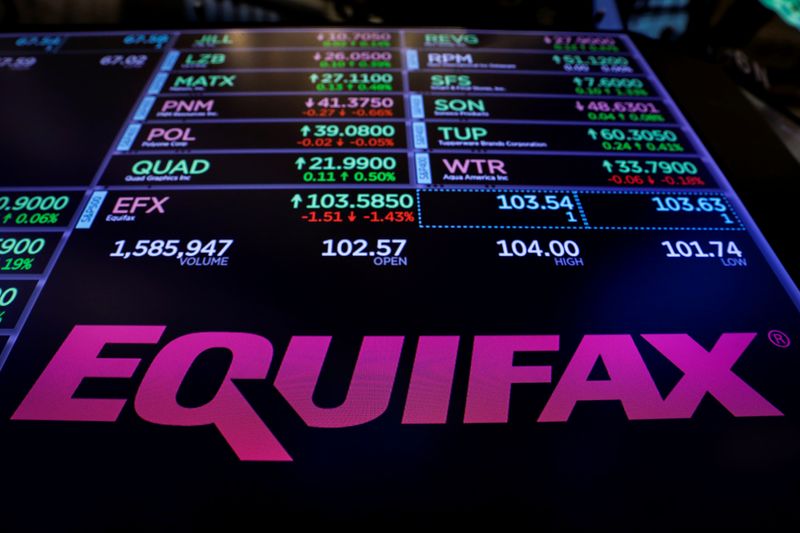
BofA Securities Upgrades Equifax and TransUnion Ratings
- Rating Upgrade: BofA Securities has upgraded the ratings on Equifax (EFX) and TransUnion (TRU), reaffirming a positive outlook on the business and information services sector, with expected average revenue, EPS, and free cash flow growth of 7%, 12%, and 11% in 2026, indicating strong confidence in the industry.
- Information Services Criteria: Analysts highlighted that companies in the information services sector should possess proprietary data, entrenched regulatory frameworks, high switching costs, and significant failure costs to mitigate disruption risks and leverage AI, with EFX and TRU meeting these criteria, showcasing robust market potential.
- Growth Potential: Equifax's EWS segment is entering a multi-year acceleration phase, benefiting from TWN record expansion and government mandates, with an estimated $1.2 billion in incremental revenue at normalized volumes, further enhancing margins and revealing underappreciated growth visibility.
- Market Reaction: EFX shares rose 2.15% to $196.95 in pre-market trading, aligning BofA's Buy rating with the average sell-side analyst rating, while TRU shares increased 1.92% to $75.34, reflecting positive investor sentiment following the rating upgrades.
See More

TransUnion Analysts Upgrade Rating to Buy
- Analyst Rating Upgrade: TransUnion (TRU) has received an average upgrade to a 'Buy' rating, reflecting market optimism about its future performance, which may attract more investor interest.
- Price Target Set: Analysts have established a mean price target of $95.05, providing investors with a clear expectation of returns and indicating confidence in the company's growth potential.
- Market Reaction Anticipation: The upgrade in rating and price target may drive TRU's stock price higher, thereby boosting investor confidence and improving market sentiment, leading to increased capital inflow.
- Investor Strategy Adjustment: With the rating upgrade, investors may reassess their portfolios and increase their positions in TransUnion, aiming for higher returns in the future.
See More
Anthropic Launches New Tool to Support Software Industry
- Product Update: Anthropic's Tuesday event introduced updates to its Claude Cowork tool, enabling connections to platforms like Google Drive, Gmail, and Docusign, thereby enhancing office productivity and demonstrating its additive role to existing software providers.
- Market Reaction: The iShares Expanded Tech-Software Sector ETF (IGV) rose nearly 2% during Tuesday's session, recovering from a more than 4% drop on Monday, although the fund remains down 24% in 2026, reflecting the market's mixed sentiment towards AI's impact.
- Industry Analysis: Wells Fargo analyst Jason Haas highlighted that sector-specific data assets are crucial in building AI solutions, with companies like Fair Isaac, Moody's, and S&P Global likely to benefit due to their unique datasets, indicating AI as a tailwind for increased data usage.
- Collaboration Outlook: Analysts suggest that Anthropic's event indicates a willingness to partner with existing software companies rather than replace them, a collaboration model that may be underappreciated by investors, particularly in the information services sector, which could lead to more market opportunities ahead.
See More
Canadian Credit Market Shows Stable Growth Amid Economic Recovery
- Credit Score Improvement: Nearly one-in-five Canadians improved their credit scores over the past year, indicating a growing ability for consumers to manage finances effectively, which may drive future credit demand as the economy recovers.
- Stable Credit Market: In Q4 2025, Canadian household debt reached CAD 2.6 trillion, growing 4.3% year-over-year, while the credit-active population increased by only 1.2%, suggesting that borrowing activity is concentrated among existing users, reflecting signs of economic health.
- Healthy Risk Distribution: Among credit-active Canadians, 71.6% are in prime and better risk tiers, with the super prime segment rising from 40.2% to 42.1%, indicating ongoing stability in the credit market and enhanced repayment capabilities among consumers.
- Delinquency Rates Stabilize: Although delinquency rates saw a slight increase in Q4 2025, they remained stable overall, with credit card delinquencies at 0.95%, reflecting improvements in consumer debt management and boosting lender confidence.
See More
Mortgage Industry Faces Surge in Credit Report Fees
- Rising Costs: The Mortgage Bankers Association reports that fees for credit reports could increase by 40% to 50% by 2026, which will further inflate closing costs for homebuyers and potentially deter purchases.
- Credit Score Changes: While lenders typically require a minimum credit score of 620, Fannie Mae has announced that its automated underwriting system will no longer mandate a minimum score, potentially benefiting first-time homebuyers with scores above 734 and enhancing their loan eligibility.
- Market Reactions: The mortgage industry has mixed responses to the rising credit report fees, with the Consumer Data Industry Association advocating for the continued use of tri-merge reports to ensure data accuracy and market competitiveness, highlighting differing views on cost and information transparency within the sector.
- New Scoring Systems: The FHFA has approved the use of VantageScore 4.0, which has not yet been implemented, and this new scoring model will consider alternative data such as rent and utility payments, potentially altering future credit assessments for borrowers.
See More
Student Loan Delinquency Rate Surges to 25%
- Delinquency Rate Surge: Research from The Century Foundation reveals that nearly 25% of student loan borrowers were delinquent in the first three quarters of 2025, a significant increase from 9% in 2019, indicating the adverse impact of Trump administration policies on borrowers' repayment capabilities.
- Rising Borrower Numbers: Approximately 7.9 million student loan borrowers entered delinquency in the first three quarters of 2025, which not only affects their credit scores but also hinders their ability to achieve life milestones such as home and car ownership.
- Credit Score Decline: The study estimates that around 2 million delinquent borrowers have seen their credit scores drop to an average of 580 from 680, significantly below the acceptable range, which will directly impact their future borrowing ability and costs.
- Severe Issues in Southern States: The analysis indicates that states like Louisiana and Mississippi have delinquency rates nearing 40%, with over 48% of Black borrowers being delinquent, highlighting significant racial disparities in repayment capabilities that could exacerbate socioeconomic inequalities.
See More
BofA Securities Upgrades Equifax and TransUnion Ratings
- Rating Upgrade: BofA Securities has upgraded the ratings on Equifax (EFX) and TransUnion (TRU), reaffirming a positive outlook on the business and information services sector, with expected average revenue, EPS, and free cash flow growth of 7%, 12%, and 11% in 2026, indicating strong confidence in the industry.
- Information Services Criteria: Analysts highlighted that companies in the information services sector should possess proprietary data, entrenched regulatory frameworks, high switching costs, and significant failure costs to mitigate disruption risks and leverage AI, with EFX and TRU meeting these criteria, showcasing robust market potential.
- Growth Potential: Equifax's EWS segment is entering a multi-year acceleration phase, benefiting from TWN record expansion and government mandates, with an estimated $1.2 billion in incremental revenue at normalized volumes, further enhancing margins and revealing underappreciated growth visibility.
- Market Reaction: EFX shares rose 2.15% to $196.95 in pre-market trading, aligning BofA's Buy rating with the average sell-side analyst rating, while TRU shares increased 1.92% to $75.34, reflecting positive investor sentiment following the rating upgrades.
See More
TransUnion Analysts Upgrade Rating to Buy
- Analyst Rating Upgrade: TransUnion (TRU) has received an average upgrade to a 'Buy' rating, reflecting market optimism about its future performance, which may attract more investor interest.
- Price Target Set: Analysts have established a mean price target of $95.05, providing investors with a clear expectation of returns and indicating confidence in the company's growth potential.
- Market Reaction Anticipation: The upgrade in rating and price target may drive TRU's stock price higher, thereby boosting investor confidence and improving market sentiment, leading to increased capital inflow.
- Investor Strategy Adjustment: With the rating upgrade, investors may reassess their portfolios and increase their positions in TransUnion, aiming for higher returns in the future.
See More