Toyota Celebrates 40 Years at Kentucky Plant with $1B Investment
Toyota celebrated 40 years at its Kentucky plant - the company's largest manufacturing plant in the world. To commemorate the occasion, Toyota announced a $1B investment across its Kentucky and Indiana operations, affirming the company's commitment to meet growing customer demand and offer a diverse vehicle line up. The announcement is part of Toyota's November 2025 commitment to invest up to $10B in its U.S. plants over the next five years. "Toyota's investment in the U.S. is for the long-term, tied to our philosophy of building where we sell and buying where we build," said Mark Templin, executive vice president and chief operating officer, Toyota Motor North America. "We have created a tremendous value chain for nearly 70 years. Our teams have contributed to world-class design, engineering, and assembly of more than thirty-five million cars and trucks for our customers in the U.S." The investment includes: Toyota Kentucky: $800M to further Toyota's multi-pathway approach to electrification by preparing the plant for its second battery electric vehicle. The investment also allows the plant to increase capacity for the assembly of the Camry and RAV4. Toyota Indiana: $200M to increase capacity for the Grand Highlander. With this investment, Grand Highlander joins the assembly of the family-favorite Sienna minivan in the facility's East Plant while continuing assembly alongside the Lexus TX in the West Plant.
Trade with 70% Backtested Accuracy
Analyst Views on TM
About TM
About the author

Joby Aviation Faces Market Challenges Amidst Economic Headwinds


- Stock Volatility: Joby Aviation's stock has plummeted over 40% this year due to macroeconomic factors such as the Iran War, soaring energy prices, and rate hike expectations, although it still rose over 30% in the past 12 months, reflecting market volatility and investor confidence.
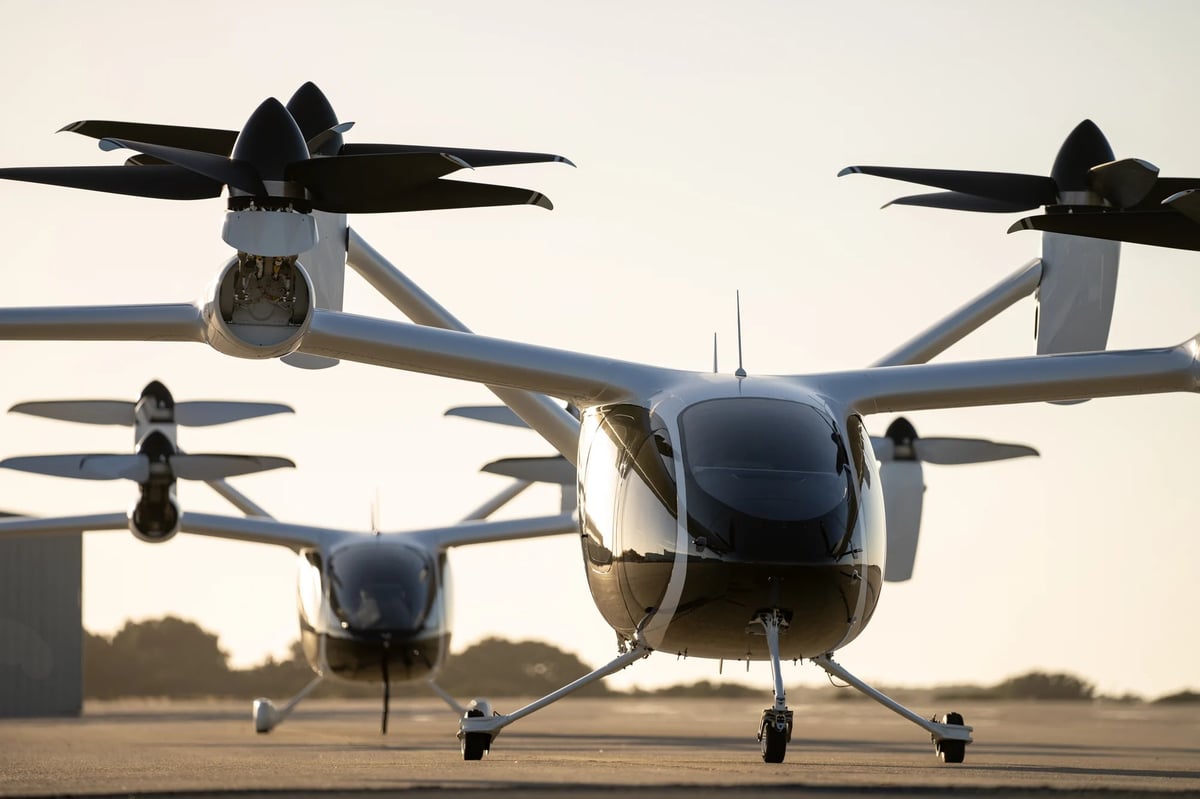
- Technological Edge: Joby's S4 eVTOL can travel 150 miles on a single charge and reach speeds of 200 mph, outperforming most competitors due to its single tilt-rotor design, which has attracted prominent investors and customers like Toyota, Delta Air Lines, and Uber.
- Market Outlook: Analysts expect Joby's revenue to surge from $53 million in 2025 to $459 million by 2028, with net losses gradually narrowing as economies of scale kick in, indicating strong potential in the rapidly growing eVTOL market.
- Risk Factors: Despite Joby's promising growth outlook, military conflicts in Iran and rising energy prices could delay its first commercial flights in Dubai, while interest rate hikes may complicate financing, potentially leading investors to shift towards more conservative strategies.

Iran War Delays Joby's First Flight Plans
- Market Pressures Intensify: Joby Aviation's stock has plummeted over 40% this year due to macroeconomic pressures from the Iran War, soaring energy prices, and rate hike expectations, which have weakened investor confidence and could impact its financing capabilities.
- Significant Technological Edge: Joby's S4 eVTOL can travel 150 miles on a single charge and reach speeds of 200 mph, outperforming competitors due to its single tilt-rotor design, attracting prominent investors like Toyota, Delta Air Lines, and Uber.
- Optimistic Revenue Projections: Analysts expect Joby's revenue to surge from $53 million in 2025 to $459 million by 2028, and while facing market volatility and financing challenges, the realization of economies of scale is expected to gradually narrow net losses.
- Uncertain Market Outlook: The global eVTOL market is projected to expand at a 36.8% CAGR from 2026 to 2034, but Iran's military actions and high energy prices could delay Joby's first commercial flights in Dubai, increasing future uncertainties.
Toyota Reports Slight Drop in February Sales Amidst EV Competition

- Sales Decline: Toyota's global sales in February reached 806,905 units, reflecting a 2.3% year-on-year drop, primarily due to intensified EV competition in China and weak demand in Japan, indicating a challenging market environment.
- Challenges in China: Sales of Toyota and Lexus brands in China fell by 13.9%, while production decreased by 11.5%, mainly attributed to the timing of this year's Lunar New Year holiday affecting operational days, leading to reduced sales figures.
- Intensifying Market Competition: The company noted that the year-on-year sales decline highlights the increasingly competitive market landscape, particularly in the EV sector, where Toyota faces pressure from emerging rivals, impacting its market share.
- Uncertain Future Outlook: Although February sales figures do not yet reflect the impact of the Iran conflict, the company must navigate the evolving market dynamics to maintain its competitiveness in the global automotive sector.
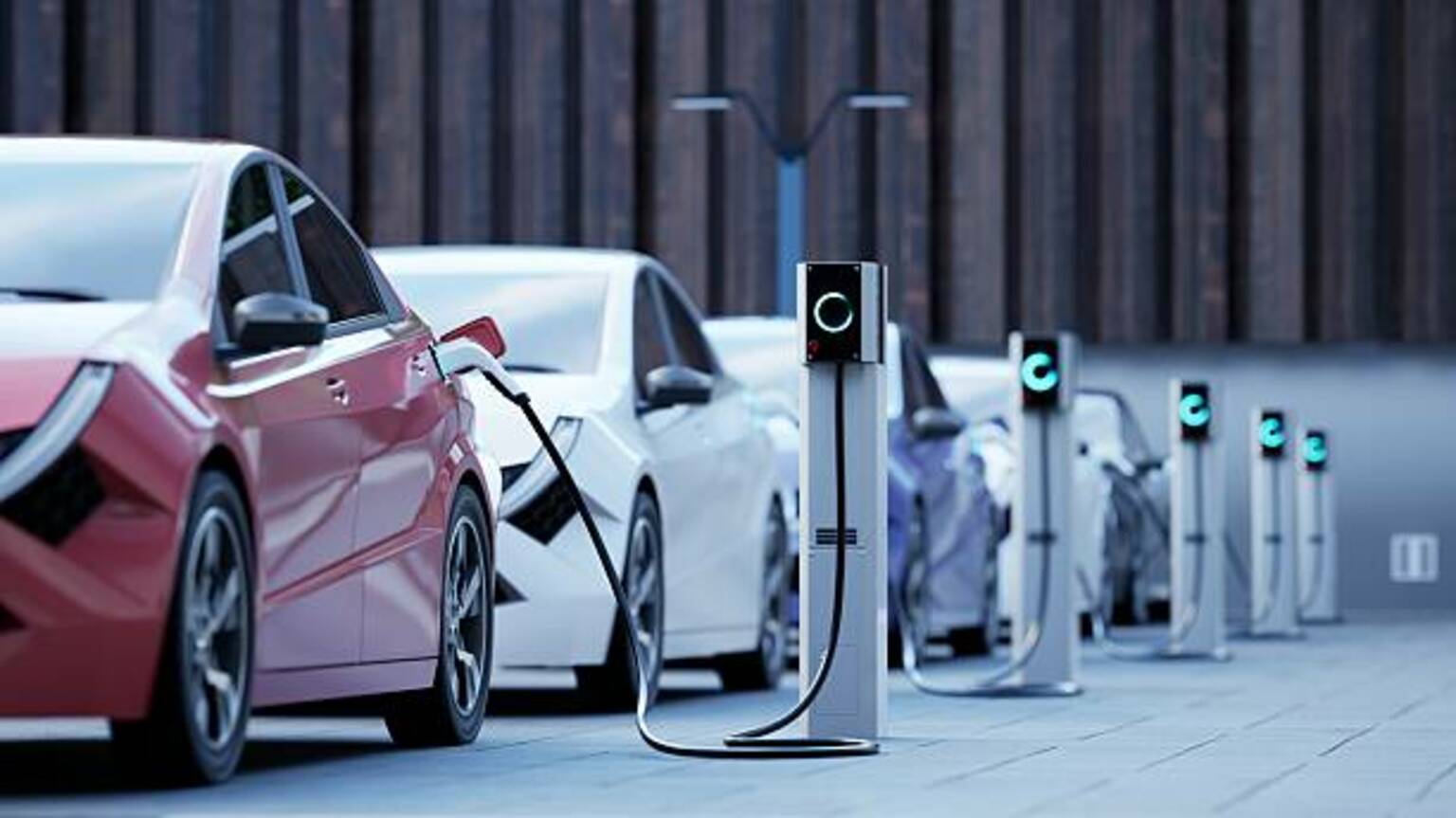
Finnish Startup Develops Solid-State Battery for EVs
- Technological Breakthrough: Finnish startup Donut Lab claims its solid-state battery technology offers higher energy density, ultra-fast charging, and longer lifespan, which could significantly enhance electric vehicle performance; if true, it would transform charging and range capabilities.
- Market Skepticism: Despite the attention garnered by Donut Lab's technology, industry leaders express doubts about the firm's ability to outpace established players that have invested years in similar research, suggesting that bold battery claims often prove difficult to deliver at scale.
- Intensifying Competition: Companies like Contemporary Amperex Technology Co. Limited are also pursuing similar advancements, with some reporting even higher energy density targets, highlighting the fierce competition in battery technology.
- Mass Production Challenges: While solid-state batteries are seen as a promising future solution, the transition from prototypes to mass production remains a significant hurdle, as existing lithium iron phosphate batteries already meet many consumer needs at lower costs and with improving performance.

Toyota Motor Corporation Stock Decline Analysis
- Stock Fluctuation: Toyota Motor Corporation closed at $206.73, down 1.52% from the previous session, outperforming the S&P 500's decline of 1.67%, indicating relative resilience in a volatile market.
- Monthly Performance: Over the past month, Toyota's shares have dropped 13.47%, significantly worse than the Auto-Tires-Trucks sector's 9.96% loss and the S&P 500's 6.15% decline, reflecting market concerns about its future performance.
- Earnings Expectations: The Zacks Consensus Estimates project annual earnings of $17.92 per share and revenue of $308.85 billion, representing declines of 24.1% and 2.05% from last year, highlighting pressure on profitability.
- Rating and Valuation: Currently, Toyota holds a Zacks Rank of #2 (Buy) with a forward P/E ratio of 11.72, slightly above the industry average of 11.49, suggesting cautious optimism regarding its future growth potential.
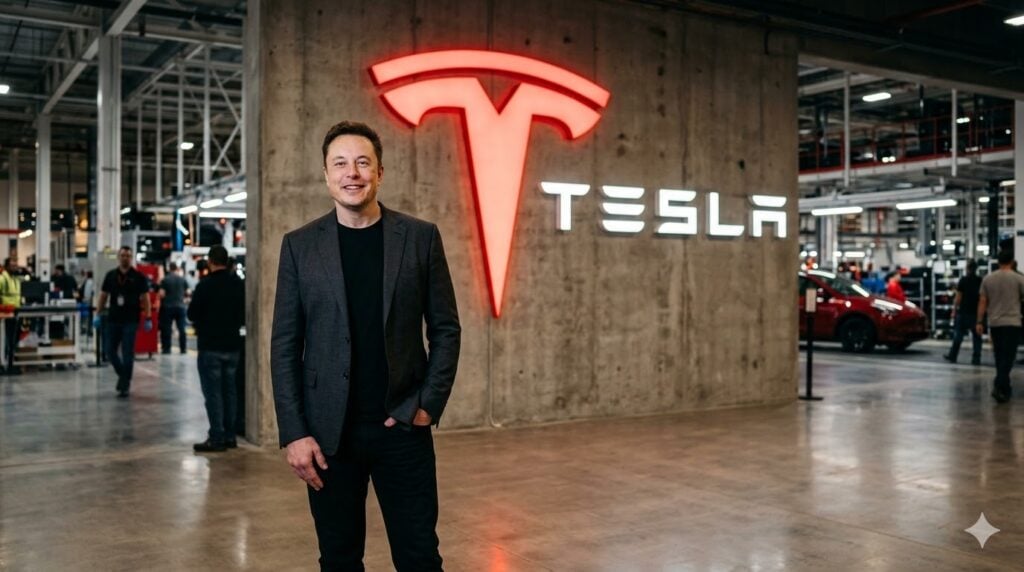
Tesla's Brand Image Declines Amid High Recognition

- Brand Recognition vs. Trust Gap: Tesla, despite its high recognition in the EV sector, has a brand positivity score of -4, significantly lower than Toyota and Honda's scores of +20 and +16, indicating a critical lack of brand trust that could impact future sales and market share.
- Consumer Perception of FSD: When considering Tesla's Full Self-Driving technology, consumers are influenced not only by the technology itself but also by Elon Musk, with negative sentiment accounting for 14%, highlighting the close relationship between brand image and the leader's personal reputation.
- Safety Concerns and Opposition: Among feedback on FSD, 33% of consumers expressed safety concerns, while 17% indicated general dislike for Tesla, suggesting that these sentiments could affect potential customers' purchasing decisions and increase competitive pressure in the market.
- Risk of Brand Trust: As brand trust continues to lag while visibility remains high, Tesla faces increasing brand risk that could exacerbate its position in the EV market, particularly in an increasingly competitive landscape.
Joby Aviation Faces Market Challenges Amidst Economic Headwinds
- Stock Volatility: Joby Aviation's stock has plummeted over 40% this year due to macroeconomic factors such as the Iran War, soaring energy prices, and rate hike expectations, although it still rose over 30% in the past 12 months, reflecting market volatility and investor confidence.
- Technological Edge: Joby's S4 eVTOL can travel 150 miles on a single charge and reach speeds of 200 mph, outperforming most competitors due to its single tilt-rotor design, which has attracted prominent investors and customers like Toyota, Delta Air Lines, and Uber.
- Market Outlook: Analysts expect Joby's revenue to surge from $53 million in 2025 to $459 million by 2028, with net losses gradually narrowing as economies of scale kick in, indicating strong potential in the rapidly growing eVTOL market.
- Risk Factors: Despite Joby's promising growth outlook, military conflicts in Iran and rising energy prices could delay its first commercial flights in Dubai, while interest rate hikes may complicate financing, potentially leading investors to shift towards more conservative strategies.
Iran War Delays Joby's First Flight Plans
- Market Pressures Intensify: Joby Aviation's stock has plummeted over 40% this year due to macroeconomic pressures from the Iran War, soaring energy prices, and rate hike expectations, which have weakened investor confidence and could impact its financing capabilities.
- Significant Technological Edge: Joby's S4 eVTOL can travel 150 miles on a single charge and reach speeds of 200 mph, outperforming competitors due to its single tilt-rotor design, attracting prominent investors like Toyota, Delta Air Lines, and Uber.
- Optimistic Revenue Projections: Analysts expect Joby's revenue to surge from $53 million in 2025 to $459 million by 2028, and while facing market volatility and financing challenges, the realization of economies of scale is expected to gradually narrow net losses.
- Uncertain Market Outlook: The global eVTOL market is projected to expand at a 36.8% CAGR from 2026 to 2034, but Iran's military actions and high energy prices could delay Joby's first commercial flights in Dubai, increasing future uncertainties.
Toyota Reports Slight Drop in February Sales Amidst EV Competition
- Sales Decline: Toyota's global sales in February reached 806,905 units, reflecting a 2.3% year-on-year drop, primarily due to intensified EV competition in China and weak demand in Japan, indicating a challenging market environment.
- Challenges in China: Sales of Toyota and Lexus brands in China fell by 13.9%, while production decreased by 11.5%, mainly attributed to the timing of this year's Lunar New Year holiday affecting operational days, leading to reduced sales figures.
- Intensifying Market Competition: The company noted that the year-on-year sales decline highlights the increasingly competitive market landscape, particularly in the EV sector, where Toyota faces pressure from emerging rivals, impacting its market share.
- Uncertain Future Outlook: Although February sales figures do not yet reflect the impact of the Iran conflict, the company must navigate the evolving market dynamics to maintain its competitiveness in the global automotive sector.
Finnish Startup Develops Solid-State Battery for EVs
- Technological Breakthrough: Finnish startup Donut Lab claims its solid-state battery technology offers higher energy density, ultra-fast charging, and longer lifespan, which could significantly enhance electric vehicle performance; if true, it would transform charging and range capabilities.
- Market Skepticism: Despite the attention garnered by Donut Lab's technology, industry leaders express doubts about the firm's ability to outpace established players that have invested years in similar research, suggesting that bold battery claims often prove difficult to deliver at scale.
- Intensifying Competition: Companies like Contemporary Amperex Technology Co. Limited are also pursuing similar advancements, with some reporting even higher energy density targets, highlighting the fierce competition in battery technology.
- Mass Production Challenges: While solid-state batteries are seen as a promising future solution, the transition from prototypes to mass production remains a significant hurdle, as existing lithium iron phosphate batteries already meet many consumer needs at lower costs and with improving performance.
Toyota Motor Corporation Stock Decline Analysis
- Stock Fluctuation: Toyota Motor Corporation closed at $206.73, down 1.52% from the previous session, outperforming the S&P 500's decline of 1.67%, indicating relative resilience in a volatile market.
- Monthly Performance: Over the past month, Toyota's shares have dropped 13.47%, significantly worse than the Auto-Tires-Trucks sector's 9.96% loss and the S&P 500's 6.15% decline, reflecting market concerns about its future performance.
- Earnings Expectations: The Zacks Consensus Estimates project annual earnings of $17.92 per share and revenue of $308.85 billion, representing declines of 24.1% and 2.05% from last year, highlighting pressure on profitability.
- Rating and Valuation: Currently, Toyota holds a Zacks Rank of #2 (Buy) with a forward P/E ratio of 11.72, slightly above the industry average of 11.49, suggesting cautious optimism regarding its future growth potential.
Tesla's Brand Image Declines Amid High Recognition
- Brand Recognition vs. Trust Gap: Tesla, despite its high recognition in the EV sector, has a brand positivity score of -4, significantly lower than Toyota and Honda's scores of +20 and +16, indicating a critical lack of brand trust that could impact future sales and market share.
- Consumer Perception of FSD: When considering Tesla's Full Self-Driving technology, consumers are influenced not only by the technology itself but also by Elon Musk, with negative sentiment accounting for 14%, highlighting the close relationship between brand image and the leader's personal reputation.
- Safety Concerns and Opposition: Among feedback on FSD, 33% of consumers expressed safety concerns, while 17% indicated general dislike for Tesla, suggesting that these sentiments could affect potential customers' purchasing decisions and increase competitive pressure in the market.
- Risk of Brand Trust: As brand trust continues to lag while visibility remains high, Tesla faces increasing brand risk that could exacerbate its position in the EV market, particularly in an increasingly competitive landscape.