Toyota Boosts Share Buyback Program: Details Here
Written by Emily J. Thompson, Senior Investment Analyst
Updated: Sep 24 2024
0mins


Source: Benzinga
Share Buyback Plan: Toyota has increased its share buyback plan to 1.2 trillion yen ($8.31 billion), aiming to repurchase up to 530 million shares, or 3.93% of its outstanding shares, with the buyback period set from May 9, 2024, to April 30, 2025.
Production Target Adjustment: The company has reduced its 2026 electric vehicle production target by 30% to 1 million cars due to a slowdown in global demand, while its shares are currently down 0.63% at $184.24.
Trade with 70% Backtested Accuracy
Stop guessing "Should I Buy TM?" and start using high-conviction signals backed by rigorous historical data.
Sign up today to access powerful investing tools and make smarter, data-driven decisions.
Analyst Views on TM
About TM
Toyota Motor Corp is a Japan-based company mainly engaged in the automotive business, as well as financial services and other businesses. It operates through three business segments. The Automotive segment designs, manufactures, and sells automobiles, including sedans, minivans, compact cars, sport utility vehicles (SUVs), and trucks, as well as related parts and accessories. The Financial Services segment provides financing and vehicle leasing services to complement the sales of automobiles and other products manufactured by itself and its affiliates. The Other segment engages in information and communications services. It also oversees manufacturing and sales companies, conducts public relations and research activities, oversees financial companies, and develops various mobility products, primarily software.
About the author

Emily J. Thompson
Emily J. Thompson, a Chartered Financial Analyst (CFA) with 12 years in investment research, graduated with honors from the Wharton School. Specializing in industrial and technology stocks, she provides in-depth analysis for Intellectia’s earnings and market brief reports.

Top High-Yield Dividend Stocks: Enbridge and More


- Enbridge's Strong Performance: Enbridge boasts a forward dividend yield of 4.9%, nearly five times that of the S&P 500, and has increased its dividend for 31 consecutive years, reflecting its leadership in the midstream energy sector and stable cash flow, with $50 billion in growth opportunities projected over the next four years.
- Enterprise Products Partners' Stability: Enterprise Products Partners offers a distribution yield of 5.6% and has raised its distribution for 27 years, with a 57% cash flow payout ratio, highlighting its crucial role in the North American midstream energy market while maintaining steady cash flow over the past 20 years.
- Verizon's Growth Potential: Verizon currently pays a forward dividend yield of 5.9% and has increased its dividend for 19 consecutive years, with expected free cash flow of $21.5 billion by 2026, reflecting a 7% year-over-year growth and showcasing its strong financial performance and future growth potential.
- Future Market Demand: With North American LNG demand expected to exceed 30 billion cubic feet per day by 2030, both Enbridge and Enterprise Products Partners are poised to benefit from this trend, particularly as AI and 6G networks drive further market demand.
See More
U.S. New Vehicle Sales Expected to Decline 7.3%


- Sales Forecast Decline: According to a joint report by J.D. Power and GlobalData, U.S. new vehicle sales are expected to decline 7.3% year-over-year to 1.36 million units in April 2026, reflecting weakened consumer demand and market uncertainty.
- Retail Spending Decrease: Retail consumer expenditure is projected to drop to $49.9 billion in April, down $4 billion from a year earlier, indicating a negative impact on overall consumer spending due to the slower sales pace and economic challenges.
- Loan Rate Changes: While the average interest rate on new vehicle loans is expected to decline by 0.3 percentage points to 6.73%, average monthly finance payments are projected to increase by 3.1% year-over-year to $812, primarily due to continued deterioration in trade-in equity, adding to consumer burdens.
- Global Market Outlook: The total global vehicle sales forecast has been revised down from 92.6 million to 91.7 million units, significantly influenced by the Middle East crisis, although positive growth is expected in China and India, declines in North America and the Middle East are likely to drag the overall global market into negative territory.
See More

Toyota Plans New Factory in Texas to Boost Production
- New Factory Plans: Toyota has filed for $2 billion in tax incentives to build a new assembly plant next to its existing San Antonio truck factory, which is expected to create around 2,000 jobs and become Toyota's sixth U.S. assembly site, with production slated for 2030.
- Sales and Profit Challenges: Despite Toyota's U.S. sales exceeding 2.5 million vehicles last year for the first time since 2007, the automaker's North American business flipped to a loss in fiscal 2025 due to significant tariffs, highlighting the urgent need for capacity expansion.
- Market Competition Pressure: Toyota faces intense market competition, particularly in the compact pickup segment, with dealers urging the company to introduce a model to rival the Ford Maverick, which would enhance Toyota's production capacity and market flexibility.
- Strategic Implications: The establishment of the new factory would not only alleviate capacity constraints but also enable Toyota to introduce high-margin pickup models, thereby enhancing overall profitability and maintaining a competitive edge in a challenging market environment.
See More

Toyota Plans New Factory in the U.S.
- New Factory Initiative: Toyota has filed for $2 billion in tax incentives to establish a new assembly plant next to its existing San Antonio truck factory, which is expected to create approximately 2,000 jobs and become Toyota's sixth U.S. assembly site, with production slated for 2030.
- Sales and Profit Challenges: Despite Toyota surpassing 2.5 million U.S. sales in 2022 for the first time since 2007, its North American business reported a loss in fiscal 2025 due to significant tariffs, highlighting the dilemma of operating at record efficiency levels without additional production capacity, leading to potential profit losses.
- Market Competition Strategy: Toyota's retail inventory is the tightest in the industry, limiting fleet sales to 10%-12%, which allows the automaker to drive retail sales with lower incentive spending, demonstrating its agile response to market competition.
- Need for Product Line Expansion: Toyota dealers are urging the company to introduce a compact pickup to rival the Ford Maverick, designed based on the popular RAV4 SUV, which would enhance Toyota's production capacity and product flexibility while increasing profit margins and driving sales growth.
See More
Canada's Introduction of Chinese EVs: Implications
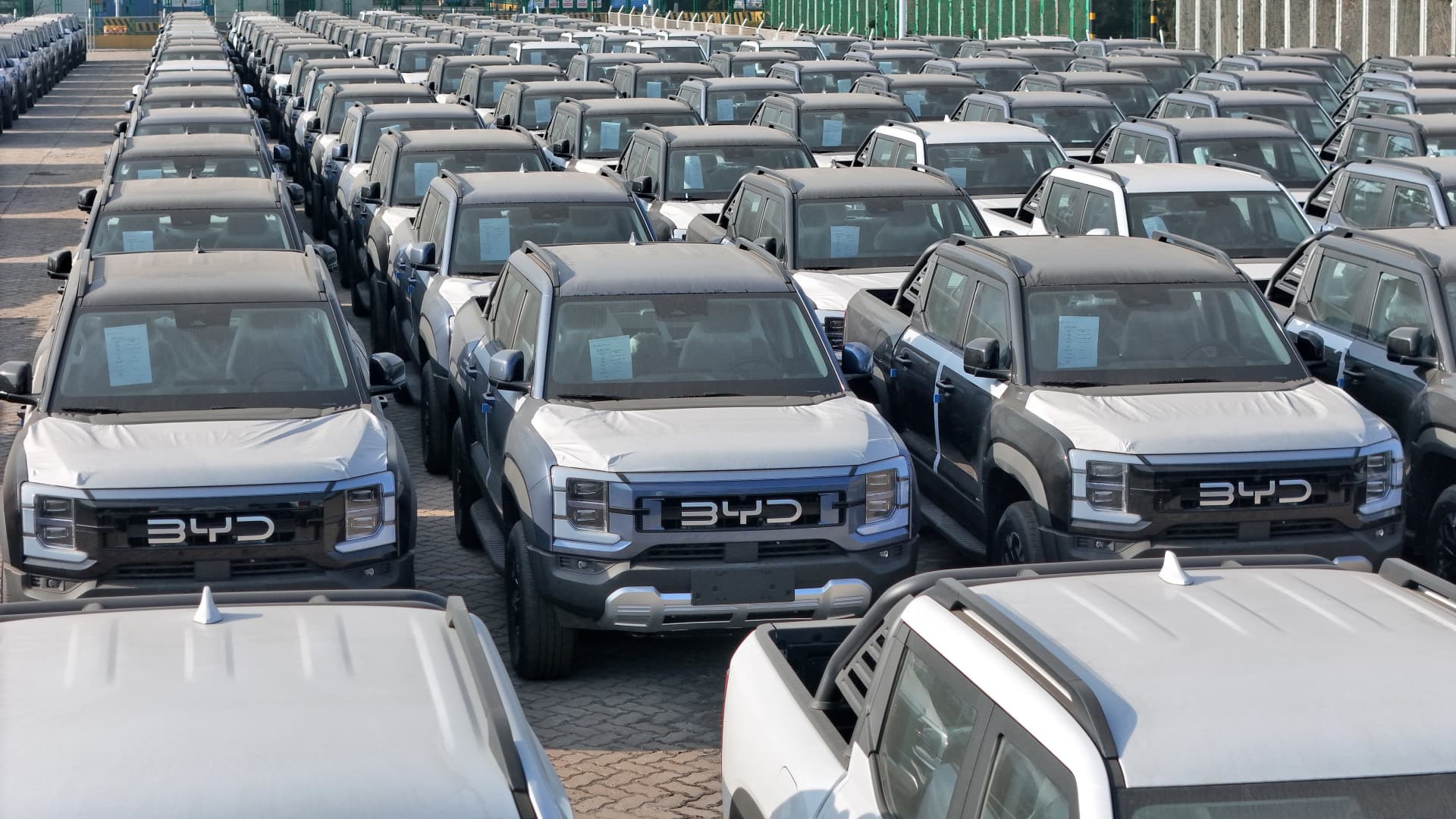
- Market Access Policy: Canada permits the import of 49,000 Chinese electric vehicles annually at a 6.1% tariff, significantly lower than the 100% tariff on other Chinese vehicles, aiming to control market entry while protecting domestic auto industry interests.
- Surge in Dealer Interest: Following the policy announcement, nearly 400 Canadian dealers have expressed interest in representing Chinese brands, indicating a strong market appetite for new competitors and potential consumer demand for diverse EV options.
- Positive Consumer Response: In Nova Scotia, consumers are showing keen interest in Chinese EVs, believing they will enhance market choices, particularly in light of rising gas prices, which makes electric vehicles increasingly appealing.
- Industry Competition Dynamics: While the introduction of Chinese EVs could capture 3% to 5% of the market share, experts suggest this level is insufficient to significantly alter the competitive landscape, with major brands like GM, Ford, and Toyota remaining dominant.
See More

U.S. Automakers Cut Over 20,000 Jobs Amid AI Expansion

- Escalating Job Cuts: The Detroit Three automakers have collectively reduced over 20,000 white-collar jobs since recent employment peaks, representing 19% of their total workforce, highlighting significant challenges faced by the industry due to technological changes.
- GM Leads Layoffs: General Motors has cut approximately 11,000 employees from 2022 to 2023, despite having expanded to 58,000 white-collar workers in 2020, reflecting pressures as the company transitions towards software-defined and electric vehicles.
- AI's Profound Impact: Ford's CEO has stated that artificial intelligence could replace half of all white-collar jobs in the U.S., particularly in repetitive roles such as finance and IT, although positions in emerging areas like autonomous vehicles and cybersecurity are still on the rise.
- Hiring Amid Cuts: Despite layoffs, the three automakers are still hiring, particularly in AI-related fields, with GM planning to recruit over 250 AI positions, indicating a demand for new skills as companies navigate their transformation.
See More
Top High-Yield Dividend Stocks: Enbridge and More
- Enbridge's Strong Performance: Enbridge boasts a forward dividend yield of 4.9%, nearly five times that of the S&P 500, and has increased its dividend for 31 consecutive years, reflecting its leadership in the midstream energy sector and stable cash flow, with $50 billion in growth opportunities projected over the next four years.
- Enterprise Products Partners' Stability: Enterprise Products Partners offers a distribution yield of 5.6% and has raised its distribution for 27 years, with a 57% cash flow payout ratio, highlighting its crucial role in the North American midstream energy market while maintaining steady cash flow over the past 20 years.
- Verizon's Growth Potential: Verizon currently pays a forward dividend yield of 5.9% and has increased its dividend for 19 consecutive years, with expected free cash flow of $21.5 billion by 2026, reflecting a 7% year-over-year growth and showcasing its strong financial performance and future growth potential.
- Future Market Demand: With North American LNG demand expected to exceed 30 billion cubic feet per day by 2030, both Enbridge and Enterprise Products Partners are poised to benefit from this trend, particularly as AI and 6G networks drive further market demand.
See More
U.S. New Vehicle Sales Expected to Decline 7.3%
- Sales Forecast Decline: According to a joint report by J.D. Power and GlobalData, U.S. new vehicle sales are expected to decline 7.3% year-over-year to 1.36 million units in April 2026, reflecting weakened consumer demand and market uncertainty.
- Retail Spending Decrease: Retail consumer expenditure is projected to drop to $49.9 billion in April, down $4 billion from a year earlier, indicating a negative impact on overall consumer spending due to the slower sales pace and economic challenges.
- Loan Rate Changes: While the average interest rate on new vehicle loans is expected to decline by 0.3 percentage points to 6.73%, average monthly finance payments are projected to increase by 3.1% year-over-year to $812, primarily due to continued deterioration in trade-in equity, adding to consumer burdens.
- Global Market Outlook: The total global vehicle sales forecast has been revised down from 92.6 million to 91.7 million units, significantly influenced by the Middle East crisis, although positive growth is expected in China and India, declines in North America and the Middle East are likely to drag the overall global market into negative territory.
See More
Toyota Plans New Factory in Texas to Boost Production
- New Factory Plans: Toyota has filed for $2 billion in tax incentives to build a new assembly plant next to its existing San Antonio truck factory, which is expected to create around 2,000 jobs and become Toyota's sixth U.S. assembly site, with production slated for 2030.
- Sales and Profit Challenges: Despite Toyota's U.S. sales exceeding 2.5 million vehicles last year for the first time since 2007, the automaker's North American business flipped to a loss in fiscal 2025 due to significant tariffs, highlighting the urgent need for capacity expansion.
- Market Competition Pressure: Toyota faces intense market competition, particularly in the compact pickup segment, with dealers urging the company to introduce a model to rival the Ford Maverick, which would enhance Toyota's production capacity and market flexibility.
- Strategic Implications: The establishment of the new factory would not only alleviate capacity constraints but also enable Toyota to introduce high-margin pickup models, thereby enhancing overall profitability and maintaining a competitive edge in a challenging market environment.
See More
Toyota Plans New Factory in the U.S.
- New Factory Initiative: Toyota has filed for $2 billion in tax incentives to establish a new assembly plant next to its existing San Antonio truck factory, which is expected to create approximately 2,000 jobs and become Toyota's sixth U.S. assembly site, with production slated for 2030.
- Sales and Profit Challenges: Despite Toyota surpassing 2.5 million U.S. sales in 2022 for the first time since 2007, its North American business reported a loss in fiscal 2025 due to significant tariffs, highlighting the dilemma of operating at record efficiency levels without additional production capacity, leading to potential profit losses.
- Market Competition Strategy: Toyota's retail inventory is the tightest in the industry, limiting fleet sales to 10%-12%, which allows the automaker to drive retail sales with lower incentive spending, demonstrating its agile response to market competition.
- Need for Product Line Expansion: Toyota dealers are urging the company to introduce a compact pickup to rival the Ford Maverick, designed based on the popular RAV4 SUV, which would enhance Toyota's production capacity and product flexibility while increasing profit margins and driving sales growth.
See More
Canada's Introduction of Chinese EVs: Implications
- Market Access Policy: Canada permits the import of 49,000 Chinese electric vehicles annually at a 6.1% tariff, significantly lower than the 100% tariff on other Chinese vehicles, aiming to control market entry while protecting domestic auto industry interests.
- Surge in Dealer Interest: Following the policy announcement, nearly 400 Canadian dealers have expressed interest in representing Chinese brands, indicating a strong market appetite for new competitors and potential consumer demand for diverse EV options.
- Positive Consumer Response: In Nova Scotia, consumers are showing keen interest in Chinese EVs, believing they will enhance market choices, particularly in light of rising gas prices, which makes electric vehicles increasingly appealing.
- Industry Competition Dynamics: While the introduction of Chinese EVs could capture 3% to 5% of the market share, experts suggest this level is insufficient to significantly alter the competitive landscape, with major brands like GM, Ford, and Toyota remaining dominant.
See More
U.S. Automakers Cut Over 20,000 Jobs Amid AI Expansion
- Escalating Job Cuts: The Detroit Three automakers have collectively reduced over 20,000 white-collar jobs since recent employment peaks, representing 19% of their total workforce, highlighting significant challenges faced by the industry due to technological changes.
- GM Leads Layoffs: General Motors has cut approximately 11,000 employees from 2022 to 2023, despite having expanded to 58,000 white-collar workers in 2020, reflecting pressures as the company transitions towards software-defined and electric vehicles.
- AI's Profound Impact: Ford's CEO has stated that artificial intelligence could replace half of all white-collar jobs in the U.S., particularly in repetitive roles such as finance and IT, although positions in emerging areas like autonomous vehicles and cybersecurity are still on the rise.
- Hiring Amid Cuts: Despite layoffs, the three automakers are still hiring, particularly in AI-related fields, with GM planning to recruit over 250 AI positions, indicating a demand for new skills as companies navigate their transformation.
See More