TotalEnergies Restarts Production at Mabruk Oil Field in Libya
Written by Emily J. Thompson, Senior Investment Analyst
Updated: 1 hour ago
0mins
Should l Buy TTE?
Source: Newsfilter
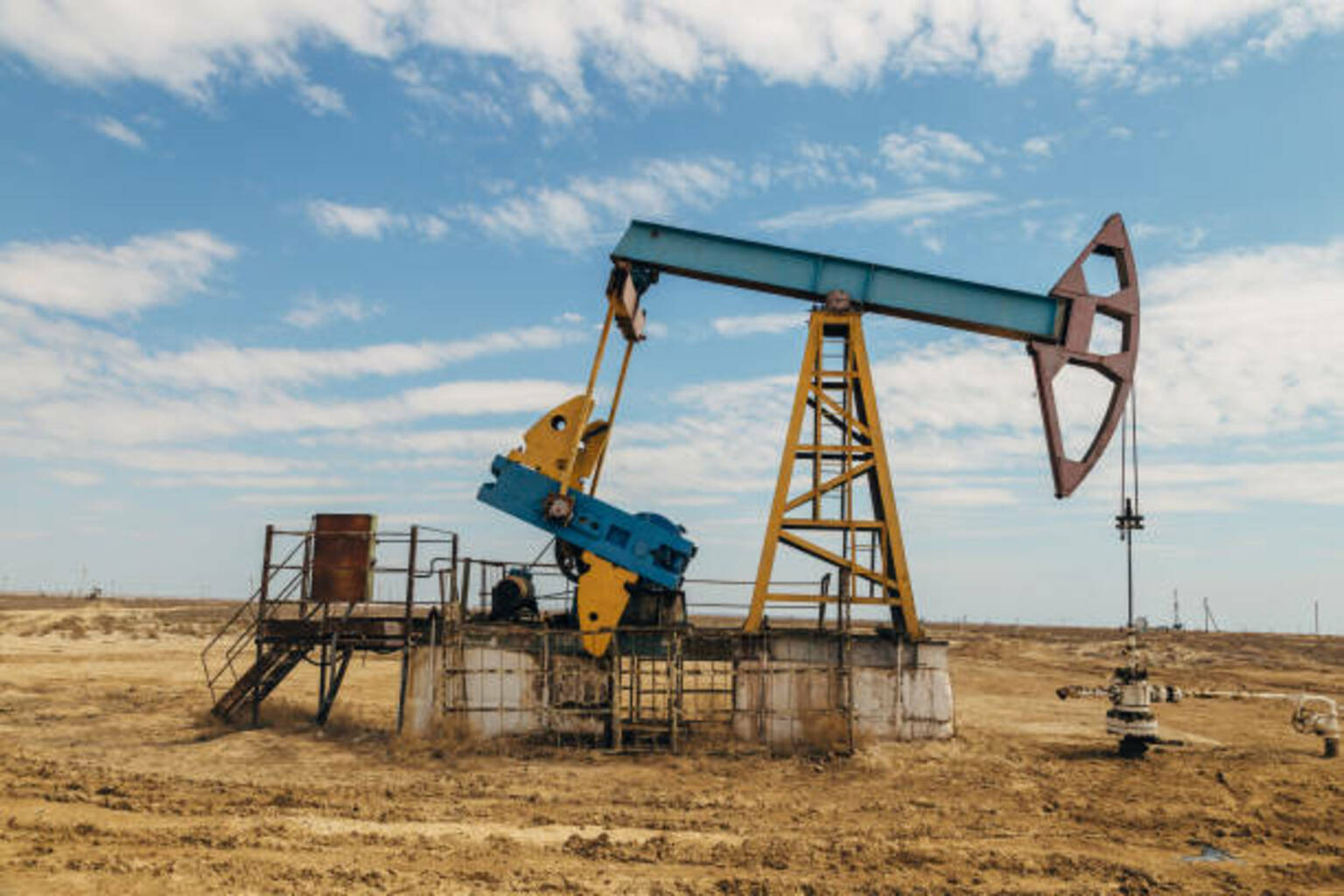
- Production Restart: TotalEnergies has restarted production at the Mabruk oil field in Libya, where it holds a 37.5% interest, marking the first production since 2015 and illustrating the company's long-term commitment to the region.
- New Production Unit Construction: The construction of a new production unit with a capacity of 25,000 barrels per day began in May 2024, with startup expected on February 28, 2026, demonstrating TotalEnergies' determination to rapidly restore production capacity.
- Strategic Growth Target: TotalEnergies aims for a 3% annual production growth until 2030, with this restart complementing recent announcements regarding the extension of the Waha concessions, further driving low-cost, low-emission oil production.
- Long-standing Market Presence: Having operated in Libya since 1956, TotalEnergies averaged 113,000 barrels of oil equivalent per day in 2025, showcasing its deep-rooted presence and market influence in the region.
Trade with 70% Backtested Accuracy
Stop guessing "Should I Buy TTE?" and start using high-conviction signals backed by rigorous historical data.
Sign up today to access powerful investing tools and make smarter, data-driven decisions.
Analyst Views on TTE
Wall Street analysts forecast TTE stock price to fall
16 Analyst Rating
8 Buy
8 Hold
0 Sell
Moderate Buy
Current: 80.080

Low
60.04
Averages
71.67
High
90.93
Current: 80.080
Low
60.04
Averages
71.67
High
90.93
About TTE
TotalEnergies SE is a France-based company. The Company is predominantly engaged in the business as a worldwide oil group. Its segment divisions are divided into refining and chemistry such as refining of petroleum products and manufacture of basic chemistry and of specialty chemistry, petroleum products distribution, electricity generation from combined cycle gas plants and renewable energies, gas production, trading, transport and distribution primarily includes liquefied natural gas, natural gas, biogas, hydrogen, liquefied petroleum gas and hydrocarbon operating and production. The group is also operating in trading and sea transport of crude oil and oil products.
About the author

Emily J. Thompson
Emily J. Thompson, a Chartered Financial Analyst (CFA) with 12 years in investment research, graduated with honors from the Wharton School. Specializing in industrial and technology stocks, she provides in-depth analysis for Intellectia’s earnings and market brief reports.

TotalEnergies Launches Lapa South-West Project in Brazil
- Project Launch: TotalEnergies has commenced the Lapa South-West project in Brazil's Santos Basin, which is expected to add 25,000 barrels per day to production, further solidifying its market position in Brazil and demonstrating the company's strategic focus on key growth markets.
- Low-Cost Production: The project leverages the existing capacity of the Lapa floating production, storage, and offloading unit to ensure low-cost and low-emission oil production, aligning with the company's goal of achieving a 3% annual production growth until 2030, thereby enhancing its sustainability strategy.
- Future Developments: The launch of the Lapa South-West project signifies TotalEnergies' ongoing investment in Brazil, following the Mero-4 project in 2025, with plans to initiate Atapu-2 and Sépia-2 projects in 2029, further expanding its production capabilities in the region.
- Renewable Energy Investment: TotalEnergies is also accelerating its renewable energy investments in Brazil, having partnered with Casa dos Ventos in 2022 to develop a 12 GW renewable energy portfolio, showcasing the company's dual strategy in both traditional and renewable energy sectors.
See More
TotalEnergies Responds to Oil Market Volatility
- Temporary Price Caps: TotalEnergies has announced temporary pump price caps in France, setting gasoline at €1.99 per liter and diesel at €2.09 per liter to shield consumers from global oil price fluctuations, effective March 13 across its 3,300-station network.
- Monitoring Diesel Markets: The company is closely monitoring the highly volatile diesel markets due to the Gulf War, as France's heavy reliance on imported diesel makes domestic prices susceptible to international fluctuations, ensuring that its transparent pricing policy passes on price changes to consumers without delay.
- Libyan Oil Field Resumption: TotalEnergies has resumed production at the Mabruk oil field in Libya, which had been inactive since 2015, with a new facility capable of producing 25,000 barrels per day that began operations on February 28, 2026, completing the project in under two years.
- Future Earnings Outlook: The upcoming earnings report on April 29, 2026, is expected to be a major catalyst for the stock, with an estimated EPS of $1.68, down from last year's $1.83, and revenue expectations of $42.92 billion, indicating pressure on profitability amid market challenges.
See More
TotalEnergies Restarts Production at Mabruk Oil Field in Libya
- Production Restart: TotalEnergies has restarted production at the Mabruk oil field in Libya, where it holds a 37.5% interest, marking the first production since 2015 and illustrating the company's long-term commitment to the region.
- New Production Unit Construction: The construction of a new production unit with a capacity of 25,000 barrels per day began in May 2024, with startup expected on February 28, 2026, demonstrating TotalEnergies' determination to rapidly restore production capacity.
- Strategic Growth Target: TotalEnergies aims for a 3% annual production growth until 2030, with this restart complementing recent announcements regarding the extension of the Waha concessions, further driving low-cost, low-emission oil production.
- Long-standing Market Presence: Having operated in Libya since 1956, TotalEnergies averaged 113,000 barrels of oil equivalent per day in 2025, showcasing its deep-rooted presence and market influence in the region.
See More
Investment Choices in Global Energy Transition


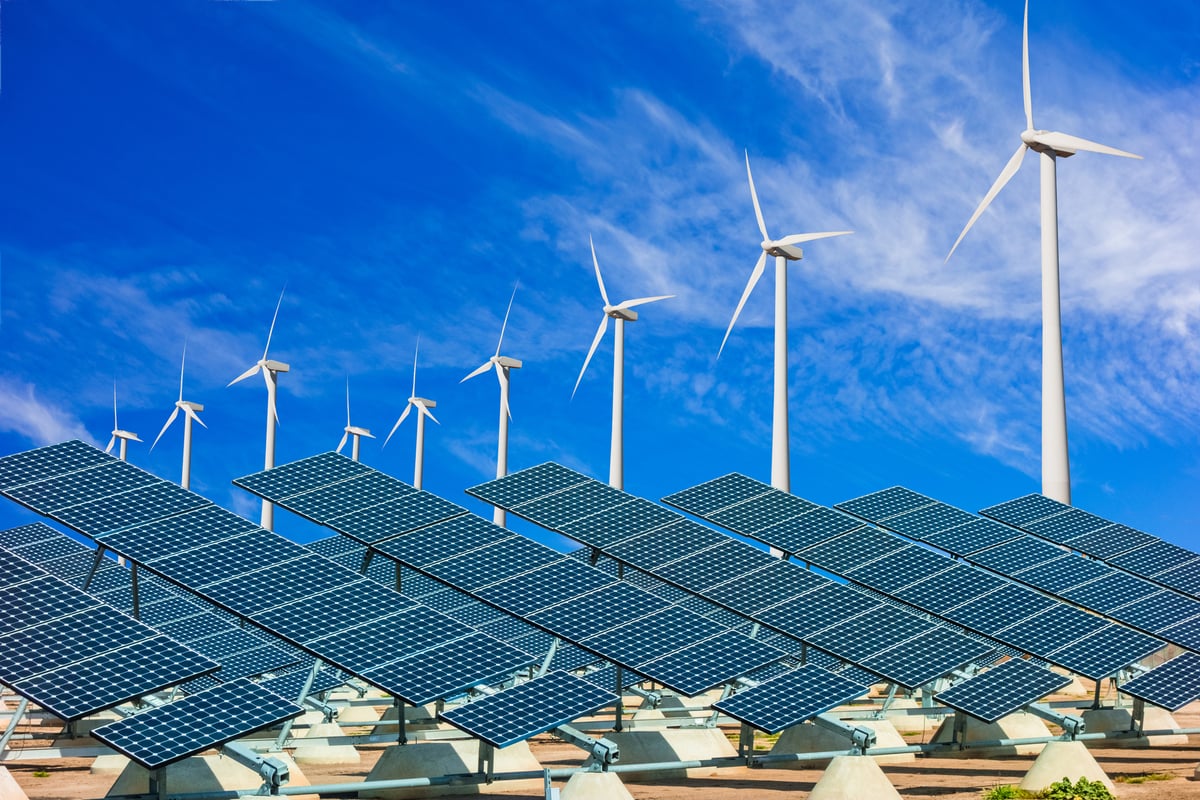
- Brookfield Renewable: Brookfield Renewable's assets span hydroelectric, solar, and wind power, with an average funds from operations growth of 8% over the past decade and a 5% annual distribution increase, showcasing its strong performance in the global clean energy transition.
- NextEra Energy: As one of the largest utility companies in the U.S., NextEra Energy achieved an 11% annualized dividend growth over the past decade, with a 2.7% dividend yield that exceeds the industry average, indicating optimistic long-term growth potential amid the clean energy shift.
- TotalEnergies' Uniqueness: TotalEnergies, as an integrated energy giant, still primarily focuses on oil and gas; however, its commitment to investing carbon profits into clean energy is notable, with clean energy assets projected to account for 12% of its business by 2025, offering investors a chance to engage in the energy transition.
- Investment Strategy Choices: Investors can choose to fully commit to Brookfield Renewable, opt for the more conservative NextEra Energy, or find a balance between traditional and clean energy through TotalEnergies, catering to varying risk appetites in their investment strategies.
See More

Analysis of Clean Energy Investment Opportunities
- Brookfield Renewable: Brookfield Renewable has achieved an average funds from operations growth of 8% over the past decade, with a distribution growth rate of 5% annually, indicating strong performance in the clean energy transition that attracts more conservative investors.
- NextEra Energy: As one of the largest utilities in the U.S., NextEra Energy boasts an 11% annualized dividend growth rate and a 2.7% dividend yield, which is above the industry average, showcasing the company's long-term growth potential in the clean energy shift.
- TotalEnergies' Uniqueness: TotalEnergies invests about 12% of its revenue into clean energy within its integrated business model, and despite being an integrated energy giant, its 4.8% dividend yield offers investors a chance to participate in the energy transition.
- Diversity of Investment Choices: Brookfield is suited for aggressive investors, NextEra Energy appeals to conservative investors, while TotalEnergies provides a unique option for those looking to invest in both carbon fuels and clean energy.
See More
QatarEnergy Declares Force Majeure Amid Drone Attack

- Production Disruption: QatarEnergy has shut down its Ras Laffan LNG plant, the largest in the world, due to a drone attack, leading to significant disruptions in global LNG supply chains.
- Force Majeure Declaration: Following the production halt, QatarEnergy declared force majeure to its customers, impacting long-term partners like Shell and TotalEnergies, which may result in supply delays.
- Partner Impact: Shell and TotalEnergies are estimated to offtake 6.8 million tons and 5.2 million tons of Qatari LNG annually, respectively, and the production shutdown will directly affect their supply capabilities and market shares.
- Future Outlook: Despite current challenges, Shell and TotalEnergies remain involved in QatarEnergy's North Field expansion project, which aims to boost capacity by 2027, demonstrating confidence in their long-term partnership.
See More
TotalEnergies Launches Lapa South-West Project in Brazil
- Project Launch: TotalEnergies has commenced the Lapa South-West project in Brazil's Santos Basin, which is expected to add 25,000 barrels per day to production, further solidifying its market position in Brazil and demonstrating the company's strategic focus on key growth markets.
- Low-Cost Production: The project leverages the existing capacity of the Lapa floating production, storage, and offloading unit to ensure low-cost and low-emission oil production, aligning with the company's goal of achieving a 3% annual production growth until 2030, thereby enhancing its sustainability strategy.
- Future Developments: The launch of the Lapa South-West project signifies TotalEnergies' ongoing investment in Brazil, following the Mero-4 project in 2025, with plans to initiate Atapu-2 and Sépia-2 projects in 2029, further expanding its production capabilities in the region.
- Renewable Energy Investment: TotalEnergies is also accelerating its renewable energy investments in Brazil, having partnered with Casa dos Ventos in 2022 to develop a 12 GW renewable energy portfolio, showcasing the company's dual strategy in both traditional and renewable energy sectors.
See More
TotalEnergies Responds to Oil Market Volatility
- Temporary Price Caps: TotalEnergies has announced temporary pump price caps in France, setting gasoline at €1.99 per liter and diesel at €2.09 per liter to shield consumers from global oil price fluctuations, effective March 13 across its 3,300-station network.
- Monitoring Diesel Markets: The company is closely monitoring the highly volatile diesel markets due to the Gulf War, as France's heavy reliance on imported diesel makes domestic prices susceptible to international fluctuations, ensuring that its transparent pricing policy passes on price changes to consumers without delay.
- Libyan Oil Field Resumption: TotalEnergies has resumed production at the Mabruk oil field in Libya, which had been inactive since 2015, with a new facility capable of producing 25,000 barrels per day that began operations on February 28, 2026, completing the project in under two years.
- Future Earnings Outlook: The upcoming earnings report on April 29, 2026, is expected to be a major catalyst for the stock, with an estimated EPS of $1.68, down from last year's $1.83, and revenue expectations of $42.92 billion, indicating pressure on profitability amid market challenges.
See More
TotalEnergies Restarts Production at Mabruk Oil Field in Libya
- Production Restart: TotalEnergies has restarted production at the Mabruk oil field in Libya, where it holds a 37.5% interest, marking the first production since 2015 and illustrating the company's long-term commitment to the region.
- New Production Unit Construction: The construction of a new production unit with a capacity of 25,000 barrels per day began in May 2024, with startup expected on February 28, 2026, demonstrating TotalEnergies' determination to rapidly restore production capacity.
- Strategic Growth Target: TotalEnergies aims for a 3% annual production growth until 2030, with this restart complementing recent announcements regarding the extension of the Waha concessions, further driving low-cost, low-emission oil production.
- Long-standing Market Presence: Having operated in Libya since 1956, TotalEnergies averaged 113,000 barrels of oil equivalent per day in 2025, showcasing its deep-rooted presence and market influence in the region.
See More
Investment Choices in Global Energy Transition
- Brookfield Renewable: Brookfield Renewable's assets span hydroelectric, solar, and wind power, with an average funds from operations growth of 8% over the past decade and a 5% annual distribution increase, showcasing its strong performance in the global clean energy transition.
- NextEra Energy: As one of the largest utility companies in the U.S., NextEra Energy achieved an 11% annualized dividend growth over the past decade, with a 2.7% dividend yield that exceeds the industry average, indicating optimistic long-term growth potential amid the clean energy shift.
- TotalEnergies' Uniqueness: TotalEnergies, as an integrated energy giant, still primarily focuses on oil and gas; however, its commitment to investing carbon profits into clean energy is notable, with clean energy assets projected to account for 12% of its business by 2025, offering investors a chance to engage in the energy transition.
- Investment Strategy Choices: Investors can choose to fully commit to Brookfield Renewable, opt for the more conservative NextEra Energy, or find a balance between traditional and clean energy through TotalEnergies, catering to varying risk appetites in their investment strategies.
See More
Analysis of Clean Energy Investment Opportunities
- Brookfield Renewable: Brookfield Renewable has achieved an average funds from operations growth of 8% over the past decade, with a distribution growth rate of 5% annually, indicating strong performance in the clean energy transition that attracts more conservative investors.
- NextEra Energy: As one of the largest utilities in the U.S., NextEra Energy boasts an 11% annualized dividend growth rate and a 2.7% dividend yield, which is above the industry average, showcasing the company's long-term growth potential in the clean energy shift.
- TotalEnergies' Uniqueness: TotalEnergies invests about 12% of its revenue into clean energy within its integrated business model, and despite being an integrated energy giant, its 4.8% dividend yield offers investors a chance to participate in the energy transition.
- Diversity of Investment Choices: Brookfield is suited for aggressive investors, NextEra Energy appeals to conservative investors, while TotalEnergies provides a unique option for those looking to invest in both carbon fuels and clean energy.
See More
QatarEnergy Declares Force Majeure Amid Drone Attack
- Production Disruption: QatarEnergy has shut down its Ras Laffan LNG plant, the largest in the world, due to a drone attack, leading to significant disruptions in global LNG supply chains.
- Force Majeure Declaration: Following the production halt, QatarEnergy declared force majeure to its customers, impacting long-term partners like Shell and TotalEnergies, which may result in supply delays.
- Partner Impact: Shell and TotalEnergies are estimated to offtake 6.8 million tons and 5.2 million tons of Qatari LNG annually, respectively, and the production shutdown will directly affect their supply capabilities and market shares.
- Future Outlook: Despite current challenges, Shell and TotalEnergies remain involved in QatarEnergy's North Field expansion project, which aims to boost capacity by 2027, demonstrating confidence in their long-term partnership.
See More