Toast and Uber Collaborate to Assist Restaurants in Drawing More Customers

Partnership Overview: Toast Inc. and Uber Technologies Inc. have formed a multi-year global partnership to enhance restaurant digital operations and online sales, starting in the U.S. and Canada before expanding internationally in 2026.
Integration Benefits: The collaboration will make Uber the preferred food delivery service for Toast users, allowing restaurant owners to manage promotions and advertising directly through Toast’s platform, improving order and delivery management.
Expansion Plans: The partnership will extend delivery integrations to Canada, Ireland, and the UK, building on their previous collaboration that began in 2021 and expanded in 2024.
Leadership Insights: Toast's CEO emphasized the partnership's goal of creating a seamless experience for restaurants, while Uber's Global Head of Delivery highlighted the potential for merchants to unlock new revenue with reduced complexity.
Trade with 70% Backtested Accuracy
Analyst Views on DASH

About DASH
About the author


Comparative Analysis of Food Delivery and Ride-Sharing Industries

- DoorDash Growth: In FY 2025, DoorDash achieved approximately $13.7 billion in revenue, reflecting a 27.9% year-over-year growth, alongside a net income of nearly $935 million, showcasing its leadership in local commerce and significant profitability improvement.
- Lyft Profitability: Lyft reported around $6.3 billion in revenue for the same fiscal year, with a growth rate of 9.2% and a net income of approximately $2.8 billion, resulting in a net margin close to 45%, indicating success in optimizing its rider network and integrating new service tiers.
- Risks and Challenges: DoorDash faces competitive pressures and legal challenges, particularly regarding driver classification and pay transparency, while Lyft is dealing with significant litigation risks related to safety and assault claims, which could lead to substantial financial liabilities.
- Valuation Comparison: Despite DoorDash's strong growth prospects with a forward P/E of 74.5x, Lyft appears more attractively priced at 24.7x, suggesting that while DoorDash commands a premium for growth, Lyft's lower valuation may offer better investment opportunities despite its smaller scale.
Investment Comparison: DoorDash vs. Lyft
- DoorDash Financial Performance: In FY 2025, DoorDash reported revenue of nearly $13.7 billion, reflecting a 27.9% year-over-year growth, and achieved a net income of approximately $935 million, showcasing its strong growth and profitability in the local commerce sector.
- Lyft Profitability: Lyft reported revenue of about $6.3 billion in FY 2025, marking a 9.2% increase from the previous year, and achieved a net income of approximately $2.8 billion, with a net margin close to 45%, indicating success in the premium market and operational efficiency.
- Competitive Pressure: DoorDash faces intense competition from Uber, particularly following its acquisition of Postmates, along with legal challenges and regulatory scrutiny that could impact its future market position and profitability.
- Lyft's Legal Risks: Lyft is currently dealing with significant litigation risks related to safety and assault claims, which could result in substantial financial liabilities, while uncertainties in driver classification regulations in key markets pose additional operational challenges.

UK M&A Market Booms Amid Valuation Gap
- Surge in M&A Activity: According to Citi UK CEO Tiina Lee, the UK M&A market is booming, particularly as large companies simplify their business portfolios to focus on core operations, with 28 transactions announced in 2023 indicating strong foreign investment trends.
- Rising Deal Values: Despite a 12% decline in the number of deals last year, the total value of transactions increased by approximately 12%, suggesting that strategic buyers and private equity firms are increasingly targeting high-quality assets, with average deal sizes soaring by 30%.
- Focus on Core Competencies: Lee highlighted transactions such as McCormick's deal with Unilever's food business and Diageo's sale of its Indian cricket team as examples of major companies sharpening their focus around core competencies, reflecting a strategic shift in the market.
- Weak IPO Market: In contrast to the active M&A landscape, the UK IPO market remains relatively weak, although 2025 is projected to be the strongest year for London IPO activity since 2021, with overall volumes still below previous year levels.

Supreme Court Rulings Have Significant Implications

- Supreme Court Rulings: The Supreme Court ruled that Trump can fire FTC Commissioner Rebecca Slaughter but cannot dismiss Federal Reserve Governor Lisa Cook, indicating a protective stance on independent regulatory bodies that may impact future policy execution and market confidence.
- Market Dynamics: The Dow Jones Industrial Average closed above 52,000 for the first time, bolstered by a nearly 5% rise in Alphabet, although the S&P 500 and Nasdaq Composite are facing downward pressure, reflecting market uncertainty.
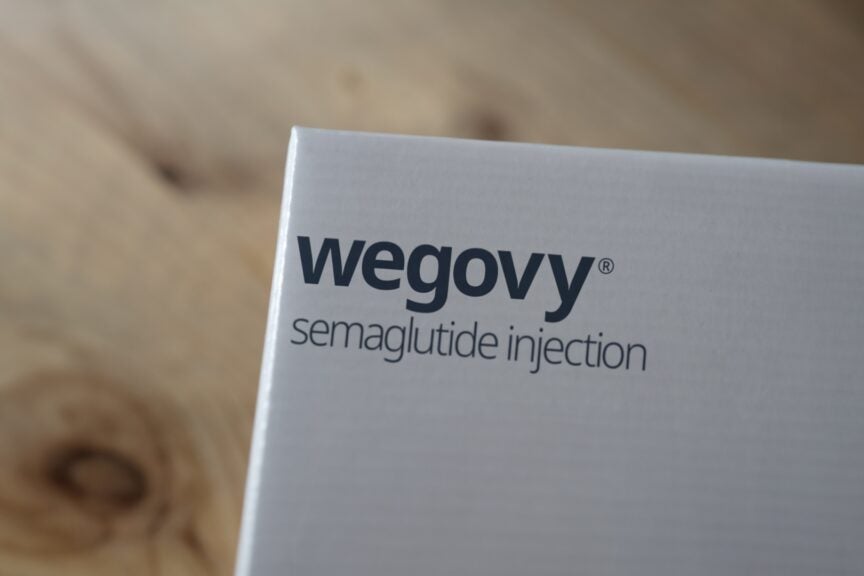
- New Medicare Coverage: Starting tomorrow, Medicare will cover obesity drugs for the first time, potentially bringing a large new patient population to Novo Nordisk and Eli Lilly, which could reshape the competitive landscape in obesity treatment.
- Comcast Strategic Shift: Comcast announced plans to spin off NBCUniversal and Sky into a publicly traded company, and while analysts speculate on potential mergers, co-CEO Brian Roberts stated this is not a precursor to M&A, indicating a cautious strategic approach.
Supreme Court Rulings Have Far-Reaching Implications
- Supreme Court Ruling: The U.S. Supreme Court ruled that Trump can fire Federal Trade Commission Commissioner Rebecca Slaughter but cannot remove Federal Reserve Governor Lisa Cook for now, indicating a protective stance towards independent regulatory bodies that may affect future policy execution stability.
- Market Dynamics: The Dow Jones Industrial Average closed above 52,000 for the first time, buoyed by a nearly 5% rise in Google parent Alphabet, while the S&P 500 and Nasdaq Composite face downward pressure, reflecting a divergence in market performance.
- Medicare Policy Change: Starting tomorrow, Medicare will cover obesity drugs for the first time, potentially bringing in a large new patient population for GLP-1 producers like Novo Nordisk and Eli Lilly, which could significantly boost market demand for these medications.
- Comcast Restructuring: Comcast announced plans to spin off NBCUniversal and Sky into a publicly traded company, and while analysts speculate about potential mergers, company executives clarified that this move is not a precursor to acquisitions, indicating a cautious strategic approach.
Uber-Waymo Robotaxi Pilot Program Concludes in Phoenix


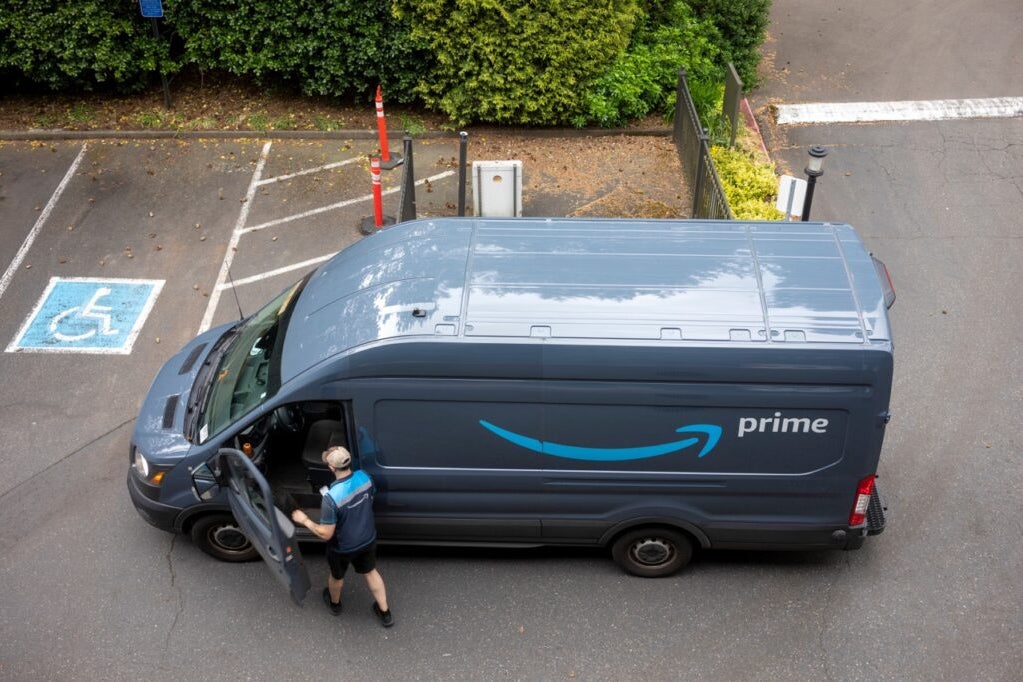
- Pilot Program Conclusion: The Uber-Waymo robotaxi pilot program in Phoenix, Arizona has officially ended, although Waymo's autonomous vehicles will continue to operate in the area for deliveries, highlighting the limitations of the pilot and future uncertainties.
- Vehicle Deployment: Waymo operates a fleet of approximately 4,000 automated vehicles in the U.S., with only a dozen deployed in Phoenix for the pilot, as Uber noted that this limited deployment provided valuable insights for scaling operations in Austin and Atlanta, reflecting the company's strategic positioning in the autonomous driving sector.
- Market Competition Dynamics: With Uber's autonomous rides no longer available through its app, questions arise regarding Uber's dominance in the future self-driving services market, especially in light of Waymo's partnership with DoorDash, which could impact Uber's market share.
- Future Collaboration Outlook: Waymo stated that the pilot paved the way for future expansions and global partnerships, and while the collaboration with Uber has ended, Waymo plans to offer robotaxi services through Lyft in Nashville, indicating an intensifying competitive landscape.
Comparative Analysis of Food Delivery and Ride-Sharing Industries
- DoorDash Growth: In FY 2025, DoorDash achieved approximately $13.7 billion in revenue, reflecting a 27.9% year-over-year growth, alongside a net income of nearly $935 million, showcasing its leadership in local commerce and significant profitability improvement.
- Lyft Profitability: Lyft reported around $6.3 billion in revenue for the same fiscal year, with a growth rate of 9.2% and a net income of approximately $2.8 billion, resulting in a net margin close to 45%, indicating success in optimizing its rider network and integrating new service tiers.
- Risks and Challenges: DoorDash faces competitive pressures and legal challenges, particularly regarding driver classification and pay transparency, while Lyft is dealing with significant litigation risks related to safety and assault claims, which could lead to substantial financial liabilities.
- Valuation Comparison: Despite DoorDash's strong growth prospects with a forward P/E of 74.5x, Lyft appears more attractively priced at 24.7x, suggesting that while DoorDash commands a premium for growth, Lyft's lower valuation may offer better investment opportunities despite its smaller scale.
Investment Comparison: DoorDash vs. Lyft
- DoorDash Financial Performance: In FY 2025, DoorDash reported revenue of nearly $13.7 billion, reflecting a 27.9% year-over-year growth, and achieved a net income of approximately $935 million, showcasing its strong growth and profitability in the local commerce sector.
- Lyft Profitability: Lyft reported revenue of about $6.3 billion in FY 2025, marking a 9.2% increase from the previous year, and achieved a net income of approximately $2.8 billion, with a net margin close to 45%, indicating success in the premium market and operational efficiency.
- Competitive Pressure: DoorDash faces intense competition from Uber, particularly following its acquisition of Postmates, along with legal challenges and regulatory scrutiny that could impact its future market position and profitability.
- Lyft's Legal Risks: Lyft is currently dealing with significant litigation risks related to safety and assault claims, which could result in substantial financial liabilities, while uncertainties in driver classification regulations in key markets pose additional operational challenges.
UK M&A Market Booms Amid Valuation Gap
- Surge in M&A Activity: According to Citi UK CEO Tiina Lee, the UK M&A market is booming, particularly as large companies simplify their business portfolios to focus on core operations, with 28 transactions announced in 2023 indicating strong foreign investment trends.
- Rising Deal Values: Despite a 12% decline in the number of deals last year, the total value of transactions increased by approximately 12%, suggesting that strategic buyers and private equity firms are increasingly targeting high-quality assets, with average deal sizes soaring by 30%.
- Focus on Core Competencies: Lee highlighted transactions such as McCormick's deal with Unilever's food business and Diageo's sale of its Indian cricket team as examples of major companies sharpening their focus around core competencies, reflecting a strategic shift in the market.
- Weak IPO Market: In contrast to the active M&A landscape, the UK IPO market remains relatively weak, although 2025 is projected to be the strongest year for London IPO activity since 2021, with overall volumes still below previous year levels.
Supreme Court Rulings Have Significant Implications
- Supreme Court Rulings: The Supreme Court ruled that Trump can fire FTC Commissioner Rebecca Slaughter but cannot dismiss Federal Reserve Governor Lisa Cook, indicating a protective stance on independent regulatory bodies that may impact future policy execution and market confidence.
- Market Dynamics: The Dow Jones Industrial Average closed above 52,000 for the first time, bolstered by a nearly 5% rise in Alphabet, although the S&P 500 and Nasdaq Composite are facing downward pressure, reflecting market uncertainty.
- New Medicare Coverage: Starting tomorrow, Medicare will cover obesity drugs for the first time, potentially bringing a large new patient population to Novo Nordisk and Eli Lilly, which could reshape the competitive landscape in obesity treatment.
- Comcast Strategic Shift: Comcast announced plans to spin off NBCUniversal and Sky into a publicly traded company, and while analysts speculate on potential mergers, co-CEO Brian Roberts stated this is not a precursor to M&A, indicating a cautious strategic approach.
Supreme Court Rulings Have Far-Reaching Implications
- Supreme Court Ruling: The U.S. Supreme Court ruled that Trump can fire Federal Trade Commission Commissioner Rebecca Slaughter but cannot remove Federal Reserve Governor Lisa Cook for now, indicating a protective stance towards independent regulatory bodies that may affect future policy execution stability.
- Market Dynamics: The Dow Jones Industrial Average closed above 52,000 for the first time, buoyed by a nearly 5% rise in Google parent Alphabet, while the S&P 500 and Nasdaq Composite face downward pressure, reflecting a divergence in market performance.
- Medicare Policy Change: Starting tomorrow, Medicare will cover obesity drugs for the first time, potentially bringing in a large new patient population for GLP-1 producers like Novo Nordisk and Eli Lilly, which could significantly boost market demand for these medications.
- Comcast Restructuring: Comcast announced plans to spin off NBCUniversal and Sky into a publicly traded company, and while analysts speculate about potential mergers, company executives clarified that this move is not a precursor to acquisitions, indicating a cautious strategic approach.
Uber-Waymo Robotaxi Pilot Program Concludes in Phoenix
- Pilot Program Conclusion: The Uber-Waymo robotaxi pilot program in Phoenix, Arizona has officially ended, although Waymo's autonomous vehicles will continue to operate in the area for deliveries, highlighting the limitations of the pilot and future uncertainties.
- Vehicle Deployment: Waymo operates a fleet of approximately 4,000 automated vehicles in the U.S., with only a dozen deployed in Phoenix for the pilot, as Uber noted that this limited deployment provided valuable insights for scaling operations in Austin and Atlanta, reflecting the company's strategic positioning in the autonomous driving sector.
- Market Competition Dynamics: With Uber's autonomous rides no longer available through its app, questions arise regarding Uber's dominance in the future self-driving services market, especially in light of Waymo's partnership with DoorDash, which could impact Uber's market share.
- Future Collaboration Outlook: Waymo stated that the pilot paved the way for future expansions and global partnerships, and while the collaboration with Uber has ended, Waymo plans to offer robotaxi services through Lyft in Nashville, indicating an intensifying competitive landscape.