Tim Cook's Leadership Transforms Apple into a Consumer Powerhouse
Written by Emily J. Thompson, Senior Investment Analyst
Updated: 6 days ago
0mins
Should l Buy AAPL?
Source: Newsfilter
- Significant Shareholder Returns: Under Tim Cook's leadership, Apple's stock has surged approximately 1,900% since he took over in 2011, enhancing shareholder wealth and validating the success of its business model.
- Deepened Customer Relationships: Cook's practice of reading customer emails daily illustrates a profound commitment to users, with many sharing how Apple products have transformed their lives, a rare human touch in modern business management.
- Valuation Increase: Apple's price-to-earnings ratio has risen from the low-to-mid teens when Cook took over to around 30 today, reflecting a successful transformation from a cyclical hardware business to a brand with loyal users and sustainable revenue streams.
- Successful Strategic Transformation: Cook's leadership philosophy has enabled Apple to maintain its competitive edge in a challenging market, successfully positioning the company as a trusted brand, particularly with stable revenue from services like iCloud and Apple Music.
Trade with 70% Backtested Accuracy
Stop guessing "Should I Buy AAPL?" and start using high-conviction signals backed by rigorous historical data.
Sign up today to access powerful investing tools and make smarter, data-driven decisions.
Analyst Views on AAPL
Wall Street analysts forecast AAPL stock price to rise
27 Analyst Rating
17 Buy
9 Hold
1 Sell
Moderate Buy
Current: 267.610

Low
239.00
Averages
306.89
High
350.00
Current: 267.610
Low
239.00
Averages
306.89
High
350.00
About AAPL
Apple Inc. designs, manufactures and markets smartphones, personal computers, tablets, wearables and accessories, and sells a variety of related services. Its product categories include iPhone, Mac, iPad, and Wearables, Home and Accessories. Its software platforms include iOS, iPadOS, macOS, watchOS, visionOS, and tvOS. Its services include advertising, AppleCare, cloud services, digital content and payment services. The Company operates various platforms, including the App Store, that allow customers to discover and download applications and digital content, such as books, music, video, games and podcasts. It also offers digital content through subscription-based services, including Apple Arcade, Apple Fitness+, Apple Music, Apple News+, and Apple TV+. Its products include iPhone 16 Pro, iPhone 16, iPhone 15, iPhone 14, iPhone SE, MacBook Air, MacBook Pro, iMac, Mac mini, Mac Studio, Mac Pro, iPad Pro, iPad Air, AirPods, AirPods Pro, AirPods Max, Apple TV, Apple Vision Pro and others.
About the author

Emily J. Thompson
Emily J. Thompson, a Chartered Financial Analyst (CFA) with 12 years in investment research, graduated with honors from the Wharton School. Specializing in industrial and technology stocks, she provides in-depth analysis for Intellectia’s earnings and market brief reports.
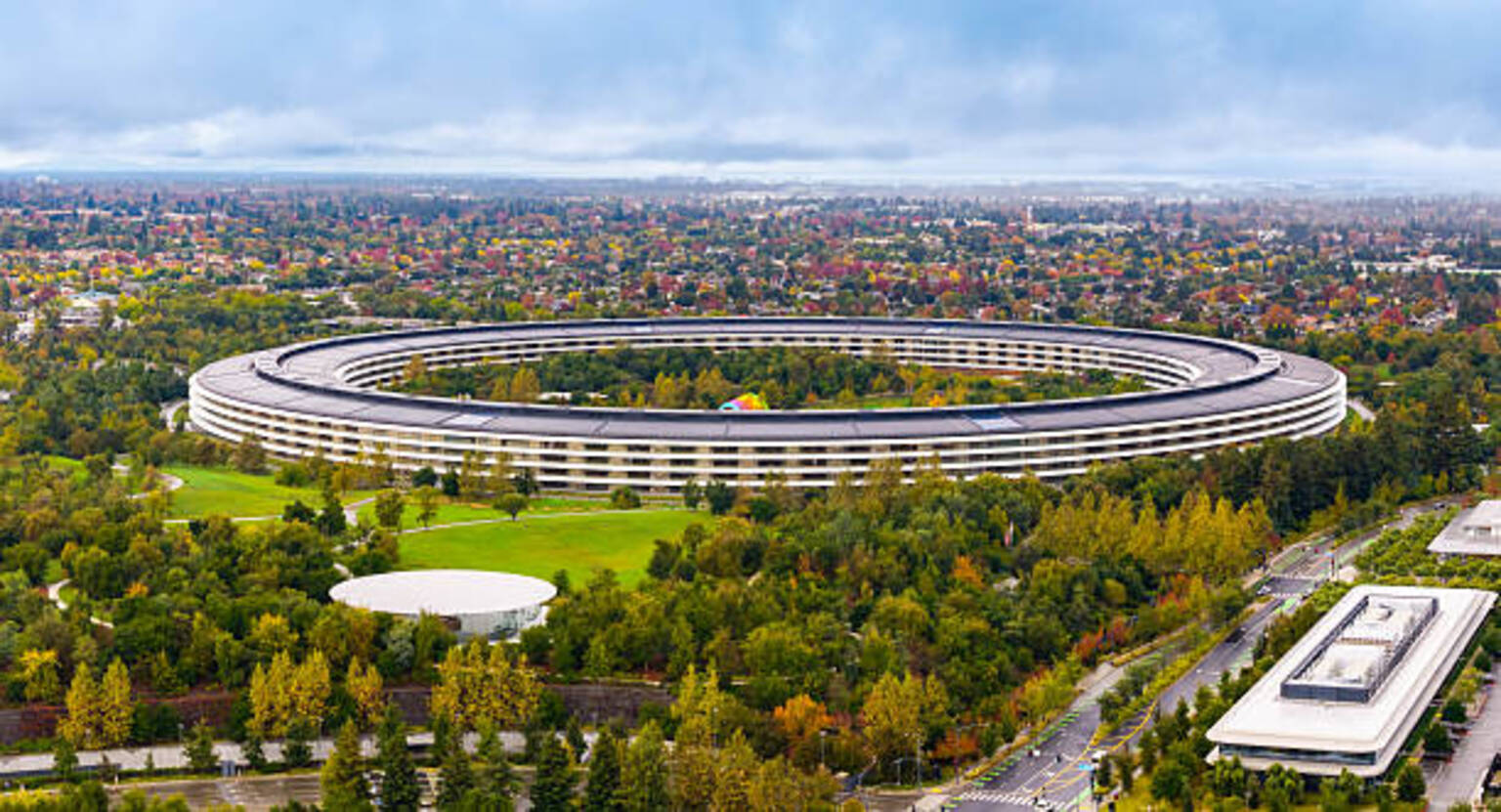
Apple's Q2 Earnings Forecast Raised by UBS

- Earnings Forecast Adjustment: UBS analyst David Vogt anticipates that Apple's fiscal Q2 results, set for April 30, will slightly exceed consensus expectations, primarily driven by robust performance in Mac and iPhone segments, indicating the company's resilience in a competitive market.
- Strong iPhone Sales: Supply chain checks and sell-through data suggest that iPhone demand is surpassing expectations, which is expected to drive revenue growth for Apple and further solidify its market share in the smartphone sector, particularly as the Android ecosystem faces challenges.
- Mac Product Line Demand: The initial success of the lower-priced 'Neo' and 'mini' products has led to strong demand for the Mac portfolio, which is anticipated to provide additional positive impacts on Apple's financial performance, especially as AI applications become increasingly prevalent.
- Earnings Estimate Increase: Vogt raised Apple's earnings per share estimate to $1.94, reflecting an optimistic outlook for the upcoming quarters, while maintaining a Neutral rating, indicating recognition of Apple's ongoing growth potential.
See More
UBS Raises Apple Price Target to $287 Amid Strong Earnings Outlook
- Price Target Increase: UBS raised Apple's price target from $280 to $287, implying a 7.2% upside from Monday's close, although the analyst maintains a neutral stance, suggesting that much of the potential upside is already priced in.
- Strong Earnings Expectations: Analysts forecast Q2 revenue of $109.26 billion and earnings per share of $1.94, driven by the launch of the MacBook Neo and iPhone 17, despite challenges posed by memory chip shortages.
- iPhone Sales Forecast: UBS analyst raised iPhone unit sales expectations from 46.5 million to 50.3 million, predicting a ~20% year-over-year increase in iPhone revenue, showcasing Apple's strong supply chain management and demand.
- Market Sentiment Shift: Retail sentiment on Stocktwits turned bearish, yet some users predict the stock could rise to $290 post-earnings, indicating mixed market views on Apple's short-term performance.
See More

U.S. Equity Market Mixed Signals, Optimism in AI Sector

- AMD Growth Potential: AMD's AI data center sales drove fourth-quarter revenue to $5.4 billion, highlighting its critical role in AI infrastructure, and it is expected to benefit from the rollout of multiple generations of Instinct accelerators, enhancing its market competitiveness.
- Apple's AI Strategy: With AI features integrated across its 2.5 billion active devices, Apple generated approximately $30 billion in services revenue in Q1, and is projected to see a 15% year-over-year revenue growth in Q2 2026, indicating strong long-term growth potential in the AI sector.
- Micron Technology Market Opportunity: Micron anticipates the high-bandwidth memory market will expand from $35 billion in 2025 to $100 billion by 2028, having secured multi-year strategic customer agreements that enhance revenue predictability for the future.
- ARM CPU Demand: ARM expects its AI data center CPU business to generate $15 billion in annual revenue by 2031, as the demand for CPUs in data centers significantly increases due to the growth of AI inference workloads, further solidifying its market position.
See More

Corning's Q2 Revenue Forecast Falls Short of Expectations

- Revenue Forecast Downgrade: Corning anticipates core sales of approximately $4.6 billion for Q2, falling short of analysts' average estimate of $4.63 billion, indicating ongoing pressure from a weak consumer electronics market despite strong demand for data center products.
- Significant Stock Decline: Following the revenue forecast miss, Corning's shares plummeted over 10% in premarket trading, reflecting market concerns about its future performance amid increasing economic uncertainty, particularly in the consumer spending landscape.
- Strong Optical Communications Performance: Despite overall business pressures, Corning's optical communications division recorded net sales of $1.85 billion in Q1, surpassing estimates of $1.7 billion, highlighting robust demand for its fiber-optic products driven by ongoing investments in data centers.
- Agreements with Hyperscalers: Corning has signed long-term agreements with two hyperscalers, similar to the $6 billion deal with Meta announced in January, aimed at addressing the connectivity needs of high-capacity data centers, thereby reinforcing its position in the optical communications market.
See More

AI Industry Must Demonstrate Revenue Generation by 2027

- Profitability Pressure: Paul Meeks from Freedom Capital Markets emphasizes that the AI industry must demonstrate real revenue-generating capabilities by 2027, as companies can no longer rely solely on cost-cutting measures to justify their investments.
- Apple's Challenge: Meeks highlights that Apple (AAPL) is under pressure to develop standalone AI products that generate significant revenue rather than merely integrating AI into Siri, which is crucial for the company's future growth.
- Microsoft's Risks: Concerns are raised regarding Microsoft (MSFT), as AI could disrupt parts of its software business, compounded by ongoing tensions with OpenAI that may affect its control over technology and future prospects.
- Opportunity in ServiceNow: Despite AI threats, Meeks identifies ServiceNow (NOW) as the best-managed enterprise resource planning software company, with an expected annual growth rate of 20%, making it an attractive contrarian investment following the recent software sector selloff.
See More
Latest Analyst Ratings on Wall Street


- Nvidia's Industry Leadership: Barclays reiterates Nvidia as overweight, highlighting the company's focus on supply chain investments, which is expected to maintain its leadership in upcoming technology transitions, thereby enhancing its competitive edge in the market.
- Tesla Ownership Analysis: Barclays analyzes Elon Musk's path to 25% ownership in Tesla, suggesting that the 2018 compensation package could increase Musk's stake by approximately 4% to 16.8%, reflecting the complexity of the company's governance structure.
- Uber's Market Opportunities: Jefferies reiterates Uber as a buy, believing that Tesla's struggles in the robotaxi sector will reduce market risks for Uber, allowing its fundamentals to gain more attention, potentially driving stock price increases.
- McKesson's Distribution Leadership: William Blair initiates coverage on McKesson, labeling it as a distribution leader, and expects it to benefit from favorable demand driven by an aging population and new drug launches, thereby strengthening its market position.
See More
Apple's Q2 Earnings Forecast Raised by UBS
- Earnings Forecast Adjustment: UBS analyst David Vogt anticipates that Apple's fiscal Q2 results, set for April 30, will slightly exceed consensus expectations, primarily driven by robust performance in Mac and iPhone segments, indicating the company's resilience in a competitive market.
- Strong iPhone Sales: Supply chain checks and sell-through data suggest that iPhone demand is surpassing expectations, which is expected to drive revenue growth for Apple and further solidify its market share in the smartphone sector, particularly as the Android ecosystem faces challenges.
- Mac Product Line Demand: The initial success of the lower-priced 'Neo' and 'mini' products has led to strong demand for the Mac portfolio, which is anticipated to provide additional positive impacts on Apple's financial performance, especially as AI applications become increasingly prevalent.
- Earnings Estimate Increase: Vogt raised Apple's earnings per share estimate to $1.94, reflecting an optimistic outlook for the upcoming quarters, while maintaining a Neutral rating, indicating recognition of Apple's ongoing growth potential.
See More
UBS Raises Apple Price Target to $287 Amid Strong Earnings Outlook
- Price Target Increase: UBS raised Apple's price target from $280 to $287, implying a 7.2% upside from Monday's close, although the analyst maintains a neutral stance, suggesting that much of the potential upside is already priced in.
- Strong Earnings Expectations: Analysts forecast Q2 revenue of $109.26 billion and earnings per share of $1.94, driven by the launch of the MacBook Neo and iPhone 17, despite challenges posed by memory chip shortages.
- iPhone Sales Forecast: UBS analyst raised iPhone unit sales expectations from 46.5 million to 50.3 million, predicting a ~20% year-over-year increase in iPhone revenue, showcasing Apple's strong supply chain management and demand.
- Market Sentiment Shift: Retail sentiment on Stocktwits turned bearish, yet some users predict the stock could rise to $290 post-earnings, indicating mixed market views on Apple's short-term performance.
See More
U.S. Equity Market Mixed Signals, Optimism in AI Sector
- AMD Growth Potential: AMD's AI data center sales drove fourth-quarter revenue to $5.4 billion, highlighting its critical role in AI infrastructure, and it is expected to benefit from the rollout of multiple generations of Instinct accelerators, enhancing its market competitiveness.
- Apple's AI Strategy: With AI features integrated across its 2.5 billion active devices, Apple generated approximately $30 billion in services revenue in Q1, and is projected to see a 15% year-over-year revenue growth in Q2 2026, indicating strong long-term growth potential in the AI sector.
- Micron Technology Market Opportunity: Micron anticipates the high-bandwidth memory market will expand from $35 billion in 2025 to $100 billion by 2028, having secured multi-year strategic customer agreements that enhance revenue predictability for the future.
- ARM CPU Demand: ARM expects its AI data center CPU business to generate $15 billion in annual revenue by 2031, as the demand for CPUs in data centers significantly increases due to the growth of AI inference workloads, further solidifying its market position.
See More
Corning's Q2 Revenue Forecast Falls Short of Expectations
- Revenue Forecast Downgrade: Corning anticipates core sales of approximately $4.6 billion for Q2, falling short of analysts' average estimate of $4.63 billion, indicating ongoing pressure from a weak consumer electronics market despite strong demand for data center products.
- Significant Stock Decline: Following the revenue forecast miss, Corning's shares plummeted over 10% in premarket trading, reflecting market concerns about its future performance amid increasing economic uncertainty, particularly in the consumer spending landscape.
- Strong Optical Communications Performance: Despite overall business pressures, Corning's optical communications division recorded net sales of $1.85 billion in Q1, surpassing estimates of $1.7 billion, highlighting robust demand for its fiber-optic products driven by ongoing investments in data centers.
- Agreements with Hyperscalers: Corning has signed long-term agreements with two hyperscalers, similar to the $6 billion deal with Meta announced in January, aimed at addressing the connectivity needs of high-capacity data centers, thereby reinforcing its position in the optical communications market.
See More
AI Industry Must Demonstrate Revenue Generation by 2027
- Profitability Pressure: Paul Meeks from Freedom Capital Markets emphasizes that the AI industry must demonstrate real revenue-generating capabilities by 2027, as companies can no longer rely solely on cost-cutting measures to justify their investments.
- Apple's Challenge: Meeks highlights that Apple (AAPL) is under pressure to develop standalone AI products that generate significant revenue rather than merely integrating AI into Siri, which is crucial for the company's future growth.
- Microsoft's Risks: Concerns are raised regarding Microsoft (MSFT), as AI could disrupt parts of its software business, compounded by ongoing tensions with OpenAI that may affect its control over technology and future prospects.
- Opportunity in ServiceNow: Despite AI threats, Meeks identifies ServiceNow (NOW) as the best-managed enterprise resource planning software company, with an expected annual growth rate of 20%, making it an attractive contrarian investment following the recent software sector selloff.
See More
Latest Analyst Ratings on Wall Street
- Nvidia's Industry Leadership: Barclays reiterates Nvidia as overweight, highlighting the company's focus on supply chain investments, which is expected to maintain its leadership in upcoming technology transitions, thereby enhancing its competitive edge in the market.
- Tesla Ownership Analysis: Barclays analyzes Elon Musk's path to 25% ownership in Tesla, suggesting that the 2018 compensation package could increase Musk's stake by approximately 4% to 16.8%, reflecting the complexity of the company's governance structure.
- Uber's Market Opportunities: Jefferies reiterates Uber as a buy, believing that Tesla's struggles in the robotaxi sector will reduce market risks for Uber, allowing its fundamentals to gain more attention, potentially driving stock price increases.
- McKesson's Distribution Leadership: William Blair initiates coverage on McKesson, labeling it as a distribution leader, and expects it to benefit from favorable demand driven by an aging population and new drug launches, thereby strengthening its market position.
See More