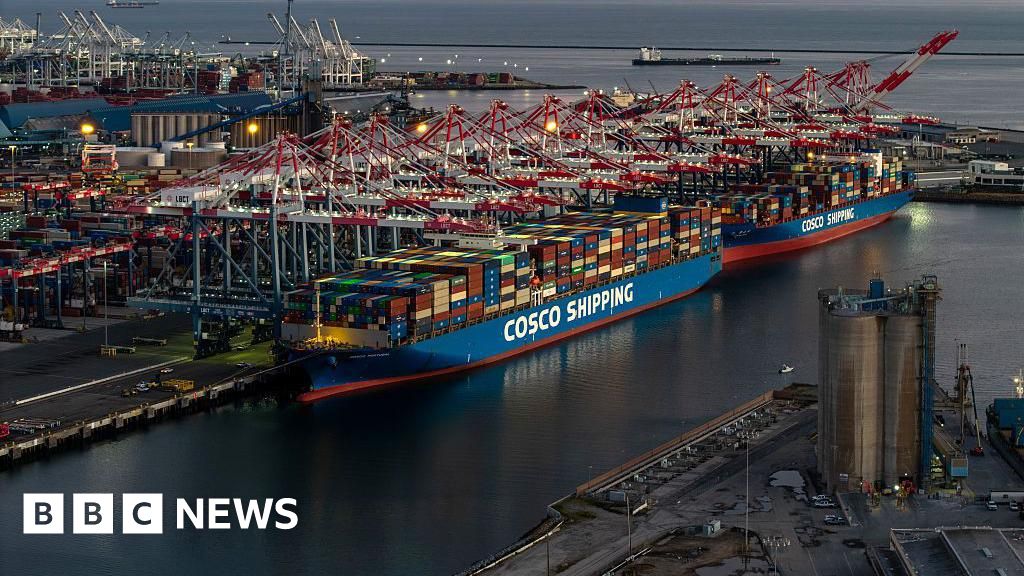
Three Unexpected Earnings Surprises May Indicate a New Trend


Earnings Season Overview: More than 74% of S&P 500 companies reporting so far have exceeded analysts' EPS estimates, while 73% have surpassed revenue expectations, indicating a generally positive earnings season despite flat aggregate growth rates.
Applied Materials Performance: Applied Materials (AMAT) has shown strong results, with shares rising 12% after reporting fiscal Q1 2026 results that beat expectations by 7%, driven by robust guidance and equipment demand.
Rivian's Challenges: Rivian Automotive (RIVN) faced a 25% decline in year-over-year revenue growth due to the expiration of EV tax credits, although sales figures still exceeded expectations, and the company narrowed its losses.
Market Recommendations: Analysts have identified five stocks that they recommend buying now, suggesting these companies are well-positioned for future growth despite broader market trends.
Trade with 70% Backtested Accuracy
Analyst Views on RIVN

About RIVN
About the author


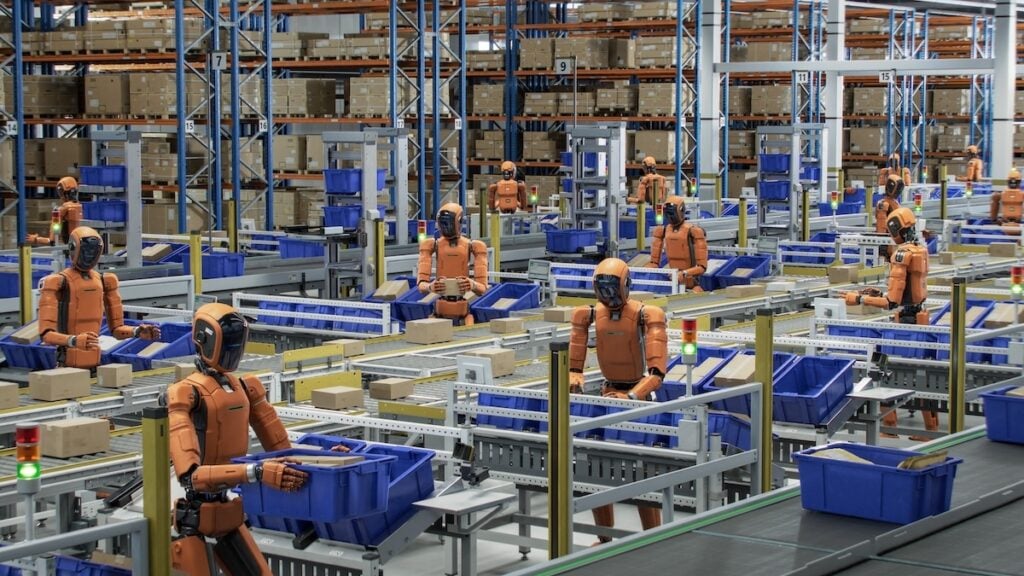
Mind Robotics Raises $500M for Industrial AI Robot Rollout

- Massive Funding Round: Mind Robotics has successfully raised $500 million in a Series A funding round aimed at supporting the large-scale deployment of AI-driven robotic systems in industrial environments, reflecting strong market confidence in its technology.
- Strong Investor Backing: The funding round is co-led by Accel and Andreessen Horowitz, with a closing expected later this month, and Accel partner Sameer Gandhi joining the board of Mind Robotics, enhancing the company's governance structure.
- Innovative Technology Goals: Mind Robotics is developing an industrial robotics platform designed to handle tasks requiring high levels of dexterity and reasoning, aiming to significantly enhance industrial production efficiency beyond the capabilities of existing automation systems.
- Strategic Partnerships: Rivian acts as both a major shareholder and strategic partner, providing access to extensive production data for model training and a real manufacturing environment for testing, facilitating rapid iteration and market application of Mind Robotics' technology.
Rivian's Mind Robotics Raises $500 Million in Series A Funding

- Significant Funding: Mind Robotics raised $500 million in a Series A funding round co-led by Andreessen Horowitz and Accel, bringing its total funding to approximately $615 million, indicating strong market confidence in its potential.
- Rapid Development: Founded in November 2025 by CEO RJ Scaringe, the company has successfully attracted substantial investment within months, reflecting its innovative capabilities and market demand in the industrial robotics sector.
- Technological Focus: Mind Robotics is dedicated to developing an advanced industrial robotics platform designed to handle complex manufacturing tasks that require dexterity, adaptability, and reasoning, addressing the urgent need for efficient manufacturing solutions in the market.
- Industry Insight: Scaringe noted that while investment in the robotics sector is primarily flowing into household task systems, Mind Robotics aims to shift this focus towards practical manufacturing applications, thereby driving real advancements in industrial automation.
Tesla vs. Rivian: Analyzing Electric Vehicle Market Dynamics
- Rivian's Financial Struggles: In Q4 2025, Rivian reported $1.29 billion in revenue, a 25.4% decline year-over-year, with automotive revenue plummeting 45%, indicating significant pressure on its core business, although its software services segment grew 109% to $447 million, suggesting early success in diversification.
- Tesla's Delivery Decline: Tesla delivered 418,227 vehicles in Q4 2025, a 16% year-over-year drop, with total deliveries for the year down about 9% to 1.63 million, reflecting weakness in its automotive market, despite a 29% growth in its energy storage business during the same quarter, showcasing resilience through diversification.
- Future Delivery Expectations: Rivian anticipates deliveries between 62,000 and 67,000 units in 2026, translating to an approximate 53% year-over-year growth at the midpoint, indicating strong long-term demand despite short-term challenges, while Tesla relies on its substantial cash flow and diversified business to navigate market fluctuations.
- Investor Confidence Divergence: Despite both companies facing high valuation pressures, Tesla's market cap stands at around $1.5 trillion with a net income of only $3.8 billion, yet investors remain optimistic about its future software and autonomous driving potential, while Rivian must overcome its $3.6 billion net loss to bolster market confidence.

Rivian Achieves First Year of Positive Gross Profit
- Rivian Profit Milestone: In 2025, Rivian achieved its first full year of positive gross profit, generating $120 million in Q4 with a 9% gross margin, marking a significant advancement in profitability despite a 45% year-over-year decline in automotive revenue.
- Tesla Delivery Decline: Tesla's total vehicle deliveries for 2025 were approximately 1.63 million, reflecting a 9% year-over-year drop, with Q4 deliveries at 418,227 units, indicating substantial pressure on car sales amid high interest rates and cautious consumer behavior.
- Software and Energy Growth: Tesla's energy storage segment deployed a record 14.2 gigawatt-hours in Q4, a 29% year-over-year increase, while its Full Self-Driving subscriptions reached 1.1 million, up 38% year-over-year, showcasing strong performance in diversifying revenue streams.
- Market Valuation Pressure: Despite Rivian's progress in profitability, it reported a net loss of $3.6 billion in 2025, while Tesla's market cap stands at around $1.5 trillion, with investors pricing in expectations for a recovery in automotive sales and significant growth in software profits, indicating high valuation pressures for both companies.
Investment Comparison: Tesla vs. Rivian
- Rivian's Financial Struggles: In Q4 2025, Rivian reported total revenue of $1.29 billion, a 25% decline year-over-year, with automotive revenue plummeting 45%, indicating significant pressure on its core business, although its software and services segment grew 109% to $447 million, reflecting efforts towards revenue diversification.
- Tesla's Delivery Decline: Tesla delivered 418,227 vehicles in Q4 2025, a 16% year-over-year drop, with total deliveries for the year down about 9% to 1.63 million; however, Tesla maintains market competitiveness with a diversified business model and strong cash flow, generating $6.2 billion in free cash flow in 2025.
- Valuation Pressure: Tesla's market capitalization stands at approximately $1.5 trillion with a net income of only $3.8 billion, indicating high investor expectations for future software and automotive sales recovery, while Rivian's net losses reached $3.6 billion, highlighting its need for improved profitability.
- Future Growth Potential: Despite challenges, Tesla's energy storage segment achieved a record deployment of 14.2 gigawatt-hours in Q4, a 29% year-over-year increase, while Rivian anticipates deliveries between 62,000 and 67,000 units in 2026, showcasing differing strategies for future growth potential.
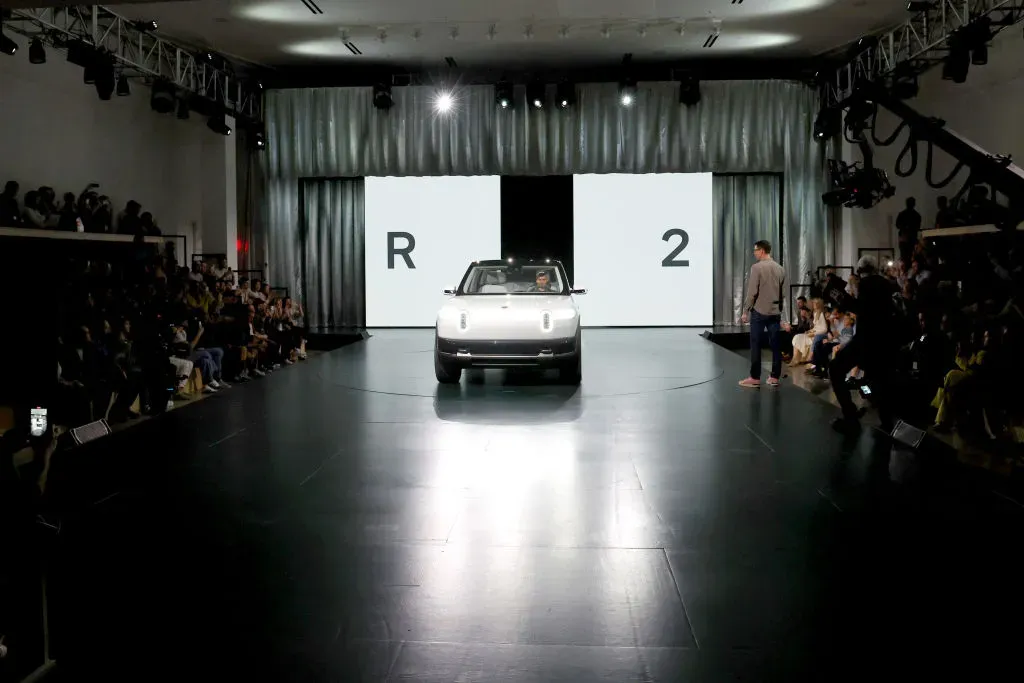
Rivian R2 SUV Pricing and Market Outlook
- R2 SUV Pricing: Rivian's R2 midsize SUV is projected to start at $45,000, positioning it as a competitor to Tesla's Model Y, marking the company's entry into the mass-market EV segment.
- Variant Launch: The R2 will debut with a Performance variant priced at $57,990, followed by a lower-powered Premium trim at $53,990 in late 2026, and an entry-level Standard version expected in late 2027, enhancing the product lineup.
- Production Plans: Rivian plans to manufacture the R2 in Illinois initially, with the Georgia plant providing additional capacity once operational, ensuring market demand is met and production efficiency is improved.
- Analyst Rating Upgrade: TD Cowen upgraded Rivian from 'Hold' to 'Buy', raising the price target from $17 to $20, with expected R2 demand reaching 212,000 to 335,000 units, indicating strong market potential.
Mind Robotics Raises $500M for Industrial AI Robot Rollout
- Massive Funding Round: Mind Robotics has successfully raised $500 million in a Series A funding round aimed at supporting the large-scale deployment of AI-driven robotic systems in industrial environments, reflecting strong market confidence in its technology.
- Strong Investor Backing: The funding round is co-led by Accel and Andreessen Horowitz, with a closing expected later this month, and Accel partner Sameer Gandhi joining the board of Mind Robotics, enhancing the company's governance structure.
- Innovative Technology Goals: Mind Robotics is developing an industrial robotics platform designed to handle tasks requiring high levels of dexterity and reasoning, aiming to significantly enhance industrial production efficiency beyond the capabilities of existing automation systems.
- Strategic Partnerships: Rivian acts as both a major shareholder and strategic partner, providing access to extensive production data for model training and a real manufacturing environment for testing, facilitating rapid iteration and market application of Mind Robotics' technology.
Rivian's Mind Robotics Raises $500 Million in Series A Funding
- Significant Funding: Mind Robotics raised $500 million in a Series A funding round co-led by Andreessen Horowitz and Accel, bringing its total funding to approximately $615 million, indicating strong market confidence in its potential.
- Rapid Development: Founded in November 2025 by CEO RJ Scaringe, the company has successfully attracted substantial investment within months, reflecting its innovative capabilities and market demand in the industrial robotics sector.
- Technological Focus: Mind Robotics is dedicated to developing an advanced industrial robotics platform designed to handle complex manufacturing tasks that require dexterity, adaptability, and reasoning, addressing the urgent need for efficient manufacturing solutions in the market.
- Industry Insight: Scaringe noted that while investment in the robotics sector is primarily flowing into household task systems, Mind Robotics aims to shift this focus towards practical manufacturing applications, thereby driving real advancements in industrial automation.
Tesla vs. Rivian: Analyzing Electric Vehicle Market Dynamics
- Rivian's Financial Struggles: In Q4 2025, Rivian reported $1.29 billion in revenue, a 25.4% decline year-over-year, with automotive revenue plummeting 45%, indicating significant pressure on its core business, although its software services segment grew 109% to $447 million, suggesting early success in diversification.
- Tesla's Delivery Decline: Tesla delivered 418,227 vehicles in Q4 2025, a 16% year-over-year drop, with total deliveries for the year down about 9% to 1.63 million, reflecting weakness in its automotive market, despite a 29% growth in its energy storage business during the same quarter, showcasing resilience through diversification.
- Future Delivery Expectations: Rivian anticipates deliveries between 62,000 and 67,000 units in 2026, translating to an approximate 53% year-over-year growth at the midpoint, indicating strong long-term demand despite short-term challenges, while Tesla relies on its substantial cash flow and diversified business to navigate market fluctuations.
- Investor Confidence Divergence: Despite both companies facing high valuation pressures, Tesla's market cap stands at around $1.5 trillion with a net income of only $3.8 billion, yet investors remain optimistic about its future software and autonomous driving potential, while Rivian must overcome its $3.6 billion net loss to bolster market confidence.
Rivian Achieves First Year of Positive Gross Profit
- Rivian Profit Milestone: In 2025, Rivian achieved its first full year of positive gross profit, generating $120 million in Q4 with a 9% gross margin, marking a significant advancement in profitability despite a 45% year-over-year decline in automotive revenue.
- Tesla Delivery Decline: Tesla's total vehicle deliveries for 2025 were approximately 1.63 million, reflecting a 9% year-over-year drop, with Q4 deliveries at 418,227 units, indicating substantial pressure on car sales amid high interest rates and cautious consumer behavior.
- Software and Energy Growth: Tesla's energy storage segment deployed a record 14.2 gigawatt-hours in Q4, a 29% year-over-year increase, while its Full Self-Driving subscriptions reached 1.1 million, up 38% year-over-year, showcasing strong performance in diversifying revenue streams.
- Market Valuation Pressure: Despite Rivian's progress in profitability, it reported a net loss of $3.6 billion in 2025, while Tesla's market cap stands at around $1.5 trillion, with investors pricing in expectations for a recovery in automotive sales and significant growth in software profits, indicating high valuation pressures for both companies.
Investment Comparison: Tesla vs. Rivian
- Rivian's Financial Struggles: In Q4 2025, Rivian reported total revenue of $1.29 billion, a 25% decline year-over-year, with automotive revenue plummeting 45%, indicating significant pressure on its core business, although its software and services segment grew 109% to $447 million, reflecting efforts towards revenue diversification.
- Tesla's Delivery Decline: Tesla delivered 418,227 vehicles in Q4 2025, a 16% year-over-year drop, with total deliveries for the year down about 9% to 1.63 million; however, Tesla maintains market competitiveness with a diversified business model and strong cash flow, generating $6.2 billion in free cash flow in 2025.
- Valuation Pressure: Tesla's market capitalization stands at approximately $1.5 trillion with a net income of only $3.8 billion, indicating high investor expectations for future software and automotive sales recovery, while Rivian's net losses reached $3.6 billion, highlighting its need for improved profitability.
- Future Growth Potential: Despite challenges, Tesla's energy storage segment achieved a record deployment of 14.2 gigawatt-hours in Q4, a 29% year-over-year increase, while Rivian anticipates deliveries between 62,000 and 67,000 units in 2026, showcasing differing strategies for future growth potential.
Rivian R2 SUV Pricing and Market Outlook
- R2 SUV Pricing: Rivian's R2 midsize SUV is projected to start at $45,000, positioning it as a competitor to Tesla's Model Y, marking the company's entry into the mass-market EV segment.
- Variant Launch: The R2 will debut with a Performance variant priced at $57,990, followed by a lower-powered Premium trim at $53,990 in late 2026, and an entry-level Standard version expected in late 2027, enhancing the product lineup.
- Production Plans: Rivian plans to manufacture the R2 in Illinois initially, with the Georgia plant providing additional capacity once operational, ensuring market demand is met and production efficiency is improved.
- Analyst Rating Upgrade: TD Cowen upgraded Rivian from 'Hold' to 'Buy', raising the price target from $17 to $20, with expected R2 demand reaching 212,000 to 335,000 units, indicating strong market potential.