Three Unconventional "Buy the Dip" Selections—and One Sector to Steer Clear Of


Market Trends: The market is experiencing a pullback, creating opportunities for contrarian investors as many individual stocks are down significantly, suggesting a potential for selective buying strategies.
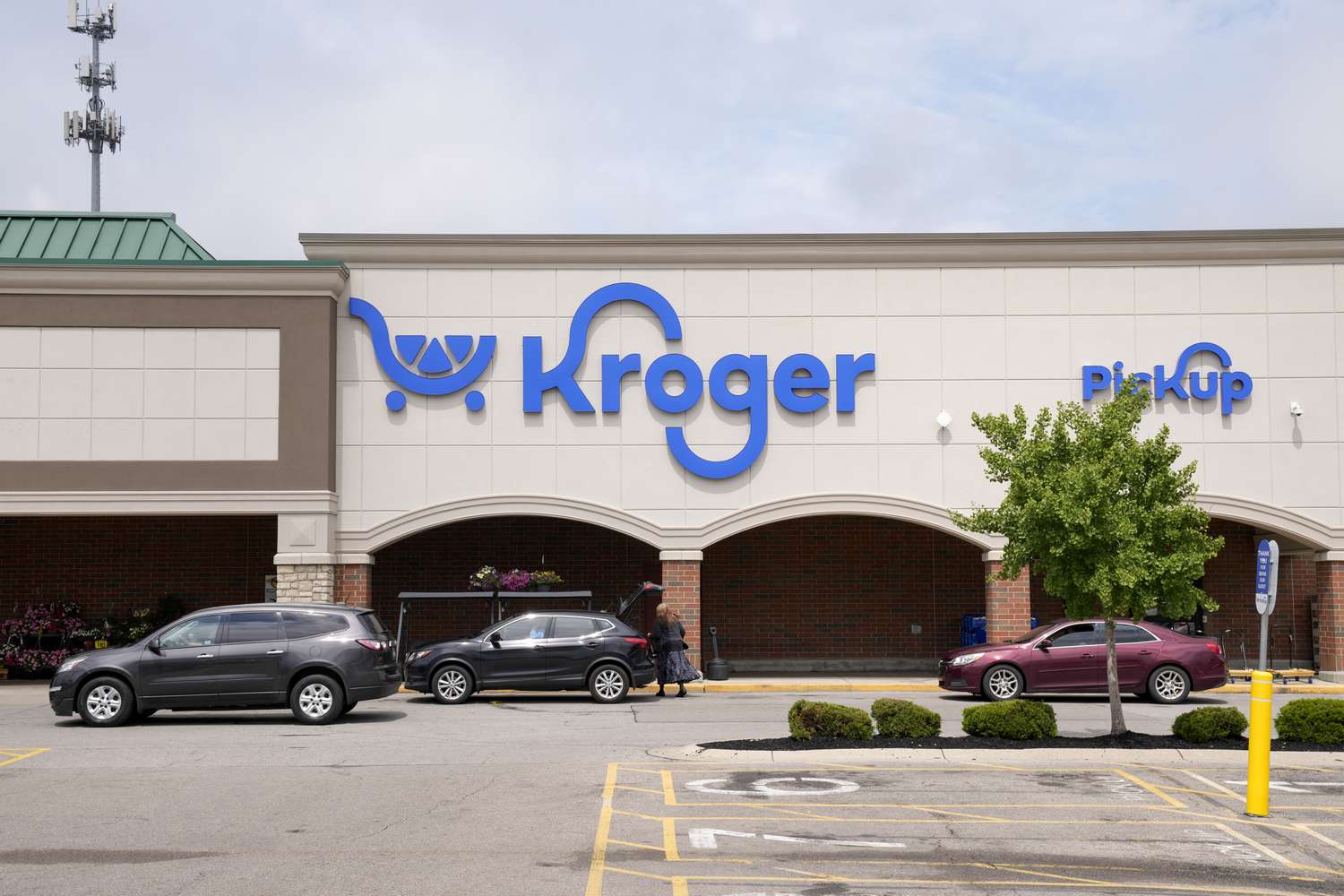
Investment Strategies: Jeff Clark emphasizes the importance of identifying oversold stocks and sectors, particularly in software and grocery chains, while advising caution against popular trades like gold mining stocks.
Bitcoin Sentiment: Current bearish sentiment around Bitcoin contrasts sharply with previous bullish trends, with Clark suggesting that today's prices may be more attractive for investment compared to past highs.
Contrarian Opportunities: Clark highlights that emotional market conditions often present unique investment opportunities, particularly in sectors that are currently undervalued or overlooked.
Trade with 70% Backtested Accuracy
Analyst Views on ACI

About ACI
About the author

Albertsons Companies Expands Media Integration and Governance Proposals


- Media Integration Innovation: Albertsons Companies has integrated AI-powered conversational search and sponsored product discovery through a partnership with Criteo, aiming to enhance brand visibility and customer engagement, yet its current stock price of $14.13 remains below the analyst target of $20.31, indicating market caution regarding its digital transformation.
- Governance Proposal Changes: The governance amendments proposed for shareholder vote at the upcoming annual meeting include modifications to stockholder action thresholds and officer liability protections, which could influence the company's decision-making framework and enhance shareholder rights, despite facing risks such as a thin net margin of 0.3% and high debt levels.
- Stock Performance Analysis: Albertsons' stock has declined by 33.3% over the past year and 13.6% in the last month, reflecting weak short-term sentiment, although the company's efforts in digitalization and governance may improve its financial performance in the long run.
- Investor Focus: The integration with Criteo and governance proposals could impact Albertsons' retail media revenues and profitability metrics, prompting investors to monitor how these changes interact with the current P/E ratio and discount to analyst targets to assess future investment opportunities.

Analysis of Albertsons Companies' Stock Price Decline
- Stock Price Decline: Albertsons Companies has seen its stock price fall approximately 33.3% over the past year, indicating a cooling investor sentiment despite the company's established position in the U.S. food and drug retail market, which could impact future investment decisions.
- Valuation Pressure: With a current P/E ratio of 32.1x, significantly above the consumer retail industry average of 18.9x, Albertsons' stock is trading at a premium compared to many peers, potentially limiting investor interest and raising concerns about its valuation.
- Growth Prospects: While facing pharmacy-related challenges, Albertsons' initiatives in retail media and AI-powered product discovery may support long-term margin improvements; however, short-term profitability could be curtailed by muted sales growth and rising costs in a competitive environment.
- Market Response: The small gap between the current P/E and the fair P/E of 30.2x suggests that the market does not view Albertsons as clearly cheap or expensive, with future earnings sustainability being a critical factor in determining the stock's price trajectory.
Albertsons Integrates with Criteo to Enhance Shopping Experience
- Enhanced Brand Connection: The new integration between Albertsons Media Collective and Criteo allows brands to connect with shoppers during key moments of meal planning and product discovery, thereby increasing brand visibility and consumer engagement.
- AI-Driven Search: This integration introduces sponsored product discovery into Albertsons' AI-powered conversational search, optimizing the shopping experience while providing brands with more precise advertising opportunities, enhancing ad effectiveness.
- Support for Basket Building: The new feature enables consumers to discover relevant products more easily while building their shopping baskets, which is expected to improve conversion rates and enhance customer satisfaction, ultimately driving sales growth.
- Increased Market Competitiveness: By partnering with Criteo, Albertsons further solidifies its position in the retail media space, demonstrating the company's commitment to leveraging technological innovation to meet modern consumer demands and enhance market competitiveness.

California Drivers Sue Gas Stations Over AI Price Manipulation


- Antitrust Lawsuit: California drivers have filed a lawsuit against several gas station operators, including BP and Walmart, accusing them of using AI tools to coordinate gas prices, violating California's antitrust laws and harming consumers.
- Price Increase Impact: The complaint states that in areas where the AI tool is used, gas prices have risen by as much as 30 cents per gallon, costing California drivers an additional $134 million annually, with prices sometimes reaching $7 per gallon, placing a heavy burden on families.
- Legal Context: The lawsuit is based on Assembly Bill 325, which took effect on January 1, aimed at combating algorithmic price-fixing, alleging that the defendants conspired to eliminate competition and create artificially high prices through AI.
- Market Situation: California's average gas price stands at $5.58 per gallon, significantly higher than the national average of $3.93, with the lawsuit seeking damages for drivers overcharged, highlighting the severity of the gas price issue in California.
Albertsons Launches Episodic Branded Entertainment

- Retail Media Innovation: Albertsons Media Collective, in collaboration with Procter & Gamble, introduces episodic branded entertainment based on shopper insights, marking a new direction for retail media that is expected to attract more brands and enhance advertising effectiveness.
- First Series Launch: The series 'Rico's Tacos' will premiere on June 23, intertwining real shopper stories with cultural backgrounds, aiming to strengthen the connection between brands and consumers through emotional resonance, thereby driving sales growth.
- Content Creation Model: This collaboration emphasizes integrating shopper insights at the creative outset rather than optimizing post-production, which is expected to enhance the relevance and effectiveness of advertising, ultimately boosting brand loyalty and market share.
- Future Expansion Plans: Albertsons plans to scale similar brand collaborations and content creation in the coming months, transitioning retail media from mere ad placements to culturally valuable brand storytelling, thereby enhancing overall market competitiveness.

Albertsons Leverages AI to Reduce Food Waste
- Food Waste Issue: The USDA estimates that 30% to 40% of food is wasted annually in the U.S., resulting in an economic loss of approximately $161 billion, which significantly impacts consumer spending and poses financial challenges for retailers.
- AI Tool Implementation: Albertsons has launched an AI tool powered by Google Cloud that utilizes computer vision technology to enhance the quality inspection of fresh fruits and vegetables, with early results indicating improved consistency in product quality, particularly for perishable items.
- Operational Efficiency Gains: By comparing images against Albertsons' quality standards, the AI tool aids quality inspection teams in making more accurate assessments, thereby accelerating decision-making processes and enhancing operational efficiency and customer satisfaction, which strengthens the company's competitive position.
- Future Expansion Plans: Albertsons intends to expand the application of this AI tool to all berry products and eventually roll it out nationwide, aiming to continuously reduce food waste and improve overall product quality through technological innovation.
Albertsons Companies Expands Media Integration and Governance Proposals
- Media Integration Innovation: Albertsons Companies has integrated AI-powered conversational search and sponsored product discovery through a partnership with Criteo, aiming to enhance brand visibility and customer engagement, yet its current stock price of $14.13 remains below the analyst target of $20.31, indicating market caution regarding its digital transformation.
- Governance Proposal Changes: The governance amendments proposed for shareholder vote at the upcoming annual meeting include modifications to stockholder action thresholds and officer liability protections, which could influence the company's decision-making framework and enhance shareholder rights, despite facing risks such as a thin net margin of 0.3% and high debt levels.
- Stock Performance Analysis: Albertsons' stock has declined by 33.3% over the past year and 13.6% in the last month, reflecting weak short-term sentiment, although the company's efforts in digitalization and governance may improve its financial performance in the long run.
- Investor Focus: The integration with Criteo and governance proposals could impact Albertsons' retail media revenues and profitability metrics, prompting investors to monitor how these changes interact with the current P/E ratio and discount to analyst targets to assess future investment opportunities.
Analysis of Albertsons Companies' Stock Price Decline
- Stock Price Decline: Albertsons Companies has seen its stock price fall approximately 33.3% over the past year, indicating a cooling investor sentiment despite the company's established position in the U.S. food and drug retail market, which could impact future investment decisions.
- Valuation Pressure: With a current P/E ratio of 32.1x, significantly above the consumer retail industry average of 18.9x, Albertsons' stock is trading at a premium compared to many peers, potentially limiting investor interest and raising concerns about its valuation.
- Growth Prospects: While facing pharmacy-related challenges, Albertsons' initiatives in retail media and AI-powered product discovery may support long-term margin improvements; however, short-term profitability could be curtailed by muted sales growth and rising costs in a competitive environment.
- Market Response: The small gap between the current P/E and the fair P/E of 30.2x suggests that the market does not view Albertsons as clearly cheap or expensive, with future earnings sustainability being a critical factor in determining the stock's price trajectory.
Albertsons Integrates with Criteo to Enhance Shopping Experience
- Enhanced Brand Connection: The new integration between Albertsons Media Collective and Criteo allows brands to connect with shoppers during key moments of meal planning and product discovery, thereby increasing brand visibility and consumer engagement.
- AI-Driven Search: This integration introduces sponsored product discovery into Albertsons' AI-powered conversational search, optimizing the shopping experience while providing brands with more precise advertising opportunities, enhancing ad effectiveness.
- Support for Basket Building: The new feature enables consumers to discover relevant products more easily while building their shopping baskets, which is expected to improve conversion rates and enhance customer satisfaction, ultimately driving sales growth.
- Increased Market Competitiveness: By partnering with Criteo, Albertsons further solidifies its position in the retail media space, demonstrating the company's commitment to leveraging technological innovation to meet modern consumer demands and enhance market competitiveness.
California Drivers Sue Gas Stations Over AI Price Manipulation
- Antitrust Lawsuit: California drivers have filed a lawsuit against several gas station operators, including BP and Walmart, accusing them of using AI tools to coordinate gas prices, violating California's antitrust laws and harming consumers.
- Price Increase Impact: The complaint states that in areas where the AI tool is used, gas prices have risen by as much as 30 cents per gallon, costing California drivers an additional $134 million annually, with prices sometimes reaching $7 per gallon, placing a heavy burden on families.
- Legal Context: The lawsuit is based on Assembly Bill 325, which took effect on January 1, aimed at combating algorithmic price-fixing, alleging that the defendants conspired to eliminate competition and create artificially high prices through AI.
- Market Situation: California's average gas price stands at $5.58 per gallon, significantly higher than the national average of $3.93, with the lawsuit seeking damages for drivers overcharged, highlighting the severity of the gas price issue in California.
Albertsons Launches Episodic Branded Entertainment
- Retail Media Innovation: Albertsons Media Collective, in collaboration with Procter & Gamble, introduces episodic branded entertainment based on shopper insights, marking a new direction for retail media that is expected to attract more brands and enhance advertising effectiveness.
- First Series Launch: The series 'Rico's Tacos' will premiere on June 23, intertwining real shopper stories with cultural backgrounds, aiming to strengthen the connection between brands and consumers through emotional resonance, thereby driving sales growth.
- Content Creation Model: This collaboration emphasizes integrating shopper insights at the creative outset rather than optimizing post-production, which is expected to enhance the relevance and effectiveness of advertising, ultimately boosting brand loyalty and market share.
- Future Expansion Plans: Albertsons plans to scale similar brand collaborations and content creation in the coming months, transitioning retail media from mere ad placements to culturally valuable brand storytelling, thereby enhancing overall market competitiveness.
Albertsons Leverages AI to Reduce Food Waste
- Food Waste Issue: The USDA estimates that 30% to 40% of food is wasted annually in the U.S., resulting in an economic loss of approximately $161 billion, which significantly impacts consumer spending and poses financial challenges for retailers.
- AI Tool Implementation: Albertsons has launched an AI tool powered by Google Cloud that utilizes computer vision technology to enhance the quality inspection of fresh fruits and vegetables, with early results indicating improved consistency in product quality, particularly for perishable items.
- Operational Efficiency Gains: By comparing images against Albertsons' quality standards, the AI tool aids quality inspection teams in making more accurate assessments, thereby accelerating decision-making processes and enhancing operational efficiency and customer satisfaction, which strengthens the company's competitive position.
- Future Expansion Plans: Albertsons intends to expand the application of this AI tool to all berry products and eventually roll it out nationwide, aiming to continuously reduce food waste and improve overall product quality through technological innovation.