Three Giants Shaping the Future of AI
Written by Emily J. Thompson, Senior Investment Analyst
Updated: 6 hours ago
0mins

Should l Buy GOOGL?
Source: NASDAQ.COM
- Nvidia's Market Dominance: As the world's largest tech company, Nvidia's GPUs remain the core drivers for AI models, with the upcoming Vera Rubin architecture set to launch in 2026, further solidifying its market leadership.
- Broadcom's Rapid Growth: In Q1 2026, Broadcom's revenue surged 29% year-over-year, with AI semiconductor revenue skyrocketing 106%, indicating strong demand for custom AI accelerators that could pose a threat to Nvidia.
- Alphabet's AI Innovations: Alphabet's Google Brain developed the Transformer neural network architecture, fueling rapid AI advancements, while Google Cloud is the fastest-growing cloud provider, with AI as its primary growth driver, poised for significant profitability.
- Wall Street's Optimism: According to S&P Global, Nvidia, Broadcom, and Alphabet received
Trade with 70% Backtested Accuracy
Stop guessing "Should I Buy GOOGL?" and start using high-conviction signals backed by rigorous historical data.
Sign up today to access powerful investing tools and make smarter, data-driven decisions.
Analyst Views on GOOGL
Wall Street analysts forecast GOOGL stock price to rise
33 Analyst Rating
26 Buy
7 Hold
0 Sell
Strong Buy
Current: 350.340

Low
305.00
Averages
374.25
High
400.00
Current: 350.340
Low
305.00
Averages
374.25
High
400.00
About GOOGL
Alphabet Inc. is a holding company. The Company's segments include Google Services, Google Cloud, and Other Bets. The Google Services segment includes products and services such as ads, Android, Chrome, devices, Google Maps, Google Play, Search, and YouTube. The Google Cloud segment includes infrastructure and platform services, collaboration tools, and other services for enterprise customers. Its Other Bets segment is engaged in the sale of healthcare-related services and Internet services. Its Google Cloud provides enterprise-ready cloud services, including Google Cloud Platform and Google Workspace. Google Cloud Platform provides access to solutions such as artificial intelligence (AI) offerings, including its AI infrastructure, Vertex AI platform, and Gemini for Google Cloud; cybersecurity, and data and analytics. Google Workspace includes cloud-based communication and collaboration tools for enterprises, such as Calendar, Gmail, Docs, Drive, and Meet.
About the author

Emily J. Thompson
Emily J. Thompson, a Chartered Financial Analyst (CFA) with 12 years in investment research, graduated with honors from the Wharton School. Specializing in industrial and technology stocks, she provides in-depth analysis for Intellectia’s earnings and market brief reports.

Analysis of GOOGL Options Contracts and Investment Opportunities

- Put Option Appeal: The current bid for the $345.00 put option is $8.10, and if an investor sells-to-open this contract, they commit to buying the stock at $345.00, effectively lowering their cost basis to $336.90, which is approximately a 2% discount from the current price of $350.42, making it attractive for those interested in GOOGL shares.
- Yield Potential Analysis: Should the put option expire worthless, the premium would yield a 2.35% return on the cash commitment, equating to an annualized yield of 57.13%, referred to as YieldBoost, highlighting the potential attractiveness of this investment strategy.
- Call Option Returns: The $400.00 call option has a current bid of $1.22, and if an investor buys GOOGL shares at $350.42 and sells this call, they could achieve a total return of 14.50% if the stock is called away at expiration, showcasing the profit potential of this strategy.
- Risk Assessment: Current analytics suggest an 89% chance that the $400.00 call option will expire worthless, allowing the investor to retain both their shares and the premium collected, thereby further mitigating investment risk.
See More
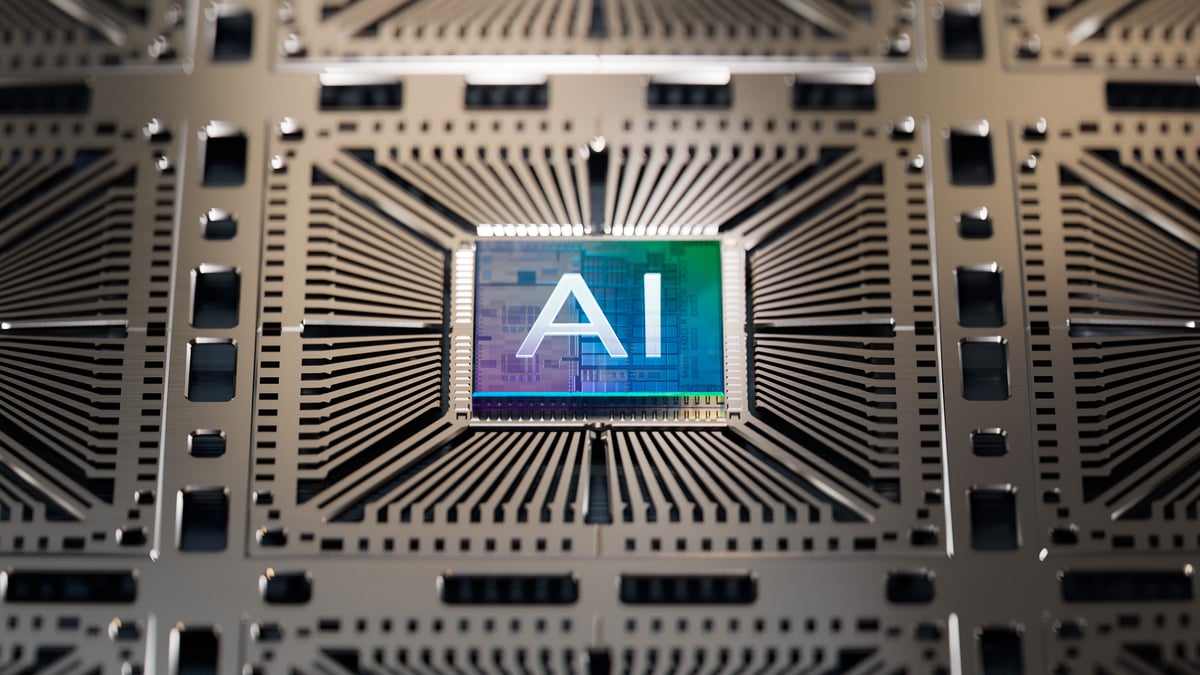
Alphabet Faces Risks and Opportunities in AI Investment

- Surge in Capital Expenditure: Alphabet plans to increase its capital expenditures to between $175 billion and $185 billion by 2026, nearly doubling from last year's $91 billion, indicating a strong commitment to AI investment, although this may pressure future cash flows.
- Expansion of Technical Infrastructure: CFO Anat Ashkenazi stated that approximately 60% of the investment will be allocated to servers and 40% to data centers and networking equipment, suggesting that Alphabet's ongoing expansion in technical infrastructure will enhance its competitive position in the market.
- Investment Return Risks: Despite optimistic views on capital spending, analysts expect free cash flow to decline by 70% year-over-year in 2026, which could prevent shareholders from benefiting from more aggressive stock buybacks or higher dividends.
- Challenges of AI Innovation: With the rapid evolution of AI technology, Alphabet faces the risk of shortened asset lifespans; if hardware and software become obsolete within three years, it will necessitate continuous replacements and upgrades, adding unpredictability to future investments.
See More

Meta Unveils New AI Model Muse Spark, Aiming to Compete in AI Market

- AI Strategy Shift: Meta's introduction of the new AI model Muse Spark at the beginning of Q2 signifies a pivotal shift in its AI strategy, aiming to monetize through paid access for developers, akin to OpenAI's approach, thereby enhancing its competitive edge in the rapidly evolving AI market.
- Ad Business Growth: Analysts project a 31% year-over-year revenue increase for Meta in Q1, reaching $55.6 billion, showcasing the positive impact of AI advancements on ad targeting capabilities, which further solidifies its dominant position in the advertising sector.
- Leadership Changes and Investment: The adjustment in Meta's AI leadership, including the hiring of former GitHub CEO Nat Friedman, indicates a proactive effort in rebuilding its AI tech stack, which is expected to drive the development and application of future AI models.
- Layoffs and Cost Control: Meta plans to lay off about 10% of its workforce (approximately 8,000 employees) on May 20 to improve business efficiency, while projecting AI-related capital expenditures to reach between $115 billion and $135 billion by 2026, reflecting the company's ongoing investment in AI infrastructure.
See More
Tech Giants Face Earnings Amid Rising Costs and Demand

- Capex Plans: Google, Amazon, and Meta are projected to spend $200 billion on capital expenditures in 2023, a more than 50% increase from 2025, reflecting their commitment to AI infrastructure despite challenges from rising oil prices and memory shortages.
- Memory Crisis Intensifies: The global memory shortage has driven Micron's stock up over 550% in the past year, placing significant cost pressures on tech companies as they strive to meet data center demands, potentially impacting future profitability.
- Rising Energy Costs: Diesel prices have surged approximately 42% since the onset of the Iran war, directly affecting operational costs for data centers and forcing companies to factor in higher energy expenses when constructing new facilities.
- Market Confidence Remains: Despite uncertainties, investor confidence in the AI sector remains strong, with Nvidia's stock hitting record highs, indicating a bullish outlook on tech giants' investments in AI.
See More

Meta Unveils Muse Spark AI Model to Revitalize Market Position
- AI Strategy Shift: Meta's launch of the new AI model Muse Spark marks a significant shift in its AI strategy, aiming to monetize through paid access for developers, which is expected to enhance its competitive edge in the advertising business.
- Revenue Growth Expectations: Analysts anticipate a 31% year-over-year revenue growth for Meta in Q1, reaching $55.6 billion, representing the fastest growth rate since 2021, indicating a positive impact of AI technology on its advertising business.
- Executive Changes and Investment: The leadership changes in Meta's AI division and its $14.3 billion investment in a data-labeling startup signal the company's proactive measures to close the gap with competitors like OpenAI and Google.
- Layoffs and Efficiency Improvements: Meta plans to lay off 10% of its workforce, approximately 8,000 employees, to enhance business efficiency, while projecting AI-related capital expenditures to reach $115 billion to $135 billion by 2026, underscoring its commitment to AI infrastructure.
See More

US Tech Giants Set to Report Earnings Amid Oil Price Surge

- Earnings Outlook: The four major US tech giants, Alphabet, Amazon, Meta, and Microsoft, are set to report earnings after the market close on Wednesday, with investors eager to understand the impact of soaring oil prices and the memory crunch on capital expenditures since the onset of the Iran war.
- Capex Plans: Despite a roughly 50% increase in oil prices since the war began, analysts do not expect significant swings in capex forecasts, with average estimates for Alphabet, Amazon, and Meta remaining within the guidance provided in January.
- Memory Crisis Intensifies: Memory maker Micron's stock has surged over 550% in the past year, with projections indicating that dynamic random access memory (DRAM) prices could reach $9.71 per gigabyte by 2026, putting pressure on cloud service providers.
- Market Confidence Remains: Despite uncertainties, investor confidence in the AI sector remains strong, as Nvidia's stock hits record highs and the Nasdaq index rises 15% in April, reflecting an optimistic sentiment towards tech stocks.
See More
Analysis of GOOGL Options Contracts and Investment Opportunities
- Put Option Appeal: The current bid for the $345.00 put option is $8.10, and if an investor sells-to-open this contract, they commit to buying the stock at $345.00, effectively lowering their cost basis to $336.90, which is approximately a 2% discount from the current price of $350.42, making it attractive for those interested in GOOGL shares.
- Yield Potential Analysis: Should the put option expire worthless, the premium would yield a 2.35% return on the cash commitment, equating to an annualized yield of 57.13%, referred to as YieldBoost, highlighting the potential attractiveness of this investment strategy.
- Call Option Returns: The $400.00 call option has a current bid of $1.22, and if an investor buys GOOGL shares at $350.42 and sells this call, they could achieve a total return of 14.50% if the stock is called away at expiration, showcasing the profit potential of this strategy.
- Risk Assessment: Current analytics suggest an 89% chance that the $400.00 call option will expire worthless, allowing the investor to retain both their shares and the premium collected, thereby further mitigating investment risk.
See More
Alphabet Faces Risks and Opportunities in AI Investment
- Surge in Capital Expenditure: Alphabet plans to increase its capital expenditures to between $175 billion and $185 billion by 2026, nearly doubling from last year's $91 billion, indicating a strong commitment to AI investment, although this may pressure future cash flows.
- Expansion of Technical Infrastructure: CFO Anat Ashkenazi stated that approximately 60% of the investment will be allocated to servers and 40% to data centers and networking equipment, suggesting that Alphabet's ongoing expansion in technical infrastructure will enhance its competitive position in the market.
- Investment Return Risks: Despite optimistic views on capital spending, analysts expect free cash flow to decline by 70% year-over-year in 2026, which could prevent shareholders from benefiting from more aggressive stock buybacks or higher dividends.
- Challenges of AI Innovation: With the rapid evolution of AI technology, Alphabet faces the risk of shortened asset lifespans; if hardware and software become obsolete within three years, it will necessitate continuous replacements and upgrades, adding unpredictability to future investments.
See More
Meta Unveils New AI Model Muse Spark, Aiming to Compete in AI Market
- AI Strategy Shift: Meta's introduction of the new AI model Muse Spark at the beginning of Q2 signifies a pivotal shift in its AI strategy, aiming to monetize through paid access for developers, akin to OpenAI's approach, thereby enhancing its competitive edge in the rapidly evolving AI market.
- Ad Business Growth: Analysts project a 31% year-over-year revenue increase for Meta in Q1, reaching $55.6 billion, showcasing the positive impact of AI advancements on ad targeting capabilities, which further solidifies its dominant position in the advertising sector.
- Leadership Changes and Investment: The adjustment in Meta's AI leadership, including the hiring of former GitHub CEO Nat Friedman, indicates a proactive effort in rebuilding its AI tech stack, which is expected to drive the development and application of future AI models.
- Layoffs and Cost Control: Meta plans to lay off about 10% of its workforce (approximately 8,000 employees) on May 20 to improve business efficiency, while projecting AI-related capital expenditures to reach between $115 billion and $135 billion by 2026, reflecting the company's ongoing investment in AI infrastructure.
See More
Tech Giants Face Earnings Amid Rising Costs and Demand
- Capex Plans: Google, Amazon, and Meta are projected to spend $200 billion on capital expenditures in 2023, a more than 50% increase from 2025, reflecting their commitment to AI infrastructure despite challenges from rising oil prices and memory shortages.
- Memory Crisis Intensifies: The global memory shortage has driven Micron's stock up over 550% in the past year, placing significant cost pressures on tech companies as they strive to meet data center demands, potentially impacting future profitability.
- Rising Energy Costs: Diesel prices have surged approximately 42% since the onset of the Iran war, directly affecting operational costs for data centers and forcing companies to factor in higher energy expenses when constructing new facilities.
- Market Confidence Remains: Despite uncertainties, investor confidence in the AI sector remains strong, with Nvidia's stock hitting record highs, indicating a bullish outlook on tech giants' investments in AI.
See More
Meta Unveils Muse Spark AI Model to Revitalize Market Position
- AI Strategy Shift: Meta's launch of the new AI model Muse Spark marks a significant shift in its AI strategy, aiming to monetize through paid access for developers, which is expected to enhance its competitive edge in the advertising business.
- Revenue Growth Expectations: Analysts anticipate a 31% year-over-year revenue growth for Meta in Q1, reaching $55.6 billion, representing the fastest growth rate since 2021, indicating a positive impact of AI technology on its advertising business.
- Executive Changes and Investment: The leadership changes in Meta's AI division and its $14.3 billion investment in a data-labeling startup signal the company's proactive measures to close the gap with competitors like OpenAI and Google.
- Layoffs and Efficiency Improvements: Meta plans to lay off 10% of its workforce, approximately 8,000 employees, to enhance business efficiency, while projecting AI-related capital expenditures to reach $115 billion to $135 billion by 2026, underscoring its commitment to AI infrastructure.
See More
US Tech Giants Set to Report Earnings Amid Oil Price Surge
- Earnings Outlook: The four major US tech giants, Alphabet, Amazon, Meta, and Microsoft, are set to report earnings after the market close on Wednesday, with investors eager to understand the impact of soaring oil prices and the memory crunch on capital expenditures since the onset of the Iran war.
- Capex Plans: Despite a roughly 50% increase in oil prices since the war began, analysts do not expect significant swings in capex forecasts, with average estimates for Alphabet, Amazon, and Meta remaining within the guidance provided in January.
- Memory Crisis Intensifies: Memory maker Micron's stock has surged over 550% in the past year, with projections indicating that dynamic random access memory (DRAM) prices could reach $9.71 per gigabyte by 2026, putting pressure on cloud service providers.
- Market Confidence Remains: Despite uncertainties, investor confidence in the AI sector remains strong, as Nvidia's stock hits record highs and the Nasdaq index rises 15% in April, reflecting an optimistic sentiment towards tech stocks.
See More