The Overlooked Sector of Healthcare That Has Captivated Wall Street


Health Care Industry Volatility: The health care sector is characterized by significant volatility, with companies experiencing drastic changes in stock prices based on the success of individual products or clinical trials.
Investment Trends: Investors are increasingly focusing on companies that provide essential equipment and services rather than high-risk pharmaceutical names, despite some major players in the lab equipment sector being overlooked.
Thermo Fisher's Performance: Thermo Fisher Scientific has faced challenges in 2026, with shares dropping over 15% year-to-date, but recent revenue growth and strong earnings suggest potential for recovery.
Agilent's Growth Potential: Agilent Technologies is expected to see significant growth in earnings and share price, driven by its recent acquisition of BioCare Medical, which enhances its capabilities in cancer diagnostics.
Trade with 70% Backtested Accuracy
Analyst Views on TMO

About TMO
About the author

Goldman Sachs Bullish on IPOs and M&A Opportunities


- IPO Market Outlook: Goldman Sachs analysts predict they will be major winners in the IPO and M&A markets, indicating significant investment decisions in their charitable trust, reflecting strong confidence in market activity.
- Surge in Semiconductor Demand: Taiwan Semiconductor Manufacturing faces overwhelming business demand, with ARM Holdings also indicating a need for more chips, highlighting a tight supply-demand situation in the global semiconductor market that could lead to price increases and market share redistribution.
- Quantum Computing Leader: D-Wave is identified as the best option in the quantum computing space, indicating its leading position in emerging technologies, which may attract more investor attention to its future growth potential.
- Growing Equipment Demand: Thermo Fisher is viewed as a beneficiary of equipment demand in the IPO market, with analysts recommending buying at current price levels, signaling the company's crucial role in future market dynamics.
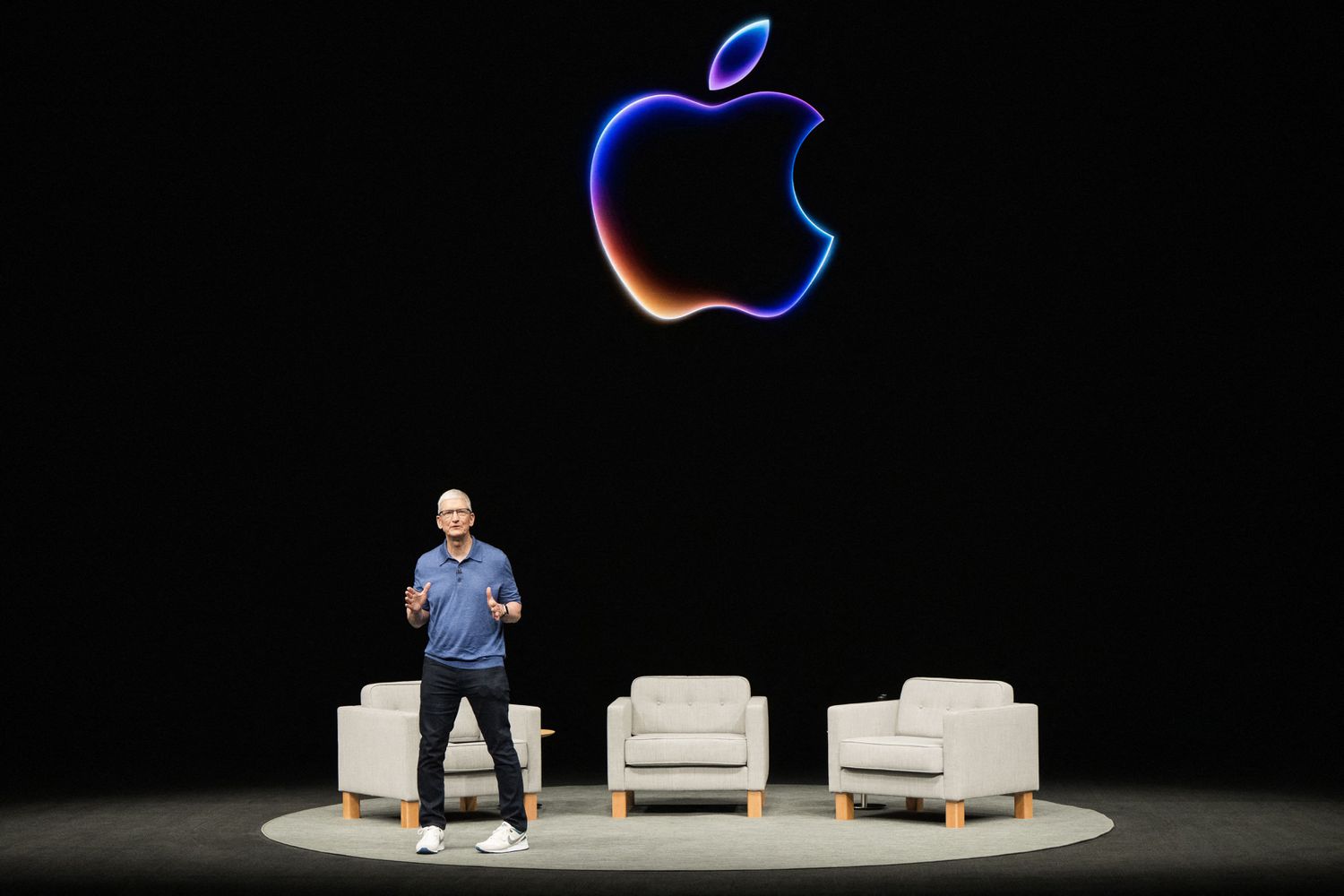
Apple, Amazon, and TSMC Deliver Earnings Triple Plays


- Earnings Highlights: Apple, Amazon, and TSMC have all achieved a 'triple play' this quarter, delivering growth in earnings, revenue, and guidance, which underscores strong market demand and business resilience, further solidifying their leadership positions in their respective industries.
- Market Reaction: Investors reacted positively to the earnings reports from these three companies, driving stock prices higher, which reflects a renewed confidence in tech stocks and may attract more capital inflows into the technology sector.
- Industry Impact: The robust performance of these companies not only enhances their market valuations but may also lead to upward revisions in earnings expectations for other tech firms, creating a virtuous cycle that could further drive the recovery of the entire industry.
- Future Outlook: As the global economy gradually recovers, the success stories of Apple, Amazon, and TSMC may inspire other companies to adopt similar growth strategies, fostering innovation and investment that drive long-term growth.

Thermo Fisher Sells Microbiology Business for $1.08 Billion

- Transaction Value: Thermo Fisher Scientific has agreed to sell its microbiology business to pan-European private equity firm Astorg for approximately $1.08 billion, which includes cash and a $50 million seller note, providing the company with liquidity to support other strategic investments.
- Business Restructuring: This sale represents a strategic move by Thermo Fisher to optimize its business portfolio, aiming to concentrate resources on areas with higher growth potential, thereby enhancing overall operational efficiency and market competitiveness.
- Market Reaction: The market has reacted positively to this transaction, with analysts believing that this move will help Thermo Fisher achieve better growth in future financial performance, particularly in investments within the biotechnology and life sciences sectors.
- Private Equity Involvement: Astorg's participation as the buyer indicates ongoing interest from private equity firms in the microbiology sector, with expectations that they will leverage their expertise to drive further development and expansion of the business.

Thermo Fisher Sells Microbiology Business for $1.075 Billion
- Transaction Value: Thermo Fisher has agreed to sell its microbiology business for approximately $1.075 billion in cash and a $50 million seller note, which will provide significant cash inflow but also means losing a business that generated $645 million in revenue.
- Business Impact: The microbiology unit focuses on antimicrobial susceptibility testing and culture media solutions, and while the deal is expected to close in the second half of 2026, it will dilute Thermo Fisher's adjusted earnings per share by $0.15, indicating a short-term decline in profitability.
- Market Reaction: Following the announcement, Thermo Fisher's premarket stock price dipped 0.12% to $469.12, yet the market remains optimistic about its future revenue outlook, projecting adjusted EPS between $24.64 and $25.12 for 2026.
- Strategic Shift: This transaction signifies Thermo Fisher's strategic shift towards focusing on its core business and optimizing its asset portfolio, which is expected to provide greater flexibility for future growth opportunities and competitive positioning in the market.

Market Capital Flow Issues Impact Healthcare Stocks


- Healthcare Stocks Hit Hard: Despite strong quarterly results from companies like Thermo Fisher and Danaher, the lack of investor confidence in the healthcare sector has led to significant stock declines, indicating a panic among investors regarding healthcare equities.
- Capital Flow Concentration: Market funds are primarily directed towards stocks tied to data center construction, resulting in persistent selling pressure on healthcare stocks such as Abbott Labs and Cardinal Health, reflecting a risk-averse sentiment among investors towards the healthcare industry.
- IPO Market Impact: Upcoming IPOs like SpaceX are likely to attract substantial capital, further weakening healthcare stock performance, reminiscent of the capital concentration seen during the internet bubble in 1999, which could lead to further declines in healthcare stock P/E ratios.
- Key Earnings Reports from Tech Giants: The upcoming earnings reports from Alphabet, Amazon, Meta, and Microsoft will be crucial; if two of these companies perform well, it may boost market sentiment, whereas poor results could exacerbate downward pressure on healthcare stocks.

JP Morgan Lowers Target Price for Thermo Fisher Scientific Inc. to $600 from $710
- Target Price Adjustment: JP Morgan has reduced its target price for Thermo Fisher Scientific from $710 to $600.
- Market Impact: This adjustment reflects changes in market conditions and expectations for the company's performance.
Goldman Sachs Bullish on IPOs and M&A Opportunities
- IPO Market Outlook: Goldman Sachs analysts predict they will be major winners in the IPO and M&A markets, indicating significant investment decisions in their charitable trust, reflecting strong confidence in market activity.
- Surge in Semiconductor Demand: Taiwan Semiconductor Manufacturing faces overwhelming business demand, with ARM Holdings also indicating a need for more chips, highlighting a tight supply-demand situation in the global semiconductor market that could lead to price increases and market share redistribution.
- Quantum Computing Leader: D-Wave is identified as the best option in the quantum computing space, indicating its leading position in emerging technologies, which may attract more investor attention to its future growth potential.
- Growing Equipment Demand: Thermo Fisher is viewed as a beneficiary of equipment demand in the IPO market, with analysts recommending buying at current price levels, signaling the company's crucial role in future market dynamics.
Apple, Amazon, and TSMC Deliver Earnings Triple Plays
- Earnings Highlights: Apple, Amazon, and TSMC have all achieved a 'triple play' this quarter, delivering growth in earnings, revenue, and guidance, which underscores strong market demand and business resilience, further solidifying their leadership positions in their respective industries.
- Market Reaction: Investors reacted positively to the earnings reports from these three companies, driving stock prices higher, which reflects a renewed confidence in tech stocks and may attract more capital inflows into the technology sector.
- Industry Impact: The robust performance of these companies not only enhances their market valuations but may also lead to upward revisions in earnings expectations for other tech firms, creating a virtuous cycle that could further drive the recovery of the entire industry.
- Future Outlook: As the global economy gradually recovers, the success stories of Apple, Amazon, and TSMC may inspire other companies to adopt similar growth strategies, fostering innovation and investment that drive long-term growth.
Thermo Fisher Sells Microbiology Business for $1.08 Billion
- Transaction Value: Thermo Fisher Scientific has agreed to sell its microbiology business to pan-European private equity firm Astorg for approximately $1.08 billion, which includes cash and a $50 million seller note, providing the company with liquidity to support other strategic investments.
- Business Restructuring: This sale represents a strategic move by Thermo Fisher to optimize its business portfolio, aiming to concentrate resources on areas with higher growth potential, thereby enhancing overall operational efficiency and market competitiveness.
- Market Reaction: The market has reacted positively to this transaction, with analysts believing that this move will help Thermo Fisher achieve better growth in future financial performance, particularly in investments within the biotechnology and life sciences sectors.
- Private Equity Involvement: Astorg's participation as the buyer indicates ongoing interest from private equity firms in the microbiology sector, with expectations that they will leverage their expertise to drive further development and expansion of the business.
Thermo Fisher Sells Microbiology Business for $1.075 Billion
- Transaction Value: Thermo Fisher has agreed to sell its microbiology business for approximately $1.075 billion in cash and a $50 million seller note, which will provide significant cash inflow but also means losing a business that generated $645 million in revenue.
- Business Impact: The microbiology unit focuses on antimicrobial susceptibility testing and culture media solutions, and while the deal is expected to close in the second half of 2026, it will dilute Thermo Fisher's adjusted earnings per share by $0.15, indicating a short-term decline in profitability.
- Market Reaction: Following the announcement, Thermo Fisher's premarket stock price dipped 0.12% to $469.12, yet the market remains optimistic about its future revenue outlook, projecting adjusted EPS between $24.64 and $25.12 for 2026.
- Strategic Shift: This transaction signifies Thermo Fisher's strategic shift towards focusing on its core business and optimizing its asset portfolio, which is expected to provide greater flexibility for future growth opportunities and competitive positioning in the market.
Market Capital Flow Issues Impact Healthcare Stocks
- Healthcare Stocks Hit Hard: Despite strong quarterly results from companies like Thermo Fisher and Danaher, the lack of investor confidence in the healthcare sector has led to significant stock declines, indicating a panic among investors regarding healthcare equities.
- Capital Flow Concentration: Market funds are primarily directed towards stocks tied to data center construction, resulting in persistent selling pressure on healthcare stocks such as Abbott Labs and Cardinal Health, reflecting a risk-averse sentiment among investors towards the healthcare industry.
- IPO Market Impact: Upcoming IPOs like SpaceX are likely to attract substantial capital, further weakening healthcare stock performance, reminiscent of the capital concentration seen during the internet bubble in 1999, which could lead to further declines in healthcare stock P/E ratios.
- Key Earnings Reports from Tech Giants: The upcoming earnings reports from Alphabet, Amazon, Meta, and Microsoft will be crucial; if two of these companies perform well, it may boost market sentiment, whereas poor results could exacerbate downward pressure on healthcare stocks.
JP Morgan Lowers Target Price for Thermo Fisher Scientific Inc. to $600 from $710
- Target Price Adjustment: JP Morgan has reduced its target price for Thermo Fisher Scientific from $710 to $600.
- Market Impact: This adjustment reflects changes in market conditions and expectations for the company's performance.