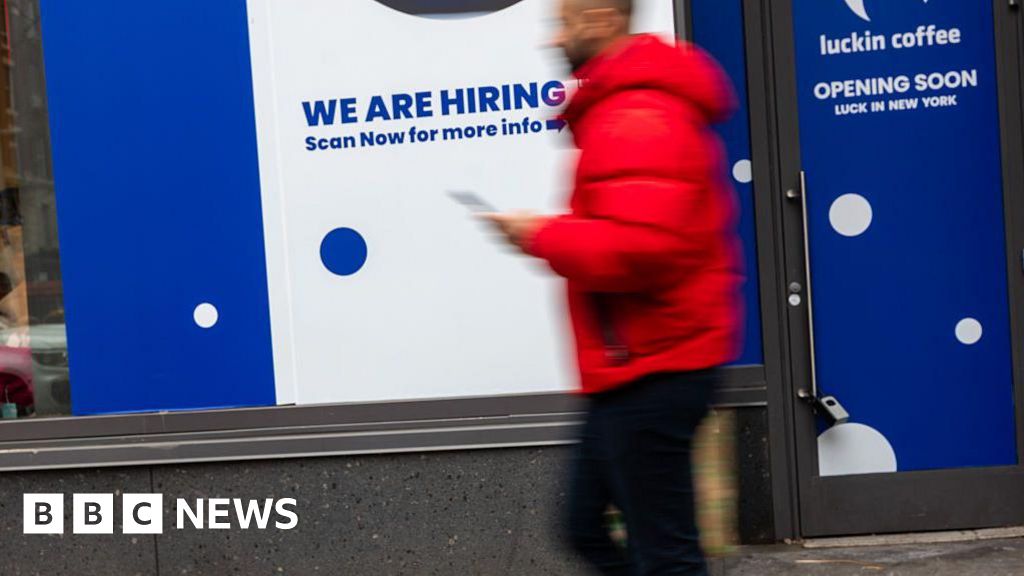
The New York Times Introduces Family Plan to Attract Users
Written by Emily J. Thompson, Senior Investment Analyst
Updated: Feb 11 2026
0mins

Should l Buy NYT?
Source: Benzinga
- Family Plan Strategy: The New York Times' introduction of the 'Family Plan' allows users to share subscriptions under a premium model, aiming to enhance user loyalty through voluntary incentives rather than forced lockouts, thereby increasing subscription appeal.
- Revenue Growth Driver: This plan is seen as an 'additive' source of revenue, with 450,000 new digital subscribers added in Q4, bringing the total to 12.8 million and pushing digital revenues past $2 billion for the first time, indicating strong market demand.
- Market Performance Comparison: NYT's stock has risen 1.29% year-to-date, closely mirroring the S&P 500's 1.22% increase, with a 22.76% rise over the last six months and a 42.70% increase over the year, reflecting solid investment returns.
- Future Strategy Flexibility: While currently focused on the Family Plan, the company has not ruled out the possibility of implementing stricter measures in the future, indicating flexibility and adaptability in its user management strategy.
Trade with 70% Backtested Accuracy
Stop guessing "Should I Buy NYT?" and start using high-conviction signals backed by rigorous historical data.
Sign up today to access powerful investing tools and make smarter, data-driven decisions.
Analyst Views on NYT
Wall Street analysts forecast NYT stock price to fall
6 Analyst Rating
4 Buy
2 Hold
0 Sell
Moderate Buy
Current: 85.390

Low
55.00
Averages
69.33
High
81.00
Current: 85.390
Low
55.00
Averages
69.33
High
81.00
About NYT
The New York Times Company is a global media organization that includes newspapers, digital and print products, and related businesses. It is focused on creating, collecting, and distributing news and information that helps the audience understand and engage with the world. The Company's news product, The New York Times (The Times) is available on mobile applications, on its Website (NYTimes.com) and as a printed newspaper, and with associated content such as podcasts. The Company's interest-specific products include The Athletic, Games, Cooking, and Audio (read-aloud audio service), which are available on mobile applications and Websites; and Wirecutter, an online review and recommendation product. Its other businesses include licensing operations; commercial printing operations; live events business; and other products and services under The Times brand. The Company’s Times’s print edition newspaper is published seven days a week in the United States.
About the author

Emily J. Thompson
Emily J. Thompson, a Chartered Financial Analyst (CFA) with 12 years in investment research, graduated with honors from the Wharton School. Specializing in industrial and technology stocks, she provides in-depth analysis for Intellectia’s earnings and market brief reports.
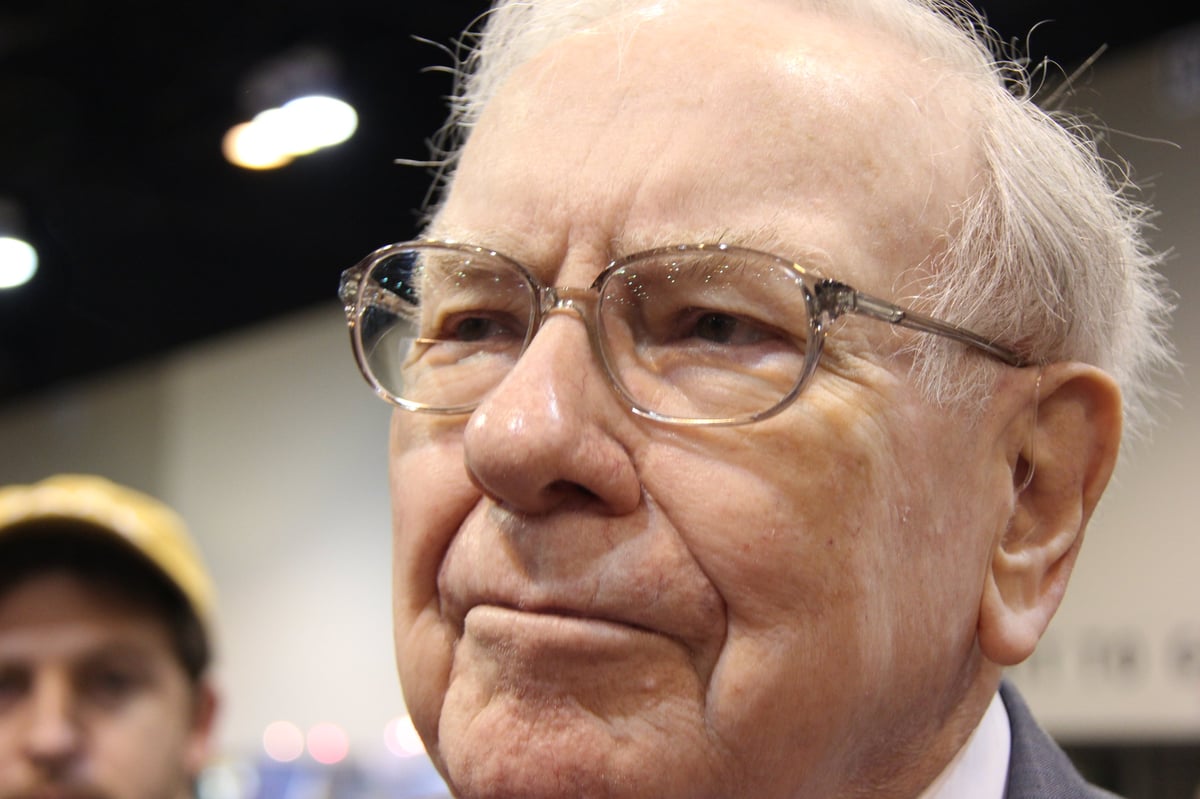
Berkshire Hathaway's New Direction Post-Buffett Retirement


- Buffett's Retirement Impact: Warren Buffett officially retired on December 31, and although he remains on the board, his departure has left a significant mark on Berkshire's investment portfolio, particularly with its active $312 billion investment strategy leading up to his retirement.
- Bank Stock Reduction Strategy: Over the 18 months prior to his retirement, Buffett cut his stake in Bank of America by 50%, selling a total of 515,556,072 shares, which reflects his deep consideration of the company's valuation and interest rate sensitivity, even as it remains a core holding for Berkshire.
- Oil Stock Acquisition Move: In his final quarter as CEO, Buffett invested approximately $1.2 billion to increase Berkshire's stake in Chevron by purchasing 8,091,570 shares, demonstrating confidence in the company's robust capital return program and integrated operating model, especially amid global energy supply chain disruptions.
- Market Environment Changes: The ongoing conflict in Iran has led to a 36% increase in Chevron's stock price since the beginning of the year, presenting a positive market outlook for Berkshire's investment while reflecting Buffett's continued optimism regarding high-margin drilling operations.
See More

Buffett's Retirement Marks New Era for Berkshire Hathaway
- Buffett's Retirement: Warren Buffett officially retired on December 31, concluding over 50 years as CEO of Berkshire Hathaway, although he remains on the board, ensuring his strategic influence continues to shape the company's future.
- Stock Trading Dynamics: In the quarters leading up to his retirement, Buffett persistently sold shares of Bank of America, offloading over 515 million shares, which represented roughly half of Berkshire's peak stake, indicating concerns over the bank's valuation.
- New Investment Direction: In his final quarter, Buffett invested approximately $1.2 billion in integrated oil and gas giant Chevron, reflecting optimism about the energy market, particularly amid supply chain disruptions caused by the Iran war.
- Dividend and Buyback Strategy: Chevron has increased its dividend for 39 consecutive years and has reduced its outstanding share count through buybacks, a capital return strategy that may enhance earnings per share, aligning with Buffett's investment philosophy.
See More
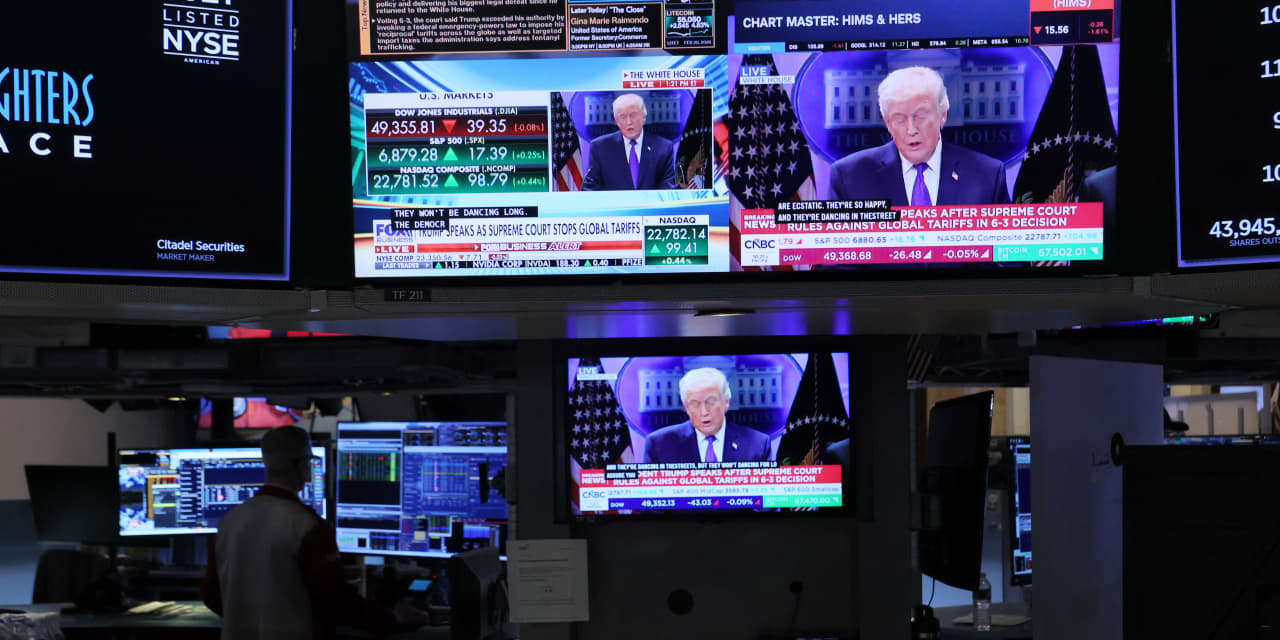
Stocks React to War Developments: Keep an Eye on Treasury Yields and Market Volatility.


- Market Gains: Global stock markets experienced solid gains due to reports suggesting a potential easing of tensions between the U.S. and Iran.
- Oil Prices: The positive market sentiment coincided with a significant drop in oil prices.
- Treasury Yields: There was also a notable decrease in Treasury bond yields, reflecting investor confidence.
- Overall Sentiment: The combination of these factors indicates a shift in market dynamics influenced by geopolitical developments.
See More

Buffett Increases Holdings in Multiple Stocks

- Portfolio Adjustment: Buffett initiated a new position and added to four existing stocks in Berkshire Hathaway's portfolio, indicating his recognition of value in these companies, particularly his ongoing interest in Domino's Pizza.
- Cash Flow Dynamics: In the last quarter, Berkshire Hathaway's equity purchases totaled $3.5 billion, while sales increased to $6.6 billion; although the purchase amount represents less than 0.5% of its $373 billion in liquid assets, it reflects an ability to seize market opportunities.
- Domino's Pizza Performance: Buffett has rapidly increased his stake in Domino's Pizza over the past six quarters, now holding nearly 10%, as the company leverages its strong brand and technology to capture market share, recently posting a 3.7% same-store sales growth in the U.S.
- Emerging Investment: Buffett's new investment in The New York Times showcases its successful digital transformation, and despite its stock trading at nearly 30 times earnings expectations, the growing subscriber base and revenue per subscriber highlight its potential for growth in the traditional media landscape.
See More
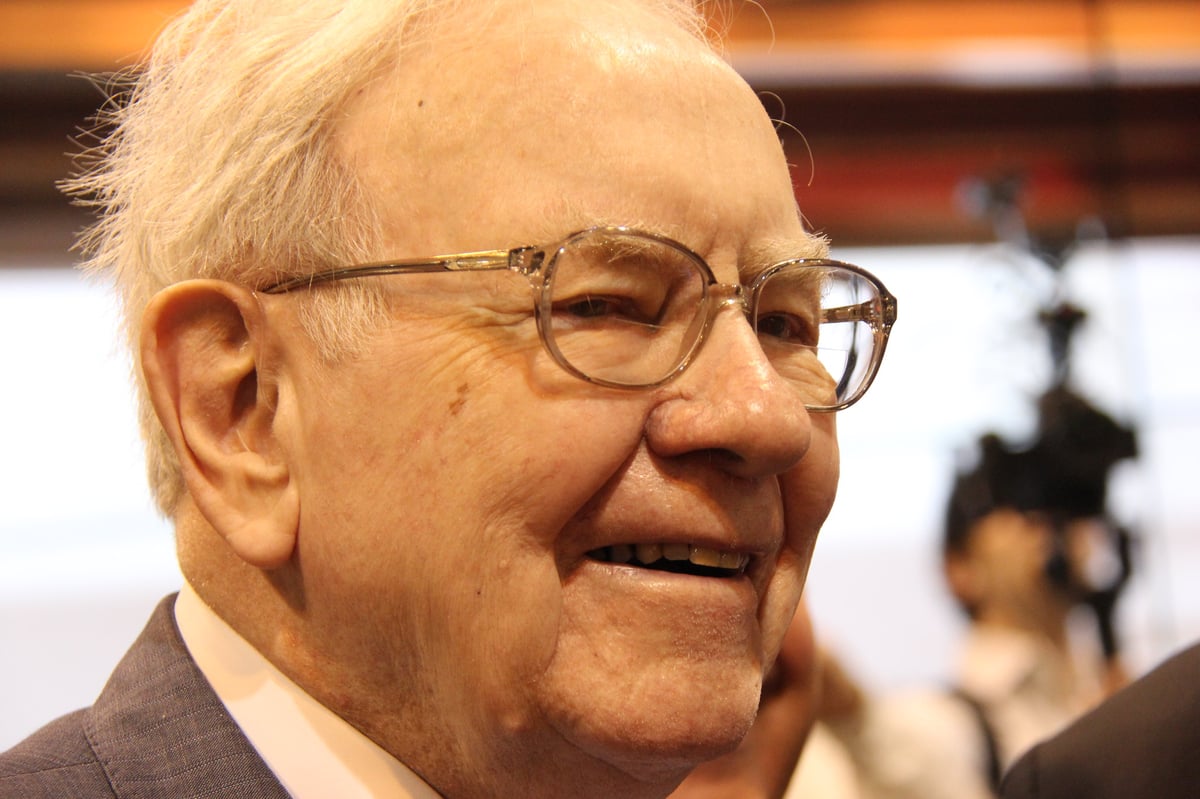
Buffett's Final Quarter Investment Overview
- Investment Dynamics: In his final quarter, Buffett invested $3.5 billion across five companies, despite being a net seller of stocks over the last 13 quarters, indicating challenges in finding suitable investment opportunities amid market conditions.
- Cash Flow Analysis: While Buffett's stock purchases totaled $3.5 billion, his sales reached $6.6 billion, reflecting a cautious investment strategy within his $373 billion liquid assets, showcasing a conservative approach to market volatility.
- Diversified Investments: Buffett's stake in Domino's Pizza has approached 10%, indicating confidence in the company's strong performance and market share growth, particularly with a recent same-store sales increase of 3.7%.
- Industry Outlook: Buffett's investments in Chubb and Chevron highlight his long-term optimism for the insurance and energy sectors, especially as Chubb continues to raise underwriting premiums, underscoring its competitive position in the market.
See More

High Options Volume for New York Times and Thermo Fisher Scientific

- New York Times Options: New York Times (NYT) options volume reached 22,095 contracts today, representing approximately 2.2 million shares, which constitutes 98.3% of its average daily trading volume over the past month, indicating strong market interest in its future performance.
- High Volume Put Options: Within NYT, the $80 strike put option saw 10,001 contracts traded today, representing about 1.0 million shares, reflecting investor expectations of potential price declines, which could impact stock volatility.
- Thermo Fisher Options: Thermo Fisher Scientific Inc (TMO) options volume reached 19,487 contracts today, equating to approximately 1.9 million shares, accounting for 94% of its average daily trading volume over the past month, showcasing active market interest in its stock.
- Put Option Concerns: For TMO, the $570 strike put option traded 2,100 contracts today, representing around 210,000 shares, indicating investor concerns about potential future declines, which may affect its market performance.
See More
Berkshire Hathaway's New Direction Post-Buffett Retirement
- Buffett's Retirement Impact: Warren Buffett officially retired on December 31, and although he remains on the board, his departure has left a significant mark on Berkshire's investment portfolio, particularly with its active $312 billion investment strategy leading up to his retirement.
- Bank Stock Reduction Strategy: Over the 18 months prior to his retirement, Buffett cut his stake in Bank of America by 50%, selling a total of 515,556,072 shares, which reflects his deep consideration of the company's valuation and interest rate sensitivity, even as it remains a core holding for Berkshire.
- Oil Stock Acquisition Move: In his final quarter as CEO, Buffett invested approximately $1.2 billion to increase Berkshire's stake in Chevron by purchasing 8,091,570 shares, demonstrating confidence in the company's robust capital return program and integrated operating model, especially amid global energy supply chain disruptions.
- Market Environment Changes: The ongoing conflict in Iran has led to a 36% increase in Chevron's stock price since the beginning of the year, presenting a positive market outlook for Berkshire's investment while reflecting Buffett's continued optimism regarding high-margin drilling operations.
See More
Buffett's Retirement Marks New Era for Berkshire Hathaway
- Buffett's Retirement: Warren Buffett officially retired on December 31, concluding over 50 years as CEO of Berkshire Hathaway, although he remains on the board, ensuring his strategic influence continues to shape the company's future.
- Stock Trading Dynamics: In the quarters leading up to his retirement, Buffett persistently sold shares of Bank of America, offloading over 515 million shares, which represented roughly half of Berkshire's peak stake, indicating concerns over the bank's valuation.
- New Investment Direction: In his final quarter, Buffett invested approximately $1.2 billion in integrated oil and gas giant Chevron, reflecting optimism about the energy market, particularly amid supply chain disruptions caused by the Iran war.
- Dividend and Buyback Strategy: Chevron has increased its dividend for 39 consecutive years and has reduced its outstanding share count through buybacks, a capital return strategy that may enhance earnings per share, aligning with Buffett's investment philosophy.
See More
Stocks React to War Developments: Keep an Eye on Treasury Yields and Market Volatility.
- Market Gains: Global stock markets experienced solid gains due to reports suggesting a potential easing of tensions between the U.S. and Iran.
- Oil Prices: The positive market sentiment coincided with a significant drop in oil prices.
- Treasury Yields: There was also a notable decrease in Treasury bond yields, reflecting investor confidence.
- Overall Sentiment: The combination of these factors indicates a shift in market dynamics influenced by geopolitical developments.
See More
Buffett Increases Holdings in Multiple Stocks
- Portfolio Adjustment: Buffett initiated a new position and added to four existing stocks in Berkshire Hathaway's portfolio, indicating his recognition of value in these companies, particularly his ongoing interest in Domino's Pizza.
- Cash Flow Dynamics: In the last quarter, Berkshire Hathaway's equity purchases totaled $3.5 billion, while sales increased to $6.6 billion; although the purchase amount represents less than 0.5% of its $373 billion in liquid assets, it reflects an ability to seize market opportunities.
- Domino's Pizza Performance: Buffett has rapidly increased his stake in Domino's Pizza over the past six quarters, now holding nearly 10%, as the company leverages its strong brand and technology to capture market share, recently posting a 3.7% same-store sales growth in the U.S.
- Emerging Investment: Buffett's new investment in The New York Times showcases its successful digital transformation, and despite its stock trading at nearly 30 times earnings expectations, the growing subscriber base and revenue per subscriber highlight its potential for growth in the traditional media landscape.
See More
Buffett's Final Quarter Investment Overview
- Investment Dynamics: In his final quarter, Buffett invested $3.5 billion across five companies, despite being a net seller of stocks over the last 13 quarters, indicating challenges in finding suitable investment opportunities amid market conditions.
- Cash Flow Analysis: While Buffett's stock purchases totaled $3.5 billion, his sales reached $6.6 billion, reflecting a cautious investment strategy within his $373 billion liquid assets, showcasing a conservative approach to market volatility.
- Diversified Investments: Buffett's stake in Domino's Pizza has approached 10%, indicating confidence in the company's strong performance and market share growth, particularly with a recent same-store sales increase of 3.7%.
- Industry Outlook: Buffett's investments in Chubb and Chevron highlight his long-term optimism for the insurance and energy sectors, especially as Chubb continues to raise underwriting premiums, underscoring its competitive position in the market.
See More
High Options Volume for New York Times and Thermo Fisher Scientific
- New York Times Options: New York Times (NYT) options volume reached 22,095 contracts today, representing approximately 2.2 million shares, which constitutes 98.3% of its average daily trading volume over the past month, indicating strong market interest in its future performance.
- High Volume Put Options: Within NYT, the $80 strike put option saw 10,001 contracts traded today, representing about 1.0 million shares, reflecting investor expectations of potential price declines, which could impact stock volatility.
- Thermo Fisher Options: Thermo Fisher Scientific Inc (TMO) options volume reached 19,487 contracts today, equating to approximately 1.9 million shares, accounting for 94% of its average daily trading volume over the past month, showcasing active market interest in its stock.
- Put Option Concerns: For TMO, the $570 strike put option traded 2,100 contracts today, representing around 210,000 shares, indicating investor concerns about potential future declines, which may affect its market performance.
See More