The Future Prospects of Space-Based Data Centers
Written by Emily J. Thompson, Senior Investment Analyst
Updated: 1 hour ago
0mins
Should l Buy RKLB?
Source: Fool
- Technological Advancements: The concept of space-based data centers has shifted from impractical to ideal due to advancements in technology, particularly as terrestrial data centers generate excessive heat that requires efficient cooling, which the cold environment of space can provide.
- Solar Power Advantage: Space data centers can utilize solar energy as a continuous power source, addressing the electricity demands of terrestrial AI data centers, indicating significant sustainability benefits for this technology.
- Decreasing Launch Costs: Since 2010, SpaceX's Falcon 9 rocket has reduced launch costs to $2,600 per kilogram, with Falcon Heavy further lowering it to $1,500, and projections suggest costs could drop below $1,000, establishing a solid economic foundation for space data centers.
- Significant Market Potential: Although the realization of space data centers is still a few years away, companies like Rocket Lab are preparing reusable medium-lift rockets capable of launching 13,000 kilograms into orbit, attracting investor interest in this promising market.
Trade with 70% Backtested Accuracy
Stop guessing "Should I Buy RKLB?" and start using high-conviction signals backed by rigorous historical data.
Sign up today to access powerful investing tools and make smarter, data-driven decisions.
Analyst Views on RKLB
Wall Street analysts forecast RKLB stock price to rise
11 Analyst Rating
7 Buy
4 Hold
0 Sell
Moderate Buy
Current: 82.930

Low
63.00
Averages
86.89
High
120.00
Current: 82.930
Low
63.00
Averages
86.89
High
120.00
About RKLB
Rocket Lab Corporation is an end-to-end space company. The Company designs and manufactures small and medium-class rockets, spacecraft and spacecraft components, and related software and services to support the space economy. The Company delivers reliable launch services, satellite manufacture, spacecraft design services, spacecraft components, spacecraft manufacturing, and other spacecraft and on-orbit management solutions that make it easier to access space. Its Launch Services segment provides launch and launch-related services to customers on a dedicated mission or ride-share basis. Its Space Systems segment comprises the design and manufacture of spacecraft components and spacecraft program management services, space data applications, and mission operations. Its space systems solutions are the building blocks for spacecraft, which include composite structures, reaction wheels, star trackers, solar solutions, radios, separation systems, and command and control spacecraft software.
About the author

Emily J. Thompson
Emily J. Thompson, a Chartered Financial Analyst (CFA) with 12 years in investment research, graduated with honors from the Wharton School. Specializing in industrial and technology stocks, she provides in-depth analysis for Intellectia’s earnings and market brief reports.

SpaceX IPO Could Become Largest in History

- Revenue Comparison: SpaceX generated $18.5 billion in revenue in 2025, with Starlink contributing over $10 billion, while Rocket Lab posted $602 million, a 38% year-over-year increase, but remains unprofitable, highlighting a significant disparity in market performance.
- Valuation Discrepancy: With a price-to-sales ratio of 108, SpaceX's valuation is nearly double that of Rocket Lab's 67 P/S ratio, raising investor concerns, especially in light of SpaceX's upcoming $2 trillion IPO.
- Market Outlook: Although Rocket Lab plans to launch its Neutron rocket to compete more effectively at a lower price point, SpaceX's dominant market position is unlikely to change materially over the next decade, underscoring its strong influence in the space economy.
- Investment Choices: While Rocket Lab's stock is priced at half of SpaceX's and has more room for growth, it continues to operate at a loss, prompting investors to carefully assess the long-term investment potential of both companies.
See More

The Future Prospects of Space-Based Data Centers

- Technological Advancements: The concept of space-based data centers has shifted from impractical to ideal due to advancements in technology, particularly as terrestrial data centers generate excessive heat that requires efficient cooling, which the cold environment of space can provide.
- Solar Power Advantage: Space data centers can utilize solar energy as a continuous power source, addressing the electricity demands of terrestrial AI data centers, indicating significant sustainability benefits for this technology.
- Decreasing Launch Costs: Since 2010, SpaceX's Falcon 9 rocket has reduced launch costs to $2,600 per kilogram, with Falcon Heavy further lowering it to $1,500, and projections suggest costs could drop below $1,000, establishing a solid economic foundation for space data centers.
- Significant Market Potential: Although the realization of space data centers is still a few years away, companies like Rocket Lab are preparing reusable medium-lift rockets capable of launching 13,000 kilograms into orbit, attracting investor interest in this promising market.
See More

The Future Outlook of Space-Based Data Centers
- Cost Reduction Trend: Since 2010, SpaceX's Falcon 9 rocket has reduced launch costs from $5,400 per kilogram to $2,600, and further down to $1,500 in 2018, with expectations of dropping below $1,000, making the establishment of space-based data centers increasingly feasible.
- Technology Readiness: AST SpaceMobile has successfully provided broadband internet connectivity from satellites to ordinary mobile phones, demonstrating the maturity of space communication technology, which lays a reliable communication foundation for future space data center operations.
- Significant Environmental Benefits: Space data centers powered by solar energy avoid the high heat and environmental impact generated by terrestrial data centers, showcasing a more eco-friendly operational model that aligns with global sustainability demands.
- Huge Market Potential: As launch costs decrease and technology advances, the concept of space data centers is gradually becoming a reality, attracting attention from industry leaders including Elon Musk and Jeff Bezos, indicating an increase in future investment opportunities.
See More
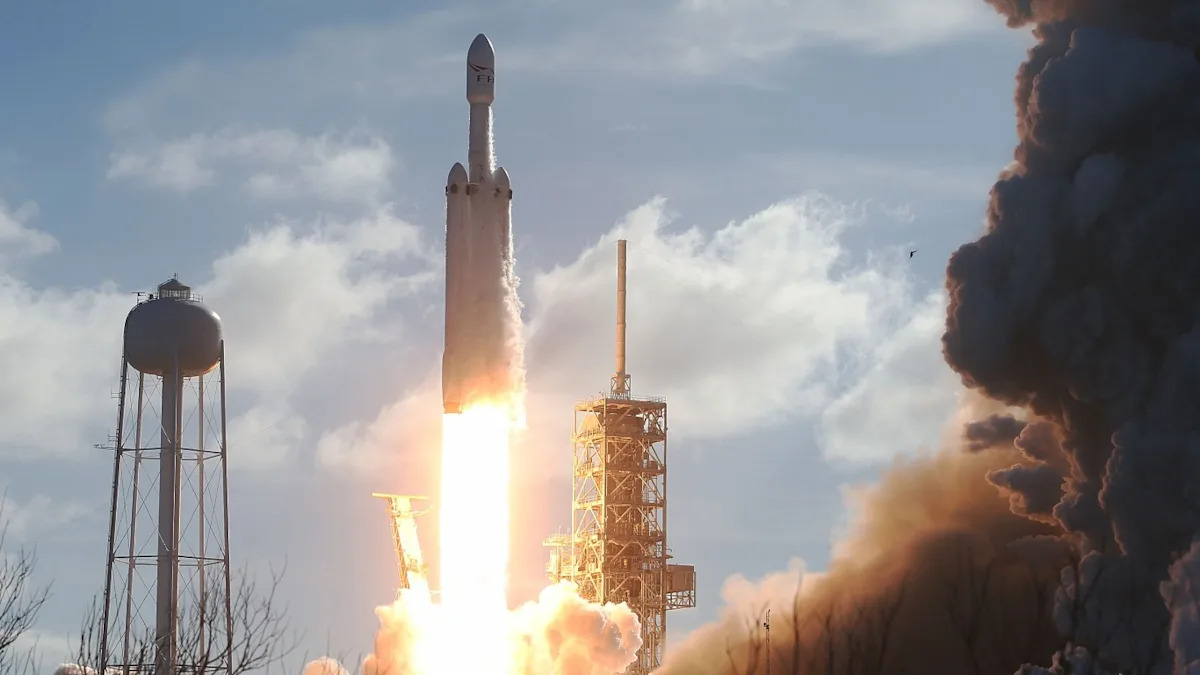
Rocket Lab Reports Record Revenue of $602M for 2025


- Significant Revenue Growth: Rocket Lab (RKLB) reported a record revenue of $602 million for 2025, reflecting a 38% year-over-year increase, showcasing its vertical integration across launch vehicles, spacecraft systems, and orbital infrastructure, with a market cap nearing $49 billion, despite ongoing losses, indicating rapid operational leverage.
- Optimistic Market Outlook: AST SpaceMobile (ASTS) generated $70.9 million in revenue for 2025 and projects revenue between $150 million and $200 million for 2026, holding over $1.2 billion in contracted revenue, highlighting its strong growth potential in building a space-based cellular broadband network.
- Increased Contract Value: Planet Labs (PL) posted $307.7 million in revenue for fiscal 2026, up 26% year-over-year, with a backlog of $900 million and 98% recurring contract value, demonstrating its strong competitive position in the Earth observation market and expected benefits from the SpaceX IPO.
- Industry Restructuring Expectations: SpaceX's IPO is set to reprice the entire space ecosystem, with companies like Rocket Lab, AST SpaceMobile, and Planet Labs positioned to gain greater attention and investment opportunities due to their tight ties to the infrastructure layer.
See More
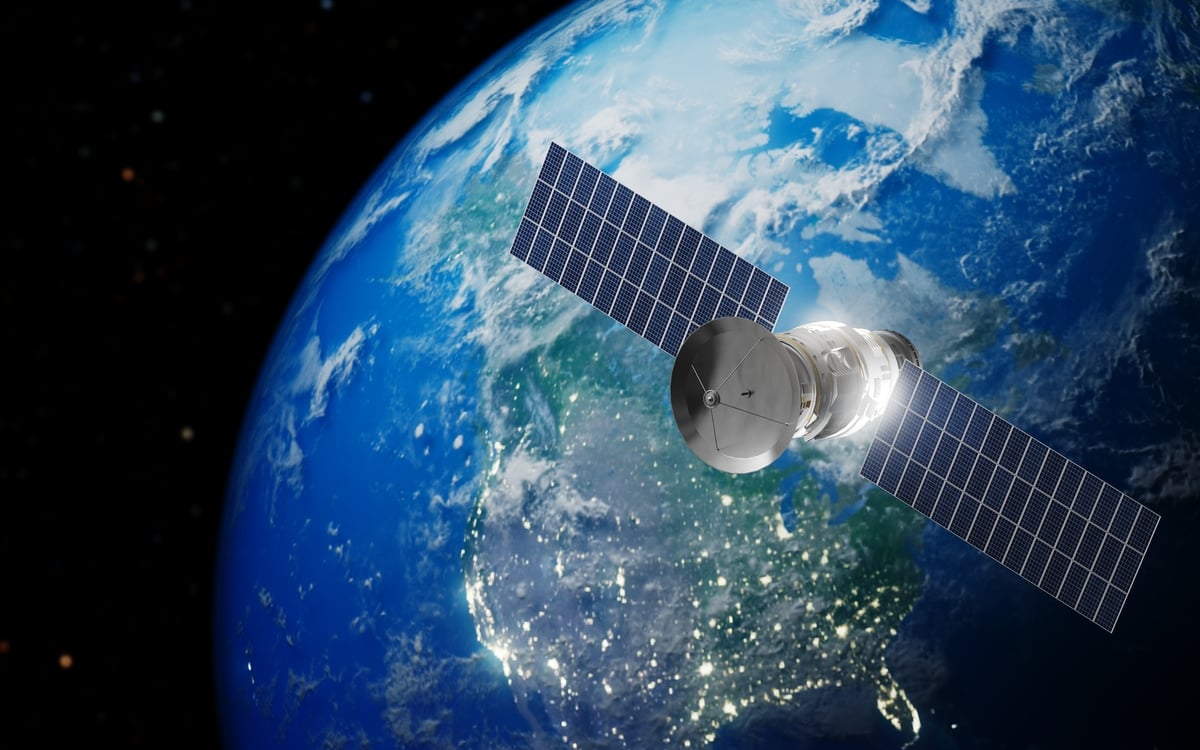
Analysis of SpaceX IPO Prospects and Investment Recommendations

- Valuation and Fundraising Goals: SpaceX aims for a $1.75 trillion valuation in its IPO, seeking to raise $75 billion, which would position it as the eighth most valuable company globally; however, such a high valuation necessitates substantial profits to justify it.
- Revenue and Profit Data: Reports indicate that SpaceX generated $15 billion to $16 billion in revenue in 2022, with around $8 billion in profit, and projections suggest that by 2026, its rocket launch and Starlink businesses could yield approximately $20 billion in revenue, highlighting its strong market potential.
- Market Risk Warning: While SpaceX's IPO may initially attract investors, a price-to-sales ratio of 87 suggests excessive optimism about future growth, as historically similar IPOs often surge initially before declining, posing risks for retail investors.
- Alternative Investment Options: For those interested in space exploration investments, it is advisable to consider space-themed exchange-traded funds (ETFs) like the Ark Space and Invesco Aerospace & Defense ETF, which mitigate risk through diversified holdings while outperforming the S&P 500.
See More

SpaceX Files for IPO, Eyeing $1.75 Trillion Valuation
- IPO Plans and Valuation: SpaceX has confidentially filed for an IPO aiming for a staggering $1.75 trillion valuation and plans to raise $75 billion, which would position it as the eighth most valuable company globally, though such a high valuation necessitates substantial profits to justify.
- Revenue Sources and Clients: Beyond theoretical space travel, SpaceX collaborates with the U.S. Defense Department and NASA, with projections indicating that its rocket launch and Starlink businesses could generate around $20 billion in revenue by 2026, highlighting strong market demand and profit potential.
- Market Risks and Investment Advice: Despite the excitement surrounding SpaceX's IPO, the astronomical price-to-sales ratio of 87 suggests an overly optimistic market outlook, leading to potential short-term volatility, thus advising investors to consider space-themed ETFs as a safer investment alternative.
- Competition and Alternative Investments: Various space-themed ETFs, such as Ark Space and Invesco Aerospace & Defense ETF, offer diversified exposure to the sector and have outperformed the S&P 500, providing a more stable investment option amidst the speculative nature of SpaceX's IPO.
See More
SpaceX IPO Could Become Largest in History
- Revenue Comparison: SpaceX generated $18.5 billion in revenue in 2025, with Starlink contributing over $10 billion, while Rocket Lab posted $602 million, a 38% year-over-year increase, but remains unprofitable, highlighting a significant disparity in market performance.
- Valuation Discrepancy: With a price-to-sales ratio of 108, SpaceX's valuation is nearly double that of Rocket Lab's 67 P/S ratio, raising investor concerns, especially in light of SpaceX's upcoming $2 trillion IPO.
- Market Outlook: Although Rocket Lab plans to launch its Neutron rocket to compete more effectively at a lower price point, SpaceX's dominant market position is unlikely to change materially over the next decade, underscoring its strong influence in the space economy.
- Investment Choices: While Rocket Lab's stock is priced at half of SpaceX's and has more room for growth, it continues to operate at a loss, prompting investors to carefully assess the long-term investment potential of both companies.
See More
The Future Prospects of Space-Based Data Centers
- Technological Advancements: The concept of space-based data centers has shifted from impractical to ideal due to advancements in technology, particularly as terrestrial data centers generate excessive heat that requires efficient cooling, which the cold environment of space can provide.
- Solar Power Advantage: Space data centers can utilize solar energy as a continuous power source, addressing the electricity demands of terrestrial AI data centers, indicating significant sustainability benefits for this technology.
- Decreasing Launch Costs: Since 2010, SpaceX's Falcon 9 rocket has reduced launch costs to $2,600 per kilogram, with Falcon Heavy further lowering it to $1,500, and projections suggest costs could drop below $1,000, establishing a solid economic foundation for space data centers.
- Significant Market Potential: Although the realization of space data centers is still a few years away, companies like Rocket Lab are preparing reusable medium-lift rockets capable of launching 13,000 kilograms into orbit, attracting investor interest in this promising market.
See More
The Future Outlook of Space-Based Data Centers
- Cost Reduction Trend: Since 2010, SpaceX's Falcon 9 rocket has reduced launch costs from $5,400 per kilogram to $2,600, and further down to $1,500 in 2018, with expectations of dropping below $1,000, making the establishment of space-based data centers increasingly feasible.
- Technology Readiness: AST SpaceMobile has successfully provided broadband internet connectivity from satellites to ordinary mobile phones, demonstrating the maturity of space communication technology, which lays a reliable communication foundation for future space data center operations.
- Significant Environmental Benefits: Space data centers powered by solar energy avoid the high heat and environmental impact generated by terrestrial data centers, showcasing a more eco-friendly operational model that aligns with global sustainability demands.
- Huge Market Potential: As launch costs decrease and technology advances, the concept of space data centers is gradually becoming a reality, attracting attention from industry leaders including Elon Musk and Jeff Bezos, indicating an increase in future investment opportunities.
See More
Rocket Lab Reports Record Revenue of $602M for 2025
- Significant Revenue Growth: Rocket Lab (RKLB) reported a record revenue of $602 million for 2025, reflecting a 38% year-over-year increase, showcasing its vertical integration across launch vehicles, spacecraft systems, and orbital infrastructure, with a market cap nearing $49 billion, despite ongoing losses, indicating rapid operational leverage.
- Optimistic Market Outlook: AST SpaceMobile (ASTS) generated $70.9 million in revenue for 2025 and projects revenue between $150 million and $200 million for 2026, holding over $1.2 billion in contracted revenue, highlighting its strong growth potential in building a space-based cellular broadband network.
- Increased Contract Value: Planet Labs (PL) posted $307.7 million in revenue for fiscal 2026, up 26% year-over-year, with a backlog of $900 million and 98% recurring contract value, demonstrating its strong competitive position in the Earth observation market and expected benefits from the SpaceX IPO.
- Industry Restructuring Expectations: SpaceX's IPO is set to reprice the entire space ecosystem, with companies like Rocket Lab, AST SpaceMobile, and Planet Labs positioned to gain greater attention and investment opportunities due to their tight ties to the infrastructure layer.
See More
Analysis of SpaceX IPO Prospects and Investment Recommendations
- Valuation and Fundraising Goals: SpaceX aims for a $1.75 trillion valuation in its IPO, seeking to raise $75 billion, which would position it as the eighth most valuable company globally; however, such a high valuation necessitates substantial profits to justify it.
- Revenue and Profit Data: Reports indicate that SpaceX generated $15 billion to $16 billion in revenue in 2022, with around $8 billion in profit, and projections suggest that by 2026, its rocket launch and Starlink businesses could yield approximately $20 billion in revenue, highlighting its strong market potential.
- Market Risk Warning: While SpaceX's IPO may initially attract investors, a price-to-sales ratio of 87 suggests excessive optimism about future growth, as historically similar IPOs often surge initially before declining, posing risks for retail investors.
- Alternative Investment Options: For those interested in space exploration investments, it is advisable to consider space-themed exchange-traded funds (ETFs) like the Ark Space and Invesco Aerospace & Defense ETF, which mitigate risk through diversified holdings while outperforming the S&P 500.
See More
SpaceX Files for IPO, Eyeing $1.75 Trillion Valuation
- IPO Plans and Valuation: SpaceX has confidentially filed for an IPO aiming for a staggering $1.75 trillion valuation and plans to raise $75 billion, which would position it as the eighth most valuable company globally, though such a high valuation necessitates substantial profits to justify.
- Revenue Sources and Clients: Beyond theoretical space travel, SpaceX collaborates with the U.S. Defense Department and NASA, with projections indicating that its rocket launch and Starlink businesses could generate around $20 billion in revenue by 2026, highlighting strong market demand and profit potential.
- Market Risks and Investment Advice: Despite the excitement surrounding SpaceX's IPO, the astronomical price-to-sales ratio of 87 suggests an overly optimistic market outlook, leading to potential short-term volatility, thus advising investors to consider space-themed ETFs as a safer investment alternative.
- Competition and Alternative Investments: Various space-themed ETFs, such as Ark Space and Invesco Aerospace & Defense ETF, offer diversified exposure to the sector and have outperformed the S&P 500, providing a more stable investment option amidst the speculative nature of SpaceX's IPO.
See More