Texas Instruments Q1 Revenue Soars 90% YoY
Written by Emily J. Thompson, Senior Investment Analyst
Updated: 1 hour ago
0mins
Should l Buy TXN?
Source: seekingalpha
- Data Center Revenue Surge: Texas Instruments reported a remarkable 90% year-over-year increase in data center revenue for Q1 2026, indicating a strong market position for the company amidst industrial resurgence, particularly with over $1 billion in annual revenue from aerospace and defense.
- Analyst Rating Upgrades: Bank of America upgraded Texas Instruments from Neutral to Buy, raising its price target from $235 to $320, reflecting confidence in the company's growth potential, especially in the context of data center construction and industrial demand recovery.
- CapEx and Cash Flow: Texas Instruments anticipates capital expenditures between $2 billion and $3 billion for 2026, with analysts noting that despite macroeconomic volatility risks, the company's cash flow capabilities are improving post a significant capex cycle, showcasing its defensive profile.
- Acquisition Impact: Texas Instruments plans to acquire Silicon Labs for approximately $7.5 billion, expected to close in the first half of 2027, which will enhance its technological capabilities in low-power wireless connectivity and further drive growth in data center revenues.
Trade with 70% Backtested Accuracy
Stop guessing "Should I Buy TXN?" and start using high-conviction signals backed by rigorous historical data.
Sign up today to access powerful investing tools and make smarter, data-driven decisions.
Analyst Views on TXN
Wall Street analysts forecast TXN stock price to fall
20 Analyst Rating
10 Buy
5 Hold
5 Sell
Hold
Current: 236.310

Low
125.00
Averages
193.53
High
245.00
Current: 236.310
Low
125.00
Averages
193.53
High
245.00
About TXN
Texas Instruments Incorporated is engaged in the design and manufacture of semiconductors. The Company operates through two segments, which include Analog and Embedded Processing. Its Analog segment semiconductors are used to manage power in all electronic equipment by converting, distributing, storing, discharging, isolating, and measuring electrical energy. It consists of two products, which include Power and Signal Chain. The Analog segment includes product lines, such as Power and Signal Chain. Power includes products that help customers manage power in electronic systems. Signal Chain products include amplifiers, data converters, interface products, motor drives, clocks, logic, and sensing products. Its portfolio is designed to manage power requirements across different voltage levels. The Embedded Processing segment products are designed to handle specific tasks and can be optimized for various combinations of performance, power, and cost, depending on the application.
About the author

Emily J. Thompson
Emily J. Thompson, a Chartered Financial Analyst (CFA) with 12 years in investment research, graduated with honors from the Wharton School. Specializing in industrial and technology stocks, she provides in-depth analysis for Intellectia’s earnings and market brief reports.

US Stocks Dip Slightly as Software Sector Weighs Down Market


- Market Weakness: The S&P 500 index fell by 0.07%, the Dow Jones Industrial Average by 0.36%, and the Nasdaq 100 by 0.03%, reflecting investor concerns over stalled peace talks with Iran, which may undermine market confidence.
- Software Sector Decline: ServiceNow dropped over 15% following disappointing earnings, while IBM fell more than 7% due to underwhelming software performance, contributing to broader market pressure and highlighting challenges within the tech sector.
- Mixed Economic Data: Weekly initial unemployment claims rose to 214,000, exceeding expectations of 210,000, indicating a weaker labor market, while the April manufacturing PMI increased to 54.0, surpassing forecasts and suggesting ongoing expansion in manufacturing.
- Rising Oil Prices Impact: WTI crude oil prices increased by nearly 1% due to tensions in the Strait of Hormuz, potentially exacerbating the global energy crisis and raising inflation expectations, which could further influence bond yields.
See More
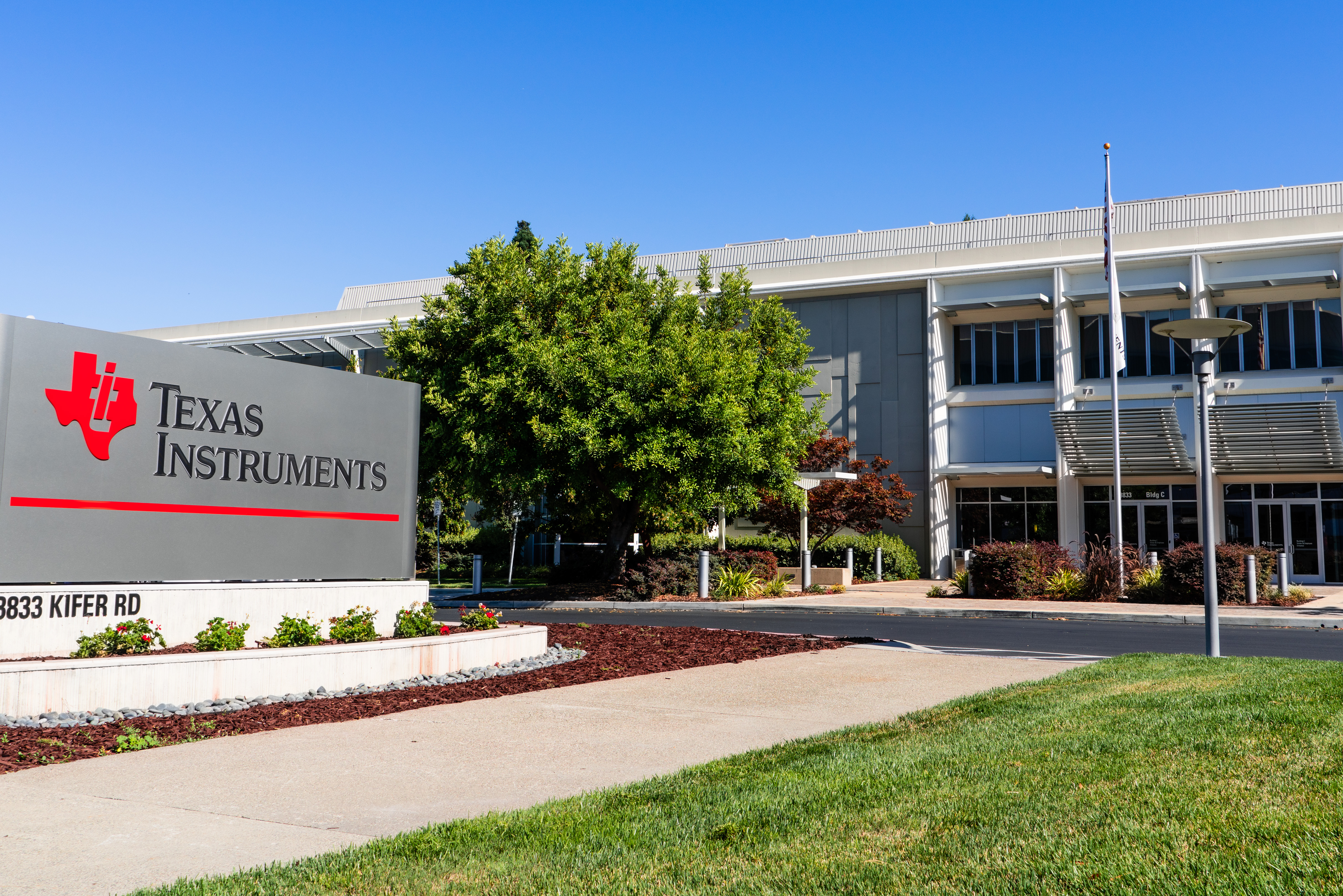
Texas Instruments Q1 Revenue Soars 90% YoY

- Data Center Revenue Surge: Texas Instruments reported a remarkable 90% year-over-year increase in data center revenue for Q1 2026, indicating a strong market position for the company amidst industrial resurgence, particularly with over $1 billion in annual revenue from aerospace and defense.
- Analyst Rating Upgrades: Bank of America upgraded Texas Instruments from Neutral to Buy, raising its price target from $235 to $320, reflecting confidence in the company's growth potential, especially in the context of data center construction and industrial demand recovery.
- CapEx and Cash Flow: Texas Instruments anticipates capital expenditures between $2 billion and $3 billion for 2026, with analysts noting that despite macroeconomic volatility risks, the company's cash flow capabilities are improving post a significant capex cycle, showcasing its defensive profile.
- Acquisition Impact: Texas Instruments plans to acquire Silicon Labs for approximately $7.5 billion, expected to close in the first half of 2027, which will enhance its technological capabilities in low-power wireless connectivity and further drive growth in data center revenues.
See More

ServiceNow Shares Plunge 14.6%, Year-to-Date Down 42.5%


- ServiceNow Underperformance: ServiceNow's stock has dropped 14.6% today, making it the worst performer in the S&P 500, indicating market concerns about its future growth and potentially diminishing investor confidence.
- Year-to-Date Decline: Year-to-date, ServiceNow's shares are down approximately 42.5%, a significant decline that could impact its fundraising capabilities and market valuation, thereby negatively affecting future investment plans.
- Other Component Movements: In contrast, Freeport-McMoran Copper & Gold is down 11.3%, reflecting pressures in the commodities market, while Texas Instruments has risen 15.4%, indicating its relative strength in the market, which may attract investor interest.
- Market Sentiment Fluctuations: Overall market sentiment is influenced by the performance of ServiceNow and other components, prompting investors to consider the potential impacts of these fluctuations on their portfolios, especially in an uncertain economic environment.
See More

Atlassian Shares Plummet Amid Nasdaq Decline

- Poor Stock Performance: Atlassian's shares have dropped 9.7% today, making it the worst performer in the Nasdaq 100, reflecting market concerns about its future growth prospects.
- Disappointing Year-to-Date: Year-to-date, Atlassian's stock has plummeted by 58.8%, indicating the company's vulnerability in the current economic climate, which may affect investor confidence.
- Market Dynamics: In contrast, Intuit's stock fell by 7.5%, while Microchip Technology's shares rose by 7.2%, indicating varied market reactions to different tech stocks, potentially influencing portfolio allocation strategies.
- Investor Sentiment Fluctuation: The ongoing decline of Atlassian may prompt investors to reassess their investment strategies in the tech sector, especially in light of overall market volatility.
See More

Texas Instruments Rating Upgraded to Overweight
- Rating Upgrade: Texas Instruments has received an upgrade to an overweight rating, indicating analysts' optimistic outlook on its future performance, which is likely to attract more investor interest.
- Price Target Analysis: The average price target set by analysts is $270.07, reflecting a positive view on the company's stock price, which may drive the stock closer to this target.
- Market Reaction: The rating upgrade could enhance market confidence in Texas Instruments, potentially increasing trading volume and strengthening its market position in the semiconductor industry.
- Investor Strategy: With the rating improvement, investors may reassess their portfolios and increase their holdings in Texas Instruments, aiming for higher returns.
See More

Semiconductor Sector Achieves Record 16-Day Winning Streak


- Historic Winning Streak: The PHLX Semiconductor index has achieved a record 16 consecutive days of gains, reflecting strong market confidence in the semiconductor sector's resilience and growth potential.
- Leading Company Performance: Credo Technology and Astera Labs have surged by 115.8% and 93.5%, respectively, while Marvell Technology has risen nearly 80%, indicating a robust revival in AI-driven demand that is positively impacting the industry.
- Strong Earnings Support: Companies like Taiwan Semiconductor, Texas Instruments, and Broadcom have all reported earnings beats this quarter, further solidifying optimistic market expectations and encouraging investors to return to high-beta tech stocks.
- Geopolitical Risks: Despite the optimistic outlook, Deutsche Bank strategist highlights that the semiconductor sector faces geopolitical risks and heavy reliance on Taiwan for manufacturing, with recent Iran conflicts exposing vulnerabilities in the global helium supply chain critical for production processes.
See More
US Stocks Dip Slightly as Software Sector Weighs Down Market
- Market Weakness: The S&P 500 index fell by 0.07%, the Dow Jones Industrial Average by 0.36%, and the Nasdaq 100 by 0.03%, reflecting investor concerns over stalled peace talks with Iran, which may undermine market confidence.
- Software Sector Decline: ServiceNow dropped over 15% following disappointing earnings, while IBM fell more than 7% due to underwhelming software performance, contributing to broader market pressure and highlighting challenges within the tech sector.
- Mixed Economic Data: Weekly initial unemployment claims rose to 214,000, exceeding expectations of 210,000, indicating a weaker labor market, while the April manufacturing PMI increased to 54.0, surpassing forecasts and suggesting ongoing expansion in manufacturing.
- Rising Oil Prices Impact: WTI crude oil prices increased by nearly 1% due to tensions in the Strait of Hormuz, potentially exacerbating the global energy crisis and raising inflation expectations, which could further influence bond yields.
See More
Texas Instruments Q1 Revenue Soars 90% YoY
- Data Center Revenue Surge: Texas Instruments reported a remarkable 90% year-over-year increase in data center revenue for Q1 2026, indicating a strong market position for the company amidst industrial resurgence, particularly with over $1 billion in annual revenue from aerospace and defense.
- Analyst Rating Upgrades: Bank of America upgraded Texas Instruments from Neutral to Buy, raising its price target from $235 to $320, reflecting confidence in the company's growth potential, especially in the context of data center construction and industrial demand recovery.
- CapEx and Cash Flow: Texas Instruments anticipates capital expenditures between $2 billion and $3 billion for 2026, with analysts noting that despite macroeconomic volatility risks, the company's cash flow capabilities are improving post a significant capex cycle, showcasing its defensive profile.
- Acquisition Impact: Texas Instruments plans to acquire Silicon Labs for approximately $7.5 billion, expected to close in the first half of 2027, which will enhance its technological capabilities in low-power wireless connectivity and further drive growth in data center revenues.
See More
ServiceNow Shares Plunge 14.6%, Year-to-Date Down 42.5%
- ServiceNow Underperformance: ServiceNow's stock has dropped 14.6% today, making it the worst performer in the S&P 500, indicating market concerns about its future growth and potentially diminishing investor confidence.
- Year-to-Date Decline: Year-to-date, ServiceNow's shares are down approximately 42.5%, a significant decline that could impact its fundraising capabilities and market valuation, thereby negatively affecting future investment plans.
- Other Component Movements: In contrast, Freeport-McMoran Copper & Gold is down 11.3%, reflecting pressures in the commodities market, while Texas Instruments has risen 15.4%, indicating its relative strength in the market, which may attract investor interest.
- Market Sentiment Fluctuations: Overall market sentiment is influenced by the performance of ServiceNow and other components, prompting investors to consider the potential impacts of these fluctuations on their portfolios, especially in an uncertain economic environment.
See More
Atlassian Shares Plummet Amid Nasdaq Decline
- Poor Stock Performance: Atlassian's shares have dropped 9.7% today, making it the worst performer in the Nasdaq 100, reflecting market concerns about its future growth prospects.
- Disappointing Year-to-Date: Year-to-date, Atlassian's stock has plummeted by 58.8%, indicating the company's vulnerability in the current economic climate, which may affect investor confidence.
- Market Dynamics: In contrast, Intuit's stock fell by 7.5%, while Microchip Technology's shares rose by 7.2%, indicating varied market reactions to different tech stocks, potentially influencing portfolio allocation strategies.
- Investor Sentiment Fluctuation: The ongoing decline of Atlassian may prompt investors to reassess their investment strategies in the tech sector, especially in light of overall market volatility.
See More
Texas Instruments Rating Upgraded to Overweight
- Rating Upgrade: Texas Instruments has received an upgrade to an overweight rating, indicating analysts' optimistic outlook on its future performance, which is likely to attract more investor interest.
- Price Target Analysis: The average price target set by analysts is $270.07, reflecting a positive view on the company's stock price, which may drive the stock closer to this target.
- Market Reaction: The rating upgrade could enhance market confidence in Texas Instruments, potentially increasing trading volume and strengthening its market position in the semiconductor industry.
- Investor Strategy: With the rating improvement, investors may reassess their portfolios and increase their holdings in Texas Instruments, aiming for higher returns.
See More
Semiconductor Sector Achieves Record 16-Day Winning Streak
- Historic Winning Streak: The PHLX Semiconductor index has achieved a record 16 consecutive days of gains, reflecting strong market confidence in the semiconductor sector's resilience and growth potential.
- Leading Company Performance: Credo Technology and Astera Labs have surged by 115.8% and 93.5%, respectively, while Marvell Technology has risen nearly 80%, indicating a robust revival in AI-driven demand that is positively impacting the industry.
- Strong Earnings Support: Companies like Taiwan Semiconductor, Texas Instruments, and Broadcom have all reported earnings beats this quarter, further solidifying optimistic market expectations and encouraging investors to return to high-beta tech stocks.
- Geopolitical Risks: Despite the optimistic outlook, Deutsche Bank strategist highlights that the semiconductor sector faces geopolitical risks and heavy reliance on Taiwan for manufacturing, with recent Iran conflicts exposing vulnerabilities in the global helium supply chain critical for production processes.
See More