Texas Attorney General sues Sony, LG, and leading TV manufacturers over alleged surveillance practices.
Lawsuit Filed: Texas Attorney General Ken Paxton has sued Sony, LG, Samsung, Hisense, and TCL for allegedly spying on Texans through unlawful data collection practices using Automated Content Recognition (ACR) technology.
Invasive Technology: The ACR technology reportedly takes screenshots of users' television displays every 500 milliseconds and sends this data back to the companies without user consent, which is then used for targeted advertising.
Privacy Concerns: Paxton emphasized that companies, particularly those linked to the Chinese Communist Party, should not be allowed to record Americans' private information within their homes, asserting the need to protect privacy rights in Texas.
Lack of Response: The companies involved have not yet responded to requests for comment regarding the allegations made in the lawsuit.
Trade with 70% Backtested Accuracy
Analyst Views on SONY

About SONY
About the author

Sony Nears $1B Deal to Sell Home Entertainment Business to TCL
- Deal Progress: Sony Group is nearing a $1 billion deal to sell a majority stake in its home entertainment business to Chinese rival TCL Electronics, with discussions in advanced stages and an announcement expected this month, indicating strong collaboration potential and market confidence.
- Joint Venture Formation: In January, Sony and TCL announced plans to establish a joint venture where TCL will hold a 51% stake and Sony the remainder, marking a strategic partnership aimed at enhancing competitiveness in the home entertainment sector.
- Brand Transfer: Under the terms of the MoU, the popular Bravia television brand will transfer to TCL, with the joint venture set to produce TVs under the Sony and Bravia names starting in April 2027, incorporating TCL's display technology, highlighting the strategic significance of technology integration.
- Market Impact: This deal is expected to bolster TCL's position in the global home entertainment market while potentially allowing Sony to reallocate resources in other business areas, reflecting both companies' strategic thinking in seeking synergies in a rapidly changing market environment.
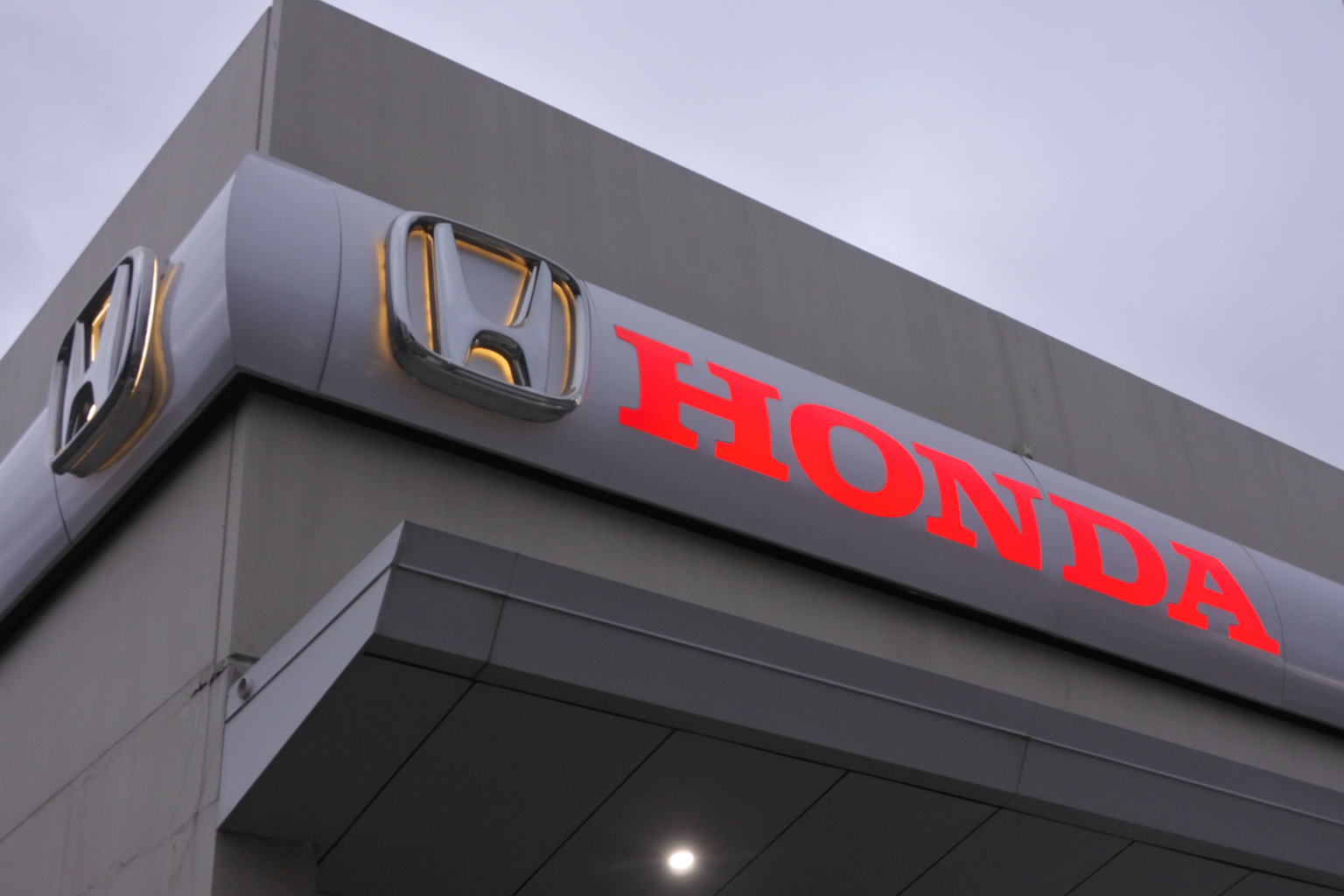
Honda and Sony Halt Electric Vehicle Development

- Joint Development Halted: Honda and Sony have decided to cease their joint electric vehicle development due to significant losses at Sony Honda Mobility and legal and distribution challenges surrounding the Afeela model, indicating a drastic reduction in the feasibility of their collaboration.
- Strategic Shift Impact: Honda's adjustment of its EV strategy complicates continued cooperation, reflecting the necessity for companies to adapt swiftly to market demands and internal strategic changes in the rapidly evolving EV landscape.
- Joint Venture Background: Sony Honda Mobility was established in 2022 as a 50-50 joint venture aimed at leveraging Sony's strengths in imaging, sensing, software, and entertainment alongside Honda's automotive engineering and manufacturing expertise, yet changing market conditions have hindered this vision.
- Market Reaction: Honda's $15.7 billion write-down in its EV business has led to its first annual loss since 1957, highlighting the challenges and risks it faces in the electric vehicle sector, which may affect investor confidence in its future growth.
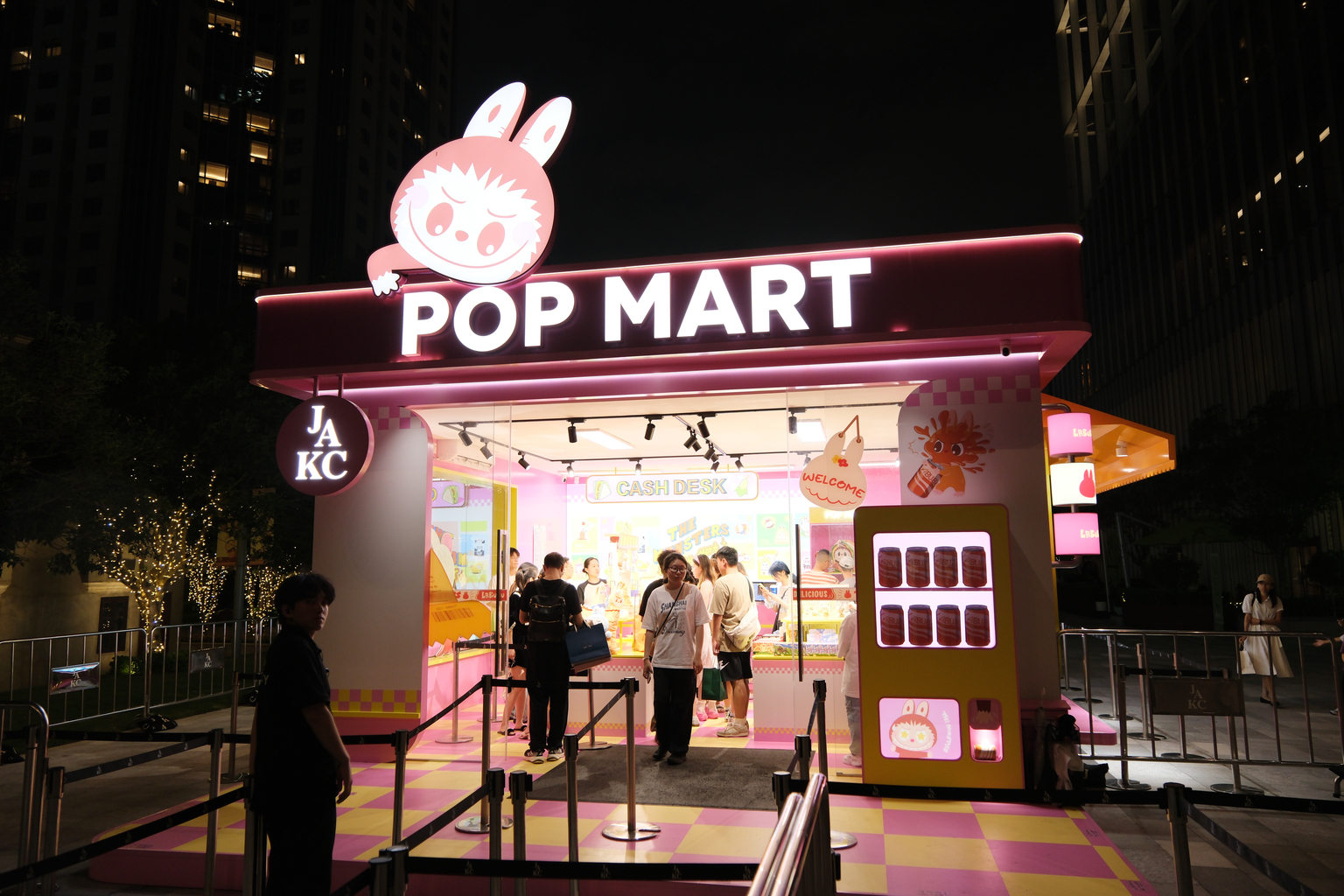
Pop Mart and Sony to Develop Labubu Film
- Film Project Launch: Pop Mart and Sony Pictures have announced a collaboration to develop a film centered around Labubu, marking a significant step in Pop Mart's efforts to expand its popular characters into broader entertainment products.
- Strong Directorial Lineup: The film will be directed by Paul King, known for his work on Wonka, Paddington, and the BBC comedy series The Mighty Boosh, ensuring high quality and appeal for the project.
- Market Value Surge: Labubu's rise to global fame has propelled Pop Mart's valuation to nearly $40 billion, surpassing traditional competitors like Mattel, indicating strong growth potential in the toy industry.
- Cultural Product Expansion: This film project represents not only a strategic investment for Pop Mart but also reflects the company's vision to transform its toy characters into broader cultural products, further enhancing brand influence.
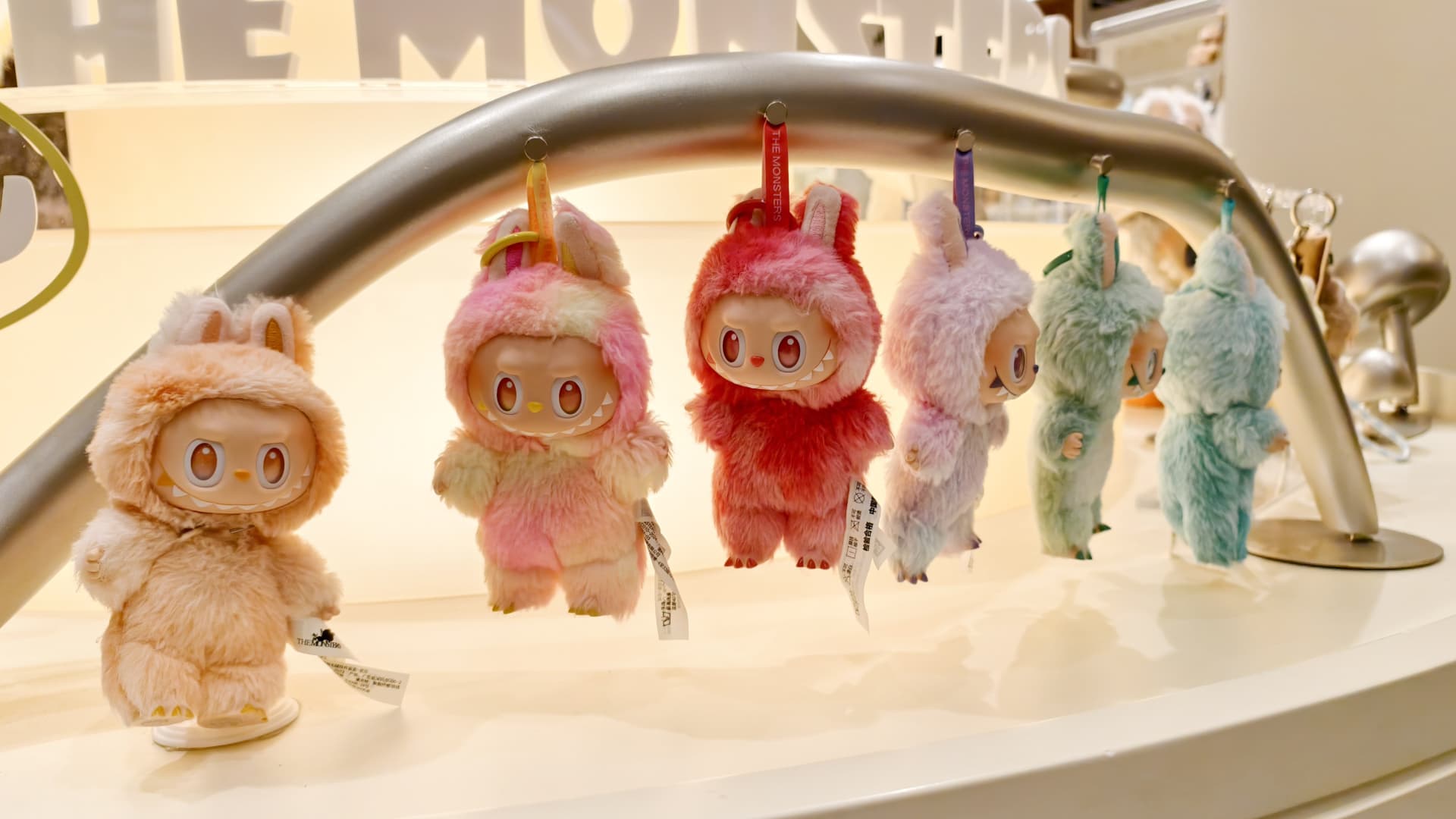
Pop Mart Partners with Sony for Labubu Film

- Film Development Partnership: Pop Mart is collaborating with Sony Pictures to develop a movie centered around the Labubu character, marking a significant step in expanding its popular toy IP to the big screen, which is expected to attract more consumer attention.
- Market Performance Analysis: According to data provided by Pop Mart, products from 'The Monsters' series accounted for 34.7% of the company's total revenue in the first half of 2025, highlighting the series' importance in the market, although analysts warn of potential growth slowdown in 2026.
- Brand Strategy Transformation: The Chief Operating Officer of Pop Mart stated that movies not only allow consumers to intuitively understand the characters' world but also generate a wealth of material for product and theme park design, reflecting the company's strategic thinking in brand expansion.
- Future Outlook: Despite analysts predicting a potential 11% to 13% decline in earnings for 2026, Pop Mart is seeking to maintain brand vitality through its film project, demonstrating its long-term planning in IP development.
Analysts Downgrade Sony to Market Perform Amid AI Component Challenges
- Rating Downgrade: Bernstein analysts downgraded Sony (SONY) from 'outperform' to 'market perform' due to challenges in procuring memory components driven by AI demand and rising prices, which are expected to persist until 2027, directly impacting Sony's hardware margins.
- Cost Pressure: Analysts noted that PS5's memory costs exceeded $100 in Q2 2025, while Sony anticipates a high double-digit percentage increase in 2026, which will exert significant pressure on hardware margins and GNS operating profits.
- Sales Management Strategy: Sony is expected to manage hardware losses by reducing PS5 hardware volumes, and with the elimination of live service development costs nearing completion, the likely delay of PS6 could leave the catalyst runway looking relatively bare.
- Market Share Risk: Sony's image sensor business is also expected to be significantly impacted indirectly by high memory prices due to a decline in smartphone shipments this year, which is unlikely to recover next year, risking market share loss to Samsung.
Nvidia Expands Autonomous Vehicle Partnerships


- Partnership Expansion: Nvidia has announced new partnerships with Hyundai, Nissan, Isuzu, and Chinese automakers BYD and Geely, further advancing its autonomous vehicle business and showcasing strong growth potential in this sector.
- Drive Hyperion Platform: The new collaborations will utilize Nvidia's Drive Hyperion platform, designed to assist automakers in developing and deploying Level 4 autonomous driving capabilities, which can operate without human intervention under specific conditions, thereby enhancing market competitiveness.
- Positive Market Outlook: CEO Jensen Huang stated that the 'ChatGPT moment' for self-driving cars has arrived, with a significant number of robotaxi-ready vehicles expected in the future, indicating the company's confidence and strategic focus on the autonomous driving sector.
- Industry Trends: While no fully autonomous consumer vehicles are currently available, advancements in AI technology position autonomous vehicles as a multitrillion-dollar growth industry, and Nvidia's expanded partnerships will help solidify its leading position in this space.
Sony Nears $1B Deal to Sell Home Entertainment Business to TCL
- Deal Progress: Sony Group is nearing a $1 billion deal to sell a majority stake in its home entertainment business to Chinese rival TCL Electronics, with discussions in advanced stages and an announcement expected this month, indicating strong collaboration potential and market confidence.
- Joint Venture Formation: In January, Sony and TCL announced plans to establish a joint venture where TCL will hold a 51% stake and Sony the remainder, marking a strategic partnership aimed at enhancing competitiveness in the home entertainment sector.
- Brand Transfer: Under the terms of the MoU, the popular Bravia television brand will transfer to TCL, with the joint venture set to produce TVs under the Sony and Bravia names starting in April 2027, incorporating TCL's display technology, highlighting the strategic significance of technology integration.
- Market Impact: This deal is expected to bolster TCL's position in the global home entertainment market while potentially allowing Sony to reallocate resources in other business areas, reflecting both companies' strategic thinking in seeking synergies in a rapidly changing market environment.
Honda and Sony Halt Electric Vehicle Development
- Joint Development Halted: Honda and Sony have decided to cease their joint electric vehicle development due to significant losses at Sony Honda Mobility and legal and distribution challenges surrounding the Afeela model, indicating a drastic reduction in the feasibility of their collaboration.
- Strategic Shift Impact: Honda's adjustment of its EV strategy complicates continued cooperation, reflecting the necessity for companies to adapt swiftly to market demands and internal strategic changes in the rapidly evolving EV landscape.
- Joint Venture Background: Sony Honda Mobility was established in 2022 as a 50-50 joint venture aimed at leveraging Sony's strengths in imaging, sensing, software, and entertainment alongside Honda's automotive engineering and manufacturing expertise, yet changing market conditions have hindered this vision.
- Market Reaction: Honda's $15.7 billion write-down in its EV business has led to its first annual loss since 1957, highlighting the challenges and risks it faces in the electric vehicle sector, which may affect investor confidence in its future growth.
Pop Mart and Sony to Develop Labubu Film
- Film Project Launch: Pop Mart and Sony Pictures have announced a collaboration to develop a film centered around Labubu, marking a significant step in Pop Mart's efforts to expand its popular characters into broader entertainment products.
- Strong Directorial Lineup: The film will be directed by Paul King, known for his work on Wonka, Paddington, and the BBC comedy series The Mighty Boosh, ensuring high quality and appeal for the project.
- Market Value Surge: Labubu's rise to global fame has propelled Pop Mart's valuation to nearly $40 billion, surpassing traditional competitors like Mattel, indicating strong growth potential in the toy industry.
- Cultural Product Expansion: This film project represents not only a strategic investment for Pop Mart but also reflects the company's vision to transform its toy characters into broader cultural products, further enhancing brand influence.
Pop Mart Partners with Sony for Labubu Film
- Film Development Partnership: Pop Mart is collaborating with Sony Pictures to develop a movie centered around the Labubu character, marking a significant step in expanding its popular toy IP to the big screen, which is expected to attract more consumer attention.
- Market Performance Analysis: According to data provided by Pop Mart, products from 'The Monsters' series accounted for 34.7% of the company's total revenue in the first half of 2025, highlighting the series' importance in the market, although analysts warn of potential growth slowdown in 2026.
- Brand Strategy Transformation: The Chief Operating Officer of Pop Mart stated that movies not only allow consumers to intuitively understand the characters' world but also generate a wealth of material for product and theme park design, reflecting the company's strategic thinking in brand expansion.
- Future Outlook: Despite analysts predicting a potential 11% to 13% decline in earnings for 2026, Pop Mart is seeking to maintain brand vitality through its film project, demonstrating its long-term planning in IP development.
Analysts Downgrade Sony to Market Perform Amid AI Component Challenges
- Rating Downgrade: Bernstein analysts downgraded Sony (SONY) from 'outperform' to 'market perform' due to challenges in procuring memory components driven by AI demand and rising prices, which are expected to persist until 2027, directly impacting Sony's hardware margins.
- Cost Pressure: Analysts noted that PS5's memory costs exceeded $100 in Q2 2025, while Sony anticipates a high double-digit percentage increase in 2026, which will exert significant pressure on hardware margins and GNS operating profits.
- Sales Management Strategy: Sony is expected to manage hardware losses by reducing PS5 hardware volumes, and with the elimination of live service development costs nearing completion, the likely delay of PS6 could leave the catalyst runway looking relatively bare.
- Market Share Risk: Sony's image sensor business is also expected to be significantly impacted indirectly by high memory prices due to a decline in smartphone shipments this year, which is unlikely to recover next year, risking market share loss to Samsung.
Nvidia Expands Autonomous Vehicle Partnerships
- Partnership Expansion: Nvidia has announced new partnerships with Hyundai, Nissan, Isuzu, and Chinese automakers BYD and Geely, further advancing its autonomous vehicle business and showcasing strong growth potential in this sector.
- Drive Hyperion Platform: The new collaborations will utilize Nvidia's Drive Hyperion platform, designed to assist automakers in developing and deploying Level 4 autonomous driving capabilities, which can operate without human intervention under specific conditions, thereby enhancing market competitiveness.
- Positive Market Outlook: CEO Jensen Huang stated that the 'ChatGPT moment' for self-driving cars has arrived, with a significant number of robotaxi-ready vehicles expected in the future, indicating the company's confidence and strategic focus on the autonomous driving sector.
- Industry Trends: While no fully autonomous consumer vehicles are currently available, advancements in AI technology position autonomous vehicles as a multitrillion-dollar growth industry, and Nvidia's expanded partnerships will help solidify its leading position in this space.