Tesla's Outlook for the Next Five Years
- EV Revenue Share: In 2025, Tesla's revenue is projected to reach $94.8 billion, with 73% derived from electric vehicle sales, yet the company faces declining demand and increased competition, pressuring sales performance.
- Strategic Transition Challenges: Tesla's decision to discontinue the Model S and Model X signifies a full pivot towards autonomous driving and robotics, but investors should anticipate slow progress and potential future strategic shifts.
- High Market Valuation: With a price-to-earnings ratio of 377, Tesla's valuation reflects extremely high market expectations for its future potential, while its current business faces significant challenges, warranting caution from investors.
- Uncertain Future Returns: If Tesla fails to exceed the already lofty expectations set by the market, disappointing investment returns could materialize over the next five years, particularly given the influence of external variables.
Trade with 70% Backtested Accuracy
Analyst Views on TSLA

About TSLA
About the author

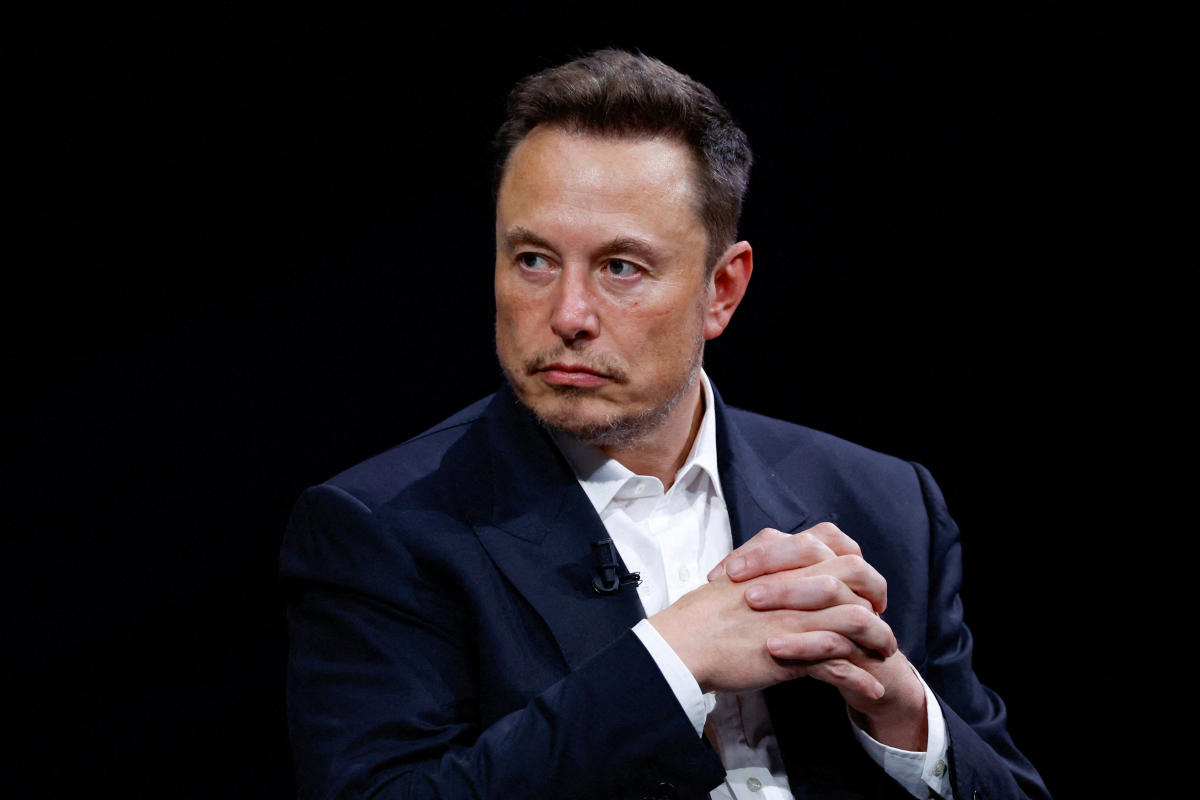
Tesla Generated Over $500 Million in Revenue from SpaceX and XAI Sales Last Year

Tesla's Revenue from SpaceX and xAI: Tesla reported over $500 million in revenue from sales to SpaceX and xAI in its annual update.
Previous Revenue Disclosure: In January, Tesla disclosed that its business dealings with xAI amounted to approximately $430.1 million.
Additional Revenue from SpaceX: The updated report revealed an additional $143.3 million in revenue from SpaceX.
Overall Financial Performance: These figures highlight Tesla's significant financial interactions with both SpaceX and xAI, contributing to its overall revenue growth.

SpaceX Files for IPO with $1.75 Trillion Valuation Target
- IPO Initiation: SpaceX has recently filed confidential paperwork with regulators to pave the way for an IPO, targeting a valuation of $1.75 trillion, which would provide the company with $50 billion to $75 billion in fresh capital, significantly enhancing its financial strength for future growth.
- Investment Banking Team Formation: The company has retained a team of investment bankers from 21 different firms, expected to begin pitching IPO shares in early June, indicating SpaceX's confidence in the market and its proactive approach to capital raising.
- Retail Investor Participation: CFO Bret Johnsen stated that retail investors will play a critical role in this IPO, potentially making it the largest in history by number of participants, which not only increases public engagement but also strengthens brand loyalty.
- Major Investor Event: SpaceX is targeting a
Musk vs. OpenAI Trial Key Developments

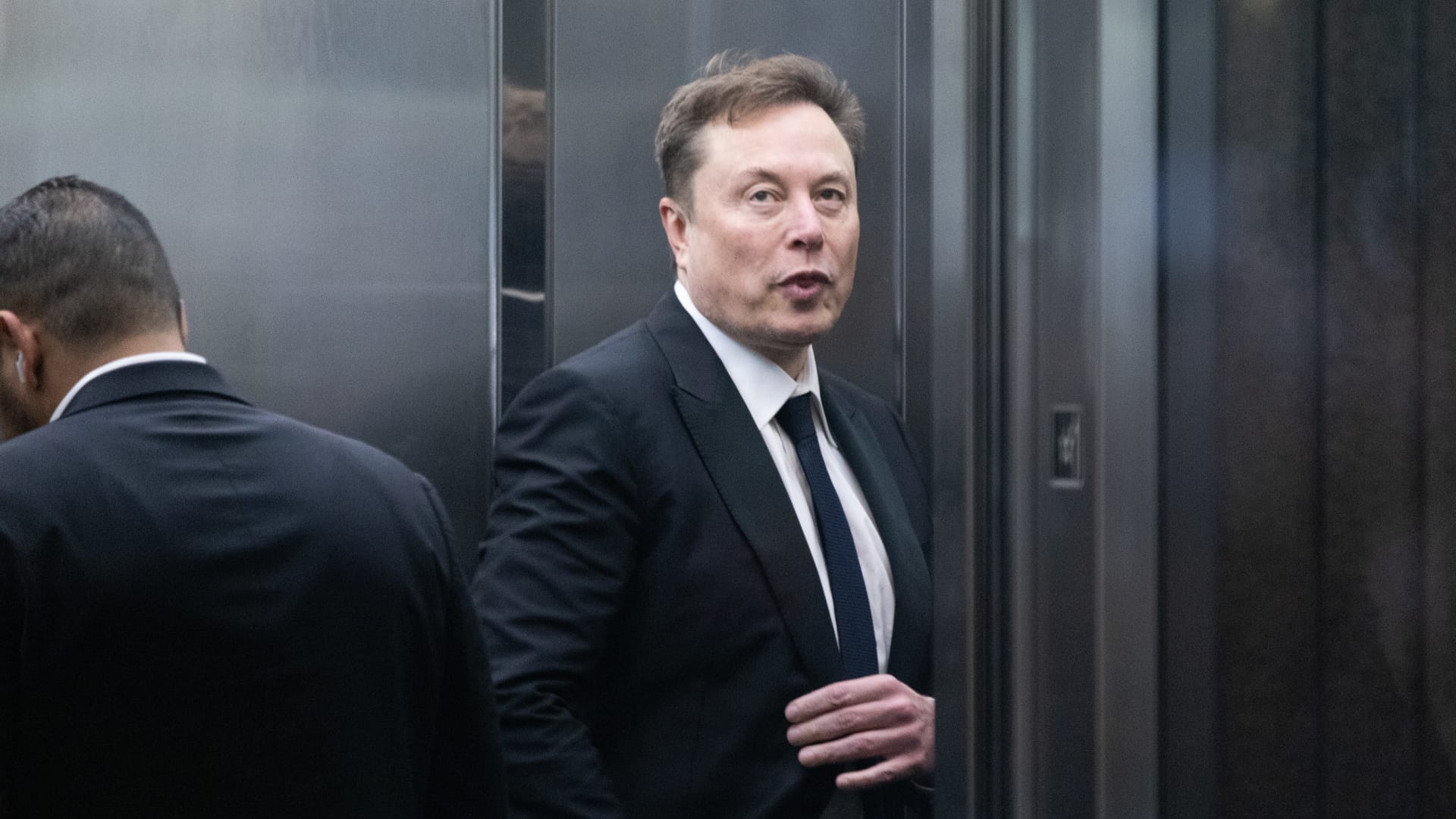
- Lawsuit Background: Musk repeatedly asserted in court that OpenAI's founding mission has been betrayed, claiming that his $38 million donation was used for unauthorized commercial purposes, a charge that could significantly impact OpenAI's reputation and future funding prospects.
- Business Model Shift: OpenAI transitioned to a for-profit model in 2018, and after launching ChatGPT, its valuation soared to over $850 billion, which Musk argues has diverted the company from its original charitable goals, potentially leading to a decline in public trust.
- Damages Request: Musk's legal team is seeking up to $134 billion in damages from OpenAI and Microsoft, along with the removal of Altman and Brockman from their positions, a request that, if granted, could have severe repercussions for the executives' careers.
- Future Outlook: Both Musk and Altman are pushing their respective companies towards IPOs, with SpaceX having filed confidentially with the SEC, and its upcoming offering expected to be one of the largest in history, which will have profound implications for capital flows in the tech industry.
Musk v. Altman Trial Week One Summary

- Lawsuit Background: Musk filed a lawsuit against OpenAI, CEO Altman, and President Brockman in 2024, alleging they breached promises to keep the AI startup nonprofit, seeking damages up to $134 billion, which could significantly impact OpenAI's operations.
- Musk's Testimony: Over three days, Musk asserted his contributions to OpenAI, including a $38 million donation in 2015, accusing Altman and Brockman of profiting from the charity, stating, "You can't just steal a charity," highlighting the ethical implications of their actions.
- Business Impact: Following the launch of ChatGPT, OpenAI's valuation soared to over $850 billion, while Musk, after leaving the board in 2018, founded competitor xAI, which was valued at $250 billion upon merging with SpaceX, illustrating the intense competition in the AI sector.
- Future Outlook: Judge Gonzalez Rogers has split the trial into liability and remedies phases, with the liability phase expected to conclude by May 21, and the jury's advisory verdict could lead to significant changes in OpenAI's structure and operations moving forward.

Rivian Automotive Shares Drop 8.41% Amid Production Concerns

- Stock Decline: Rivian Automotive's shares closed at $15.02, down 8.41% on Friday, reflecting investor concerns over Q1 results and ongoing cash burn issues.
- Production Plan Update: The company revised its R2 production plans, aiming to increase initial capacity by 50% to 300,000 units annually at its Georgia facility, a strategic move to meet market demand and reduce costs.
- Delivery Volume Growth: Rivian reported Q1 revenue exceeding expectations with a 20% year-over-year increase in delivery volumes; however, investors remain anxious about the timeline for achieving profitability.
- New Model Prospects: CEO R.J. Scaringe described the R2 as a “game changer” during the conference call, confirming the rollout of Gen 3 autonomous driving hardware later this year, indicating positive advancements in technological innovation.
Meta Acquires Assured Robot Intelligence to Enhance Humanoid Technology

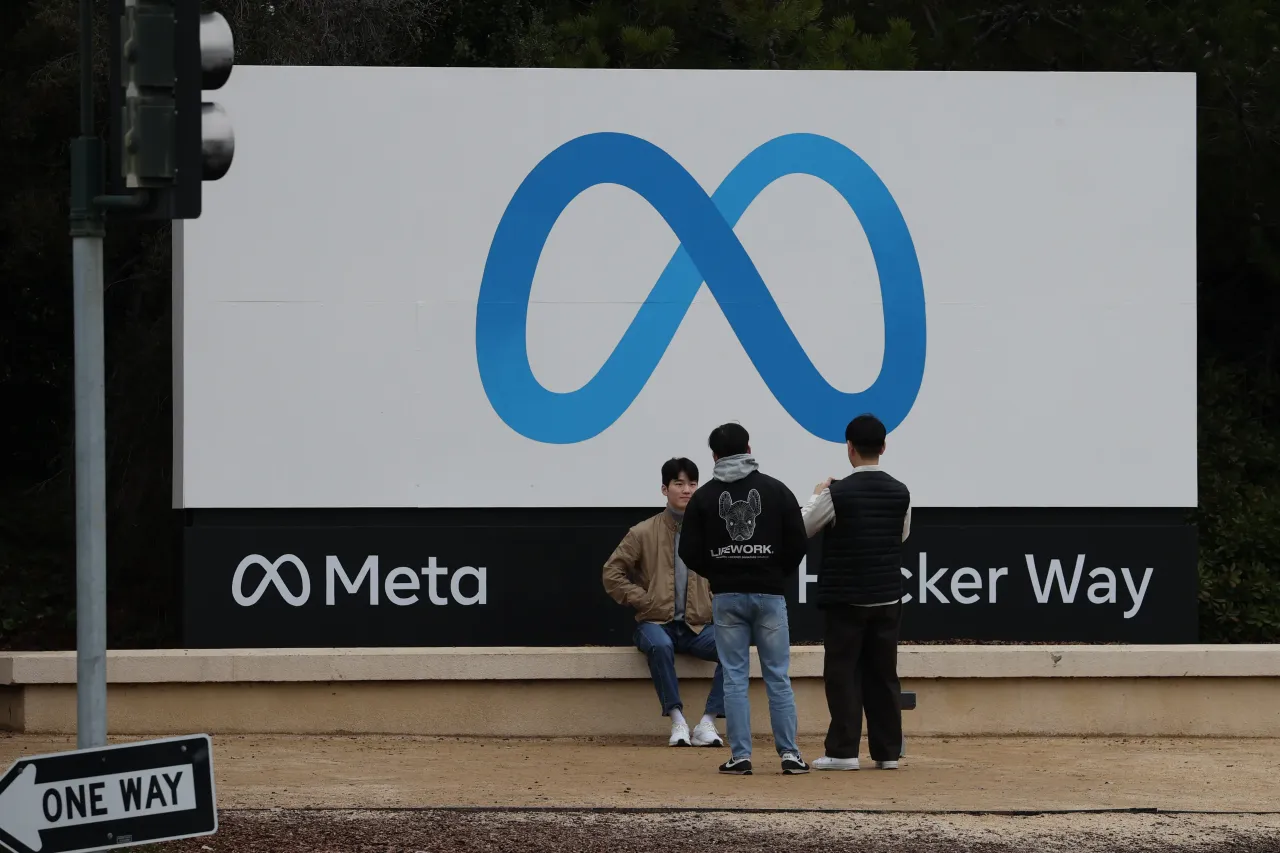
- Acquisition Update: Meta Platforms has completed the acquisition of Assured Robot Intelligence, a move that signifies a major advancement in Meta's humanoid technology efforts, although financial terms were not disclosed.
- Cutting-Edge Technology: Assured Robot Intelligence focuses on developing robotic intelligence capable of understanding, predicting, and adapting to human behaviors, which is expected to provide critical support for Meta's robotics technology in complex environments.
- Team Integration: Co-founders Lerrel Pinto and Xiaolong Wang from Assured Robot Intelligence will join Meta's Superintelligence Labs research division, working closely with Meta Robotics Studio to further advance humanoid robotics technology.
- Market Sentiment: Despite a 7.4% decline in Meta's stock year-to-date, retail sentiment on Stocktwits has been 'extremely bullish', indicating strong market confidence in the company's future growth potential.
Tesla Generated Over $500 Million in Revenue from SpaceX and XAI Sales Last Year
Tesla's Revenue from SpaceX and xAI: Tesla reported over $500 million in revenue from sales to SpaceX and xAI in its annual update.
Previous Revenue Disclosure: In January, Tesla disclosed that its business dealings with xAI amounted to approximately $430.1 million.
Additional Revenue from SpaceX: The updated report revealed an additional $143.3 million in revenue from SpaceX.
Overall Financial Performance: These figures highlight Tesla's significant financial interactions with both SpaceX and xAI, contributing to its overall revenue growth.
SpaceX Files for IPO with $1.75 Trillion Valuation Target
- IPO Initiation: SpaceX has recently filed confidential paperwork with regulators to pave the way for an IPO, targeting a valuation of $1.75 trillion, which would provide the company with $50 billion to $75 billion in fresh capital, significantly enhancing its financial strength for future growth.
- Investment Banking Team Formation: The company has retained a team of investment bankers from 21 different firms, expected to begin pitching IPO shares in early June, indicating SpaceX's confidence in the market and its proactive approach to capital raising.
- Retail Investor Participation: CFO Bret Johnsen stated that retail investors will play a critical role in this IPO, potentially making it the largest in history by number of participants, which not only increases public engagement but also strengthens brand loyalty.
- Major Investor Event: SpaceX is targeting a
Musk vs. OpenAI Trial Key Developments
- Lawsuit Background: Musk repeatedly asserted in court that OpenAI's founding mission has been betrayed, claiming that his $38 million donation was used for unauthorized commercial purposes, a charge that could significantly impact OpenAI's reputation and future funding prospects.
- Business Model Shift: OpenAI transitioned to a for-profit model in 2018, and after launching ChatGPT, its valuation soared to over $850 billion, which Musk argues has diverted the company from its original charitable goals, potentially leading to a decline in public trust.
- Damages Request: Musk's legal team is seeking up to $134 billion in damages from OpenAI and Microsoft, along with the removal of Altman and Brockman from their positions, a request that, if granted, could have severe repercussions for the executives' careers.
- Future Outlook: Both Musk and Altman are pushing their respective companies towards IPOs, with SpaceX having filed confidentially with the SEC, and its upcoming offering expected to be one of the largest in history, which will have profound implications for capital flows in the tech industry.
Musk v. Altman Trial Week One Summary
- Lawsuit Background: Musk filed a lawsuit against OpenAI, CEO Altman, and President Brockman in 2024, alleging they breached promises to keep the AI startup nonprofit, seeking damages up to $134 billion, which could significantly impact OpenAI's operations.
- Musk's Testimony: Over three days, Musk asserted his contributions to OpenAI, including a $38 million donation in 2015, accusing Altman and Brockman of profiting from the charity, stating, "You can't just steal a charity," highlighting the ethical implications of their actions.
- Business Impact: Following the launch of ChatGPT, OpenAI's valuation soared to over $850 billion, while Musk, after leaving the board in 2018, founded competitor xAI, which was valued at $250 billion upon merging with SpaceX, illustrating the intense competition in the AI sector.
- Future Outlook: Judge Gonzalez Rogers has split the trial into liability and remedies phases, with the liability phase expected to conclude by May 21, and the jury's advisory verdict could lead to significant changes in OpenAI's structure and operations moving forward.
Rivian Automotive Shares Drop 8.41% Amid Production Concerns
- Stock Decline: Rivian Automotive's shares closed at $15.02, down 8.41% on Friday, reflecting investor concerns over Q1 results and ongoing cash burn issues.
- Production Plan Update: The company revised its R2 production plans, aiming to increase initial capacity by 50% to 300,000 units annually at its Georgia facility, a strategic move to meet market demand and reduce costs.
- Delivery Volume Growth: Rivian reported Q1 revenue exceeding expectations with a 20% year-over-year increase in delivery volumes; however, investors remain anxious about the timeline for achieving profitability.
- New Model Prospects: CEO R.J. Scaringe described the R2 as a “game changer” during the conference call, confirming the rollout of Gen 3 autonomous driving hardware later this year, indicating positive advancements in technological innovation.
Meta Acquires Assured Robot Intelligence to Enhance Humanoid Technology
- Acquisition Update: Meta Platforms has completed the acquisition of Assured Robot Intelligence, a move that signifies a major advancement in Meta's humanoid technology efforts, although financial terms were not disclosed.
- Cutting-Edge Technology: Assured Robot Intelligence focuses on developing robotic intelligence capable of understanding, predicting, and adapting to human behaviors, which is expected to provide critical support for Meta's robotics technology in complex environments.
- Team Integration: Co-founders Lerrel Pinto and Xiaolong Wang from Assured Robot Intelligence will join Meta's Superintelligence Labs research division, working closely with Meta Robotics Studio to further advance humanoid robotics technology.
- Market Sentiment: Despite a 7.4% decline in Meta's stock year-to-date, retail sentiment on Stocktwits has been 'extremely bullish', indicating strong market confidence in the company's future growth potential.