Tesla's EV Sales Struggles Highlighted in This Chart — and the Situation is Set to Deteriorate Further


Sales Performance Decline: Tesla is projected to experience its worst U.S. sales performance since 2022, with an estimated 125,937 electric vehicles sold between October and December, marking a decline of over 22% compared to the previous year.
Industry Estimates: The sales forecast is based on estimates from industry research firm Cox Automotive, highlighting the challenges Tesla faces in maintaining its market position.
Trade with 70% Backtested Accuracy
Analyst Views on TSLA

About TSLA
About the author


Tesla Sales Decline Raises Concerns Over Future Products

- Declining Sales: Tesla delivered 1.79 million EVs in 2024, a 1% decline from the previous year, and further dropped to 1.63 million in 2025, marking a 9% year-over-year decrease, which led to a 10% drop in automotive revenue and a staggering 47% plunge in earnings per share (EPS) for 2025.
- Increased Market Competition: Tesla plans to discontinue the Model X and Model S in 2026 to focus on higher-volume models like the Model Y and Model 3, yet faces intensified competition from low-cost manufacturers like BYD, which has rapidly gained market share.
- Future Product Uncertainty: While Tesla's Cybercab robotaxi and Optimus humanoid robot are seen as promising future products, the current approval of FSD technology only in Texas poses significant delays for broader rollout, potentially impacting future revenue streams.
- Valuation Concerns: With a price-to-earnings ratio of 377, Tesla's stock is significantly overvalued compared to other trillion-dollar companies, and if EV sales continue to decline or if there are delays in new product launches, a 34% drop in stock price could lead to Tesla exiting the $1 trillion club by 2026.

SpaceX's IPO Might Be the Largest in History—Here’s What We Understand
SpaceX IPO Rumors: Speculation is growing around SpaceX's potential initial public offering (IPO), expected to be announced by mid-2026, with valuation estimates around $1.5 trillion, making it one of the largest IPOs in history.
Starlink's Role: Starlink, a major business line for SpaceX, is crucial for generating steady cash flow, which could help fund SpaceX's ambitious launch plans and reduce reliance on external financing.
Market Position: SpaceX commands a significant share of the commercial space industry, with estimates suggesting it holds 70-80% of the market, and is on track to exceed its previous launch records.
AI Integration: The recent acquisition of xAI, a startup developing advanced AI models, aligns with SpaceX's goals to enhance operational efficiency and leverage AI for future space missions, including plans for lunar and Martian exploration.
Tesla Faces Valuation Crisis Amid Declining Sales
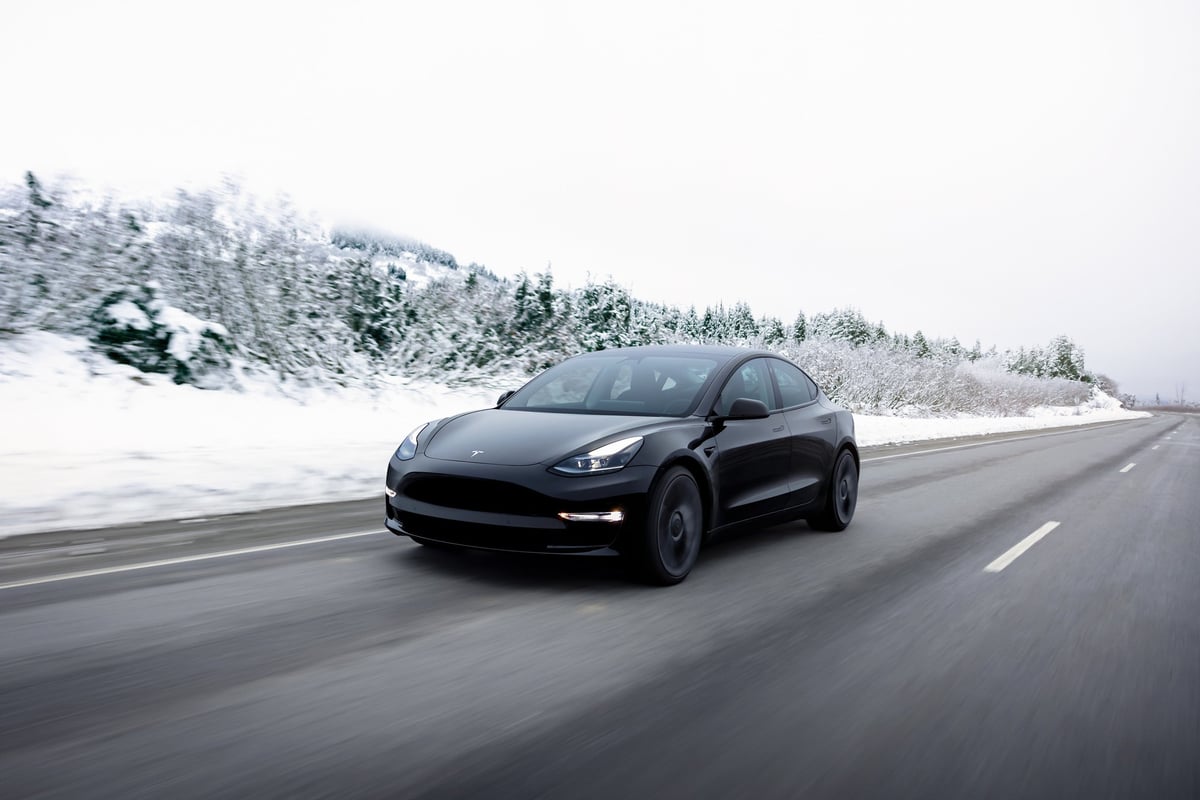
- Declining Sales: Tesla delivered 1.79 million EVs in 2024, a 1% decline, followed by a sharper 9% drop to 1.63 million in 2025, leading to a 10% decrease in automotive revenue and a staggering 47% plunge in earnings per share (EPS), highlighting the weakness in its core business.
- Increased Market Competition: Tesla plans to discontinue the Model X and Model S in 2026 to focus on more competitive, lower-priced models like the Model Y and Model 3, in response to market encroachment from low-cost manufacturers like BYD, which outsold Tesla globally for the first time in 2025.
- Future Product Uncertainty: While Tesla's Cybercab and Optimus robots are seen as future growth opportunities, the FSD technology is currently only approved for use in Austin, Texas, and broader rollout faces strict regulations, potentially delaying product launches and impacting investor confidence.
- Significant Valuation Risks: With a price-to-earnings ratio of 377, Tesla's stock is vastly overvalued compared to the Nasdaq-100 index; a 34% decline in stock price would drop it out of the $1 trillion club, with significant risks of adjustment if EV sales continue to decline or product rollouts are delayed.

Middle East Tensions Push Oil Prices Above $100

- Oil Price Surge: Crude oil prices have surged back above $100 per barrel amid escalating tensions in the Middle East, indicating persistent supply concerns despite a record strategic reserve release earlier this week, which has left markets jittery.
- Small Cap Risk Sentiment: Russell 2000 futures dropped over 1%, signaling a broader risk-off sentiment in small caps, which may impact financing and growth prospects for smaller companies as investor confidence wanes.
- Tech Stock Movements: Nvidia is earmarking $26 billion for in-house AI models, Tesla's subsidiary has received approval to supply electricity in the UK, and Oracle's increase of $500 million in restructuring expenses has fueled speculation about potential layoffs, highlighting rapid changes and uncertainties in the tech sector.
- Economic Data Focus: Investors are tracking initial jobless claims, the U.S. trade balance, and housing starts data, while Fed Vice Chair Michelle Bowman is scheduled to speak on bank supervision, which could influence market expectations regarding monetary policy.
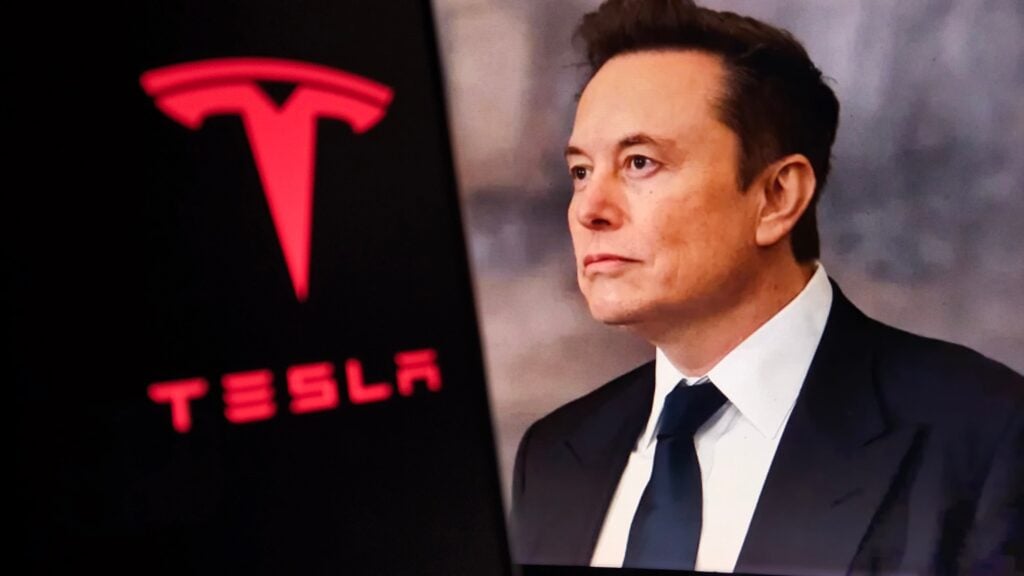
Lawsuit Challenges Elon Musk's Role at Tesla
- Lawsuit Details: A $1 million lawsuit filed by a Texas woman questions Tesla CEO Elon Musk's appointment and retention, alleging negligence in the automaker's self-driving technology by ignoring engineers' concerns.
- Accident Incident: The Cybertruck, which should have turned right on the Y-shaped overpass in Houston, instead drove straight and collided with a concrete barrier, highlighting potential flaws in the autonomous driving system.
- Musk's Accountability: The lawsuit describes Musk as an 'aggressive and irresponsible salesman' making 'dangerous design choices' and overpromising features, which may mislead consumers regarding Tesla's self-driving capabilities.
- Market Reaction: Tesla's stock rose 2.15% to $407.82 at market close on Wednesday but fell 0.74% to $404.81 in after-hours trading, reflecting market concerns over the ongoing legal issues.
Ofgem Approves Tesla Energy Ventures' Electricity Supply License
- License Approval: Ofgem has granted Tesla Energy Ventures Limited, a subsidiary of Tesla, an electricity supply license, enabling the company to provide power to households and businesses across Britain, marking a significant expansion into the UK energy market.
- Compliance Monitoring: Ofgem stated that Tesla Energy Ventures Limited will be subject to the same obligations and monitoring as other suppliers, ensuring consumer protection and market fairness, thereby enhancing trust in the energy sector.
- Regulatory Measures: Ofgem will monitor Tesla's compliance under the Electricity Act 1989 and Standard Licence Conditions, with the authority to impose financial penalties or take enforcement actions if necessary, ensuring adherence to regulations.
- Historical Context: Tesla was granted an electricity generation license in June 2020, but this license was not relevant to the application of Tesla Energy Ventures Limited, illustrating Tesla's diversified strategy in the energy sector.
Tesla Sales Decline Raises Concerns Over Future Products
- Declining Sales: Tesla delivered 1.79 million EVs in 2024, a 1% decline from the previous year, and further dropped to 1.63 million in 2025, marking a 9% year-over-year decrease, which led to a 10% drop in automotive revenue and a staggering 47% plunge in earnings per share (EPS) for 2025.
- Increased Market Competition: Tesla plans to discontinue the Model X and Model S in 2026 to focus on higher-volume models like the Model Y and Model 3, yet faces intensified competition from low-cost manufacturers like BYD, which has rapidly gained market share.
- Future Product Uncertainty: While Tesla's Cybercab robotaxi and Optimus humanoid robot are seen as promising future products, the current approval of FSD technology only in Texas poses significant delays for broader rollout, potentially impacting future revenue streams.
- Valuation Concerns: With a price-to-earnings ratio of 377, Tesla's stock is significantly overvalued compared to other trillion-dollar companies, and if EV sales continue to decline or if there are delays in new product launches, a 34% drop in stock price could lead to Tesla exiting the $1 trillion club by 2026.
SpaceX's IPO Might Be the Largest in History—Here’s What We Understand
SpaceX IPO Rumors: Speculation is growing around SpaceX's potential initial public offering (IPO), expected to be announced by mid-2026, with valuation estimates around $1.5 trillion, making it one of the largest IPOs in history.
Starlink's Role: Starlink, a major business line for SpaceX, is crucial for generating steady cash flow, which could help fund SpaceX's ambitious launch plans and reduce reliance on external financing.
Market Position: SpaceX commands a significant share of the commercial space industry, with estimates suggesting it holds 70-80% of the market, and is on track to exceed its previous launch records.
AI Integration: The recent acquisition of xAI, a startup developing advanced AI models, aligns with SpaceX's goals to enhance operational efficiency and leverage AI for future space missions, including plans for lunar and Martian exploration.
Tesla Faces Valuation Crisis Amid Declining Sales
- Declining Sales: Tesla delivered 1.79 million EVs in 2024, a 1% decline, followed by a sharper 9% drop to 1.63 million in 2025, leading to a 10% decrease in automotive revenue and a staggering 47% plunge in earnings per share (EPS), highlighting the weakness in its core business.
- Increased Market Competition: Tesla plans to discontinue the Model X and Model S in 2026 to focus on more competitive, lower-priced models like the Model Y and Model 3, in response to market encroachment from low-cost manufacturers like BYD, which outsold Tesla globally for the first time in 2025.
- Future Product Uncertainty: While Tesla's Cybercab and Optimus robots are seen as future growth opportunities, the FSD technology is currently only approved for use in Austin, Texas, and broader rollout faces strict regulations, potentially delaying product launches and impacting investor confidence.
- Significant Valuation Risks: With a price-to-earnings ratio of 377, Tesla's stock is vastly overvalued compared to the Nasdaq-100 index; a 34% decline in stock price would drop it out of the $1 trillion club, with significant risks of adjustment if EV sales continue to decline or product rollouts are delayed.
Middle East Tensions Push Oil Prices Above $100
- Oil Price Surge: Crude oil prices have surged back above $100 per barrel amid escalating tensions in the Middle East, indicating persistent supply concerns despite a record strategic reserve release earlier this week, which has left markets jittery.
- Small Cap Risk Sentiment: Russell 2000 futures dropped over 1%, signaling a broader risk-off sentiment in small caps, which may impact financing and growth prospects for smaller companies as investor confidence wanes.
- Tech Stock Movements: Nvidia is earmarking $26 billion for in-house AI models, Tesla's subsidiary has received approval to supply electricity in the UK, and Oracle's increase of $500 million in restructuring expenses has fueled speculation about potential layoffs, highlighting rapid changes and uncertainties in the tech sector.
- Economic Data Focus: Investors are tracking initial jobless claims, the U.S. trade balance, and housing starts data, while Fed Vice Chair Michelle Bowman is scheduled to speak on bank supervision, which could influence market expectations regarding monetary policy.
Lawsuit Challenges Elon Musk's Role at Tesla
- Lawsuit Details: A $1 million lawsuit filed by a Texas woman questions Tesla CEO Elon Musk's appointment and retention, alleging negligence in the automaker's self-driving technology by ignoring engineers' concerns.
- Accident Incident: The Cybertruck, which should have turned right on the Y-shaped overpass in Houston, instead drove straight and collided with a concrete barrier, highlighting potential flaws in the autonomous driving system.
- Musk's Accountability: The lawsuit describes Musk as an 'aggressive and irresponsible salesman' making 'dangerous design choices' and overpromising features, which may mislead consumers regarding Tesla's self-driving capabilities.
- Market Reaction: Tesla's stock rose 2.15% to $407.82 at market close on Wednesday but fell 0.74% to $404.81 in after-hours trading, reflecting market concerns over the ongoing legal issues.
Ofgem Approves Tesla Energy Ventures' Electricity Supply License
- License Approval: Ofgem has granted Tesla Energy Ventures Limited, a subsidiary of Tesla, an electricity supply license, enabling the company to provide power to households and businesses across Britain, marking a significant expansion into the UK energy market.
- Compliance Monitoring: Ofgem stated that Tesla Energy Ventures Limited will be subject to the same obligations and monitoring as other suppliers, ensuring consumer protection and market fairness, thereby enhancing trust in the energy sector.
- Regulatory Measures: Ofgem will monitor Tesla's compliance under the Electricity Act 1989 and Standard Licence Conditions, with the authority to impose financial penalties or take enforcement actions if necessary, ensuring adherence to regulations.
- Historical Context: Tesla was granted an electricity generation license in June 2020, but this license was not relevant to the application of Tesla Energy Ventures Limited, illustrating Tesla's diversified strategy in the energy sector.