Tesla's Dominance in EV AI Sector
Written by Emily J. Thompson, Senior Investment Analyst
Updated: 1 hour ago
0mins
Should l Buy RIVN?
Source: NASDAQ.COM
- Tesla's AI Investment: Tesla has invested $2 billion in AI, aiming for full self-driving capabilities, which is expected to rapidly expand its robotaxi business with a market potential exceeding $5 trillion.
- Lucid's Growth Potential: Lucid Group, valued at only $3.8 billion, plans to launch three new models and emphasizes AI investment, but its small size limits funding access, posing risks of shareholder dilution.
- Rivian's AI Vision: With a valuation of $20 billion, Rivian has a stronger capital-raising ability and plans to integrate AI more deeply into production and driving experiences, with its R2 SUV set to deliver next month priced under $50,000.
- Data-Driven Advantage: Tesla's fleet of millions of vehicles collects vast amounts of data daily, while Lucid's limited lineup restricts data generation; Rivian aims to enhance its data collection capabilities through new vehicle deliveries.
Trade with 70% Backtested Accuracy
Stop guessing "Should I Buy RIVN?" and start using high-conviction signals backed by rigorous historical data.
Sign up today to access powerful investing tools and make smarter, data-driven decisions.
Analyst Views on RIVN
Wall Street analysts forecast RIVN stock price to rise
18 Analyst Rating
8 Buy
7 Hold
3 Sell
Moderate Buy
Current: 16.120

Low
10.00
Averages
17.78
High
25.00
Current: 16.120
Low
10.00
Averages
17.78
High
25.00
About RIVN
Rivian Automotive, Inc. is an automotive technology company, which is engaged in developing and manufacturing category-defining electric vehicles (EVs) as well as vertically integrated technologies and services. The Company’s R1 platform consists of two vehicles: the R1T, a two-row five-passenger pickup truck, and the R1S, a three-row seven-passenger sport utility vehicle (SUV). In the commercial market, the Company offers a Rivian Commercial Vehicle (RCV) platform. The vehicle on this platform is the Electric Delivery Van (EDV), designed and engineered by Rivian in collaboration with Amazon. The Company also offers FleetOS, its proprietary, end-to-end centralized fleet management subscription platform. It also offers a variety of services, including vehicle repair and maintenance, financing, insurance, joint venture, software subscriptions, and vehicle accessories, among others. Its other services include vehicle electrical architecture and software development services, and more.
About the author

Emily J. Thompson
Emily J. Thompson, a Chartered Financial Analyst (CFA) with 12 years in investment research, graduated with honors from the Wharton School. Specializing in industrial and technology stocks, she provides in-depth analysis for Intellectia’s earnings and market brief reports.
Rivian Set to Announce Q1 2026 Earnings with Key Updates

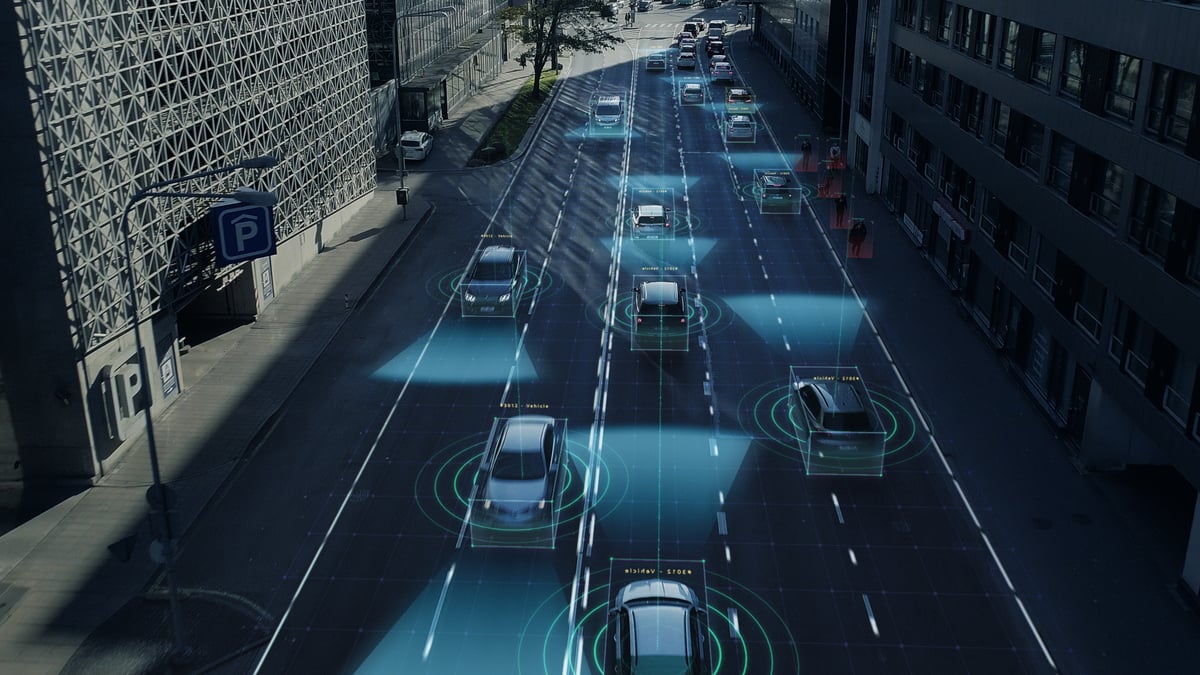
- New Vehicle Launch: Rivian's upcoming R2 SUV, priced under $50,000, represents the company's first foray into the mass market, potentially attracting tens of millions of new customers and enhancing market share.
- Delivery and Production Capacity: While R2 SUV deliveries are expected to begin in April, investors should monitor whether initial deliveries occur on schedule and if production capacity scales as anticipated to avoid common EV industry delays.
- AI Investment Potential: Rivian's investments in artificial intelligence could be pivotal for future growth, and if the company provides positive AI updates next quarter, the market may reassess its valuation, driving stock price increases.
- Market Reaction Expectations: Rivian's stock surged nearly 80% following its AI Day in December, indicating market recognition of its AI potential; positive developments in the earnings report could further boost investor confidence.
See More
Rivian Unveils New R2 SUV Lineup Details
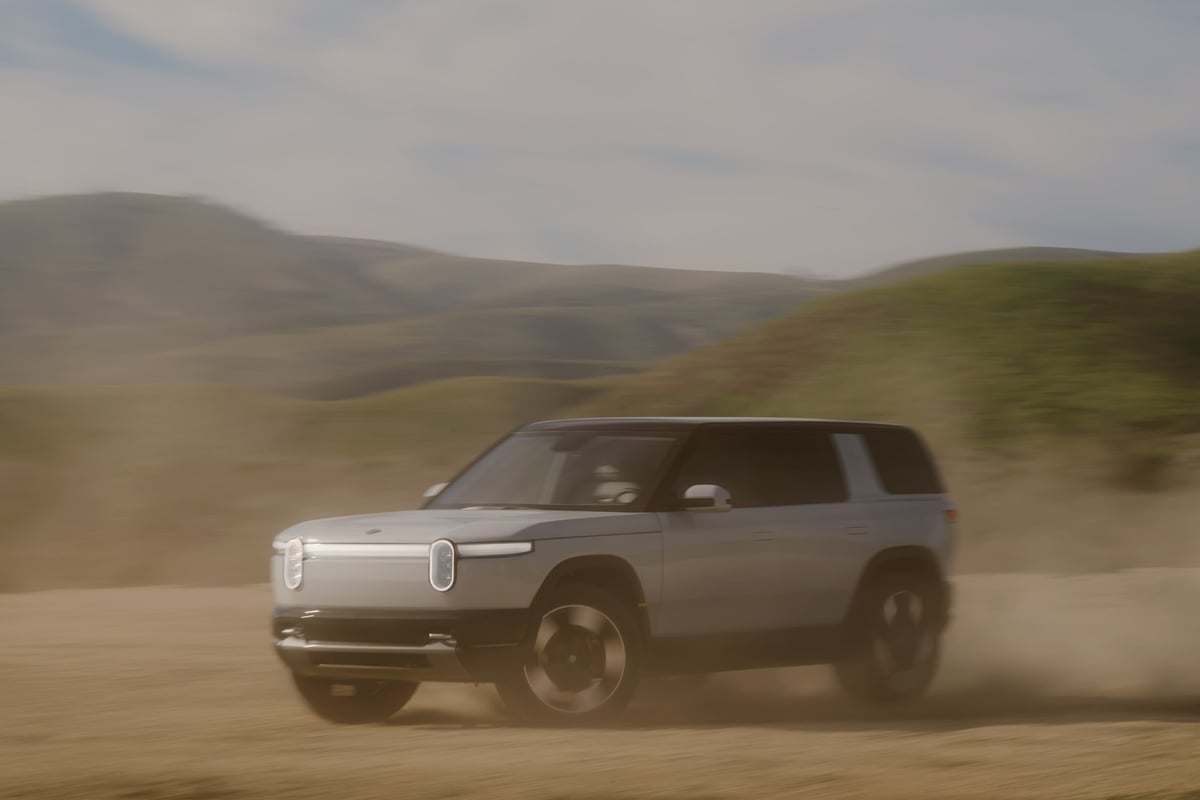
- New Model Launch: Rivian has recently unveiled its R2 SUV lineup, with the first version now available and several cheaper models expected to launch over the next 12 months, aiming to attract more potential buyers, particularly those uninterested in the R1S and R1T.
- Power and Range: The R2 Launch Package features dual motors generating 656 horsepower and an EPA-estimated range of 330 miles, with a starting price of $58,000, which may appeal to early demand due to its high-performance attributes.
- Pricing Strategy: Rivian plans to release a $45,000 version of the R2 by 2027, which is below the average new vehicle price of $49,200, aiming to attract consumers who have not previously considered electric vehicles, thereby expanding its market share.
- Market Challenges and Opportunities: Despite facing high costs and uncertain demand in the EV sector, if Rivian's R2 series successfully attracts its target customers, it could find a unique demand point in a competitive market, potentially driving the company's stock price higher.
See More

Tesla's Dominance in EV AI Sector

- Tesla's AI Investment: Tesla has invested $2 billion in AI, aiming for full self-driving capabilities, which is expected to rapidly expand its robotaxi business with a market potential exceeding $5 trillion.
- Lucid's Growth Potential: Lucid Group, valued at only $3.8 billion, plans to launch three new models and emphasizes AI investment, but its small size limits funding access, posing risks of shareholder dilution.
- Rivian's AI Vision: With a valuation of $20 billion, Rivian has a stronger capital-raising ability and plans to integrate AI more deeply into production and driving experiences, with its R2 SUV set to deliver next month priced under $50,000.
- Data-Driven Advantage: Tesla's fleet of millions of vehicles collects vast amounts of data daily, while Lucid's limited lineup restricts data generation; Rivian aims to enhance its data collection capabilities through new vehicle deliveries.
See More
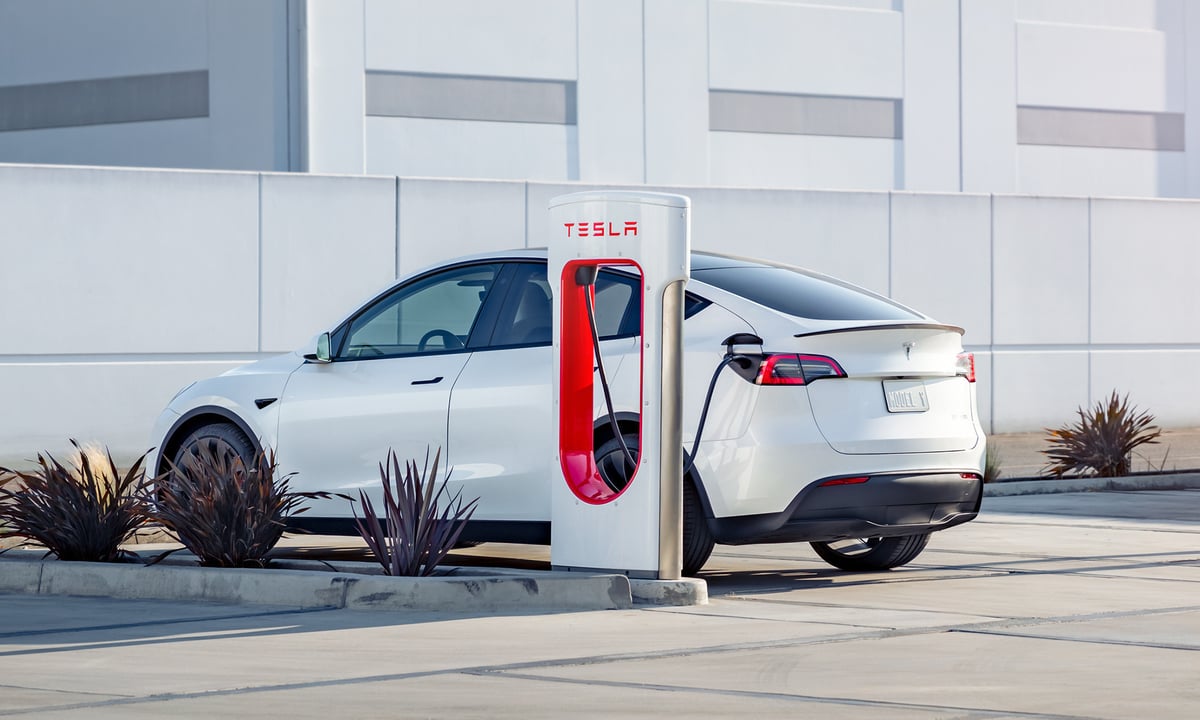
EV Stocks Transitioning to AI Companies
- Tesla's AI Investment: Tesla has invested $2 billion in AI, aiming for full self-driving capabilities, with the robotaxi market potentially worth $5 trillion, showcasing its forward-looking strategy in the EV sector.
- Lucid's Growth Potential: Lucid Group, valued at only $3.8 billion, plans to launch three new models and focus on AI investments, but its small size limits capital access, posing dilution risks for shareholders.
- Rivian's Market Outlook: Rivian, with a $20 billion valuation, shows strong growth potential in the EV market, bolstered by partnerships with companies like Volkswagen, and plans to integrate AI more extensively in production.
- Data-Driven AI Development: Rivian is set to deliver its first R2 SUV priced under $50,000, significantly increasing production scale and data collection capabilities, laying the groundwork for future AI advancements.
See More
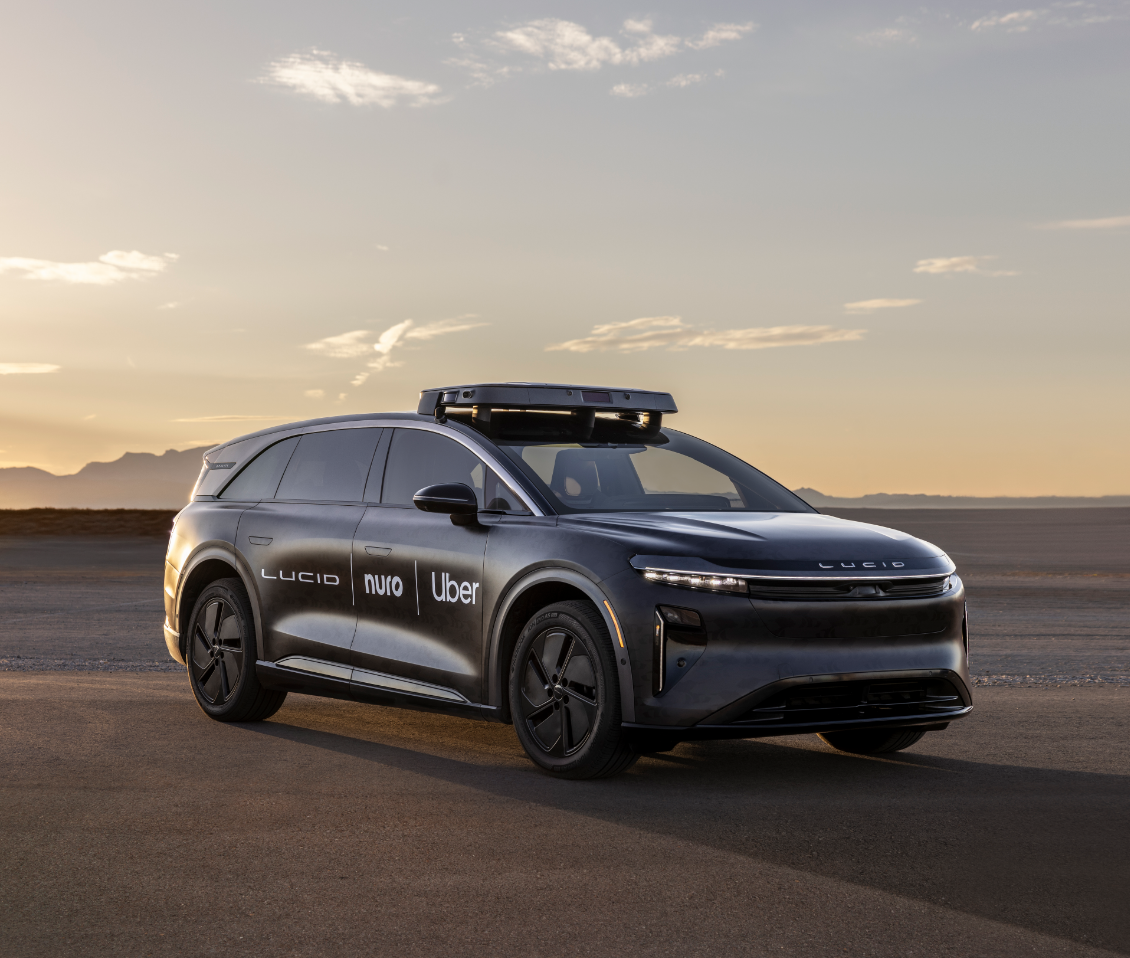
Uber's Driverless Strategy and Partnerships


- Rich Partnerships: Uber has established over 20 active partnerships in driverless technology, including major players like Stellantis, Nvidia, Amazon's Zoox, and Alphabet's Waymo, allowing it to leverage its existing global network and data, thereby reducing development risks and accelerating commercialization.
- Capital Risk Avoidance: By opting for a platform-as-a-service model instead of manufacturing its own driverless vehicles, Uber avoids high-risk capital investments and focuses on becoming an aggregator of driverless vehicles, enhancing its competitive edge in the market.
- Investment in Software Integration: Uber's investments in software integration and in-car experience position it as a crucial partner for manufacturers and tech companies in the robotaxi sector, further strengthening its market position and technological advantage.
- Future Growth Potential: Uber's expanded partnership with Nvidia aims to deploy Level 4 self-driving across 28 cities by 2028, which is expected to expand revenue by eliminating fleet ownership and driver costs, significantly reducing risks and providing substantial upside for investors.
See More

Uber's Driverless Strategy and Partnerships
- Partnership Expansion: Uber currently has over 20 active partnerships in driverless vehicles, including Stellantis, Nvidia, Amazon's Zoox, and Alphabet's Waymo, allowing it to leverage its existing global network and user base, thereby reducing development risks and accelerating technology commercialization.
- Platform-as-a-Service Model: By opting not to manufacture vehicles directly, Uber adopts a platform-as-a-service model, focusing on becoming an aggregator of driverless vehicles, which not only avoids capital-intensive development risks but also enhances its market competitiveness through software integration and user experience improvements.
- Significant Market Potential: Driverless vehicles have the potential to greatly improve transportation safety, reduce congestion, and provide better mobility for non-drivers, positioning Uber favorably in the future robotaxi market and driving revenue growth.
- Investment and Risk Management: Uber's investments in software integration and in-car experience make it a crucial partner for top manufacturers and tech companies in the robotaxi space, mitigating the impact of any single partnership failure on overall development, thus enhancing the company's long-term growth potential.
See More
Rivian Set to Announce Q1 2026 Earnings with Key Updates
- New Vehicle Launch: Rivian's upcoming R2 SUV, priced under $50,000, represents the company's first foray into the mass market, potentially attracting tens of millions of new customers and enhancing market share.
- Delivery and Production Capacity: While R2 SUV deliveries are expected to begin in April, investors should monitor whether initial deliveries occur on schedule and if production capacity scales as anticipated to avoid common EV industry delays.
- AI Investment Potential: Rivian's investments in artificial intelligence could be pivotal for future growth, and if the company provides positive AI updates next quarter, the market may reassess its valuation, driving stock price increases.
- Market Reaction Expectations: Rivian's stock surged nearly 80% following its AI Day in December, indicating market recognition of its AI potential; positive developments in the earnings report could further boost investor confidence.
See More
Rivian Unveils New R2 SUV Lineup Details
- New Model Launch: Rivian has recently unveiled its R2 SUV lineup, with the first version now available and several cheaper models expected to launch over the next 12 months, aiming to attract more potential buyers, particularly those uninterested in the R1S and R1T.
- Power and Range: The R2 Launch Package features dual motors generating 656 horsepower and an EPA-estimated range of 330 miles, with a starting price of $58,000, which may appeal to early demand due to its high-performance attributes.
- Pricing Strategy: Rivian plans to release a $45,000 version of the R2 by 2027, which is below the average new vehicle price of $49,200, aiming to attract consumers who have not previously considered electric vehicles, thereby expanding its market share.
- Market Challenges and Opportunities: Despite facing high costs and uncertain demand in the EV sector, if Rivian's R2 series successfully attracts its target customers, it could find a unique demand point in a competitive market, potentially driving the company's stock price higher.
See More
Tesla's Dominance in EV AI Sector
- Tesla's AI Investment: Tesla has invested $2 billion in AI, aiming for full self-driving capabilities, which is expected to rapidly expand its robotaxi business with a market potential exceeding $5 trillion.
- Lucid's Growth Potential: Lucid Group, valued at only $3.8 billion, plans to launch three new models and emphasizes AI investment, but its small size limits funding access, posing risks of shareholder dilution.
- Rivian's AI Vision: With a valuation of $20 billion, Rivian has a stronger capital-raising ability and plans to integrate AI more deeply into production and driving experiences, with its R2 SUV set to deliver next month priced under $50,000.
- Data-Driven Advantage: Tesla's fleet of millions of vehicles collects vast amounts of data daily, while Lucid's limited lineup restricts data generation; Rivian aims to enhance its data collection capabilities through new vehicle deliveries.
See More
EV Stocks Transitioning to AI Companies
- Tesla's AI Investment: Tesla has invested $2 billion in AI, aiming for full self-driving capabilities, with the robotaxi market potentially worth $5 trillion, showcasing its forward-looking strategy in the EV sector.
- Lucid's Growth Potential: Lucid Group, valued at only $3.8 billion, plans to launch three new models and focus on AI investments, but its small size limits capital access, posing dilution risks for shareholders.
- Rivian's Market Outlook: Rivian, with a $20 billion valuation, shows strong growth potential in the EV market, bolstered by partnerships with companies like Volkswagen, and plans to integrate AI more extensively in production.
- Data-Driven AI Development: Rivian is set to deliver its first R2 SUV priced under $50,000, significantly increasing production scale and data collection capabilities, laying the groundwork for future AI advancements.
See More
Uber's Driverless Strategy and Partnerships
- Rich Partnerships: Uber has established over 20 active partnerships in driverless technology, including major players like Stellantis, Nvidia, Amazon's Zoox, and Alphabet's Waymo, allowing it to leverage its existing global network and data, thereby reducing development risks and accelerating commercialization.
- Capital Risk Avoidance: By opting for a platform-as-a-service model instead of manufacturing its own driverless vehicles, Uber avoids high-risk capital investments and focuses on becoming an aggregator of driverless vehicles, enhancing its competitive edge in the market.
- Investment in Software Integration: Uber's investments in software integration and in-car experience position it as a crucial partner for manufacturers and tech companies in the robotaxi sector, further strengthening its market position and technological advantage.
- Future Growth Potential: Uber's expanded partnership with Nvidia aims to deploy Level 4 self-driving across 28 cities by 2028, which is expected to expand revenue by eliminating fleet ownership and driver costs, significantly reducing risks and providing substantial upside for investors.
See More
Uber's Driverless Strategy and Partnerships
- Partnership Expansion: Uber currently has over 20 active partnerships in driverless vehicles, including Stellantis, Nvidia, Amazon's Zoox, and Alphabet's Waymo, allowing it to leverage its existing global network and user base, thereby reducing development risks and accelerating technology commercialization.
- Platform-as-a-Service Model: By opting not to manufacture vehicles directly, Uber adopts a platform-as-a-service model, focusing on becoming an aggregator of driverless vehicles, which not only avoids capital-intensive development risks but also enhances its market competitiveness through software integration and user experience improvements.
- Significant Market Potential: Driverless vehicles have the potential to greatly improve transportation safety, reduce congestion, and provide better mobility for non-drivers, positioning Uber favorably in the future robotaxi market and driving revenue growth.
- Investment and Risk Management: Uber's investments in software integration and in-car experience make it a crucial partner for top manufacturers and tech companies in the robotaxi space, mitigating the impact of any single partnership failure on overall development, thus enhancing the company's long-term growth potential.
See More