Tesla's Autonomous Driving Program Faces Challenges
Written by Emily J. Thompson, Senior Investment Analyst
Updated: 1 hour ago
0mins

Should l Buy TSLA?
Source: Fool
- Autonomous Program Delays: Tesla's driverless taxi initiative in Austin, which launched last June, is now projected to cover only a quarter to half of the U.S. population by year-end, indicating significant delays and uncertainties in technology implementation.
- Rapid Competitor Expansion: Amazon's Zoox plans to test its purpose-built robotaxis in Miami and Austin, marking a nationwide expansion, while also increasing service points in Las Vegas, demonstrating enhanced market penetration capabilities.
- High Valuation Dependency: According to Bank of America, Tesla's robotaxi business accounts for 52% of its overall valuation, with automotive at only 21%, highlighting how performance in the autonomous driving sector directly impacts market confidence and stock performance.
- Safety Concerns Highlighted: Early data shows Tesla's robotaxis have a higher crash rate than human drivers, particularly compared to competitor Alphabet's Waymo, reflecting deficiencies in technology maturity and safety that could further undermine investor confidence.
Trade with 70% Backtested Accuracy
Stop guessing "Should I Buy TSLA?" and start using high-conviction signals backed by rigorous historical data.
Sign up today to access powerful investing tools and make smarter, data-driven decisions.
Analyst Views on TSLA
Wall Street analysts forecast TSLA stock price to rise
30 Analyst Rating
12 Buy
11 Hold
7 Sell
Hold
Current: 371.750

Low
25.28
Averages
401.93
High
600.00
Current: 371.750
Low
25.28
Averages
401.93
High
600.00
About TSLA
Tesla, Inc. designs, develops, manufactures, sells and leases high-performance fully electric vehicles and energy generation and storage systems, and offers services related to its products. Its segments include automotive, and energy generation and storage. The automotive segment includes the design, development, manufacturing, sales and leasing of high-performance fully electric vehicles, and sales of automotive regulatory credits. It also includes sales of used vehicles, non-warranty maintenance services and collisions, part sales, paid supercharging, insurance services revenue and retail merchandise sales. The energy generation and storage segment include the design, manufacture, installation, sales and leasing of solar energy generation and energy storage products and related services and sales of solar energy systems incentives. Its consumer vehicles include the Model 3, Y, S, X and Cybertruck. Its lithium-ion battery energy storage products include Powerwall and Megapack.
About the author

Emily J. Thompson
Emily J. Thompson, a Chartered Financial Analyst (CFA) with 12 years in investment research, graduated with honors from the Wharton School. Specializing in industrial and technology stocks, she provides in-depth analysis for Intellectia’s earnings and market brief reports.
ARKK ETF Faces Worst Quarter Since Early 2025

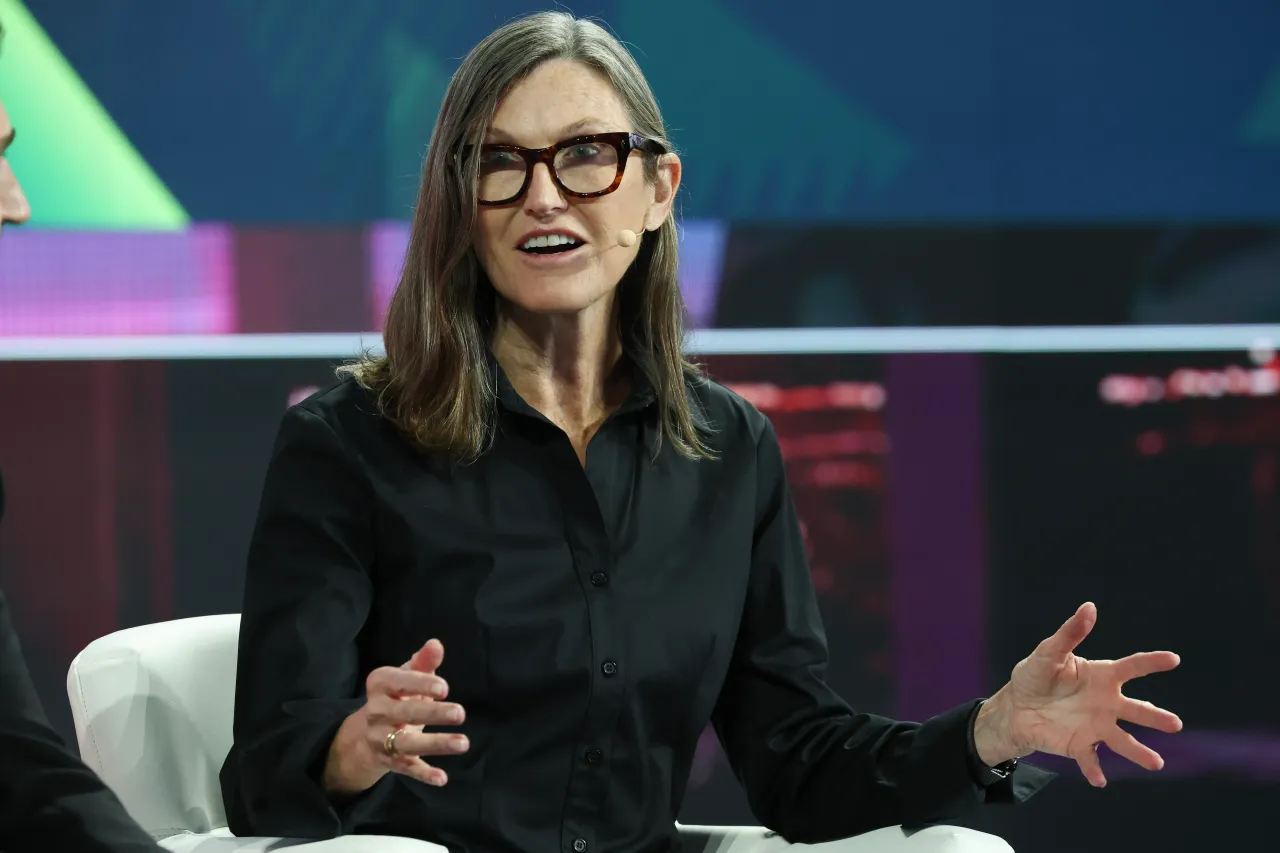
- Performance Decline: The ARKK ETF fell 12% in the latest quarter, marking its worst performance since early 2025, primarily due to significant impacts from Tesla's stock volatility, highlighting ARKK's heavy reliance on Tesla.
- Tesla's Optimistic Outlook: Despite challenges, ARK maintains a $2,600 price forecast for Tesla by 2029, implying a market cap of $9.75 trillion, reflecting confidence in Tesla's future growth potential, particularly in robotics and autonomous driving.
- Autonomous Driving Market Potential: Cathie Wood stated that autonomy will be Tesla's largest revenue driver, with expectations of scaling to a $10 trillion market, emphasizing the company's potential to achieve autonomy in 25% to 50% of major U.S. cities by year-end.
- Investor Sentiment Shift: While sentiment towards ARKK remains bullish, Tesla's sentiment fluctuated between bearish and extremely bearish during the quarter, indicating market uncertainty regarding Tesla's future performance amid intensifying competition.
See More
Micron Technologies Surpasses Earnings Expectations Amid AI Demand Surge


- Impressive Earnings: Micron Technologies reported nearly $24 billion in revenue for the latest quarter, nearly tripling year-over-year and exceeding market expectations by approximately $4 billion, with gross margins doubling to 74%, reflecting strong market demand and pricing power.
- Strong Future Guidance: The company guided for $33.5 billion in revenue for the upcoming quarter, significantly above analysts' expectations of $24.3 billion, indicating robust confidence in AI infrastructure investments that could drive sustained future growth.
- Strategic Customer Agreements: Micron is entering long-term strategic agreements with customers, including its first five-year contract, enhancing visibility into future business and potentially altering the cyclical nature of the memory market, thereby boosting the company's competitive edge.
- Cautious Market Reaction: Despite the strong earnings report, Micron's stock fell by 2.8%, partly due to market concerns over potential Fed interest rate hikes and geopolitical tensions in the Middle East, reflecting investor caution regarding future demand.
See More

Tesla Falls Behind in Robotaxi Race

- Increased Market Competition: Amazon's Zoox is set to test its purpose-built robotaxis in Austin, Texas, and Miami, marking a significant expansion in Tesla's home turf and intensifying competitive pressure on Tesla in the robotaxi sector.
- Development Delays: Tesla's robotaxi pilot launched in Austin last June, but CEO Elon Musk's initial prediction of covering half the U.S. population by the end of 2025 has been revised, with plans to expand to seven cities in the first half of 2026, indicating slow progress.
- Investor Concerns: According to Bank of America, Tesla's robotaxi business accounts for 52% of its overall valuation, while its automotive segment only represents 21%, highlighting the critical link between Tesla's future performance and its success in autonomous driving and robotics, raising investor anxiety over its overpromising tendencies.
- Safety Issues: Early data shows Tesla's robotaxis have a significantly higher crash rate compared to competitor Waymo, reflecting shortcomings in its technological development, which could negatively impact the company's future market performance and stock price.
See More
Tesla's Autonomous Driving Program Faces Challenges
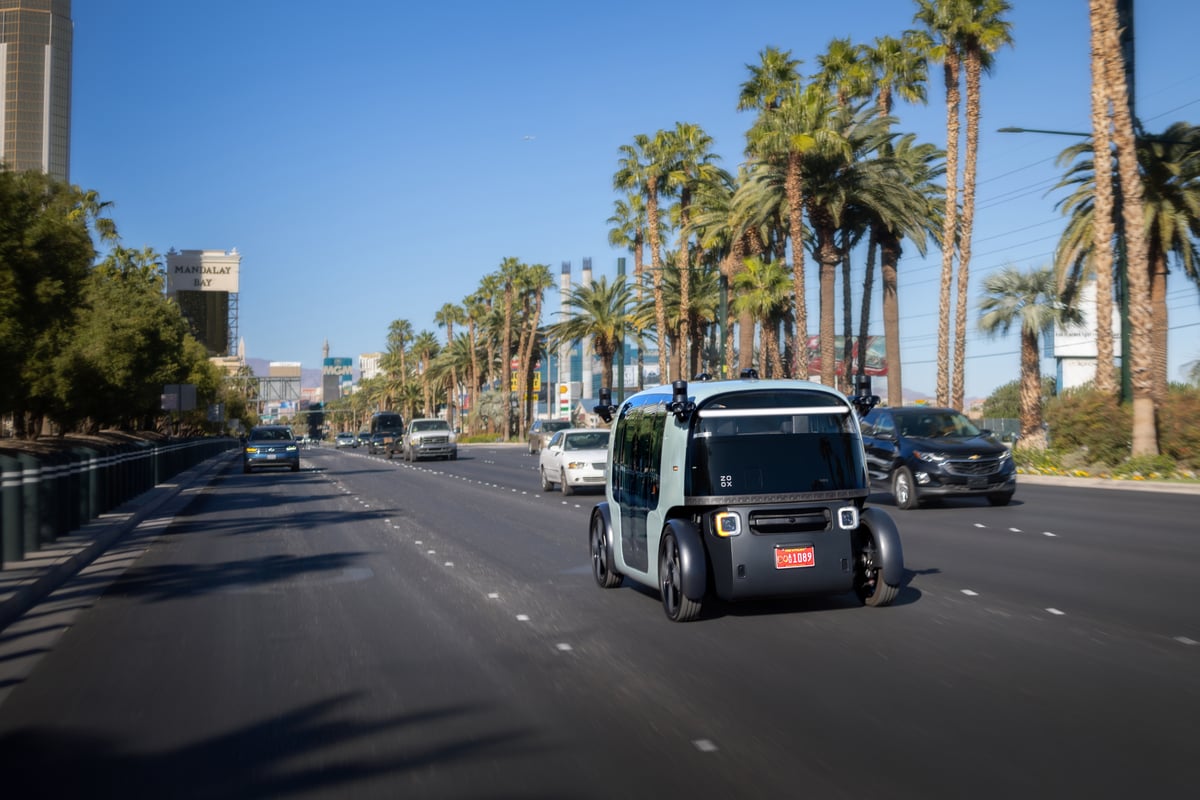
- Autonomous Program Delays: Tesla's driverless taxi initiative in Austin, which launched last June, is now projected to cover only a quarter to half of the U.S. population by year-end, indicating significant delays and uncertainties in technology implementation.
- Rapid Competitor Expansion: Amazon's Zoox plans to test its purpose-built robotaxis in Miami and Austin, marking a nationwide expansion, while also increasing service points in Las Vegas, demonstrating enhanced market penetration capabilities.
- High Valuation Dependency: According to Bank of America, Tesla's robotaxi business accounts for 52% of its overall valuation, with automotive at only 21%, highlighting how performance in the autonomous driving sector directly impacts market confidence and stock performance.
- Safety Concerns Highlighted: Early data shows Tesla's robotaxis have a higher crash rate than human drivers, particularly compared to competitor Alphabet's Waymo, reflecting deficiencies in technology maturity and safety that could further undermine investor confidence.
See More
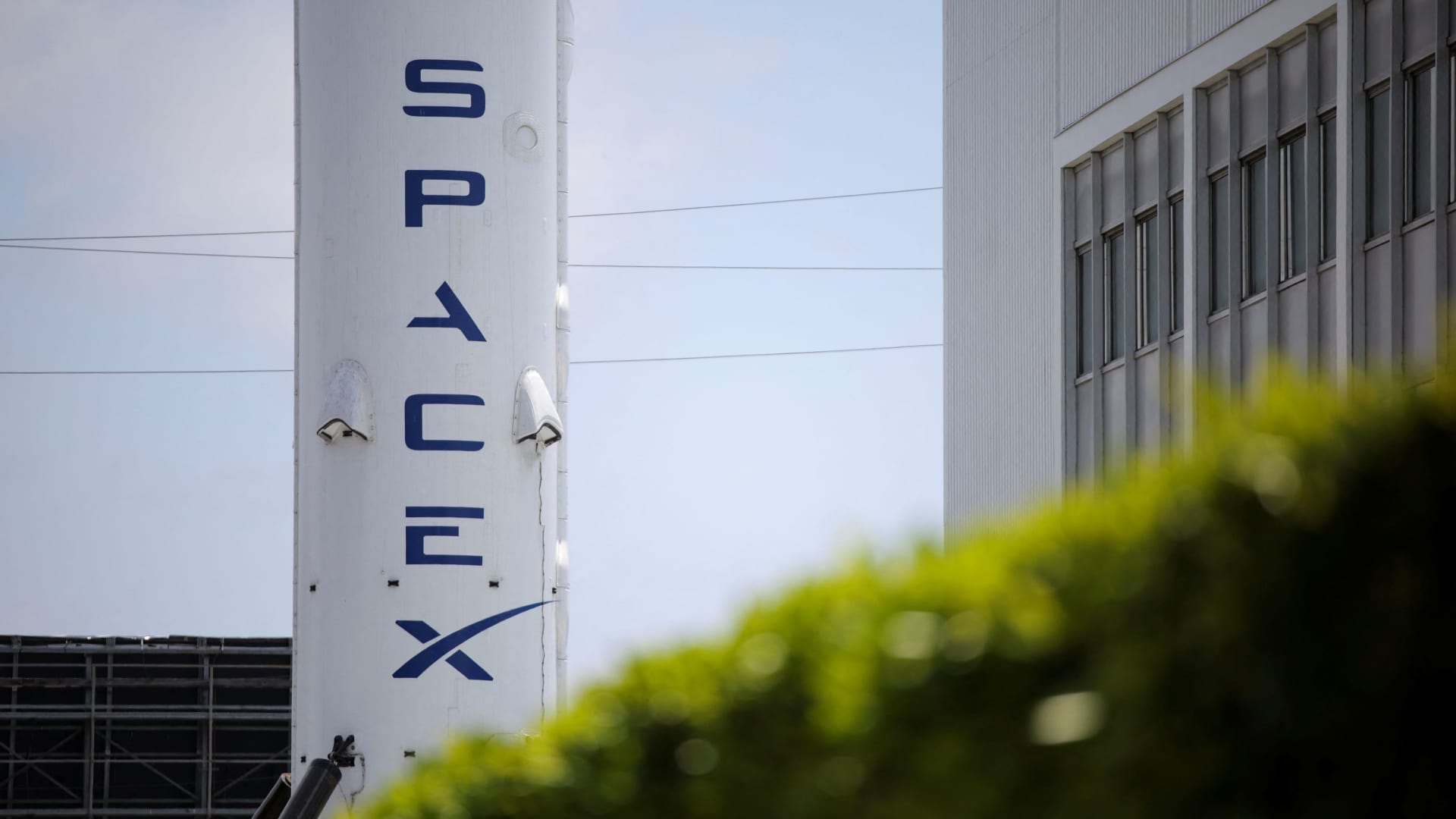
SpaceX Confidentially Files for IPO, Eyes $1.75 Trillion Valuation

- IPO Process Accelerated: SpaceX has confidentially filed for an IPO with the SEC, aiming for a June listing with a target valuation of $1.75 trillion, which, if successful, would mark the largest public offering in history.
- Massive Fundraising Goal: The company plans to raise up to $75 billion, surpassing Alibaba's $22 billion record set in 2014 for U.S. IPOs, indicating strong market interest and investment potential in the aerospace sector.
- Government Contract Support: Since 2008, SpaceX has secured over $24.4 billion in contracts from the federal government, including support from NASA and the Air Force, providing a robust financial foundation for its IPO.
- Market Environment Challenges: Despite SpaceX's strong fundamentals, increased market volatility could impact the IPO's success, with experts noting that current geopolitical conditions need to improve to ensure investor confidence.
See More
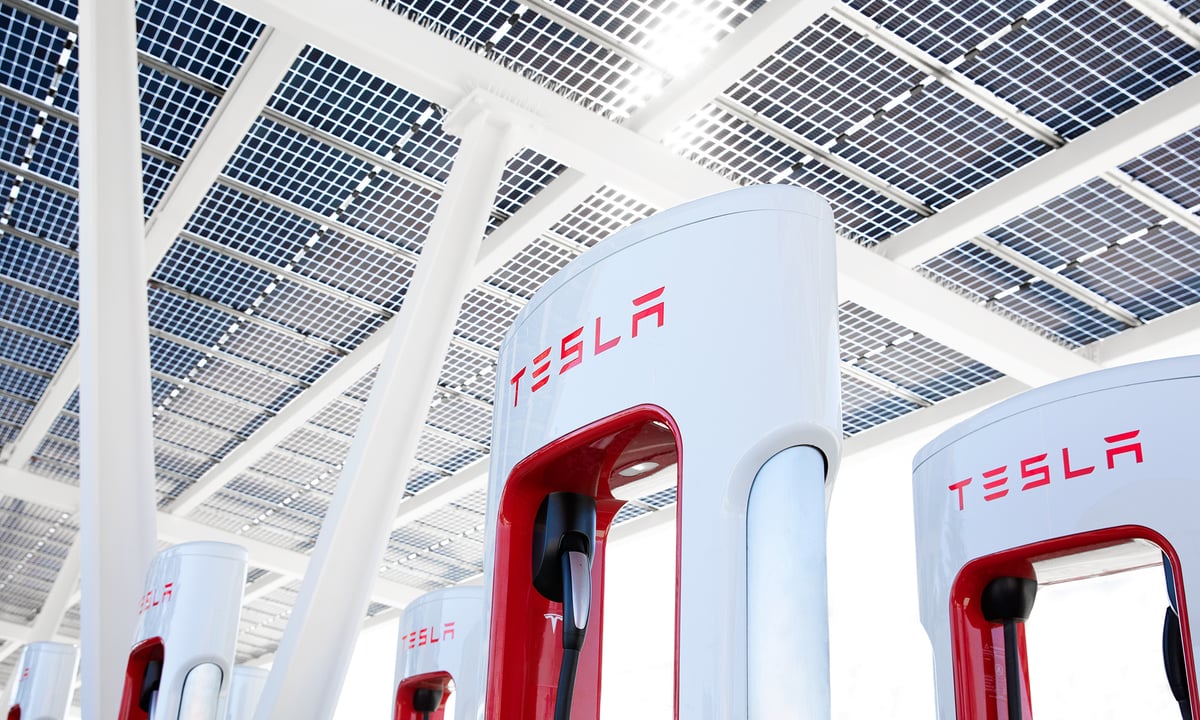
Tesla's Robotaxi Business Faces Challenges Amidst High Expectations
- Earnings Estimate Discrepancy: Tesla's earnings-per-share (EPS) estimates for 2030 show a nearly threefold difference between high and low projections, reflecting strong market expectations for the robotaxi business, yet a compound annual growth rate of 47% indicates pressure to meet these expectations.
- Slow Robotaxi Progress: Despite Tesla starting volume production of the dedicated Cybercab robotaxi in April and building a lithium iron phosphate battery factory in Nevada, the expansion of its unsupervised robotaxi network remains limited, failing to scale beyond a few cars in Austin.
- Increased Capital Risk: The multibillion-dollar investments in the robotaxi business could lead to unnecessary capital and cash tie-up, especially if regulatory approvals are not obtained in a timely manner, potentially jeopardizing Tesla's early-mover advantage.
- Market Confidence Erosion: As delays in the robotaxi rollout continue, Tesla risks falling short of analysts' earnings estimates, which could undermine investor confidence in its medium-term outlook, necessitating positive news to restore market sentiment.
See More
ARKK ETF Faces Worst Quarter Since Early 2025
- Performance Decline: The ARKK ETF fell 12% in the latest quarter, marking its worst performance since early 2025, primarily due to significant impacts from Tesla's stock volatility, highlighting ARKK's heavy reliance on Tesla.
- Tesla's Optimistic Outlook: Despite challenges, ARK maintains a $2,600 price forecast for Tesla by 2029, implying a market cap of $9.75 trillion, reflecting confidence in Tesla's future growth potential, particularly in robotics and autonomous driving.
- Autonomous Driving Market Potential: Cathie Wood stated that autonomy will be Tesla's largest revenue driver, with expectations of scaling to a $10 trillion market, emphasizing the company's potential to achieve autonomy in 25% to 50% of major U.S. cities by year-end.
- Investor Sentiment Shift: While sentiment towards ARKK remains bullish, Tesla's sentiment fluctuated between bearish and extremely bearish during the quarter, indicating market uncertainty regarding Tesla's future performance amid intensifying competition.
See More
Micron Technologies Surpasses Earnings Expectations Amid AI Demand Surge
- Impressive Earnings: Micron Technologies reported nearly $24 billion in revenue for the latest quarter, nearly tripling year-over-year and exceeding market expectations by approximately $4 billion, with gross margins doubling to 74%, reflecting strong market demand and pricing power.
- Strong Future Guidance: The company guided for $33.5 billion in revenue for the upcoming quarter, significantly above analysts' expectations of $24.3 billion, indicating robust confidence in AI infrastructure investments that could drive sustained future growth.
- Strategic Customer Agreements: Micron is entering long-term strategic agreements with customers, including its first five-year contract, enhancing visibility into future business and potentially altering the cyclical nature of the memory market, thereby boosting the company's competitive edge.
- Cautious Market Reaction: Despite the strong earnings report, Micron's stock fell by 2.8%, partly due to market concerns over potential Fed interest rate hikes and geopolitical tensions in the Middle East, reflecting investor caution regarding future demand.
See More
Tesla Falls Behind in Robotaxi Race
- Increased Market Competition: Amazon's Zoox is set to test its purpose-built robotaxis in Austin, Texas, and Miami, marking a significant expansion in Tesla's home turf and intensifying competitive pressure on Tesla in the robotaxi sector.
- Development Delays: Tesla's robotaxi pilot launched in Austin last June, but CEO Elon Musk's initial prediction of covering half the U.S. population by the end of 2025 has been revised, with plans to expand to seven cities in the first half of 2026, indicating slow progress.
- Investor Concerns: According to Bank of America, Tesla's robotaxi business accounts for 52% of its overall valuation, while its automotive segment only represents 21%, highlighting the critical link between Tesla's future performance and its success in autonomous driving and robotics, raising investor anxiety over its overpromising tendencies.
- Safety Issues: Early data shows Tesla's robotaxis have a significantly higher crash rate compared to competitor Waymo, reflecting shortcomings in its technological development, which could negatively impact the company's future market performance and stock price.
See More
Tesla's Autonomous Driving Program Faces Challenges
- Autonomous Program Delays: Tesla's driverless taxi initiative in Austin, which launched last June, is now projected to cover only a quarter to half of the U.S. population by year-end, indicating significant delays and uncertainties in technology implementation.
- Rapid Competitor Expansion: Amazon's Zoox plans to test its purpose-built robotaxis in Miami and Austin, marking a nationwide expansion, while also increasing service points in Las Vegas, demonstrating enhanced market penetration capabilities.
- High Valuation Dependency: According to Bank of America, Tesla's robotaxi business accounts for 52% of its overall valuation, with automotive at only 21%, highlighting how performance in the autonomous driving sector directly impacts market confidence and stock performance.
- Safety Concerns Highlighted: Early data shows Tesla's robotaxis have a higher crash rate than human drivers, particularly compared to competitor Alphabet's Waymo, reflecting deficiencies in technology maturity and safety that could further undermine investor confidence.
See More
SpaceX Confidentially Files for IPO, Eyes $1.75 Trillion Valuation
- IPO Process Accelerated: SpaceX has confidentially filed for an IPO with the SEC, aiming for a June listing with a target valuation of $1.75 trillion, which, if successful, would mark the largest public offering in history.
- Massive Fundraising Goal: The company plans to raise up to $75 billion, surpassing Alibaba's $22 billion record set in 2014 for U.S. IPOs, indicating strong market interest and investment potential in the aerospace sector.
- Government Contract Support: Since 2008, SpaceX has secured over $24.4 billion in contracts from the federal government, including support from NASA and the Air Force, providing a robust financial foundation for its IPO.
- Market Environment Challenges: Despite SpaceX's strong fundamentals, increased market volatility could impact the IPO's success, with experts noting that current geopolitical conditions need to improve to ensure investor confidence.
See More
Tesla's Robotaxi Business Faces Challenges Amidst High Expectations
- Earnings Estimate Discrepancy: Tesla's earnings-per-share (EPS) estimates for 2030 show a nearly threefold difference between high and low projections, reflecting strong market expectations for the robotaxi business, yet a compound annual growth rate of 47% indicates pressure to meet these expectations.
- Slow Robotaxi Progress: Despite Tesla starting volume production of the dedicated Cybercab robotaxi in April and building a lithium iron phosphate battery factory in Nevada, the expansion of its unsupervised robotaxi network remains limited, failing to scale beyond a few cars in Austin.
- Increased Capital Risk: The multibillion-dollar investments in the robotaxi business could lead to unnecessary capital and cash tie-up, especially if regulatory approvals are not obtained in a timely manner, potentially jeopardizing Tesla's early-mover advantage.
- Market Confidence Erosion: As delays in the robotaxi rollout continue, Tesla risks falling short of analysts' earnings estimates, which could undermine investor confidence in its medium-term outlook, necessitating positive news to restore market sentiment.
See More