Tesla's AI Prospects Look Bright but Risks Abound
Written by Emily J. Thompson, Senior Investment Analyst
Updated: Feb 16 2026
0mins
Should l Buy TSLA?
Source: Fool
- Analyst Optimism: As Tesla advances in self-driving and robotics, more analysts are becoming bullish, with projections suggesting robotaxi revenue could reach $250 billion by 2035, indicating significant market potential.
- Financial Improvement: Tesla's gross margin rose to 20.1% in Q4 2025, the highest in two years, and its cash and investments totaled $44 billion, a 20% increase from 2024, providing financial backing for future investments.
- Market Challenges Intensify: Despite the positive outlook, Tesla's sales fell by 3% in 2025, marking its first annual decline, while earnings plummeted 47% year-over-year to $1.08 per share, highlighting risks from weakened consumer demand and brand damage.
- Valuation Risks: With a price-to-earnings ratio of 393, significantly above the tech sector average of 43, investors face high risks buying Tesla stock at current prices, suggesting caution until the company's financial situation improves.
Trade with 70% Backtested Accuracy
Stop guessing "Should I Buy TSLA?" and start using high-conviction signals backed by rigorous historical data.
Sign up today to access powerful investing tools and make smarter, data-driven decisions.
Analyst Views on TSLA
Wall Street analysts forecast TSLA stock price to fall
30 Analyst Rating
12 Buy
11 Hold
7 Sell
Hold
Current: 411.790

Low
25.28
Averages
401.93
High
600.00
Current: 411.790
Low
25.28
Averages
401.93
High
600.00
About TSLA
Tesla, Inc. designs, develops, manufactures, sells and leases high-performance fully electric vehicles and energy generation and storage systems, and offers services related to its products. Its segments include automotive, and energy generation and storage. The automotive segment includes the design, development, manufacturing, sales and leasing of high-performance fully electric vehicles, and sales of automotive regulatory credits. It also includes sales of used vehicles, non-warranty maintenance services and collisions, part sales, paid supercharging, insurance services revenue and retail merchandise sales. The energy generation and storage segment include the design, manufacture, installation, sales and leasing of solar energy generation and energy storage products and related services and sales of solar energy systems incentives. Its consumer vehicles include the Model 3, Y, S, X and Cybertruck. Its lithium-ion battery energy storage products include Powerwall and Megapack.
About the author

Emily J. Thompson
Emily J. Thompson, a Chartered Financial Analyst (CFA) with 12 years in investment research, graduated with honors from the Wharton School. Specializing in industrial and technology stocks, she provides in-depth analysis for Intellectia’s earnings and market brief reports.
Musk's Attempt to Merge OpenAI with Tesla Revealed

- Merger Proposal: Former OpenAI board member Shivon Zilis testified that Elon Musk proposed to include OpenAI CEO Sam Altman on Tesla's board to facilitate a merger, highlighting Musk's strong desire for control in the AI sector.
- Legal Action: Musk is suing OpenAI and its executives for over $13 billion, claiming he was misled into believing OpenAI would remain a nonprofit when he provided $38 million in startup funding, a claim that could significantly impact OpenAI's operational model.
- Board Discussions: Zilis noted extensive discussions within the board between 2017 and 2018 regarding OpenAI's corporate structure, reflecting differing views on how to transition OpenAI into a for-profit entity, which may influence future governance structures in AI companies.
- IPO Prospects: Both OpenAI and its parent company SpaceX are reportedly preparing for massive IPOs later this year, indicating that despite facing legal challenges, OpenAI is still seeking market support to drive its business expansion.
See More
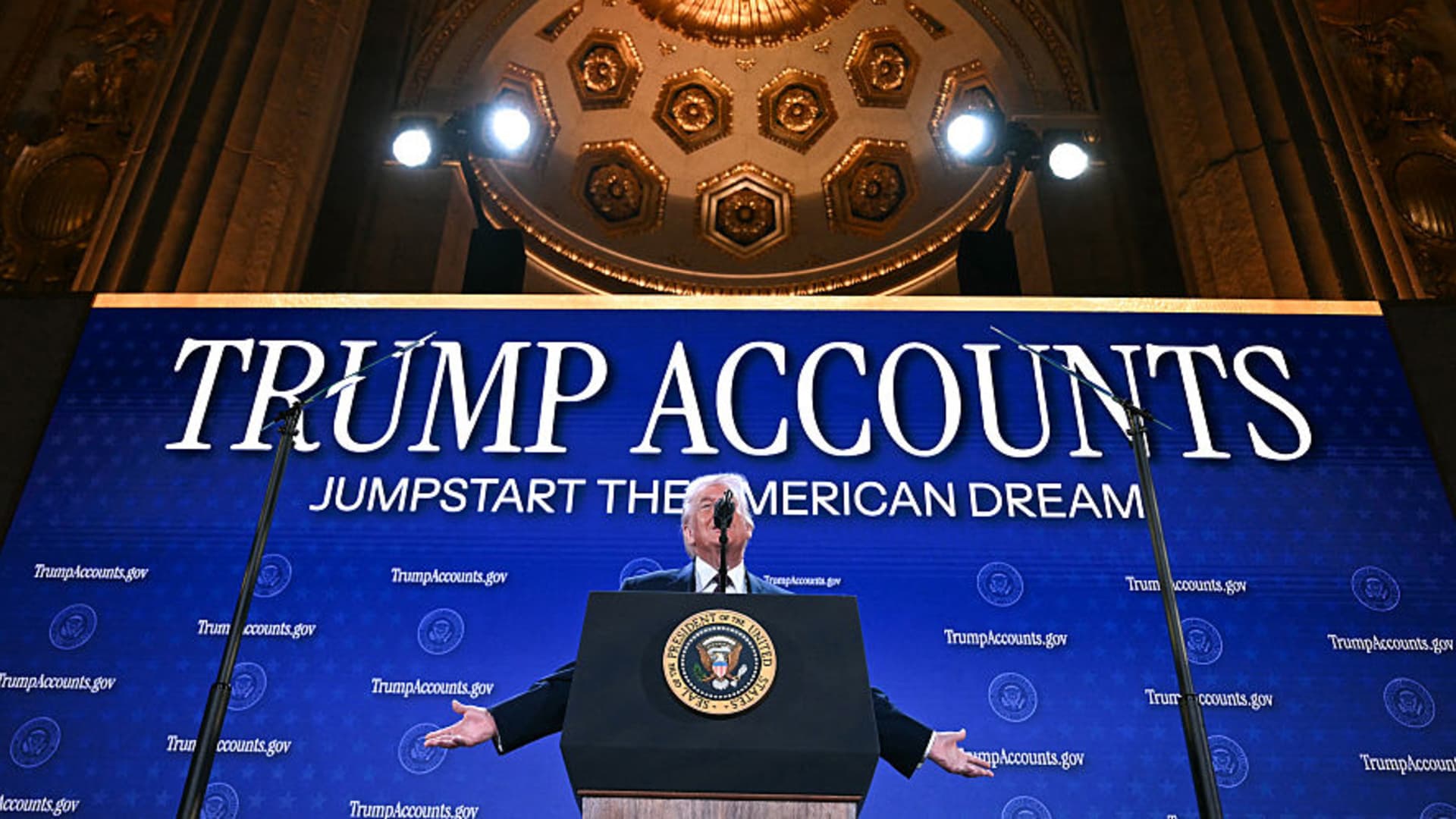
Trump Accounts Set to Launch with Potential Stock Donation Rules Under Discussion
- Donation Rule Discussions: The Trump Accounts are set to officially launch on July 4, 2026, and while currently only cash donations are permitted, reports indicate that the White House and Treasury are discussing the potential for direct stock donations, which could provide additional funding sources for children's accounts and promote wealth accumulation.
- Diversified Funding Sources: Altimeter Capital CEO Brad Gerstner noted that businesses and philanthropists might support Trump Accounts through stock donations, and if this change is implemented, it could significantly increase the inflow of funds into the accounts, helping more families engage in wealth-building efforts.
- Risk Management Concerns: While the potential for stock donations exists, experts caution that allowing individual stock holdings could increase investment risks; the primary goal of Trump Accounts is to avoid speculative investments by utilizing low-fee index funds, ensuring steady retirement savings growth.
- Initial Funding Commitments: Approximately 5.5 million children have registered for Trump Accounts, with the Treasury committing to provide a $1,000 initial deposit for children born between 2025 and 2028, and philanthropists in multiple states have pledged additional funds for qualifying families, further driving the accounts' adoption.
See More
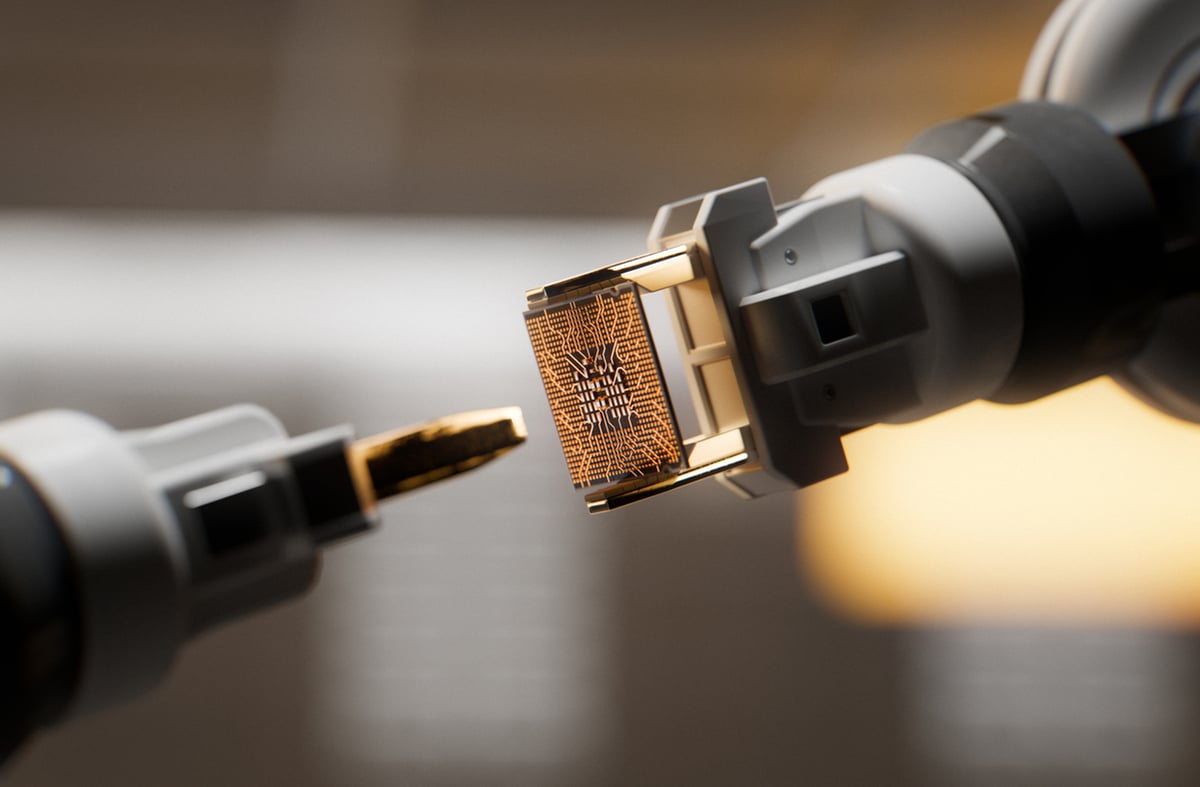
Semiconductor Industry Faces Helium Supply Crisis


- Helium Supply Disruption: The Ras Laffan facility in Qatar, one of only two capable of producing semiconductor-grade helium, was impacted by Iranian drone strikes and may not be fully operational for months, posing a significant threat to chip manufacturers who rely on helium for critical processes.
- U.S. Chipmaker Advantage: U.S.-based semiconductor foundries primarily source helium from domestic and Algerian suppliers, and the recent supply chain disruption is expected to accelerate reshoring efforts, thereby strengthening their market position in the global semiconductor landscape.
- Intel's Turnaround: As the largest chip manufacturer in the U.S., Intel has begun high-volume production of its 18A process node at its Ocotillo campus in Arizona, which offers up to 15% better performance per watt and 30% improved chip density, positioning it to regain market share from competitors like TSMC.
- TSMC's Expansion Plans: TSMC has announced an increase in its total U.S. investment to $165 billion to fund new fabs in Arizona, and despite the helium crunch, its diversified supply chain and helium recycling systems provide a competitive edge over many rivals, particularly those in South Korea reliant on Qatari helium.
See More

U.S. Semiconductor Industry Benefits from Helium Crisis
- Helium Supply Crisis: The ongoing helium supply disruption, with Qatar providing a third of the global supply, has been exacerbated by drone strikes on the Ras Laffan facility, which is crucial for semiconductor-grade helium, putting pressure on chipmakers who rely on helium for wafer cooling and photolithography.
- Intel's Market Opportunity: Intel's recent partnerships with Tesla and Google, leveraging its 18A process node's performance advantages, are expected to help regain market share in the semiconductor sector, particularly as U.S. production reshoring accelerates, potentially increasing its market share from below 5%.
- TSMC's Investment Expansion: Taiwan Semiconductor Manufacturing Company (TSMC) plans to invest $165 billion in the U.S. to build three new fabs and an R&D center, and despite facing helium supply challenges, its diversified supply chain and inventory management position it advantageously in the expanding U.S. market.
- Strategic Government Support: The U.S. government's $11.1 billion investment in Intel aims to promote semiconductor production reshoring, reducing reliance on external supply chains, which not only enhances Intel's competitiveness but also lays a foundation for the stable development of the entire industry.
See More
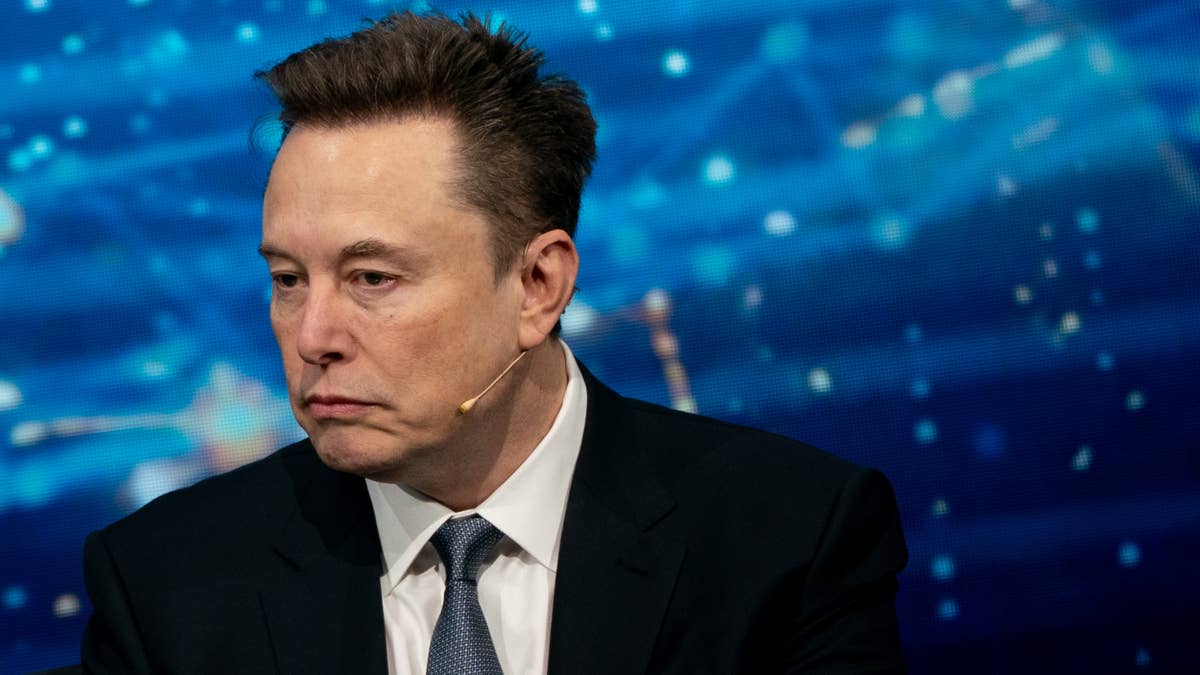
Musk's Terafab Project Targets $119 Billion Investment
- Investment Scale: SpaceX's Terafab project in Grimes County, Texas, has an initial investment of $55 billion, with total investment potentially reaching $119 billion, significantly enhancing U.S. semiconductor production capacity.
- Technological Collaboration: Intel joined the Terafab project in April 2026 as the first external customer, planning to utilize its 14A process for chip design and manufacturing, marking a strategic shift for Intel in the foundry market that could alter investor perceptions.
- Production Goals: The long-term target for the Terafab project is to achieve one million wafer starts per month and produce 100 to 200 billion custom AI and memory chips annually, positioning Tesla more competitively in the autonomous driving and robotics sectors.
- Risks and Opportunities: Wedbush emphasizes that while the Terafab project holds significant potential, there is a considerable gap between the $55 billion investment commitment and the operational semiconductor fab, urging investors to carefully assess execution risks alongside market opportunities.
See More

Robotaxi Market Could Reach $10 Trillion

- Massive Market Potential: Ark Invest CEO Cathie Wood predicts the global robotaxi market could be valued between $8 trillion and $10 trillion, indicating that AI technology will rapidly drive this market's emergence, presenting significant investment opportunities for related companies.
- Dominance of Electric Vehicles: The operation of robotaxis relies on electric vehicles due to their fuel efficiency and tech-heavy designs, with Tesla and Rivian identified as key beneficiaries in the U.S. market, especially as the market is expected to explode by 2030, favoring companies with existing production capacity.
- Tesla's Production Advantage: Tesla plans to launch its dedicated robotaxi, the Cybercab, between late 2026 and early 2027, and with its extensive production infrastructure, it is nearly unmatched in its dominance of the U.S. robotaxi market, showcasing its lead in technology and manufacturing capabilities.
- Rivian's Market Opportunity: Rivian recently signed a $1.25 billion deal with Uber for up to 50,000 R2 SUVs, indicating its rising potential in the robotaxi market; despite facing fierce competition from low-cost Chinese manufacturers, this partnership lays a solid foundation for its future growth.
See More
Musk's Attempt to Merge OpenAI with Tesla Revealed
- Merger Proposal: Former OpenAI board member Shivon Zilis testified that Elon Musk proposed to include OpenAI CEO Sam Altman on Tesla's board to facilitate a merger, highlighting Musk's strong desire for control in the AI sector.
- Legal Action: Musk is suing OpenAI and its executives for over $13 billion, claiming he was misled into believing OpenAI would remain a nonprofit when he provided $38 million in startup funding, a claim that could significantly impact OpenAI's operational model.
- Board Discussions: Zilis noted extensive discussions within the board between 2017 and 2018 regarding OpenAI's corporate structure, reflecting differing views on how to transition OpenAI into a for-profit entity, which may influence future governance structures in AI companies.
- IPO Prospects: Both OpenAI and its parent company SpaceX are reportedly preparing for massive IPOs later this year, indicating that despite facing legal challenges, OpenAI is still seeking market support to drive its business expansion.
See More
Trump Accounts Set to Launch with Potential Stock Donation Rules Under Discussion
- Donation Rule Discussions: The Trump Accounts are set to officially launch on July 4, 2026, and while currently only cash donations are permitted, reports indicate that the White House and Treasury are discussing the potential for direct stock donations, which could provide additional funding sources for children's accounts and promote wealth accumulation.
- Diversified Funding Sources: Altimeter Capital CEO Brad Gerstner noted that businesses and philanthropists might support Trump Accounts through stock donations, and if this change is implemented, it could significantly increase the inflow of funds into the accounts, helping more families engage in wealth-building efforts.
- Risk Management Concerns: While the potential for stock donations exists, experts caution that allowing individual stock holdings could increase investment risks; the primary goal of Trump Accounts is to avoid speculative investments by utilizing low-fee index funds, ensuring steady retirement savings growth.
- Initial Funding Commitments: Approximately 5.5 million children have registered for Trump Accounts, with the Treasury committing to provide a $1,000 initial deposit for children born between 2025 and 2028, and philanthropists in multiple states have pledged additional funds for qualifying families, further driving the accounts' adoption.
See More
Semiconductor Industry Faces Helium Supply Crisis
- Helium Supply Disruption: The Ras Laffan facility in Qatar, one of only two capable of producing semiconductor-grade helium, was impacted by Iranian drone strikes and may not be fully operational for months, posing a significant threat to chip manufacturers who rely on helium for critical processes.
- U.S. Chipmaker Advantage: U.S.-based semiconductor foundries primarily source helium from domestic and Algerian suppliers, and the recent supply chain disruption is expected to accelerate reshoring efforts, thereby strengthening their market position in the global semiconductor landscape.
- Intel's Turnaround: As the largest chip manufacturer in the U.S., Intel has begun high-volume production of its 18A process node at its Ocotillo campus in Arizona, which offers up to 15% better performance per watt and 30% improved chip density, positioning it to regain market share from competitors like TSMC.
- TSMC's Expansion Plans: TSMC has announced an increase in its total U.S. investment to $165 billion to fund new fabs in Arizona, and despite the helium crunch, its diversified supply chain and helium recycling systems provide a competitive edge over many rivals, particularly those in South Korea reliant on Qatari helium.
See More
U.S. Semiconductor Industry Benefits from Helium Crisis
- Helium Supply Crisis: The ongoing helium supply disruption, with Qatar providing a third of the global supply, has been exacerbated by drone strikes on the Ras Laffan facility, which is crucial for semiconductor-grade helium, putting pressure on chipmakers who rely on helium for wafer cooling and photolithography.
- Intel's Market Opportunity: Intel's recent partnerships with Tesla and Google, leveraging its 18A process node's performance advantages, are expected to help regain market share in the semiconductor sector, particularly as U.S. production reshoring accelerates, potentially increasing its market share from below 5%.
- TSMC's Investment Expansion: Taiwan Semiconductor Manufacturing Company (TSMC) plans to invest $165 billion in the U.S. to build three new fabs and an R&D center, and despite facing helium supply challenges, its diversified supply chain and inventory management position it advantageously in the expanding U.S. market.
- Strategic Government Support: The U.S. government's $11.1 billion investment in Intel aims to promote semiconductor production reshoring, reducing reliance on external supply chains, which not only enhances Intel's competitiveness but also lays a foundation for the stable development of the entire industry.
See More
Musk's Terafab Project Targets $119 Billion Investment
- Investment Scale: SpaceX's Terafab project in Grimes County, Texas, has an initial investment of $55 billion, with total investment potentially reaching $119 billion, significantly enhancing U.S. semiconductor production capacity.
- Technological Collaboration: Intel joined the Terafab project in April 2026 as the first external customer, planning to utilize its 14A process for chip design and manufacturing, marking a strategic shift for Intel in the foundry market that could alter investor perceptions.
- Production Goals: The long-term target for the Terafab project is to achieve one million wafer starts per month and produce 100 to 200 billion custom AI and memory chips annually, positioning Tesla more competitively in the autonomous driving and robotics sectors.
- Risks and Opportunities: Wedbush emphasizes that while the Terafab project holds significant potential, there is a considerable gap between the $55 billion investment commitment and the operational semiconductor fab, urging investors to carefully assess execution risks alongside market opportunities.
See More
Robotaxi Market Could Reach $10 Trillion
- Massive Market Potential: Ark Invest CEO Cathie Wood predicts the global robotaxi market could be valued between $8 trillion and $10 trillion, indicating that AI technology will rapidly drive this market's emergence, presenting significant investment opportunities for related companies.
- Dominance of Electric Vehicles: The operation of robotaxis relies on electric vehicles due to their fuel efficiency and tech-heavy designs, with Tesla and Rivian identified as key beneficiaries in the U.S. market, especially as the market is expected to explode by 2030, favoring companies with existing production capacity.
- Tesla's Production Advantage: Tesla plans to launch its dedicated robotaxi, the Cybercab, between late 2026 and early 2027, and with its extensive production infrastructure, it is nearly unmatched in its dominance of the U.S. robotaxi market, showcasing its lead in technology and manufacturing capabilities.
- Rivian's Market Opportunity: Rivian recently signed a $1.25 billion deal with Uber for up to 50,000 R2 SUVs, indicating its rising potential in the robotaxi market; despite facing fierce competition from low-cost Chinese manufacturers, this partnership lays a solid foundation for its future growth.
See More