Analysis of High-Yield Dividend ETF Investment
Written by Emily J. Thompson, Senior Investment Analyst
Updated: 56 minutes ago
0mins

Should l Buy MSFT?
Source: Fool
- ETF Overview: The Fidelity High Dividend ETF (FDVV) holds 112 stocks with a dividend yield of 2.8% and a low expense ratio of 0.15%, making it appealing for investors seeking steady income despite its limited diversification.
- Sector Concentration Risk: With 26.7% of its holdings in information technology and the top four holdings being major tech companies like Nvidia and Apple, which together account for about 20.5%, investors face significant sector concentration risks.
- Performance Comparison: Since its launch in 2016, FDVV has delivered an average annual return of 13.3%, but it has underperformed the S&P 500 by 44%, indicating a lack of competitive edge in the market that may deter potential investors.
- Investment Recommendations: For those looking to avoid volatility in tech stocks, exploring other more diversified low-cost index funds or value-oriented high-dividend ETFs may be more suitable to mitigate risks associated with sector concentration.
Trade with 70% Backtested Accuracy
Stop guessing "Should I Buy MSFT?" and start using high-conviction signals backed by rigorous historical data.
Sign up today to access powerful investing tools and make smarter, data-driven decisions.
Analyst Views on MSFT
Wall Street analysts forecast MSFT stock price to rise
34 Analyst Rating
32 Buy
2 Hold
0 Sell
Strong Buy
Current: 420.770

Low
500.00
Averages
631.36
High
678.00
Current: 420.770
Low
500.00
Averages
631.36
High
678.00
About MSFT
Microsoft Corporation is a technology company. The Company develops and supports software, services, devices, and solutions. The Company’s segments include Productivity and Business Processes, Intelligent Cloud, and More Personal Computing. The Productivity and Business Processes segment consists of products and services in its portfolio of productivity, communication, and information services. This segment primarily comprises: Office Commercial, Office Consumer, LinkedIn, and Dynamics business solutions. The Intelligent Cloud segment consists of server products and cloud services, including Azure and other cloud services, SQL Server, Windows Server, Visual Studio, System Center, and related Client Access Licenses (CALs), and Nuance and GitHub; and Enterprise Services, including enterprise support services, industry solutions and Nuance professional services. The More Personal Computing segment primarily comprises Windows, Devices, Gaming, and search and news advertising.
About the author

Emily J. Thompson
Emily J. Thompson, a Chartered Financial Analyst (CFA) with 12 years in investment research, graduated with honors from the Wharton School. Specializing in industrial and technology stocks, she provides in-depth analysis for Intellectia’s earnings and market brief reports.

Microsoft Stock Rises 10.2% in April Amid Tech Rally

- Stock Performance: Microsoft saw a 10.2% increase in its stock price during April, coinciding with a strong market rally where the S&P 500 and Nasdaq rose by 10.4% and 15.3%, respectively, indicating a robust recovery in tech stocks.
- Earnings Highlights: For the third quarter of fiscal 2026, Microsoft reported adjusted earnings per share of $4.27 on sales of $82.89 billion, surpassing analyst expectations of $4.06 and $81.39 billion, with year-over-year sales growth of 18%, showcasing the company's strong profitability.
- Guidance Concerns: Despite the positive earnings and sales results, Microsoft's forward guidance for the upcoming quarter, projecting sales between $86.7 billion and $87.8 billion, fell short of the average analyst estimate of $87.53 billion, raising investor concerns and leading to a stock price decline post-report.
- Market Dynamics: In May, Microsoft stock has rebounded by approximately 2.1%, although it remains down 14% year-to-date in 2026; however, the company's strong position in the artificial intelligence sector continues to make it a worthwhile long-term investment despite potential competitive disruptions.
See More
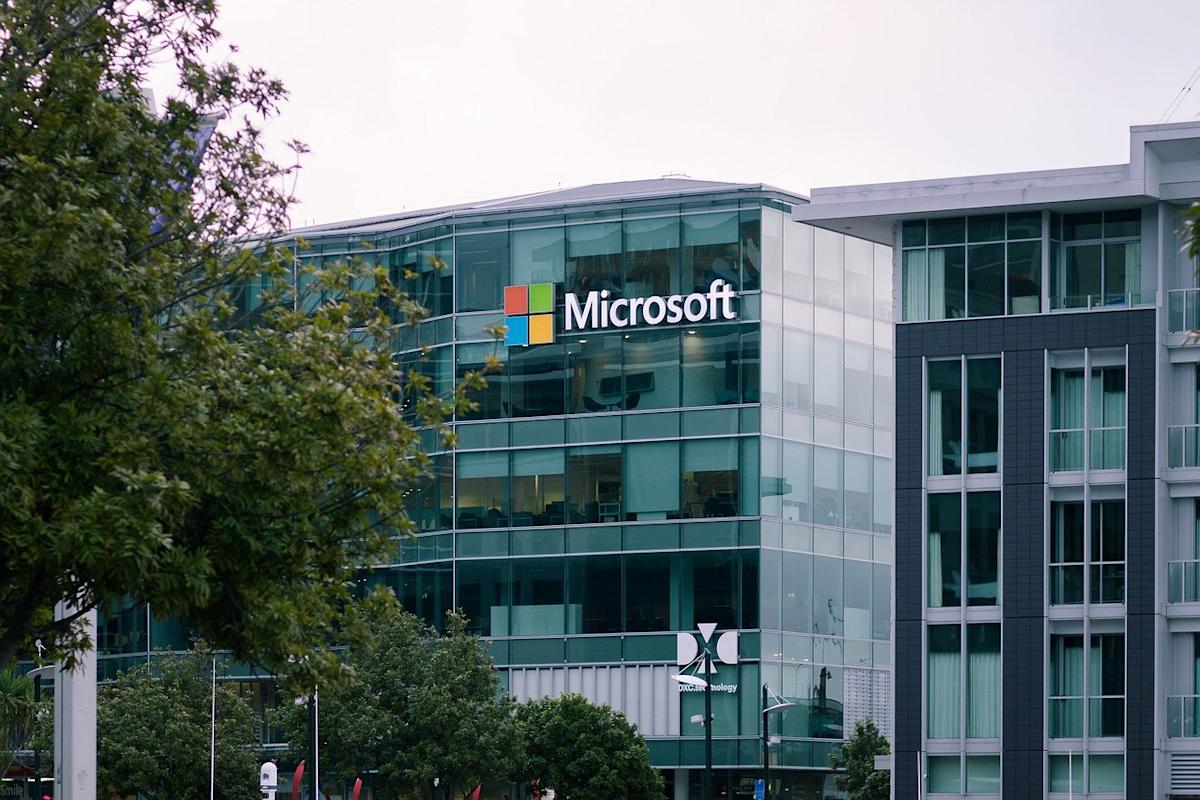
Microsoft Expands Data Center Investments in Europe Amid Growing Demand
- Investment Expansion: Microsoft announced significant investments in new data center regions across Austria, Belgium, Greece, Finland, and Denmark to address the growing demand for cloud and AI services, demonstrating the company's responsiveness to market needs.
- Customer Support: Azure Marketing VP Jessica Hawk stated that the expansion aims to help customers scale critical workloads while ensuring secure and resilient cloud and AI services, thereby enhancing customer trust and satisfaction.
- Analyst Ratings: According to 63 analyst ratings compiled by CNN, 95% rated Microsoft as a 'Buy', with an average price target of $550, representing a 33.70% upside from the current price of $411.38, reflecting optimistic market expectations for its future performance.
- Strategic Significance: Microsoft's investments extend beyond capacity expansion to include the provision of sovereign infrastructure that complies with local regulations, aiming to support innovation and enhance operational control, further solidifying its leadership position in the global cloud computing market.
See More

Analysis of High-Yield Dividend ETF Investment

- ETF Overview: The Fidelity High Dividend ETF (FDVV) holds 112 stocks with a dividend yield of 2.8% and a low expense ratio of 0.15%, making it appealing for investors seeking steady income despite its limited diversification.
- Sector Concentration Risk: With 26.7% of its holdings in information technology and the top four holdings being major tech companies like Nvidia and Apple, which together account for about 20.5%, investors face significant sector concentration risks.
- Performance Comparison: Since its launch in 2016, FDVV has delivered an average annual return of 13.3%, but it has underperformed the S&P 500 by 44%, indicating a lack of competitive edge in the market that may deter potential investors.
- Investment Recommendations: For those looking to avoid volatility in tech stocks, exploring other more diversified low-cost index funds or value-oriented high-dividend ETFs may be more suitable to mitigate risks associated with sector concentration.
See More

Fidelity High Dividend ETF Underperforms S&P 500
- Long-Term Underperformance: Since its launch in September 2016, the Fidelity High Dividend ETF has delivered an average annual return of 13.3%, significantly lagging behind the S&P 500's 44% higher return, indicating a lack of competitiveness in the market.
- Tech Stock Concentration Risk: The fund's top four holdings, Nvidia, Apple, Microsoft, and Broadcom, account for 20.5% of its portfolio, exposing it to substantial risks during tech stock volatility, which may not suit investors seeking diversification.
- Fees vs. Returns: With a dividend yield of 2.8% and an expense ratio of 0.15%, the fund's low fees have not translated into attractive returns, resulting in a poor ranking among dividend ETFs.
- Investment Recommendations: Given the fund's performance, investors may prefer Nasdaq-100 ETFs or other high-dividend stock ETFs for better returns and risk management, avoiding excessive concentration in the tech sector.
See More

Analysis of Rising Memory Prices Impact on Apple

- Rising Memory Prices: Samsung reported a 90% increase in memory prices in Q1 2026, putting pressure on major tech companies like Meta, Alphabet, and Microsoft, which will likely lead to significant drag on their profits over the coming years.
- Apple's Margin Performance: Apple achieved a record gross margin of 49.3% last quarter, and despite the challenges posed by rising memory prices, its hardware gross margin improved, indicating strong performance in the premium market segment.
- Diverse Response Strategies: Apple may mitigate the short-term impact of higher component costs by either absorbing these costs or entering long-term supply contracts with memory chip manufacturers, which could enhance supplier confidence and potentially lead to higher overall gross profits in the future.
- Market Share Potential: Despite the rising memory prices, Apple has the opportunity to expand its market share by not raising prices, particularly in the high-demand Mac computer market, which could give it a competitive edge and maintain profitability.
See More

Soaring Memory Chip Prices Impact Apple
- Surge in Memory Demand: The demand for memory chips has outpaced supply, leading to a 90% price increase in Q1 2026, which will significantly pressure Apple's cost of sales and impact its profitability.
- Apple's Margin Dynamics: Apple's overall gross margin reached a record 49.3% last quarter, driven by high-margin service sales, although hardware margins improved despite the challenges posed by rising memory prices.
- Management's Outlook: CEO Tim Cook indicated that gross margins are expected to decline over the next few quarters due to memory pricing pressures, with management forecasting margins between 47.5% and 48.5%, reflecting anticipated cost challenges.
- Diverse Response Strategies: Apple may mitigate the impact of rising memory prices through long-term supplier contracts or consider raising prices on high-end devices, thereby maintaining market share and ensuring profitability remains robust amidst competitive pressures.
See More
Microsoft Stock Rises 10.2% in April Amid Tech Rally
- Stock Performance: Microsoft saw a 10.2% increase in its stock price during April, coinciding with a strong market rally where the S&P 500 and Nasdaq rose by 10.4% and 15.3%, respectively, indicating a robust recovery in tech stocks.
- Earnings Highlights: For the third quarter of fiscal 2026, Microsoft reported adjusted earnings per share of $4.27 on sales of $82.89 billion, surpassing analyst expectations of $4.06 and $81.39 billion, with year-over-year sales growth of 18%, showcasing the company's strong profitability.
- Guidance Concerns: Despite the positive earnings and sales results, Microsoft's forward guidance for the upcoming quarter, projecting sales between $86.7 billion and $87.8 billion, fell short of the average analyst estimate of $87.53 billion, raising investor concerns and leading to a stock price decline post-report.
- Market Dynamics: In May, Microsoft stock has rebounded by approximately 2.1%, although it remains down 14% year-to-date in 2026; however, the company's strong position in the artificial intelligence sector continues to make it a worthwhile long-term investment despite potential competitive disruptions.
See More
Microsoft Expands Data Center Investments in Europe Amid Growing Demand
- Investment Expansion: Microsoft announced significant investments in new data center regions across Austria, Belgium, Greece, Finland, and Denmark to address the growing demand for cloud and AI services, demonstrating the company's responsiveness to market needs.
- Customer Support: Azure Marketing VP Jessica Hawk stated that the expansion aims to help customers scale critical workloads while ensuring secure and resilient cloud and AI services, thereby enhancing customer trust and satisfaction.
- Analyst Ratings: According to 63 analyst ratings compiled by CNN, 95% rated Microsoft as a 'Buy', with an average price target of $550, representing a 33.70% upside from the current price of $411.38, reflecting optimistic market expectations for its future performance.
- Strategic Significance: Microsoft's investments extend beyond capacity expansion to include the provision of sovereign infrastructure that complies with local regulations, aiming to support innovation and enhance operational control, further solidifying its leadership position in the global cloud computing market.
See More
Analysis of High-Yield Dividend ETF Investment
- ETF Overview: The Fidelity High Dividend ETF (FDVV) holds 112 stocks with a dividend yield of 2.8% and a low expense ratio of 0.15%, making it appealing for investors seeking steady income despite its limited diversification.
- Sector Concentration Risk: With 26.7% of its holdings in information technology and the top four holdings being major tech companies like Nvidia and Apple, which together account for about 20.5%, investors face significant sector concentration risks.
- Performance Comparison: Since its launch in 2016, FDVV has delivered an average annual return of 13.3%, but it has underperformed the S&P 500 by 44%, indicating a lack of competitive edge in the market that may deter potential investors.
- Investment Recommendations: For those looking to avoid volatility in tech stocks, exploring other more diversified low-cost index funds or value-oriented high-dividend ETFs may be more suitable to mitigate risks associated with sector concentration.
See More
Fidelity High Dividend ETF Underperforms S&P 500
- Long-Term Underperformance: Since its launch in September 2016, the Fidelity High Dividend ETF has delivered an average annual return of 13.3%, significantly lagging behind the S&P 500's 44% higher return, indicating a lack of competitiveness in the market.
- Tech Stock Concentration Risk: The fund's top four holdings, Nvidia, Apple, Microsoft, and Broadcom, account for 20.5% of its portfolio, exposing it to substantial risks during tech stock volatility, which may not suit investors seeking diversification.
- Fees vs. Returns: With a dividend yield of 2.8% and an expense ratio of 0.15%, the fund's low fees have not translated into attractive returns, resulting in a poor ranking among dividend ETFs.
- Investment Recommendations: Given the fund's performance, investors may prefer Nasdaq-100 ETFs or other high-dividend stock ETFs for better returns and risk management, avoiding excessive concentration in the tech sector.
See More
Analysis of Rising Memory Prices Impact on Apple
- Rising Memory Prices: Samsung reported a 90% increase in memory prices in Q1 2026, putting pressure on major tech companies like Meta, Alphabet, and Microsoft, which will likely lead to significant drag on their profits over the coming years.
- Apple's Margin Performance: Apple achieved a record gross margin of 49.3% last quarter, and despite the challenges posed by rising memory prices, its hardware gross margin improved, indicating strong performance in the premium market segment.
- Diverse Response Strategies: Apple may mitigate the short-term impact of higher component costs by either absorbing these costs or entering long-term supply contracts with memory chip manufacturers, which could enhance supplier confidence and potentially lead to higher overall gross profits in the future.
- Market Share Potential: Despite the rising memory prices, Apple has the opportunity to expand its market share by not raising prices, particularly in the high-demand Mac computer market, which could give it a competitive edge and maintain profitability.
See More
Soaring Memory Chip Prices Impact Apple
- Surge in Memory Demand: The demand for memory chips has outpaced supply, leading to a 90% price increase in Q1 2026, which will significantly pressure Apple's cost of sales and impact its profitability.
- Apple's Margin Dynamics: Apple's overall gross margin reached a record 49.3% last quarter, driven by high-margin service sales, although hardware margins improved despite the challenges posed by rising memory prices.
- Management's Outlook: CEO Tim Cook indicated that gross margins are expected to decline over the next few quarters due to memory pricing pressures, with management forecasting margins between 47.5% and 48.5%, reflecting anticipated cost challenges.
- Diverse Response Strategies: Apple may mitigate the impact of rising memory prices through long-term supplier contracts or consider raising prices on high-end devices, thereby maintaining market share and ensuring profitability remains robust amidst competitive pressures.
See More