TESLA STOCK FALLS 2% IN PREMARKET TRADING FOLLOWING Q1 RESULTS, COMPANY INCREASES 2026 SPENDING PLANS BY 25%
Written by Emily J. Thompson, Senior Investment Analyst
Updated: 4 days ago
0mins
Should l Buy TSLA?
Source: moomoo
- Tesla's Stock Movement: Tesla shares fell by 2% in pre-market trading following the release of its Q1 results.
- Colift's Spending Plans: Colift has outlined its spending plans for 2026, detailing expenditures on a quarterly basis.
Trade with 70% Backtested Accuracy
Stop guessing "Should I Buy TSLA?" and start using high-conviction signals backed by rigorous historical data.
Sign up today to access powerful investing tools and make smarter, data-driven decisions.
Analyst Views on TSLA
Wall Street analysts forecast TSLA stock price to rise
30 Analyst Rating
12 Buy
11 Hold
7 Sell
Hold
Current: 376.300

Low
25.28
Averages
401.93
High
600.00
Current: 376.300
Low
25.28
Averages
401.93
High
600.00
About TSLA
Tesla, Inc. designs, develops, manufactures, sells and leases high-performance fully electric vehicles and energy generation and storage systems, and offers services related to its products. Its segments include automotive, and energy generation and storage. The automotive segment includes the design, development, manufacturing, sales and leasing of high-performance fully electric vehicles, and sales of automotive regulatory credits. It also includes sales of used vehicles, non-warranty maintenance services and collisions, part sales, paid supercharging, insurance services revenue and retail merchandise sales. The energy generation and storage segment include the design, manufacture, installation, sales and leasing of solar energy generation and energy storage products and related services and sales of solar energy systems incentives. Its consumer vehicles include the Model 3, Y, S, X and Cybertruck. Its lithium-ion battery energy storage products include Powerwall and Megapack.
About the author

Emily J. Thompson
Emily J. Thompson, a Chartered Financial Analyst (CFA) with 12 years in investment research, graduated with honors from the Wharton School. Specializing in industrial and technology stocks, she provides in-depth analysis for Intellectia’s earnings and market brief reports.

Tesla Surpasses Expectations with Earnings and Robotaxi Launch

- Earnings Beat: Tesla's Q1 revenue rose 16% year-over-year to $22.4 billion, exceeding analyst expectations, while its EPS also outperformed forecasts, and the $1.4 billion in free cash flow highlighted a significant improvement in financial health.
- Robotaxi Expansion: The launch of driverless Robotaxi services in Dallas and Houston marks Tesla's third city for this initiative, following Austin, representing a crucial step towards achieving nationwide Robotaxi operations, despite ongoing regulatory hurdles.
- Strategic Shift: Tesla is pivoting towards higher-margin businesses such as Robotaxis, humanoid robots, and AI, which could drive future profitability, even as its traditional car sales face challenges like declining market share and rising inventory levels.
- Market Challenges and Opportunities: While Tesla has made progress in Robotaxi deployment, it continues to face stiff competition from rivals like BYD and Volkswagen in the EV market, necessitating investor vigilance regarding its long-term growth potential amid stock volatility.
See More
Tesla Earnings Report Sparks Diverging Opinions
- EV Sales Surge: Tesla reported over 150% quarter-over-quarter growth in EV deliveries in EMEA, particularly in France and Germany, despite overall delivery figures missing Wall Street estimates, indicating a resurgence in demand and maintaining the company's competitive edge in the EV market.
- FSD Subscription Growth: The company's Full Self-Driving (FSD) subscriptions saw a 16.4% sequential increase and a 51% year-over-year rise, with declining churn rates as more drivers recognize the benefits of autonomy, further solidifying Tesla's position in the smart driving sector.
- Robotaxi Rollout Delays: Although CEO Elon Musk promised that robotaxis would be available to half of the U.S. population by 2025, only 13 unsupervised robotaxis are currently operational in Austin, reflecting a more cautious rollout strategy, with broader deployment expected in 2026.
- Increased Capital Expenditures: Tesla anticipates capital expenditures to reach at least $25 billion by 2026, primarily for hardware upgrades and the Terafab project, indicating financial pressure on the rapid deployment of robotaxis, which may lead to short-term stock price volatility.
See More
Musk vs. Altman Legal Battle Begins in Court
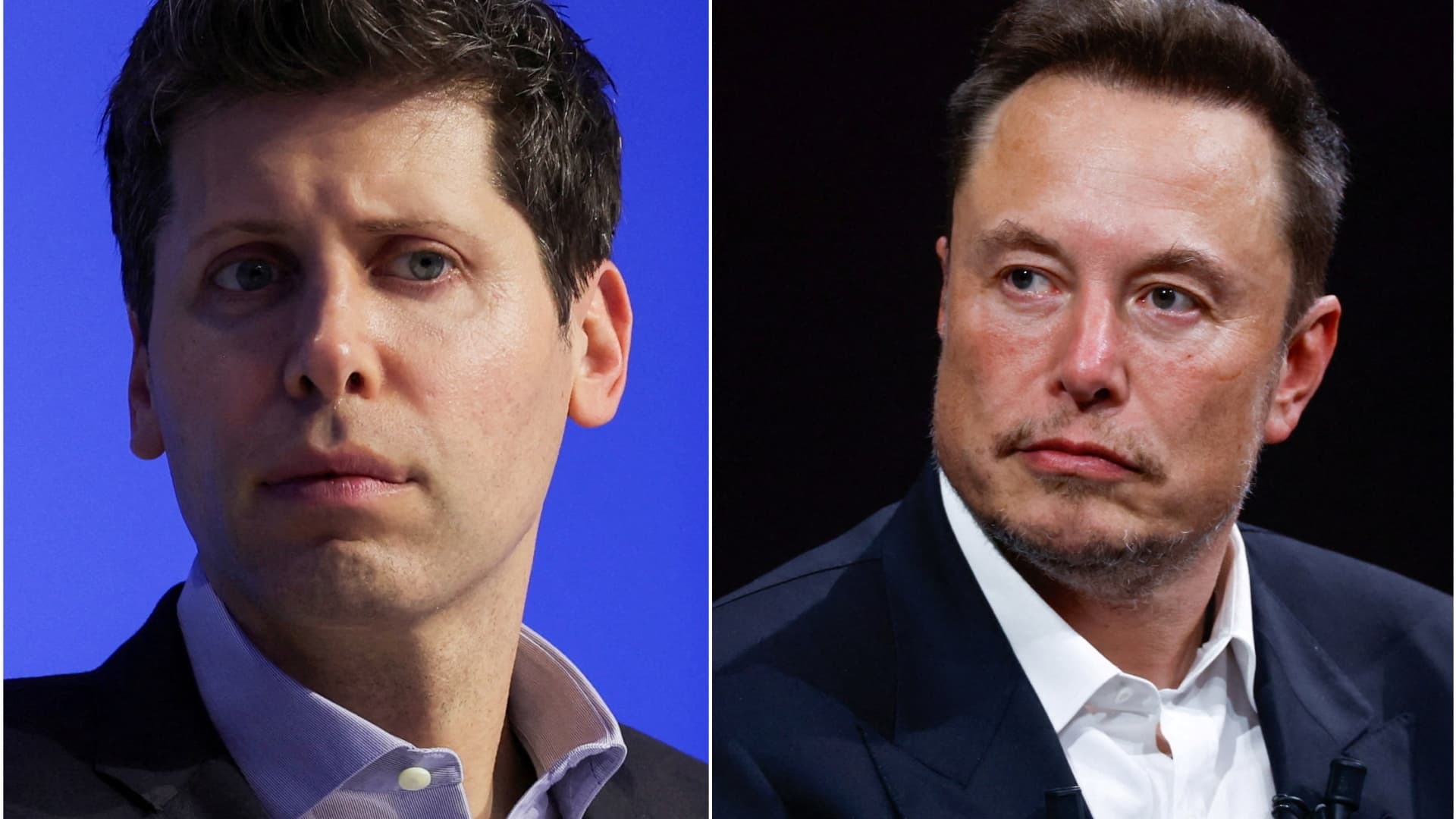
- Trial Commencement: The legal battle between Musk and Altman has officially begun in a federal court in Oakland, California, overseen by Judge Yvonne Gonzalez Rogers, with proceedings expected to last until mid-May, and the final decision will be made by the judge, potentially impacting OpenAI's future structure.
- Lawsuit Background: Musk filed a lawsuit in 2024 against OpenAI and its executives, alleging they failed to uphold commitments, seeking up to $134 billion in 'wrongful gains' while attempting to unwind OpenAI's nonprofit structure, indicating his deep dissatisfaction with the company's governance.
- Case Streamlining: Ahead of the trial, Musk's lawyers dropped several claims to streamline the case, leaving only unjust enrichment and breach of charitable trust, reflecting the complexity and contentious nature of the litigation.
- Market Implications: The trial coincides with Musk's plans to take SpaceX public, likely resulting in a record IPO, while OpenAI is also preparing for its own public offering, with the combined valuation of both companies exceeding $2 trillion, which could have far-reaching effects on the tech industry.
See More

Market Volatility Amid Rising Oil Prices


- Oil Price Impact: The S&P 500 and Nasdaq 100 indices are under pressure today, with the former unchanged and the latter down 0.10%, as WTI crude oil prices surged over 2%, indicating market sensitivity to rising energy costs.
- Mixed Tech Stock Performance: Qualcomm's stock rose more than 3% due to reports of collaboration with OpenAI and MediaTek on smartphone processors, while Microsoft fell after announcing it would cease revenue payments to OpenAI, highlighting intensifying competition within the tech sector.
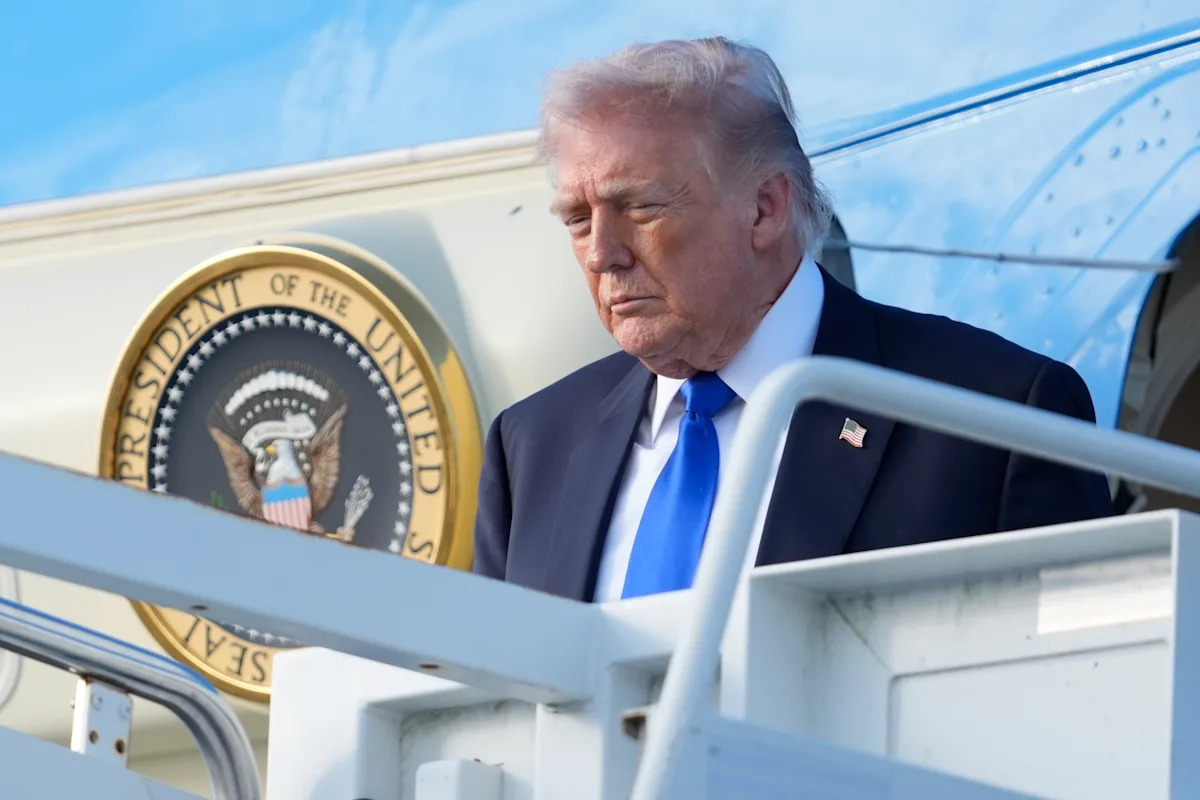
- Geopolitical Tensions: President Trump's cancellation of negotiations with Iran has led to a spike in oil prices, exacerbating the global energy crisis and raising concerns about the ongoing struggle for control over the Strait of Hormuz, which could impact future oil prices and supply chain stability.
- Economic Data and Expectations: The German consumer confidence index fell to a 3.25-year low, indicating economic weakness, while markets expect the Federal Reserve to keep interest rates unchanged this week, reflecting a cautious stance amid inflation and oil price fluctuations.
See More
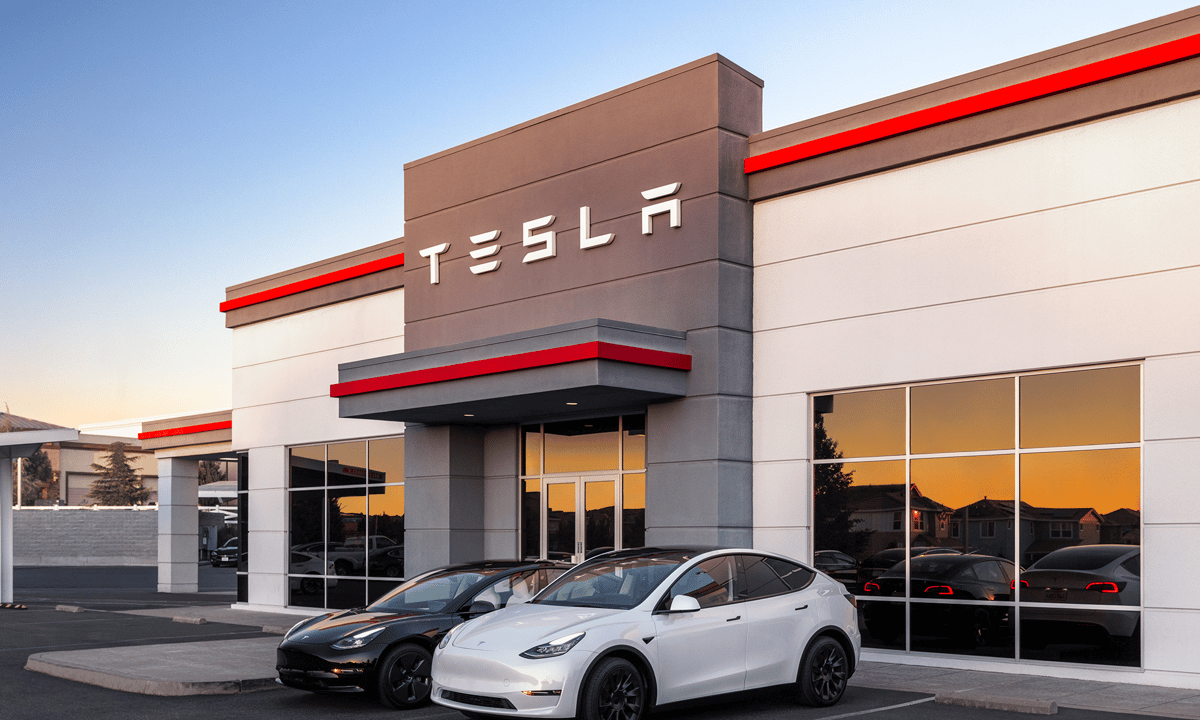
Tesla's New Product Strategy Amid Market Challenges
- New Product Progress: Tesla's Cybercab robotaxi has officially entered production, with expectations for exponential ramp-up by the end of 2026, potentially unlocking a high-margin revenue stream, although current regulatory approval limits its operational capacity to Texas.
- Optimus Robot Outlook: Musk anticipates that the Optimus robot will have versatile applications in both households and businesses, with production volumes expected to increase significantly in 2027, indicating Tesla's long-term strategic positioning in the robotics market.
- Declining EV Sales: Tesla delivered 1.79 million EVs in 2024, reflecting a 1% decline, followed by a 9% drop in 2025, resulting in sharp revenue and earnings declines, highlighting the pressures faced in a competitive landscape.
- Valuation Risk: With a current P/E ratio of 341, significantly higher than the Nasdaq-100, Tesla's stock may face further downside despite positive product developments, particularly as over 70% of its revenue still comes from the struggling EV business.
See More

Tesla's Transformation Challenges and Opportunities
- Sales Decline: Tesla delivered 1.79 million EVs in 2024, a 1% drop year-over-year, followed by a 9% decline to 1.63 million in 2025, leading to significant revenue and earnings declines, highlighting the pressure faced in a competitive market.
- New Product Strategy: CEO Elon Musk is pivoting towards the Cybercab autonomous robotaxi and the Optimus humanoid robot, which present substantial potential; however, these products may not offset declining traditional EV sales in the short term, particularly with limited revenue expected until 2027.
- Intensifying Market Competition: BYD outsold Tesla globally for the first time, particularly in Australia where the sales ratio was 10-to-1 in January, indicating Tesla's competitive disadvantage in the low-cost EV market and prompting a reevaluation of its product strategy.
- Valuation Risks: Tesla's current P/E ratio stands at 341, significantly higher than the Nasdaq-100's 34, suggesting that despite positive developments in new products, high valuation may lead investors to adopt a cautious stance, especially as the EV business still accounts for over 70% of total revenue.
See More
Tesla Surpasses Expectations with Earnings and Robotaxi Launch
- Earnings Beat: Tesla's Q1 revenue rose 16% year-over-year to $22.4 billion, exceeding analyst expectations, while its EPS also outperformed forecasts, and the $1.4 billion in free cash flow highlighted a significant improvement in financial health.
- Robotaxi Expansion: The launch of driverless Robotaxi services in Dallas and Houston marks Tesla's third city for this initiative, following Austin, representing a crucial step towards achieving nationwide Robotaxi operations, despite ongoing regulatory hurdles.
- Strategic Shift: Tesla is pivoting towards higher-margin businesses such as Robotaxis, humanoid robots, and AI, which could drive future profitability, even as its traditional car sales face challenges like declining market share and rising inventory levels.
- Market Challenges and Opportunities: While Tesla has made progress in Robotaxi deployment, it continues to face stiff competition from rivals like BYD and Volkswagen in the EV market, necessitating investor vigilance regarding its long-term growth potential amid stock volatility.
See More
Tesla Earnings Report Sparks Diverging Opinions
- EV Sales Surge: Tesla reported over 150% quarter-over-quarter growth in EV deliveries in EMEA, particularly in France and Germany, despite overall delivery figures missing Wall Street estimates, indicating a resurgence in demand and maintaining the company's competitive edge in the EV market.
- FSD Subscription Growth: The company's Full Self-Driving (FSD) subscriptions saw a 16.4% sequential increase and a 51% year-over-year rise, with declining churn rates as more drivers recognize the benefits of autonomy, further solidifying Tesla's position in the smart driving sector.
- Robotaxi Rollout Delays: Although CEO Elon Musk promised that robotaxis would be available to half of the U.S. population by 2025, only 13 unsupervised robotaxis are currently operational in Austin, reflecting a more cautious rollout strategy, with broader deployment expected in 2026.
- Increased Capital Expenditures: Tesla anticipates capital expenditures to reach at least $25 billion by 2026, primarily for hardware upgrades and the Terafab project, indicating financial pressure on the rapid deployment of robotaxis, which may lead to short-term stock price volatility.
See More
Musk vs. Altman Legal Battle Begins in Court
- Trial Commencement: The legal battle between Musk and Altman has officially begun in a federal court in Oakland, California, overseen by Judge Yvonne Gonzalez Rogers, with proceedings expected to last until mid-May, and the final decision will be made by the judge, potentially impacting OpenAI's future structure.
- Lawsuit Background: Musk filed a lawsuit in 2024 against OpenAI and its executives, alleging they failed to uphold commitments, seeking up to $134 billion in 'wrongful gains' while attempting to unwind OpenAI's nonprofit structure, indicating his deep dissatisfaction with the company's governance.
- Case Streamlining: Ahead of the trial, Musk's lawyers dropped several claims to streamline the case, leaving only unjust enrichment and breach of charitable trust, reflecting the complexity and contentious nature of the litigation.
- Market Implications: The trial coincides with Musk's plans to take SpaceX public, likely resulting in a record IPO, while OpenAI is also preparing for its own public offering, with the combined valuation of both companies exceeding $2 trillion, which could have far-reaching effects on the tech industry.
See More
Market Volatility Amid Rising Oil Prices
- Oil Price Impact: The S&P 500 and Nasdaq 100 indices are under pressure today, with the former unchanged and the latter down 0.10%, as WTI crude oil prices surged over 2%, indicating market sensitivity to rising energy costs.
- Mixed Tech Stock Performance: Qualcomm's stock rose more than 3% due to reports of collaboration with OpenAI and MediaTek on smartphone processors, while Microsoft fell after announcing it would cease revenue payments to OpenAI, highlighting intensifying competition within the tech sector.
- Geopolitical Tensions: President Trump's cancellation of negotiations with Iran has led to a spike in oil prices, exacerbating the global energy crisis and raising concerns about the ongoing struggle for control over the Strait of Hormuz, which could impact future oil prices and supply chain stability.
- Economic Data and Expectations: The German consumer confidence index fell to a 3.25-year low, indicating economic weakness, while markets expect the Federal Reserve to keep interest rates unchanged this week, reflecting a cautious stance amid inflation and oil price fluctuations.
See More
Tesla's New Product Strategy Amid Market Challenges
- New Product Progress: Tesla's Cybercab robotaxi has officially entered production, with expectations for exponential ramp-up by the end of 2026, potentially unlocking a high-margin revenue stream, although current regulatory approval limits its operational capacity to Texas.
- Optimus Robot Outlook: Musk anticipates that the Optimus robot will have versatile applications in both households and businesses, with production volumes expected to increase significantly in 2027, indicating Tesla's long-term strategic positioning in the robotics market.
- Declining EV Sales: Tesla delivered 1.79 million EVs in 2024, reflecting a 1% decline, followed by a 9% drop in 2025, resulting in sharp revenue and earnings declines, highlighting the pressures faced in a competitive landscape.
- Valuation Risk: With a current P/E ratio of 341, significantly higher than the Nasdaq-100, Tesla's stock may face further downside despite positive product developments, particularly as over 70% of its revenue still comes from the struggling EV business.
See More
Tesla's Transformation Challenges and Opportunities
- Sales Decline: Tesla delivered 1.79 million EVs in 2024, a 1% drop year-over-year, followed by a 9% decline to 1.63 million in 2025, leading to significant revenue and earnings declines, highlighting the pressure faced in a competitive market.
- New Product Strategy: CEO Elon Musk is pivoting towards the Cybercab autonomous robotaxi and the Optimus humanoid robot, which present substantial potential; however, these products may not offset declining traditional EV sales in the short term, particularly with limited revenue expected until 2027.
- Intensifying Market Competition: BYD outsold Tesla globally for the first time, particularly in Australia where the sales ratio was 10-to-1 in January, indicating Tesla's competitive disadvantage in the low-cost EV market and prompting a reevaluation of its product strategy.
- Valuation Risks: Tesla's current P/E ratio stands at 341, significantly higher than the Nasdaq-100's 34, suggesting that despite positive developments in new products, high valuation may lead investors to adopt a cautious stance, especially as the EV business still accounts for over 70% of total revenue.
See More