Tesla Seeks Semiconductor Engineers in Taiwan for Terafab Project
Written by Emily J. Thompson, Senior Investment Analyst
Updated: Apr 17 2026
0mins
Source: Newsfilter
- Talent Acquisition Initiative: Tesla has posted nine semiconductor engineering positions in Taiwan, seeking candidates with over five years of advanced chipmaking experience to support the construction of its Terafab AI chip factory, highlighting the company's urgent need for high-tech talent.
- Integrated Technology Advantage: The Terafab project is described as a “vertically integrated semiconductor factory” that combines logic, memory, packaging, testing, and lithography mask production under one roof, aiming to enhance production efficiency and reduce costs, thereby strengthening Tesla's competitiveness in the AI sector.
- Leading-Edge Technology: The job postings require candidates to be familiar with advanced chip manufacturing processes below 7 nanometers and reference 2-nanometer-class technologies, indicating Tesla's intention to leverage Taiwan's expertise in the semiconductor industry to drive its technological advancements.
- Market Demand Driven: As demand for AI surges, Tesla's hiring initiative reflects the urgent need for advanced chipmaking capacity, particularly against the backdrop of constraints at TSMC, with the Terafab project aimed at enhancing its market position.
Trade with 70% Backtested Accuracy
Stop guessing "Should I Buy TSLA?" and start using high-conviction signals backed by rigorous historical data.
Sign up today to access powerful investing tools and make smarter, data-driven decisions.
Analyst Views on TSLA
Wall Street analysts forecast TSLA stock price to rise
30 Analyst Rating
12 Buy
11 Hold
7 Sell
Hold
Current: 375.120

Low
25.28
Averages
401.93
High
600.00
Current: 375.120
Low
25.28
Averages
401.93
High
600.00
About TSLA
Tesla, Inc. designs, develops, manufactures, sells and leases high-performance fully electric vehicles and energy generation and storage systems, and offers services related to its products. Its segments include automotive, and energy generation and storage. The automotive segment includes the design, development, manufacturing, sales and leasing of high-performance fully electric vehicles, and sales of automotive regulatory credits. It also includes sales of used vehicles, non-warranty maintenance services and collisions, part sales, paid supercharging, insurance services revenue and retail merchandise sales. The energy generation and storage segment include the design, manufacture, installation, sales and leasing of solar energy generation and energy storage products and related services and sales of solar energy systems incentives. Its consumer vehicles include the Model 3, Y, S, X and Cybertruck. Its lithium-ion battery energy storage products include Powerwall and Megapack.
About the author

Emily J. Thompson
Emily J. Thompson, a Chartered Financial Analyst (CFA) with 12 years in investment research, graduated with honors from the Wharton School. Specializing in industrial and technology stocks, she provides in-depth analysis for Intellectia’s earnings and market brief reports.

Analysis of Tesla's Stock Split Prospects

- Stock Split History: Tesla executed a 5-for-1 split in 2020 and a 3-for-1 split in 2022, with the former announced at nearly $1,400 and the latter at about $900, indicating a tendency to split when stock prices are high to attract retail investors.
- Current Stock Price Status: As of June 24, Tesla's stock trades around $375, significantly lower than pre-split prices, suggesting that a split in 2026 is highly unlikely, as historical data indicates shares would need to nearly triple for such an action to be considered.
- Investor Psychology Impact: While stock splits do not inherently increase company value, they can attract more retail investors by lowering the share price; research shows that companies that split their stocks have averaged over 25% returns in the 12 months following the announcement, reflecting positive market sentiment towards splits.
- Future Investment Focus: Although splits may attract investors, Tesla's advancements in robotics, autonomous vehicles, robotaxis, and energy storage will be more critical for long-term investment returns, and investors should prioritize these core business developments.
See More
Auto Industry Faces Demographic Cliff


- Market Contraction Warning: Bain & Company forecasts a decline of over 2 million vehicles sold in the U.S. by 2040, driven by falling birth rates and high car prices, indicating that automakers will face fierce competition in a shrinking market.
- Changing Driving Habits Among Youth: Data shows that only 50% of 16-year-olds in the U.S. will have a driver's license by 2025, a significant drop from nearly 70% between 1966 and 1984, reflecting a weakening demand for cars among younger generations, which could impact future vehicle registrations.
- High Prices Affecting Purchasing Power: New vehicle monthly payments have risen by 30% over four years, with nearly one in five new vehicles costing over $1,000 a month, leading younger consumers to prefer ride-sharing services like Uber and Lyft, further compressing the potential customer base for new cars.
- Intensifying Competition and Market Consolidation: As competition intensifies, the U.S. auto market is expected to face consolidation pressures, particularly among the 450 brands, as manufacturers must devise new strategies to cope with diverse consumer choices and market contraction.
See More

Micron Technology's Growth Outlook in Robotics Market

- Strong Performance: Micron Technology's third-quarter earnings report showcased impressive revenue and profit growth, leading to a significant stock price increase post-announcement, reflecting investor confidence in the company's future prospects.
- Robotics Market Opportunity: CEO Sanjay Mehrotra highlighted that robotics and humanoid robots will drive robust demand for memory and storage over the next decade, with this demand cycle expected to begin in the latter part of this decade, potentially providing Micron with long-term growth momentum.
- Surge in Memory Demand: Humanoid robots require ten times the memory of an average L2+ vehicle, and with global robot numbers projected to reach 300 million by 2040, the demand for memory chips is set to increase significantly, potentially altering Micron's market position.
- Goodbye to Cyclicality: Despite Micron's low valuation, which suggests cyclical risks, the emergence of the humanoid robotics market could change this narrative, allowing the company to achieve sustained growth in the future, with stock prices likely to rise further.
See More
Micron CEO Signals Major Opportunity in Humanoid Robotics Market
- Humanoid Robotics Outlook: Micron's CEO indicates that humanoid robots will create a 'sustained, substantial, multi-decade' market opportunity, with projections of 300 million humanoid robots by 2040 and 3 billion by 2060, highlighting significant long-term demand potential.
- Surge in Memory Demand: The CEO noted that humanoid robots require ten times the memory of L2+ vehicles, with this demand cycle expected to begin in the latter part of this decade, potentially altering Micron's market dynamics and helping the company move beyond past cyclicality.
- Changing Competitive Landscape: Despite Micron's impressive performance over the past 18 months, its shares trade at only nine times forward earnings, reflecting market caution regarding future growth; however, the rise of the humanoid robotics market could shift investor perceptions and enhance the company's valuation.
- Innovation and Investment Opportunities: Micron's growth potential extends beyond AI data centers, as the CEO's remarks suggest robust future demand for memory and storage, prompting investors to consider opportunities in this emerging market, especially as the current AI boom may moderate.
See More

Tesla Completes Blueprint for AI5 Chip

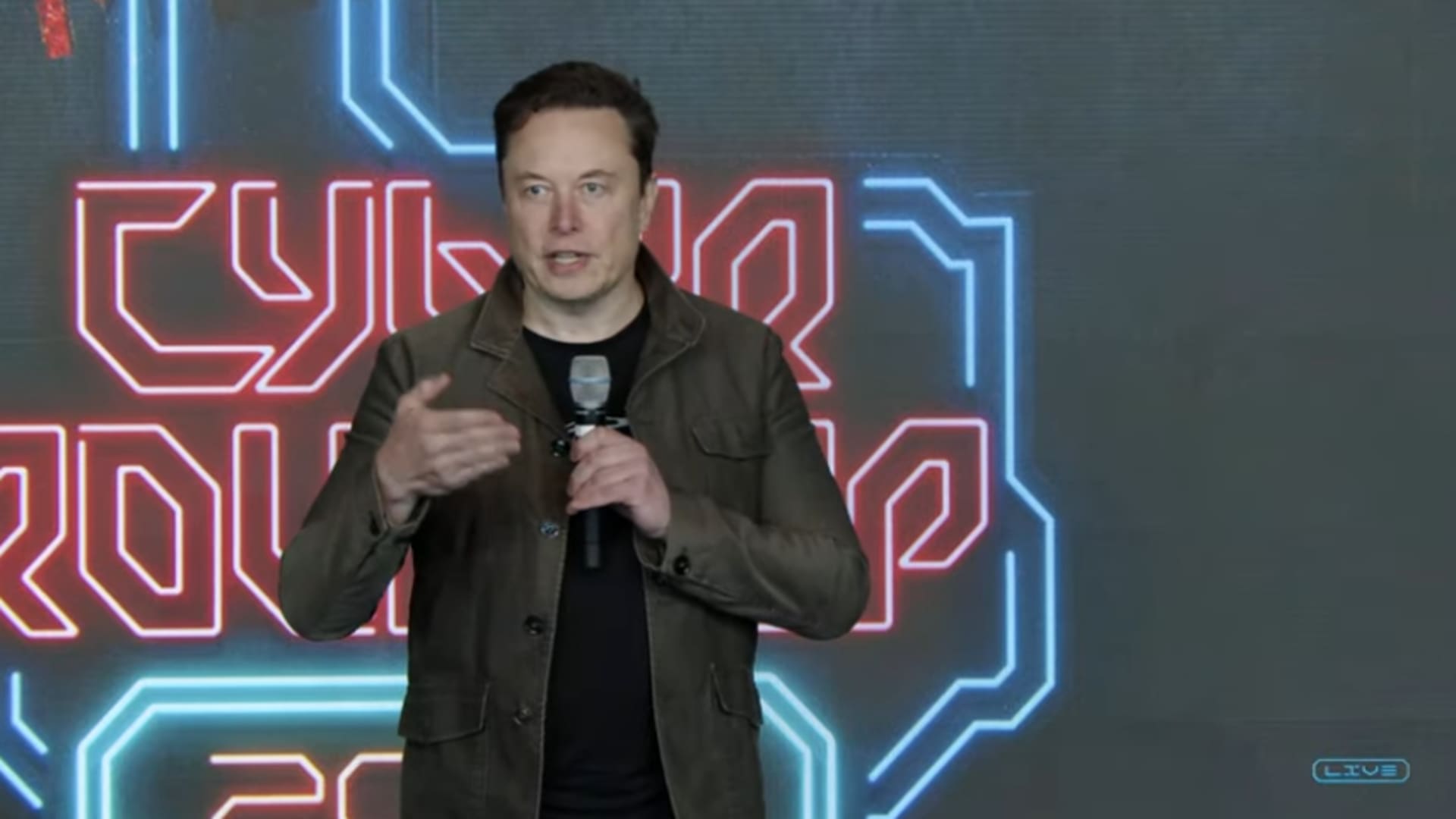
- AI5 Chip Design Completed: Tesla has finalized the design of its AI5 chip, which has been sent to Samsung and Taiwan Semiconductor for manufacturing, with production expected to ramp up over the next 12 to 18 months, providing robust support for its humanoid robots and autonomous driving network.
- Significant Performance Boost: The new AI5 chip boasts a 40x performance increase over its predecessor, aimed at reducing manufacturing costs and enhancing Tesla's competitiveness in the robotics and autonomous driving sectors, thereby solidifying its market position.
- Vertical Integration Strategy: Tesla plans to build its own semiconductor manufacturing facility, Terrafab, in Texas to achieve greater vertical integration, which is expected to reduce reliance on external suppliers and provide cost advantages in future robot manufacturing.
- High Market Valuation: Despite the appealing vision, Tesla's current market cap stands at $1.4 trillion with a P/E ratio of 348, indicating that market expectations for future growth are already priced in, prompting investors to carefully assess risks.
See More
Tesla Expands into AI with New Chip Development
- Chip Design Breakthrough: Tesla has completed the tape-out of its AI5 computer chip, which is expected to enter production within the next 12 to 18 months, supporting new projects like the Optimus humanoid robot, showcasing the company's ambitions in the AI sector.
- Significant Performance Boost: The new chip boasts a 40x performance increase over its predecessor, aimed at facilitating Tesla's expansion into robotics and autonomous driving, which is expected to provide a cost advantage and enhance market competitiveness.
- Vertical Integration Strategy: Tesla plans to build its own semiconductor manufacturing facility, named Terrafab, in Texas, aiming to further integrate its robotics and AI production chain and reduce reliance on external suppliers.
- Complex Market Outlook: Despite Tesla's market cap reaching $1.4 trillion and a P/E ratio of 348, realizing Musk's vision faces multiple challenges, prompting investors to carefully assess the current stock price's validity.
See More
Analysis of Tesla's Stock Split Prospects
- Stock Split History: Tesla executed a 5-for-1 split in 2020 and a 3-for-1 split in 2022, with the former announced at nearly $1,400 and the latter at about $900, indicating a tendency to split when stock prices are high to attract retail investors.
- Current Stock Price Status: As of June 24, Tesla's stock trades around $375, significantly lower than pre-split prices, suggesting that a split in 2026 is highly unlikely, as historical data indicates shares would need to nearly triple for such an action to be considered.
- Investor Psychology Impact: While stock splits do not inherently increase company value, they can attract more retail investors by lowering the share price; research shows that companies that split their stocks have averaged over 25% returns in the 12 months following the announcement, reflecting positive market sentiment towards splits.
- Future Investment Focus: Although splits may attract investors, Tesla's advancements in robotics, autonomous vehicles, robotaxis, and energy storage will be more critical for long-term investment returns, and investors should prioritize these core business developments.
See More
Auto Industry Faces Demographic Cliff
- Market Contraction Warning: Bain & Company forecasts a decline of over 2 million vehicles sold in the U.S. by 2040, driven by falling birth rates and high car prices, indicating that automakers will face fierce competition in a shrinking market.
- Changing Driving Habits Among Youth: Data shows that only 50% of 16-year-olds in the U.S. will have a driver's license by 2025, a significant drop from nearly 70% between 1966 and 1984, reflecting a weakening demand for cars among younger generations, which could impact future vehicle registrations.
- High Prices Affecting Purchasing Power: New vehicle monthly payments have risen by 30% over four years, with nearly one in five new vehicles costing over $1,000 a month, leading younger consumers to prefer ride-sharing services like Uber and Lyft, further compressing the potential customer base for new cars.
- Intensifying Competition and Market Consolidation: As competition intensifies, the U.S. auto market is expected to face consolidation pressures, particularly among the 450 brands, as manufacturers must devise new strategies to cope with diverse consumer choices and market contraction.
See More
Micron Technology's Growth Outlook in Robotics Market
- Strong Performance: Micron Technology's third-quarter earnings report showcased impressive revenue and profit growth, leading to a significant stock price increase post-announcement, reflecting investor confidence in the company's future prospects.
- Robotics Market Opportunity: CEO Sanjay Mehrotra highlighted that robotics and humanoid robots will drive robust demand for memory and storage over the next decade, with this demand cycle expected to begin in the latter part of this decade, potentially providing Micron with long-term growth momentum.
- Surge in Memory Demand: Humanoid robots require ten times the memory of an average L2+ vehicle, and with global robot numbers projected to reach 300 million by 2040, the demand for memory chips is set to increase significantly, potentially altering Micron's market position.
- Goodbye to Cyclicality: Despite Micron's low valuation, which suggests cyclical risks, the emergence of the humanoid robotics market could change this narrative, allowing the company to achieve sustained growth in the future, with stock prices likely to rise further.
See More
Micron CEO Signals Major Opportunity in Humanoid Robotics Market
- Humanoid Robotics Outlook: Micron's CEO indicates that humanoid robots will create a 'sustained, substantial, multi-decade' market opportunity, with projections of 300 million humanoid robots by 2040 and 3 billion by 2060, highlighting significant long-term demand potential.
- Surge in Memory Demand: The CEO noted that humanoid robots require ten times the memory of L2+ vehicles, with this demand cycle expected to begin in the latter part of this decade, potentially altering Micron's market dynamics and helping the company move beyond past cyclicality.
- Changing Competitive Landscape: Despite Micron's impressive performance over the past 18 months, its shares trade at only nine times forward earnings, reflecting market caution regarding future growth; however, the rise of the humanoid robotics market could shift investor perceptions and enhance the company's valuation.
- Innovation and Investment Opportunities: Micron's growth potential extends beyond AI data centers, as the CEO's remarks suggest robust future demand for memory and storage, prompting investors to consider opportunities in this emerging market, especially as the current AI boom may moderate.
See More
Tesla Completes Blueprint for AI5 Chip
- AI5 Chip Design Completed: Tesla has finalized the design of its AI5 chip, which has been sent to Samsung and Taiwan Semiconductor for manufacturing, with production expected to ramp up over the next 12 to 18 months, providing robust support for its humanoid robots and autonomous driving network.
- Significant Performance Boost: The new AI5 chip boasts a 40x performance increase over its predecessor, aimed at reducing manufacturing costs and enhancing Tesla's competitiveness in the robotics and autonomous driving sectors, thereby solidifying its market position.
- Vertical Integration Strategy: Tesla plans to build its own semiconductor manufacturing facility, Terrafab, in Texas to achieve greater vertical integration, which is expected to reduce reliance on external suppliers and provide cost advantages in future robot manufacturing.
- High Market Valuation: Despite the appealing vision, Tesla's current market cap stands at $1.4 trillion with a P/E ratio of 348, indicating that market expectations for future growth are already priced in, prompting investors to carefully assess risks.
See More
Tesla Expands into AI with New Chip Development
- Chip Design Breakthrough: Tesla has completed the tape-out of its AI5 computer chip, which is expected to enter production within the next 12 to 18 months, supporting new projects like the Optimus humanoid robot, showcasing the company's ambitions in the AI sector.
- Significant Performance Boost: The new chip boasts a 40x performance increase over its predecessor, aimed at facilitating Tesla's expansion into robotics and autonomous driving, which is expected to provide a cost advantage and enhance market competitiveness.
- Vertical Integration Strategy: Tesla plans to build its own semiconductor manufacturing facility, named Terrafab, in Texas, aiming to further integrate its robotics and AI production chain and reduce reliance on external suppliers.
- Complex Market Outlook: Despite Tesla's market cap reaching $1.4 trillion and a P/E ratio of 348, realizing Musk's vision faces multiple challenges, prompting investors to carefully assess the current stock price's validity.
See More