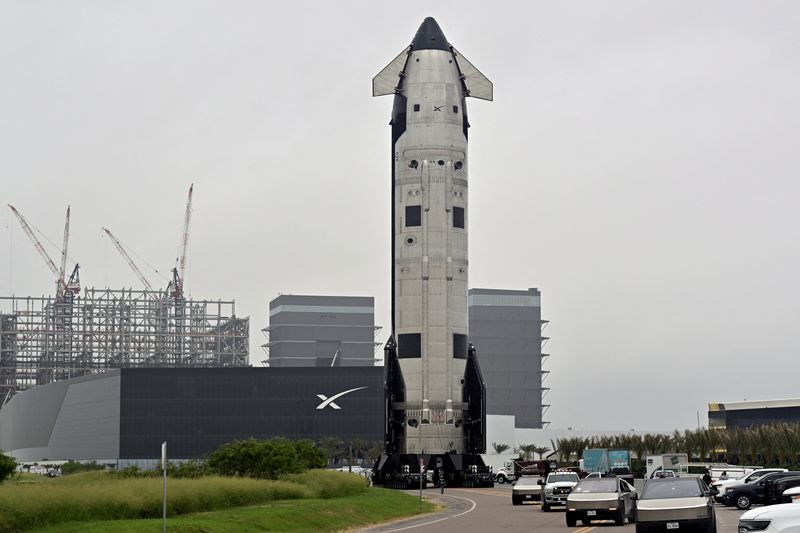
Tesla Q1 2026 Deliveries Fall Short of Expectations
Written by Emily J. Thompson, Senior Investment Analyst
Updated: Apr 10 2026
0mins

Source: NASDAQ.COM
- Disappointing Deliveries: Tesla reported Q1 2026 deliveries of 358,023 EVs, falling short of the 370,000 expected by Wall Street, and although this represents a 6% increase from Q1 2025, it highlights ongoing market weakness.
- Inventory Pressure: The company produced 408,300 vehicles in the quarter, resulting in a record backlog of unsold EVs, which is likely to further strain free cash flow, with analysts projecting a negative cash flow exceeding $6 billion this year.
- Increased Capital Expenditure: Tesla raised its capital expenditure guidance to $20 billion for 2026, significantly up from $8.5 billion in 2025, with funds primarily directed towards AI and humanoid robot initiatives, indicating a shift in focus but also increasing financial strain.
- Intensifying Market Competition: The EV sector is facing heightened competition and challenges, including the elimination of a $7,500 federal tax credit under the Trump administration, leading analysts to suggest that Tesla is sacrificing its core EV business to prioritize a fully autonomous future.
Trade with 70% Backtested Accuracy
Stop guessing "Should I Buy TSLA?" and start using high-conviction signals backed by rigorous historical data.
Sign up today to access powerful investing tools and make smarter, data-driven decisions.
Analyst Views on TSLA
Wall Street analysts forecast TSLA stock price to fall
30 Analyst Rating
12 Buy
11 Hold
7 Sell
Hold
Current: 417.850

Low
25.28
Averages
401.93
High
600.00
Current: 417.850
Low
25.28
Averages
401.93
High
600.00
About TSLA
Tesla, Inc. designs, develops, manufactures, sells and leases high-performance fully electric vehicles and energy generation and storage systems, and offers services related to its products. Its segments include automotive, and energy generation and storage. The automotive segment includes the design, development, manufacturing, sales and leasing of high-performance fully electric vehicles, and sales of automotive regulatory credits. It also includes sales of used vehicles, non-warranty maintenance services and collisions, part sales, paid supercharging, insurance services revenue and retail merchandise sales. The energy generation and storage segment include the design, manufacture, installation, sales and leasing of solar energy generation and energy storage products and related services and sales of solar energy systems incentives. Its consumer vehicles include the Model 3, Y, S, X and Cybertruck. Its lithium-ion battery energy storage products include Powerwall and Megapack.
About the author

Emily J. Thompson
Emily J. Thompson, a Chartered Financial Analyst (CFA) with 12 years in investment research, graduated with honors from the Wharton School. Specializing in industrial and technology stocks, she provides in-depth analysis for Intellectia’s earnings and market brief reports.
ELEKTROS Focuses on Lithium Resources and EV Charging Technology

- Strategic Importance of Lithium: ELEKTROS is focusing on hard rock lithium exploration and development in Sierra Leone, positioning itself within a critical supply chain for electric vehicles, renewable energy storage, and industrial electrification, which is expected to significantly enhance the company's competitiveness in the rapidly growing EV market.
- Patent Technology Protection: The company holds U.S. Patent No. 12,522,100 B1 related to advanced EV charging technology designed to significantly reduce charging times and improve efficiency, addressing consumer demand for faster charging and thereby enhancing market appeal.
- Intellectual Property Defense: ELEKTROS issued a cease-and-desist notice to a major global automotive manufacturer on May 5, 2026, highlighting the company's commitment to protecting shareholder value and intellectual property, while actively evaluating potential unauthorized use of its patented technology.
- Strategic Communication Plans: Management expects to initiate licensing discussions related to its patented technology, including potential one-year lease arrangements, and explore acquisition or buyout proposals, aiming to create substantial long-term value for the company and its shareholders through successful monetization of its patent portfolio.
See More

Ferrari Unveils First Fully Electric Car Luce

- Market Transformation: Ferrari's launch of the first fully electric four-door model, Luce, comes as competitors like Porsche and Lamborghini scale back their EV ambitions, marking a strategic shift aimed at attracting affluent family customers in the high-end EV market.
- Luxury Features and Performance: Priced at €550,000 ($640,000), the Luce features four electric motors delivering over 1,000 horsepower and a top speed exceeding 310 kph, showcasing Ferrari's commitment to combining luxury with performance in the electric vehicle sector.
- Market Expansion Opportunities: Ferrari aims to penetrate EV-friendly markets like China with the Luce, leveraging its high-tech features and comfort to meet customer demands for diverse lifestyle needs, thereby enhancing brand competitiveness in emerging markets.
- Design and Technological Innovation: The Luce's design, led by former Apple design chief Jony Ive and his team LoveFrom, merges traditional Ferrari luxury with modern technology, featuring leather, glass, and anodized aluminum interiors that reflect Ferrari's innovative spirit while honoring its heritage.
See More

SpaceX Set to Go Public Amid High Market Expectations

- Massive Market Potential: SpaceX claims its total addressable market (TAM) is $28.5 trillion, with artificial intelligence representing a $26.5 trillion opportunity, showcasing the company's ambition and potential in future technologies.
- Surging R&D Investment: In 2025, SpaceX's R&D expenses reached $8.6 billion, a 150% increase from the previous year, making it the second-largest expense after cost of revenue, indicating a sustained heavy investment in AI.
- Concerning Financials: As of the end of March, SpaceX's accumulated deficit stood at $41.3 billion, highlighting the financial risks since inception, prompting investors to carefully consider its long-term profitability.
- High IPO Valuation: With an anticipated IPO valuation of $1.5 trillion, despite the market's excitement, the high valuation may expose early investors to premium risks, necessitating cautious decision-making.
See More
SpaceX Set to Go Public with $1.5 Trillion Valuation
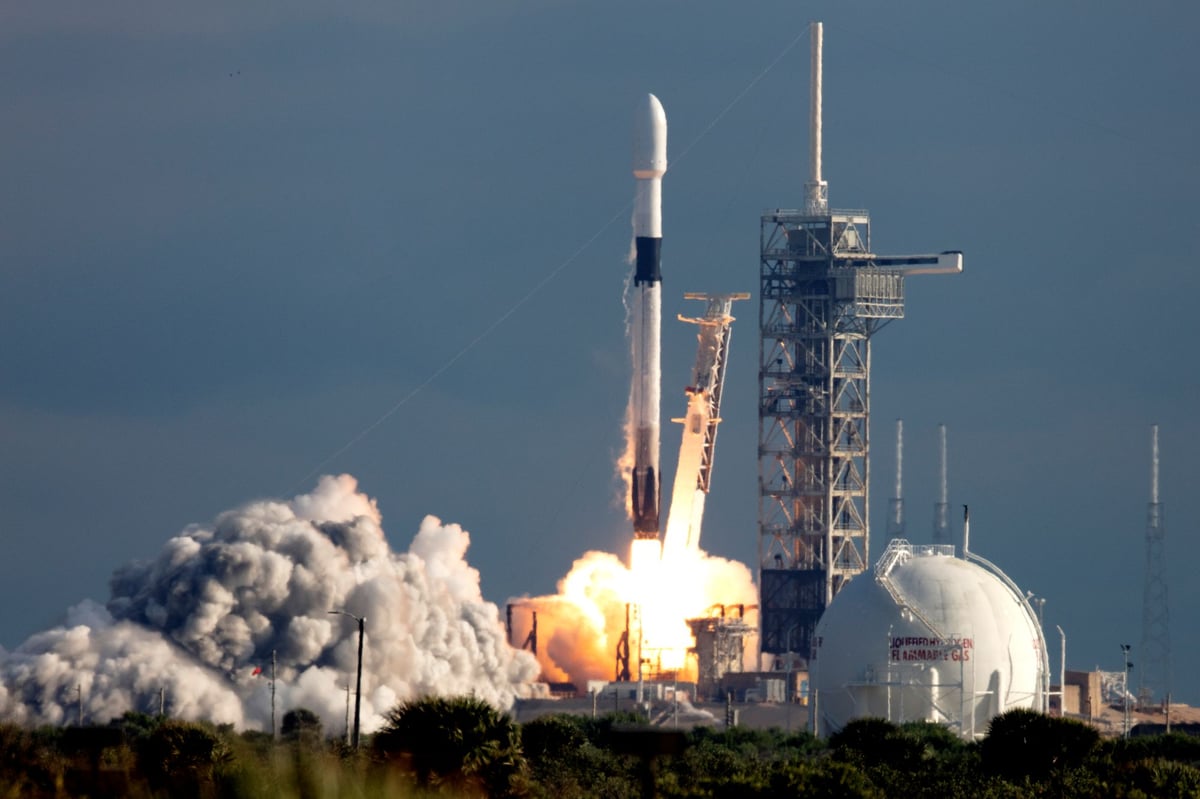
- Massive Market Potential: SpaceX claims a total addressable market (TAM) of $28.5 trillion, with artificial intelligence representing a $26.5 trillion opportunity, indicating significant growth potential, particularly as investments in AI are expected to drive market share expansion.
- Surging R&D Expenses: SpaceX's research and development spending soared by 150% last year to $8.6 billion, becoming the company's largest expense after cost of revenue in 2025, underscoring its commitment to technological innovation and competitive positioning in the market.
- Accumulated Losses Risk: As of the end of March, SpaceX reported an accumulated deficit of $41.3 billion, highlighting financial pressures since inception; despite generating $4.7 billion in revenue in Q1 2026, the company faced a net loss of $4.3 billion, necessitating careful risk assessment by investors.
- Valuation Concerns: With a potential valuation of $1.5 trillion, early investors may encounter high premiums upon the stock's debut, and given the company's lack of profitability, rushing to buy could lead to future losses, warranting a cautious approach.
See More

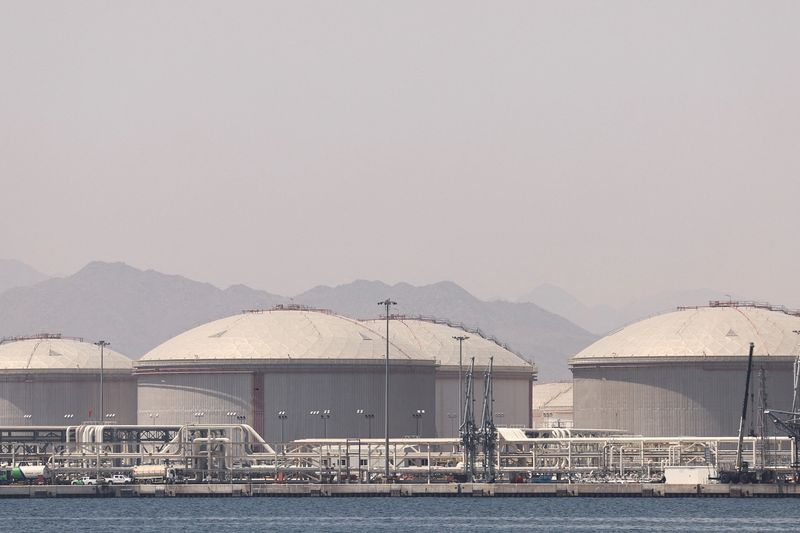
Trump Claims Interim Agreement on Strait of Hormuz is Close


- Agreement Progress: President Trump stated that an interim agreement regarding the Strait of Hormuz is close to being finalized, although negotiations are still ongoing, which may alleviate market concerns over geopolitical tensions in the region.
- Geopolitical Impact: Should the agreement be reached, it would help ensure the safety of shipping through the Strait of Hormuz, thereby stabilizing global oil supply chains and reducing the risk of price volatility.
- Negotiation Dynamics: Trump's remarks indicate an active U.S. government stance in addressing tensions in the Middle East, which could influence international investor confidence in the region.
- Market Reaction Expectations: The market may respond positively to this news, with investors closely monitoring subsequent negotiation developments to assess potential impacts on the energy market.
See More
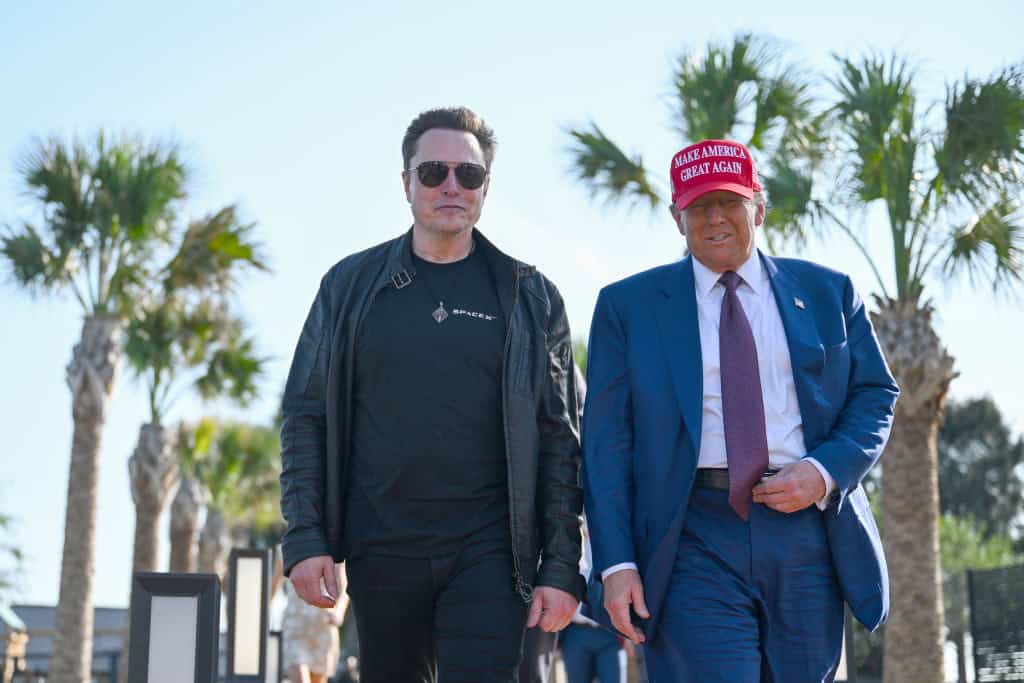
Tesla Q1 Revenue Reaches $22.39 Billion Amid AI Investments

- Significant Revenue Growth: Tesla's Q1 revenue reached $22.39 billion, marking a 16% year-over-year increase, which underscores the strong demand for electric vehicles and further solidifies its market leadership.
- Increased R&D Investment: The company allocated $1.95 billion towards AI infrastructure, funding projects like FSD v14.3 and Dojo 3, indicating that Tesla's strategic focus on AI will drive future technological innovation and enhance its competitive edge.
- Capital Investment and Partnerships: Tesla committed $2 billion to xAI and signed an AI collaboration framework agreement, directly linking its balance sheet to Musk's OpenAI competitor, showcasing its ambitions and strategic significance in the AI sector.
- Positive Market Reaction: Despite a 5% decline year-to-date, Tesla's stock rose 10% over the past month to close at $426.01, reflecting investor confidence in its AI strategy and recognition of its future growth potential.
See More
ELEKTROS Focuses on Lithium Resources and EV Charging Technology
- Strategic Importance of Lithium: ELEKTROS is focusing on hard rock lithium exploration and development in Sierra Leone, positioning itself within a critical supply chain for electric vehicles, renewable energy storage, and industrial electrification, which is expected to significantly enhance the company's competitiveness in the rapidly growing EV market.
- Patent Technology Protection: The company holds U.S. Patent No. 12,522,100 B1 related to advanced EV charging technology designed to significantly reduce charging times and improve efficiency, addressing consumer demand for faster charging and thereby enhancing market appeal.
- Intellectual Property Defense: ELEKTROS issued a cease-and-desist notice to a major global automotive manufacturer on May 5, 2026, highlighting the company's commitment to protecting shareholder value and intellectual property, while actively evaluating potential unauthorized use of its patented technology.
- Strategic Communication Plans: Management expects to initiate licensing discussions related to its patented technology, including potential one-year lease arrangements, and explore acquisition or buyout proposals, aiming to create substantial long-term value for the company and its shareholders through successful monetization of its patent portfolio.
See More
Ferrari Unveils First Fully Electric Car Luce
- Market Transformation: Ferrari's launch of the first fully electric four-door model, Luce, comes as competitors like Porsche and Lamborghini scale back their EV ambitions, marking a strategic shift aimed at attracting affluent family customers in the high-end EV market.
- Luxury Features and Performance: Priced at €550,000 ($640,000), the Luce features four electric motors delivering over 1,000 horsepower and a top speed exceeding 310 kph, showcasing Ferrari's commitment to combining luxury with performance in the electric vehicle sector.
- Market Expansion Opportunities: Ferrari aims to penetrate EV-friendly markets like China with the Luce, leveraging its high-tech features and comfort to meet customer demands for diverse lifestyle needs, thereby enhancing brand competitiveness in emerging markets.
- Design and Technological Innovation: The Luce's design, led by former Apple design chief Jony Ive and his team LoveFrom, merges traditional Ferrari luxury with modern technology, featuring leather, glass, and anodized aluminum interiors that reflect Ferrari's innovative spirit while honoring its heritage.
See More
SpaceX Set to Go Public Amid High Market Expectations
- Massive Market Potential: SpaceX claims its total addressable market (TAM) is $28.5 trillion, with artificial intelligence representing a $26.5 trillion opportunity, showcasing the company's ambition and potential in future technologies.
- Surging R&D Investment: In 2025, SpaceX's R&D expenses reached $8.6 billion, a 150% increase from the previous year, making it the second-largest expense after cost of revenue, indicating a sustained heavy investment in AI.
- Concerning Financials: As of the end of March, SpaceX's accumulated deficit stood at $41.3 billion, highlighting the financial risks since inception, prompting investors to carefully consider its long-term profitability.
- High IPO Valuation: With an anticipated IPO valuation of $1.5 trillion, despite the market's excitement, the high valuation may expose early investors to premium risks, necessitating cautious decision-making.
See More
SpaceX Set to Go Public with $1.5 Trillion Valuation
- Massive Market Potential: SpaceX claims a total addressable market (TAM) of $28.5 trillion, with artificial intelligence representing a $26.5 trillion opportunity, indicating significant growth potential, particularly as investments in AI are expected to drive market share expansion.
- Surging R&D Expenses: SpaceX's research and development spending soared by 150% last year to $8.6 billion, becoming the company's largest expense after cost of revenue in 2025, underscoring its commitment to technological innovation and competitive positioning in the market.
- Accumulated Losses Risk: As of the end of March, SpaceX reported an accumulated deficit of $41.3 billion, highlighting financial pressures since inception; despite generating $4.7 billion in revenue in Q1 2026, the company faced a net loss of $4.3 billion, necessitating careful risk assessment by investors.
- Valuation Concerns: With a potential valuation of $1.5 trillion, early investors may encounter high premiums upon the stock's debut, and given the company's lack of profitability, rushing to buy could lead to future losses, warranting a cautious approach.
See More
Trump Claims Interim Agreement on Strait of Hormuz is Close
- Agreement Progress: President Trump stated that an interim agreement regarding the Strait of Hormuz is close to being finalized, although negotiations are still ongoing, which may alleviate market concerns over geopolitical tensions in the region.
- Geopolitical Impact: Should the agreement be reached, it would help ensure the safety of shipping through the Strait of Hormuz, thereby stabilizing global oil supply chains and reducing the risk of price volatility.
- Negotiation Dynamics: Trump's remarks indicate an active U.S. government stance in addressing tensions in the Middle East, which could influence international investor confidence in the region.
- Market Reaction Expectations: The market may respond positively to this news, with investors closely monitoring subsequent negotiation developments to assess potential impacts on the energy market.
See More
Tesla Q1 Revenue Reaches $22.39 Billion Amid AI Investments
- Significant Revenue Growth: Tesla's Q1 revenue reached $22.39 billion, marking a 16% year-over-year increase, which underscores the strong demand for electric vehicles and further solidifies its market leadership.
- Increased R&D Investment: The company allocated $1.95 billion towards AI infrastructure, funding projects like FSD v14.3 and Dojo 3, indicating that Tesla's strategic focus on AI will drive future technological innovation and enhance its competitive edge.
- Capital Investment and Partnerships: Tesla committed $2 billion to xAI and signed an AI collaboration framework agreement, directly linking its balance sheet to Musk's OpenAI competitor, showcasing its ambitions and strategic significance in the AI sector.
- Positive Market Reaction: Despite a 5% decline year-to-date, Tesla's stock rose 10% over the past month to close at $426.01, reflecting investor confidence in its AI strategy and recognition of its future growth potential.
See More