Tesla Partners with LG Energy for $4.3 Billion Battery Deal
Written by Emily J. Thompson, Senior Investment Analyst
Updated: 1 hour ago
0mins
Should l Buy TSLA?
Source: Newsfilter
- Battery Procurement Agreement: Tesla has struck a deal with LG Energy Solution to purchase $4.3 billion worth of battery cells to enhance its energy storage systems, thereby strengthening its competitive position in the rapidly growing energy market.
- Factory Restructuring Context: The battery cells will be produced at a retooled LG facility in Lansing, originally developed for a joint venture with General Motors, which retreated from the project, indicating Tesla's strategic positioning in battery production.
- Energy Business Growth: Tesla's energy segment saw a 27% revenue increase last year, reaching $12.8 billion and accounting for 13% of total revenue, while the automotive sector faced a 10% decline, highlighting Tesla's efforts to diversify its revenue streams amid market challenges.
- Future Outlook: CEO Elon Musk anticipates continued high growth for the energy business, although CFO Vaibhav Taneja cautioned about margin compression due to low-cost competition and tariffs, reflecting Tesla's long-term strategy and the challenges it faces in the battery market.
Trade with 70% Backtested Accuracy
Stop guessing "Should I Buy TSLA?" and start using high-conviction signals backed by rigorous historical data.
Sign up today to access powerful investing tools and make smarter, data-driven decisions.
Analyst Views on TSLA
Wall Street analysts forecast TSLA stock price to rise
30 Analyst Rating
12 Buy
11 Hold
7 Sell
Hold
Current: 395.560

Low
25.28
Averages
401.93
High
600.00
Current: 395.560
Low
25.28
Averages
401.93
High
600.00
About TSLA
Tesla, Inc. designs, develops, manufactures, sells and leases high-performance fully electric vehicles and energy generation and storage systems, and offers services related to its products. Its segments include automotive, and energy generation and storage. The automotive segment includes the design, development, manufacturing, sales and leasing of high-performance fully electric vehicles, and sales of automotive regulatory credits. It also includes sales of used vehicles, non-warranty maintenance services and collisions, part sales, paid supercharging, insurance services revenue and retail merchandise sales. The energy generation and storage segment include the design, manufacture, installation, sales and leasing of solar energy generation and energy storage products and related services and sales of solar energy systems incentives. Its consumer vehicles include the Model 3, Y, S, X and Cybertruck. Its lithium-ion battery energy storage products include Powerwall and Megapack.
About the author

Emily J. Thompson
Emily J. Thompson, a Chartered Financial Analyst (CFA) with 12 years in investment research, graduated with honors from the Wharton School. Specializing in industrial and technology stocks, she provides in-depth analysis for Intellectia’s earnings and market brief reports.

Tesla Sales Decline 3%, Yet Long-Term Outlook Remains Positive

- Sales Decline: Tesla's sales fell by 3% last quarter, and while CEO Elon Musk's long-term vision attracts many investors, the short-term sales slump may negatively impact stock performance.
- Net Income Plummets: In the last three months of 2025, Tesla's net income totaled just $840 million, down 61% year-over-year, indicating severe challenges in profitability that could erode investor confidence.
- Valuation Risks: With a price-to-earnings ratio exceeding 350, despite market optimism about future growth, the high valuation may lead to further declines in stock price in the coming weeks and months, increasing investment risks.
- Intensifying Competition: As competition in the electric vehicle market intensifies, Tesla's growth rate may decline further; although Musk is optimistic about the future potential of robots and robotaxis, realizing these visions will take time and present more uncertainties in the short term.
See More

BYD Surpasses Tesla as Global EV Sales Leader
- Sales Comparison: BYD's EV sales reached 2.26 million units in 2025, marking a 28% year-over-year increase, while Tesla's deliveries fell by 8% to 1.64 million, indicating BYD's strong growth momentum in the global market.
- New Model Launch: At a major event in Shenzhen, BYD unveiled 11 new models, including a luxury sedan with over 640 miles of range and several electric SUVs, showcasing its technological innovation and market expansion capabilities in the EV sector.
- Production Line Shift: Tesla announced the discontinuation of the Model S and X, reallocating production capacity to develop the Optimus humanoid robot, indicating a strategic shift away from traditional automotive business that may affect its future competitiveness.
- Market Strategy Change: As BYD accelerates its international expansion, Tesla is focusing on artificial intelligence and autonomous driving technologies, prompting investors to reassess Tesla's prospects in the traditional automotive market, especially amid intensifying competition.
See More
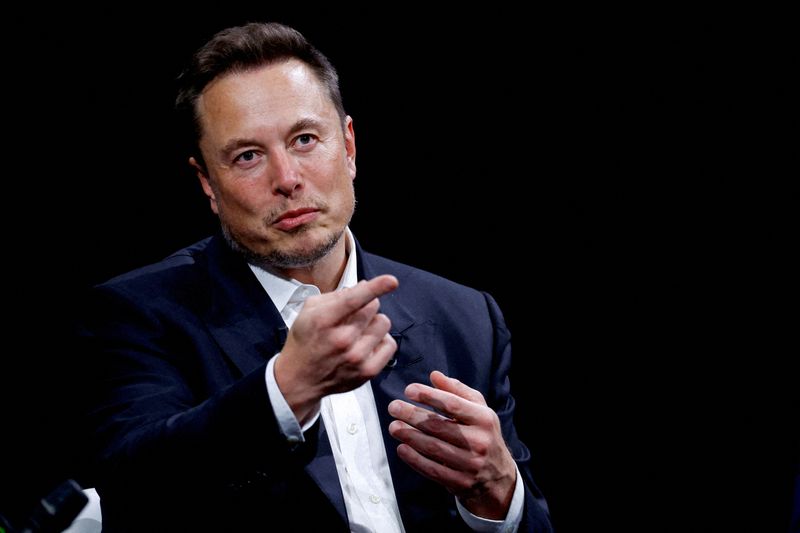
SEC and Elon Musk in Settlement Talks Over Lawsuit
- Lawsuit Background: The SEC filed a lawsuit against Musk in January 2025, accusing him of failing to promptly disclose that he held over 5% of Twitter prior to his acquisition in 2022, violating securities laws and disadvantaging other investors.
- Settlement Negotiations: A court filing on Tuesday revealed that the SEC and Musk are engaged in discussions for a potential resolution, which could eliminate the need for further legal proceedings, thereby simplifying the litigation process.
- Investor Impact: The SEC's complaint highlighted that Musk's failure to disclose his stake allowed him to purchase shares at 'artificially low prices,' which could harm his reputation among investors and affect future dealings.
- Historical Context: Musk previously settled civil securities fraud charges with the SEC related to Tesla, paying a $20 million fine and temporarily stepping down as chairman, indicating that this lawsuit could further impact his standing in financial markets.
See More

Rivian's Strategic Shift in the EV Market

- Production Scale Comparison: Rivian anticipates producing 42,284 electric vehicles in 2025, significantly lower than Tesla's 1.65 million, highlighting its relative disadvantage in the EV market while also indicating potential growth opportunities.
- Profitability Progress: The company achieved a small gross profit in 2025, demonstrating improvements in its production processes that align with its projected timeline, thereby boosting investor confidence in its future profitability.
- R2 Model Launch Plans: Rivian plans to launch the R2 electric truck aimed at the mass market in 2026, with the first model expected to hit the market in spring and the lowest-priced variant available in the first half of 2027, showcasing its commitment to market expansion.
- Strong Financial Position: With approximately $6 billion in cash and short-term investments at the end of 2025, Rivian is well-positioned to support the R2 launch, providing a financial cushion despite the intense competition in the market.
See More
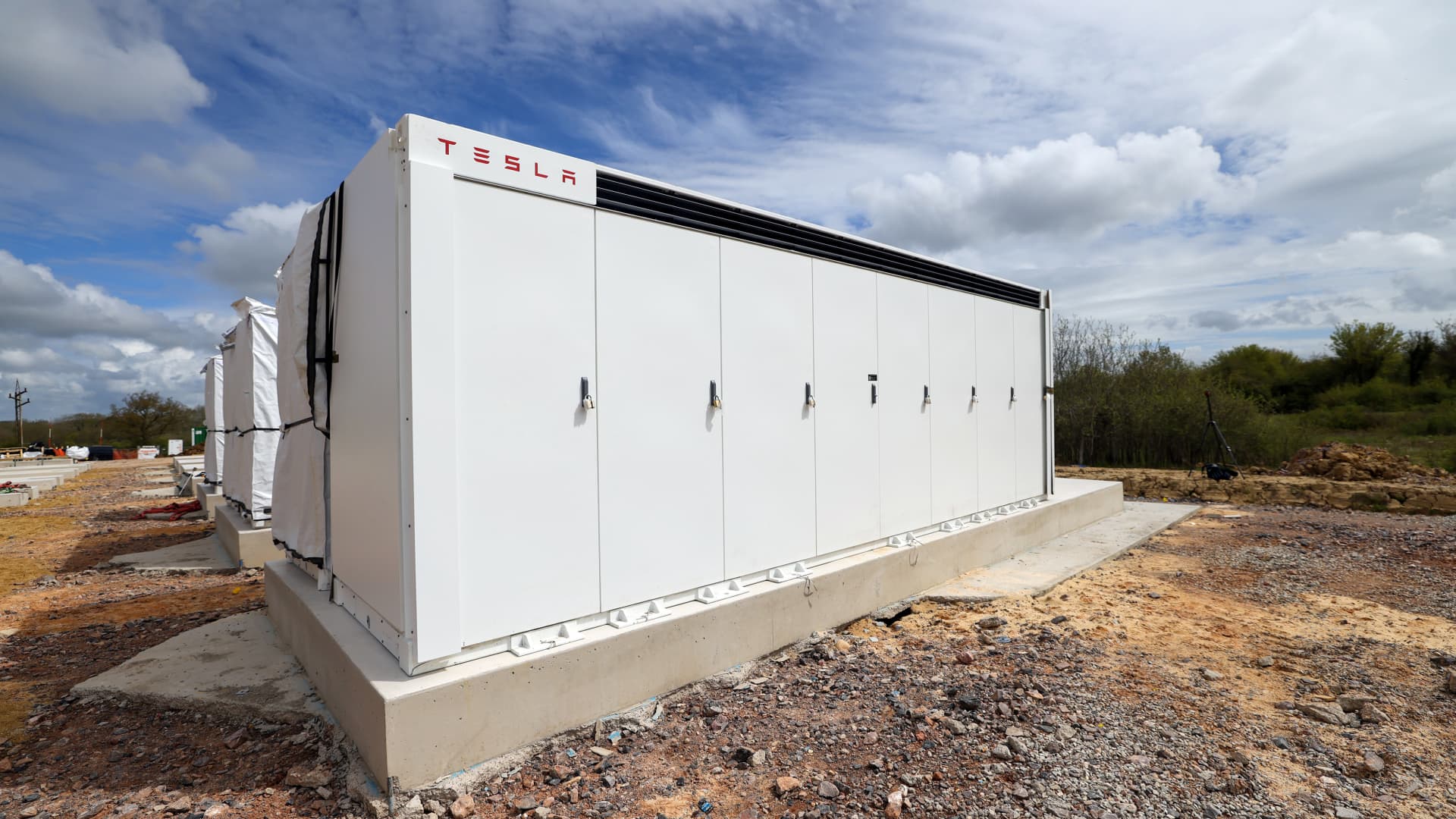
Tesla Strikes $4.3 Billion Battery Deal with LG Energy

- Battery Procurement Agreement: Tesla has struck a $4.3 billion deal with LG Energy Solution to procure battery cells for energy storage systems produced in Lansing, Michigan, further solidifying its position in the energy market.
- Energy Business Growth: Tesla's energy segment saw a 27% revenue increase last year, reaching $12.8 billion and accounting for 13% of total revenue, showcasing its rapid expansion potential outside of electric vehicles, despite a 10% decline in the auto sector.
- Production Line Development: LG Energy will establish dedicated production lines at its Lansing facility to meet Tesla's needs, indicating the depth of their collaboration and expectations for future market demand, while also reflecting LG's commitment to battery production capabilities.
- Market Competition Pressure: Tesla anticipates margin compression in its energy business due to low-cost competition, particularly from BYD in China and emerging climate-tech startups, highlighting the complexity of the market environment and the intensity of competition.
See More
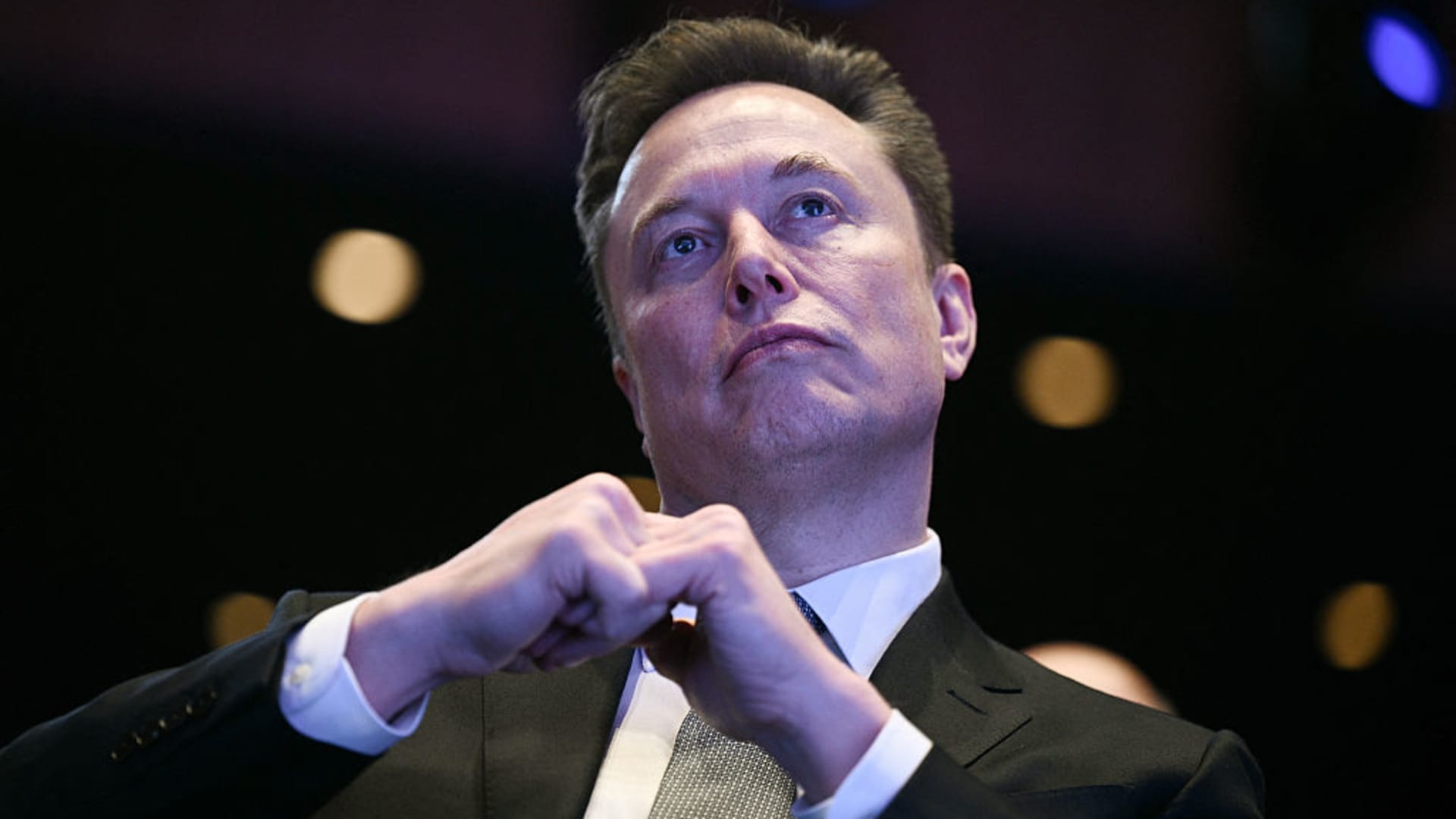
Elon Musk in Settlement Talks with SEC Over Securities Violation
- SEC Lawsuit Progress: The SEC is in discussions with Elon Musk to potentially settle a lawsuit filed last year regarding his failure to disclose stock holdings before his Twitter acquisition, which could prevent further legal proceedings if resolved.
- Lawsuit Background: The SEC initially filed the suit in January 2025, accusing Musk of not disclosing his over 5% stake within the required 10 days, allowing him to buy shares at 'artificially low prices' and disadvantaging other investors.
- Related Litigation Dynamics: Concurrently, a separate class action lawsuit against Musk is progressing through a federal court in San Francisco, with a jury expected to deliberate soon, adding to Musk's legal challenges.
- Historical Context: Musk previously settled civil securities fraud charges with the SEC related to Tesla, paying $20 million in fines and temporarily stepping down as chairman, indicating that this lawsuit could have significant implications for his future business endeavors.
See More
Tesla Sales Decline 3%, Yet Long-Term Outlook Remains Positive
- Sales Decline: Tesla's sales fell by 3% last quarter, and while CEO Elon Musk's long-term vision attracts many investors, the short-term sales slump may negatively impact stock performance.
- Net Income Plummets: In the last three months of 2025, Tesla's net income totaled just $840 million, down 61% year-over-year, indicating severe challenges in profitability that could erode investor confidence.
- Valuation Risks: With a price-to-earnings ratio exceeding 350, despite market optimism about future growth, the high valuation may lead to further declines in stock price in the coming weeks and months, increasing investment risks.
- Intensifying Competition: As competition in the electric vehicle market intensifies, Tesla's growth rate may decline further; although Musk is optimistic about the future potential of robots and robotaxis, realizing these visions will take time and present more uncertainties in the short term.
See More
BYD Surpasses Tesla as Global EV Sales Leader
- Sales Comparison: BYD's EV sales reached 2.26 million units in 2025, marking a 28% year-over-year increase, while Tesla's deliveries fell by 8% to 1.64 million, indicating BYD's strong growth momentum in the global market.
- New Model Launch: At a major event in Shenzhen, BYD unveiled 11 new models, including a luxury sedan with over 640 miles of range and several electric SUVs, showcasing its technological innovation and market expansion capabilities in the EV sector.
- Production Line Shift: Tesla announced the discontinuation of the Model S and X, reallocating production capacity to develop the Optimus humanoid robot, indicating a strategic shift away from traditional automotive business that may affect its future competitiveness.
- Market Strategy Change: As BYD accelerates its international expansion, Tesla is focusing on artificial intelligence and autonomous driving technologies, prompting investors to reassess Tesla's prospects in the traditional automotive market, especially amid intensifying competition.
See More
SEC and Elon Musk in Settlement Talks Over Lawsuit
- Lawsuit Background: The SEC filed a lawsuit against Musk in January 2025, accusing him of failing to promptly disclose that he held over 5% of Twitter prior to his acquisition in 2022, violating securities laws and disadvantaging other investors.
- Settlement Negotiations: A court filing on Tuesday revealed that the SEC and Musk are engaged in discussions for a potential resolution, which could eliminate the need for further legal proceedings, thereby simplifying the litigation process.
- Investor Impact: The SEC's complaint highlighted that Musk's failure to disclose his stake allowed him to purchase shares at 'artificially low prices,' which could harm his reputation among investors and affect future dealings.
- Historical Context: Musk previously settled civil securities fraud charges with the SEC related to Tesla, paying a $20 million fine and temporarily stepping down as chairman, indicating that this lawsuit could further impact his standing in financial markets.
See More
Rivian's Strategic Shift in the EV Market
- Production Scale Comparison: Rivian anticipates producing 42,284 electric vehicles in 2025, significantly lower than Tesla's 1.65 million, highlighting its relative disadvantage in the EV market while also indicating potential growth opportunities.
- Profitability Progress: The company achieved a small gross profit in 2025, demonstrating improvements in its production processes that align with its projected timeline, thereby boosting investor confidence in its future profitability.
- R2 Model Launch Plans: Rivian plans to launch the R2 electric truck aimed at the mass market in 2026, with the first model expected to hit the market in spring and the lowest-priced variant available in the first half of 2027, showcasing its commitment to market expansion.
- Strong Financial Position: With approximately $6 billion in cash and short-term investments at the end of 2025, Rivian is well-positioned to support the R2 launch, providing a financial cushion despite the intense competition in the market.
See More
Tesla Strikes $4.3 Billion Battery Deal with LG Energy
- Battery Procurement Agreement: Tesla has struck a $4.3 billion deal with LG Energy Solution to procure battery cells for energy storage systems produced in Lansing, Michigan, further solidifying its position in the energy market.
- Energy Business Growth: Tesla's energy segment saw a 27% revenue increase last year, reaching $12.8 billion and accounting for 13% of total revenue, showcasing its rapid expansion potential outside of electric vehicles, despite a 10% decline in the auto sector.
- Production Line Development: LG Energy will establish dedicated production lines at its Lansing facility to meet Tesla's needs, indicating the depth of their collaboration and expectations for future market demand, while also reflecting LG's commitment to battery production capabilities.
- Market Competition Pressure: Tesla anticipates margin compression in its energy business due to low-cost competition, particularly from BYD in China and emerging climate-tech startups, highlighting the complexity of the market environment and the intensity of competition.
See More
Elon Musk in Settlement Talks with SEC Over Securities Violation
- SEC Lawsuit Progress: The SEC is in discussions with Elon Musk to potentially settle a lawsuit filed last year regarding his failure to disclose stock holdings before his Twitter acquisition, which could prevent further legal proceedings if resolved.
- Lawsuit Background: The SEC initially filed the suit in January 2025, accusing Musk of not disclosing his over 5% stake within the required 10 days, allowing him to buy shares at 'artificially low prices' and disadvantaging other investors.
- Related Litigation Dynamics: Concurrently, a separate class action lawsuit against Musk is progressing through a federal court in San Francisco, with a jury expected to deliberate soon, adding to Musk's legal challenges.
- Historical Context: Musk previously settled civil securities fraud charges with the SEC related to Tesla, paying $20 million in fines and temporarily stepping down as chairman, indicating that this lawsuit could have significant implications for his future business endeavors.
See More