Tesla Increases Capital Spending Amid Lowered Robotaxi Expectations
- Increased Capital Spending: Tesla has raised its capital spending forecast for 2026 from $20 billion to over $25 billion, indicating a strong commitment to future technology investments, although this may lead to increased cash flow pressure in the short term.
- Robotaxi Deployment Delays: CEO Elon Musk stated that the goal is to roll out Robotaxi in 12 states by year-end, significantly lower than the previous expectation of covering 50% of the U.S. population, which may undermine investor confidence in future revenues.
- Hardware 3 Investment Challenges: Tesla's Hardware 3 models are currently unable to achieve unsupervised full self-driving, as acknowledged by Musk, indicating that the company faces technical hurdles in realizing fully autonomous driving, which could impact future profitability.
- Long-Term Growth Potential: Despite short-term challenges, signs of recovery in electric vehicle sales and investments in lithium refining and semiconductor production may support future revenue growth, making the stock attractive for enterprising investors.
Trade with 70% Backtested Accuracy
Analyst Views on TSLA

About TSLA
About the author


Tesla's First Semi Truck Begins High-Volume Production

- Production Launch: Tesla announced that its first Semi truck has begun rolling off a high-volume production line, marking a significant advancement in the electric truck market and expected to enhance its market share in commercial electric vehicles.
- New Product Strategy: Tesla plans to achieve large-scale manufacturing of several new products by 2026, which not only showcases its strong R&D capabilities but also lays the groundwork for future revenue growth.
- Competitive Market Position: With the production of the Semi truck, Tesla will be better positioned to meet the increasing demand for electric commercial vehicles, thereby strengthening its competitive stance in the global EV market.
- Strategic Development Goals: The launch of Semi truck production aligns with Tesla's long-term strategic objectives, aiming to promote the adoption of sustainable transportation solutions through innovation and technological advancements.

Tesla Significantly Increases 2026 Capital Spending Plans
- Increased Capital Spending: Tesla raised its 2026 capital spending forecast from $20 billion to over $25 billion, and while it has $35.5 billion in net cash, the projected spending will reduce its net cash to $22.3 billion by year-end, indicating short-term financial pressure.
- Delays in Robotaxi and Optimus: CEO Elon Musk acknowledged that the rollout of Robotaxi has been delayed, with expectations to launch in only 12 states by year-end, significantly lower than the previous goal of covering 50% of the U.S. population, which negatively impacts short-term profitability.
- Investment Risks and Opportunities: Tesla's investment in the Terafab semiconductor plant will increase capital expenditures, which may heighten short-term risks; however, it is expected to stabilize the global supply chain and reduce reliance on external suppliers in the long run.
- Recovery in EV Sales: Despite challenges, Tesla's electric vehicle sales are expected to recover with the launch of the new Model Y, demonstrating the company's resilience in the market and potential for future growth.
SAMSUNG ELECTRONICS: STRONG CHIP DEMAND EXPECTED TO PERSIST IN Q2 AMID MIDDLE EAST TENSIONS AND RISING OIL PRICES
Chip Demand: Robust demand for chips is expected to continue into Q2, indicating strong market performance.
Geopolitical Factors: The ongoing conflict in the Middle East is influencing market dynamics but has not significantly impacted chip demand.
Oil Prices: Rising oil prices are a concern, potentially affecting overall economic conditions and consumer spending.
Market Resilience: Despite external pressures, the semiconductor market shows resilience and adaptability in the face of challenges.
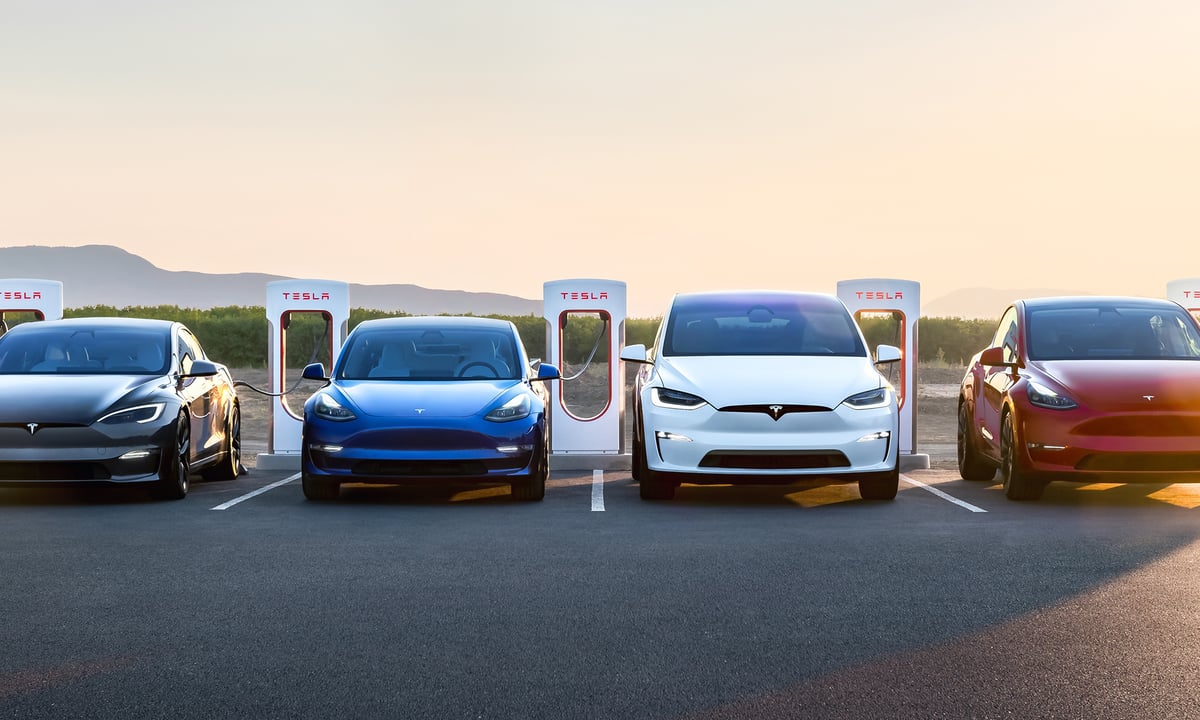
Tesla Increases Capital Spending Amid Lowered Robotaxi Expectations
- Increased Capital Spending: Tesla has raised its capital spending forecast for 2026 from $20 billion to over $25 billion, indicating a strong commitment to future technology investments, although this may lead to increased cash flow pressure in the short term.
- Robotaxi Deployment Delays: CEO Elon Musk stated that the goal is to roll out Robotaxi in 12 states by year-end, significantly lower than the previous expectation of covering 50% of the U.S. population, which may undermine investor confidence in future revenues.
- Hardware 3 Investment Challenges: Tesla's Hardware 3 models are currently unable to achieve unsupervised full self-driving, as acknowledged by Musk, indicating that the company faces technical hurdles in realizing fully autonomous driving, which could impact future profitability.
- Long-Term Growth Potential: Despite short-term challenges, signs of recovery in electric vehicle sales and investments in lithium refining and semiconductor production may support future revenue growth, making the stock attractive for enterprising investors.
Tesla's Mixed Financial Results Raise Uncertainty for Future Growth

- Financial Performance Review: Tesla reported Q1 2026 revenue of $22.4 billion, falling short of expectations, although its adjusted earnings per share of $0.41 exceeded analyst forecasts, indicating resilience in profitability but raising concerns over overall revenue performance.
- Future Strategic Focus: Tesla is concentrating on driverless taxi and Optimus robot technology, planning to produce 1 million first-generation robots at its California plant and 10 million second-generation units in Texas, which could significantly boost future revenue and profits if successful.
- Competitive Market Pressure: Despite Tesla's ongoing efforts in autonomous driving, its service is currently limited to Austin, Dallas, and Houston, while Alphabet's Waymo completes 500,000 trips weekly, highlighting Tesla's competitive disadvantages in the market.
- Capital Expenditure and Cash Flow: Tesla's capital expenditures were $8.5 billion in 2025 and are expected to triple to $25 billion in 2026, with analysts predicting negative free cash flow, indicating substantial financial pressure as the company pursues its ambitious vision.
Tesla Reports Mixed Financial Results

- Financial Performance Analysis: Tesla reported first-quarter 2026 revenue of $22.4 billion, falling short of expectations, although its adjusted earnings per share of $0.41 exceeded analyst forecasts, indicating resilience in profitability.
- Future Outlook: Tesla is focusing on driverless taxi and Optimus robot technology, planning to produce 1 million first-generation robots annually at its California plant and 10 million second-generation units in Texas, which could significantly boost future revenues if successful.
- Surging Capital Expenditures: Tesla expects its cash outlays to triple from $8.5 billion in 2025 to $25 billion in 2026, reflecting an aggressive investment strategy in autonomous driving and AI, despite analysts predicting negative free cash flow.
- Market Competition Pressure: While Tesla's robotaxi service operates only in Austin, Dallas, and Houston, Alphabet's Waymo completes 500,000 trips weekly, highlighting Tesla's competitive disadvantages and the uncertainty surrounding its future prospects.
Tesla's First Semi Truck Begins High-Volume Production
- Production Launch: Tesla announced that its first Semi truck has begun rolling off a high-volume production line, marking a significant advancement in the electric truck market and expected to enhance its market share in commercial electric vehicles.
- New Product Strategy: Tesla plans to achieve large-scale manufacturing of several new products by 2026, which not only showcases its strong R&D capabilities but also lays the groundwork for future revenue growth.
- Competitive Market Position: With the production of the Semi truck, Tesla will be better positioned to meet the increasing demand for electric commercial vehicles, thereby strengthening its competitive stance in the global EV market.
- Strategic Development Goals: The launch of Semi truck production aligns with Tesla's long-term strategic objectives, aiming to promote the adoption of sustainable transportation solutions through innovation and technological advancements.
Tesla Significantly Increases 2026 Capital Spending Plans
- Increased Capital Spending: Tesla raised its 2026 capital spending forecast from $20 billion to over $25 billion, and while it has $35.5 billion in net cash, the projected spending will reduce its net cash to $22.3 billion by year-end, indicating short-term financial pressure.
- Delays in Robotaxi and Optimus: CEO Elon Musk acknowledged that the rollout of Robotaxi has been delayed, with expectations to launch in only 12 states by year-end, significantly lower than the previous goal of covering 50% of the U.S. population, which negatively impacts short-term profitability.
- Investment Risks and Opportunities: Tesla's investment in the Terafab semiconductor plant will increase capital expenditures, which may heighten short-term risks; however, it is expected to stabilize the global supply chain and reduce reliance on external suppliers in the long run.
- Recovery in EV Sales: Despite challenges, Tesla's electric vehicle sales are expected to recover with the launch of the new Model Y, demonstrating the company's resilience in the market and potential for future growth.
SAMSUNG ELECTRONICS: STRONG CHIP DEMAND EXPECTED TO PERSIST IN Q2 AMID MIDDLE EAST TENSIONS AND RISING OIL PRICES
Chip Demand: Robust demand for chips is expected to continue into Q2, indicating strong market performance.
Geopolitical Factors: The ongoing conflict in the Middle East is influencing market dynamics but has not significantly impacted chip demand.
Oil Prices: Rising oil prices are a concern, potentially affecting overall economic conditions and consumer spending.
Market Resilience: Despite external pressures, the semiconductor market shows resilience and adaptability in the face of challenges.
Tesla Increases Capital Spending Amid Lowered Robotaxi Expectations
- Increased Capital Spending: Tesla has raised its capital spending forecast for 2026 from $20 billion to over $25 billion, indicating a strong commitment to future technology investments, although this may lead to increased cash flow pressure in the short term.
- Robotaxi Deployment Delays: CEO Elon Musk stated that the goal is to roll out Robotaxi in 12 states by year-end, significantly lower than the previous expectation of covering 50% of the U.S. population, which may undermine investor confidence in future revenues.
- Hardware 3 Investment Challenges: Tesla's Hardware 3 models are currently unable to achieve unsupervised full self-driving, as acknowledged by Musk, indicating that the company faces technical hurdles in realizing fully autonomous driving, which could impact future profitability.
- Long-Term Growth Potential: Despite short-term challenges, signs of recovery in electric vehicle sales and investments in lithium refining and semiconductor production may support future revenue growth, making the stock attractive for enterprising investors.
Tesla's Mixed Financial Results Raise Uncertainty for Future Growth
- Financial Performance Review: Tesla reported Q1 2026 revenue of $22.4 billion, falling short of expectations, although its adjusted earnings per share of $0.41 exceeded analyst forecasts, indicating resilience in profitability but raising concerns over overall revenue performance.
- Future Strategic Focus: Tesla is concentrating on driverless taxi and Optimus robot technology, planning to produce 1 million first-generation robots at its California plant and 10 million second-generation units in Texas, which could significantly boost future revenue and profits if successful.
- Competitive Market Pressure: Despite Tesla's ongoing efforts in autonomous driving, its service is currently limited to Austin, Dallas, and Houston, while Alphabet's Waymo completes 500,000 trips weekly, highlighting Tesla's competitive disadvantages in the market.
- Capital Expenditure and Cash Flow: Tesla's capital expenditures were $8.5 billion in 2025 and are expected to triple to $25 billion in 2026, with analysts predicting negative free cash flow, indicating substantial financial pressure as the company pursues its ambitious vision.
Tesla Reports Mixed Financial Results
- Financial Performance Analysis: Tesla reported first-quarter 2026 revenue of $22.4 billion, falling short of expectations, although its adjusted earnings per share of $0.41 exceeded analyst forecasts, indicating resilience in profitability.
- Future Outlook: Tesla is focusing on driverless taxi and Optimus robot technology, planning to produce 1 million first-generation robots annually at its California plant and 10 million second-generation units in Texas, which could significantly boost future revenues if successful.
- Surging Capital Expenditures: Tesla expects its cash outlays to triple from $8.5 billion in 2025 to $25 billion in 2026, reflecting an aggressive investment strategy in autonomous driving and AI, despite analysts predicting negative free cash flow.
- Market Competition Pressure: While Tesla's robotaxi service operates only in Austin, Dallas, and Houston, Alphabet's Waymo completes 500,000 trips weekly, highlighting Tesla's competitive disadvantages and the uncertainty surrounding its future prospects.