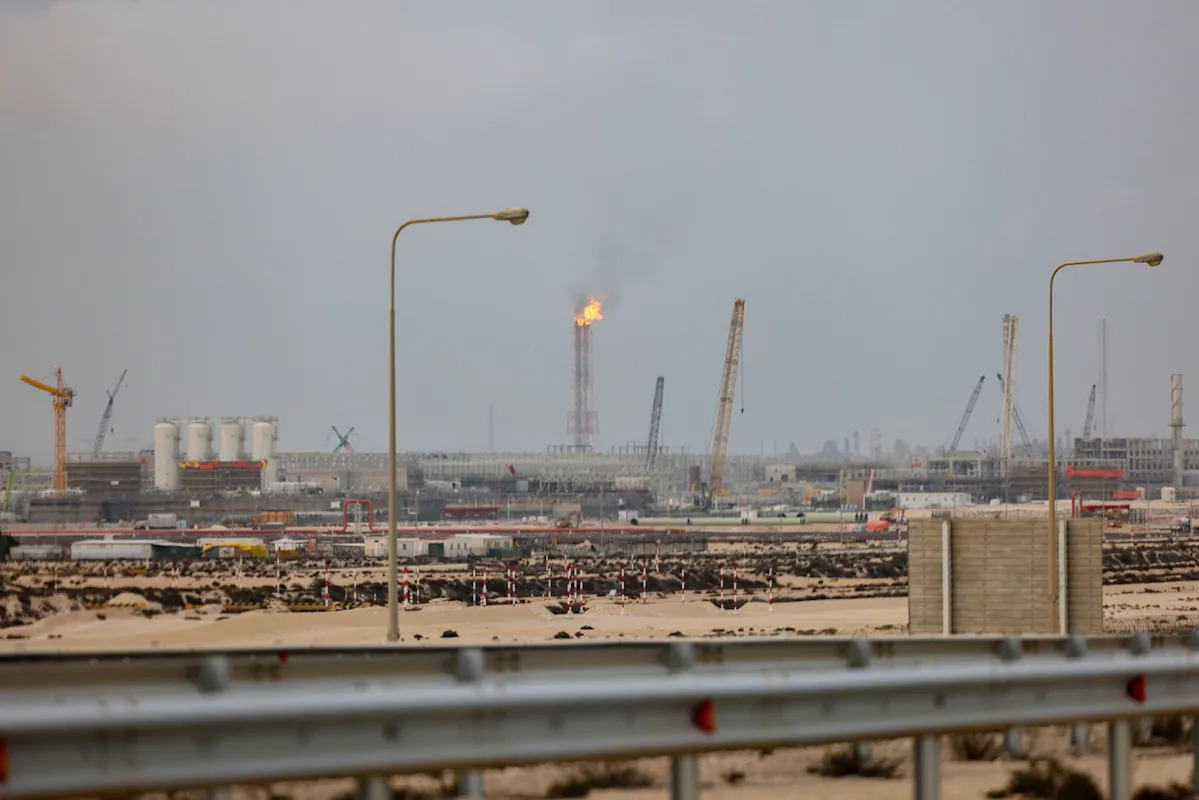
Tesla Explores $2.9B Solar Equipment Purchase from China
Written by Emily J. Thompson, Senior Investment Analyst
Updated: 2 hours ago
0mins
Should l Buy TSLA?
Source: seekingalpha
- Procurement Strategy: Tesla is exploring the purchase of approximately $2.9 billion worth of solar production equipment from Chinese suppliers, including Suzhou Maxwell Technologies, indicating a strategic move towards renewable energy.
- Market Reaction: Following the news, Suzhou Maxwell's stock surged about 12%, while other related companies saw increases of over 7%, reflecting positive market sentiment towards Tesla's solar project.
- Regulatory Approval: As a leading equipment manufacturer, Maxwell is seeking regulatory approval from Chinese authorities to export solar equipment for Tesla's project, ensuring timely delivery and project advancement.
- Strategic Goals: This initiative aligns with Elon Musk's ambition to establish 100 GW of solar capacity in the U.S. by 2028, primarily for Tesla and some SpaceX needs, showcasing Tesla's long-term vision in the renewable energy sector.
Trade with 70% Backtested Accuracy
Stop guessing "Should I Buy TSLA?" and start using high-conviction signals backed by rigorous historical data.
Sign up today to access powerful investing tools and make smarter, data-driven decisions.
Analyst Views on TSLA
Wall Street analysts forecast TSLA stock price to rise
30 Analyst Rating
12 Buy
11 Hold
7 Sell
Hold
Current: 392.780

Low
25.28
Averages
401.93
High
600.00
Current: 392.780
Low
25.28
Averages
401.93
High
600.00
About TSLA
Tesla, Inc. designs, develops, manufactures, sells and leases high-performance fully electric vehicles and energy generation and storage systems, and offers services related to its products. Its segments include automotive, and energy generation and storage. The automotive segment includes the design, development, manufacturing, sales and leasing of high-performance fully electric vehicles, and sales of automotive regulatory credits. It also includes sales of used vehicles, non-warranty maintenance services and collisions, part sales, paid supercharging, insurance services revenue and retail merchandise sales. The energy generation and storage segment include the design, manufacture, installation, sales and leasing of solar energy generation and energy storage products and related services and sales of solar energy systems incentives. Its consumer vehicles include the Model 3, Y, S, X and Cybertruck. Its lithium-ion battery energy storage products include Powerwall and Megapack.
About the author

Emily J. Thompson
Emily J. Thompson, a Chartered Financial Analyst (CFA) with 12 years in investment research, graduated with honors from the Wharton School. Specializing in industrial and technology stocks, she provides in-depth analysis for Intellectia’s earnings and market brief reports.
BYD Set to Release Earnings; Investors Should Pay Attention

- Global EV Sales Leader: BYD surpassed Tesla in 2025 to become the world's top-selling EV brand, a shift that not only enhances brand recognition but also attracts cost-conscious consumers globally, thereby strengthening its competitive position.
- International Market Expansion: BYD exported over one million cars for the first time in 2025, capturing approximately 4.8% of the European market with a remarkable 271.8% year-over-year growth, indicating strong international momentum as it aims to sell 1.6 million cars outside China this year.
- Technological Innovation Advantage: The introduction of BYD's second-generation Blade Battery, which charges from 10% to 97% in just nine minutes, showcases its leadership in battery technology, while its vertically integrated model, producing 80% of core components in-house, provides significant cost and margin advantages.
- Attractive Valuation: With a forward P/E ratio of just 17 and a PEG ratio of 0.78, BYD appears undervalued compared to Tesla's high valuation, and despite facing market risks and competition, its current valuation and upcoming earnings could serve as catalysts for stock price appreciation.
See More

BYD Exports Over One Million Cars in 2025
- Sales Milestone: BYD exported over one million cars in 2025, becoming the world's top-selling EV brand, which signifies rapid growth in its international market presence and increased brand recognition.
- Market Share Growth: In Europe, BYD captured approximately 4.8% of the EV market share, reflecting a remarkable 271.8% year-over-year growth, showcasing its strong momentum internationally despite fierce domestic competition.
- Technological Innovation: BYD unveiled its second-generation Blade Battery, capable of charging from 10% to 97% in just nine minutes, which enhances its product competitiveness and consumer appeal significantly.
- Financial Valuation Advantage: With a forward P/E ratio of only 17 and a PEG ratio of 0.78, BYD appears undervalued relative to its long-term growth potential, attracting investor interest despite existing market risks and competitive pressures.
See More

Tesla Faces Increased Competition from Hyundai in Robotics
- Hyundai's Investment Plan: Hyundai Motor Group has announced a $6 billion investment in a new plant to produce high-tech robots and a solar-powered hydrogen facility, indicating its ambitions in emerging mobility sectors, which could pose direct competition to Tesla.
- Market Potential Forecast: Morgan Stanley analysts project that the humanoid robotics market could reach $5 trillion by 2050, and Hyundai's investment not only enhances its market position but may also alter the competitive landscape, impacting Tesla's market share.
- Tesla's Robotics Progress: Tesla's Optimus Gen 3 robot is in the final stages of development, with initial production slated for late 2026, and if successful, it will further solidify Tesla's leadership in the robotics field, despite the competitive pressure from Hyundai.
- Investor Challenges: Tesla investors need to reassess their investment strategies as traditional automakers like Hyundai enter the robotics space, potentially challenging Tesla's innovative edge, prompting investors to focus on its future technological competitiveness.
See More

Tesla Shifts Strategic Focus to AI and Robotics
- Strategic Shift: Tesla is making a strategic pivot towards artificial intelligence, robotics, and driverless vehicles, indicating an expansion into emerging technologies following its success in the electric vehicle market, which could impact its future market positioning and competitiveness.
- Hyundai's Investment: Hyundai Motor Group has announced a $6 billion investment to establish a high-tech robot factory in Georgia, USA, aiming to produce 30,000 Atlas robots annually, showcasing its ambitions in the robotics sector and potentially threatening Tesla's market share.
- Market Potential: According to Morgan Stanley, the humanoid robotics market is projected to reach $5 trillion by 2050, attracting the attention of automakers like Tesla and Hyundai, which could reshape the traditional automotive industry landscape.
- Increased Competition: Tesla's Optimus Gen 3 robot is in development with initial production slated for late 2026, while Hyundai's Atlas robot is set to launch in 2028, indicating that traditional automakers are accelerating their entry into the robotics field, complicating industry competition.
See More

Tesla's New Robotic Rival Hyundai Invests in Robotics

- Massive Investment: Hyundai Motor Group announced a $6 billion investment in a new plant to produce high-tech robots and a solar-powered hydrogen facility, showcasing its ambition in emerging technologies, which could pose a threat to Tesla's market position.
- Expansive Market Potential: Morgan Stanley analysts project that the humanoid robotics market could reach $5 trillion by 2050, and Hyundai's investment not only enhances its competitiveness but may also attract more investor interest in this emerging sector.
- Clear Production Plans: Hyundai aims to start producing 30,000 Atlas robots annually by 2028, with plans for complex assembly tasks at its Georgia plant, indicating rapid advancements in robotics that could impact Tesla's market share.
- Intensifying Tech Competition: Tesla's Optimus Gen 3 robot is expected to begin production by the end of 2026, and while Tesla has strong innovation capabilities in robotics, Hyundai's swift advancements may increase competitive pressures on Tesla.
See More

Trump Announces $23 Billion Arms Sales to Gulf Nations


- Scale of Arms Sales: The Trump administration is advancing approximately $23 billion in arms sales to the UAE, Kuwait, and Jordan, aimed at bolstering their defenses amid escalating Middle East conflicts, highlighting U.S. commitment to regional security.
- Investment in Air Defense: Over $16 billion of the deal is allocated for air-defense systems, munitions, and radar equipment, enhancing the military capabilities of these nations and improving interoperability with U.S. Joint Forces and other regional forces.
- Emergency Clause Utilization: The U.S. government invoked the emergency clause of arms control law for some transactions, allowing them to proceed without the standard 30-day congressional review, reflecting an urgent need to address regional security threats.
- Future Threat Preparedness: The arms sales not only enhance the Gulf nations' capabilities to meet current and future threats but also include $5.6 billion worth of Patriot PAC-3 missiles and approximately $1.32 billion in CH-47 helicopters, further solidifying U.S. strategic influence in the region.
See More
BYD Set to Release Earnings; Investors Should Pay Attention
- Global EV Sales Leader: BYD surpassed Tesla in 2025 to become the world's top-selling EV brand, a shift that not only enhances brand recognition but also attracts cost-conscious consumers globally, thereby strengthening its competitive position.
- International Market Expansion: BYD exported over one million cars for the first time in 2025, capturing approximately 4.8% of the European market with a remarkable 271.8% year-over-year growth, indicating strong international momentum as it aims to sell 1.6 million cars outside China this year.
- Technological Innovation Advantage: The introduction of BYD's second-generation Blade Battery, which charges from 10% to 97% in just nine minutes, showcases its leadership in battery technology, while its vertically integrated model, producing 80% of core components in-house, provides significant cost and margin advantages.
- Attractive Valuation: With a forward P/E ratio of just 17 and a PEG ratio of 0.78, BYD appears undervalued compared to Tesla's high valuation, and despite facing market risks and competition, its current valuation and upcoming earnings could serve as catalysts for stock price appreciation.
See More
BYD Exports Over One Million Cars in 2025
- Sales Milestone: BYD exported over one million cars in 2025, becoming the world's top-selling EV brand, which signifies rapid growth in its international market presence and increased brand recognition.
- Market Share Growth: In Europe, BYD captured approximately 4.8% of the EV market share, reflecting a remarkable 271.8% year-over-year growth, showcasing its strong momentum internationally despite fierce domestic competition.
- Technological Innovation: BYD unveiled its second-generation Blade Battery, capable of charging from 10% to 97% in just nine minutes, which enhances its product competitiveness and consumer appeal significantly.
- Financial Valuation Advantage: With a forward P/E ratio of only 17 and a PEG ratio of 0.78, BYD appears undervalued relative to its long-term growth potential, attracting investor interest despite existing market risks and competitive pressures.
See More
Tesla Faces Increased Competition from Hyundai in Robotics
- Hyundai's Investment Plan: Hyundai Motor Group has announced a $6 billion investment in a new plant to produce high-tech robots and a solar-powered hydrogen facility, indicating its ambitions in emerging mobility sectors, which could pose direct competition to Tesla.
- Market Potential Forecast: Morgan Stanley analysts project that the humanoid robotics market could reach $5 trillion by 2050, and Hyundai's investment not only enhances its market position but may also alter the competitive landscape, impacting Tesla's market share.
- Tesla's Robotics Progress: Tesla's Optimus Gen 3 robot is in the final stages of development, with initial production slated for late 2026, and if successful, it will further solidify Tesla's leadership in the robotics field, despite the competitive pressure from Hyundai.
- Investor Challenges: Tesla investors need to reassess their investment strategies as traditional automakers like Hyundai enter the robotics space, potentially challenging Tesla's innovative edge, prompting investors to focus on its future technological competitiveness.
See More
Tesla Shifts Strategic Focus to AI and Robotics
- Strategic Shift: Tesla is making a strategic pivot towards artificial intelligence, robotics, and driverless vehicles, indicating an expansion into emerging technologies following its success in the electric vehicle market, which could impact its future market positioning and competitiveness.
- Hyundai's Investment: Hyundai Motor Group has announced a $6 billion investment to establish a high-tech robot factory in Georgia, USA, aiming to produce 30,000 Atlas robots annually, showcasing its ambitions in the robotics sector and potentially threatening Tesla's market share.
- Market Potential: According to Morgan Stanley, the humanoid robotics market is projected to reach $5 trillion by 2050, attracting the attention of automakers like Tesla and Hyundai, which could reshape the traditional automotive industry landscape.
- Increased Competition: Tesla's Optimus Gen 3 robot is in development with initial production slated for late 2026, while Hyundai's Atlas robot is set to launch in 2028, indicating that traditional automakers are accelerating their entry into the robotics field, complicating industry competition.
See More
Tesla's New Robotic Rival Hyundai Invests in Robotics
- Massive Investment: Hyundai Motor Group announced a $6 billion investment in a new plant to produce high-tech robots and a solar-powered hydrogen facility, showcasing its ambition in emerging technologies, which could pose a threat to Tesla's market position.
- Expansive Market Potential: Morgan Stanley analysts project that the humanoid robotics market could reach $5 trillion by 2050, and Hyundai's investment not only enhances its competitiveness but may also attract more investor interest in this emerging sector.
- Clear Production Plans: Hyundai aims to start producing 30,000 Atlas robots annually by 2028, with plans for complex assembly tasks at its Georgia plant, indicating rapid advancements in robotics that could impact Tesla's market share.
- Intensifying Tech Competition: Tesla's Optimus Gen 3 robot is expected to begin production by the end of 2026, and while Tesla has strong innovation capabilities in robotics, Hyundai's swift advancements may increase competitive pressures on Tesla.
See More
Trump Announces $23 Billion Arms Sales to Gulf Nations
- Scale of Arms Sales: The Trump administration is advancing approximately $23 billion in arms sales to the UAE, Kuwait, and Jordan, aimed at bolstering their defenses amid escalating Middle East conflicts, highlighting U.S. commitment to regional security.
- Investment in Air Defense: Over $16 billion of the deal is allocated for air-defense systems, munitions, and radar equipment, enhancing the military capabilities of these nations and improving interoperability with U.S. Joint Forces and other regional forces.
- Emergency Clause Utilization: The U.S. government invoked the emergency clause of arms control law for some transactions, allowing them to proceed without the standard 30-day congressional review, reflecting an urgent need to address regional security threats.
- Future Threat Preparedness: The arms sales not only enhance the Gulf nations' capabilities to meet current and future threats but also include $5.6 billion worth of Patriot PAC-3 missiles and approximately $1.32 billion in CH-47 helicopters, further solidifying U.S. strategic influence in the region.
See More