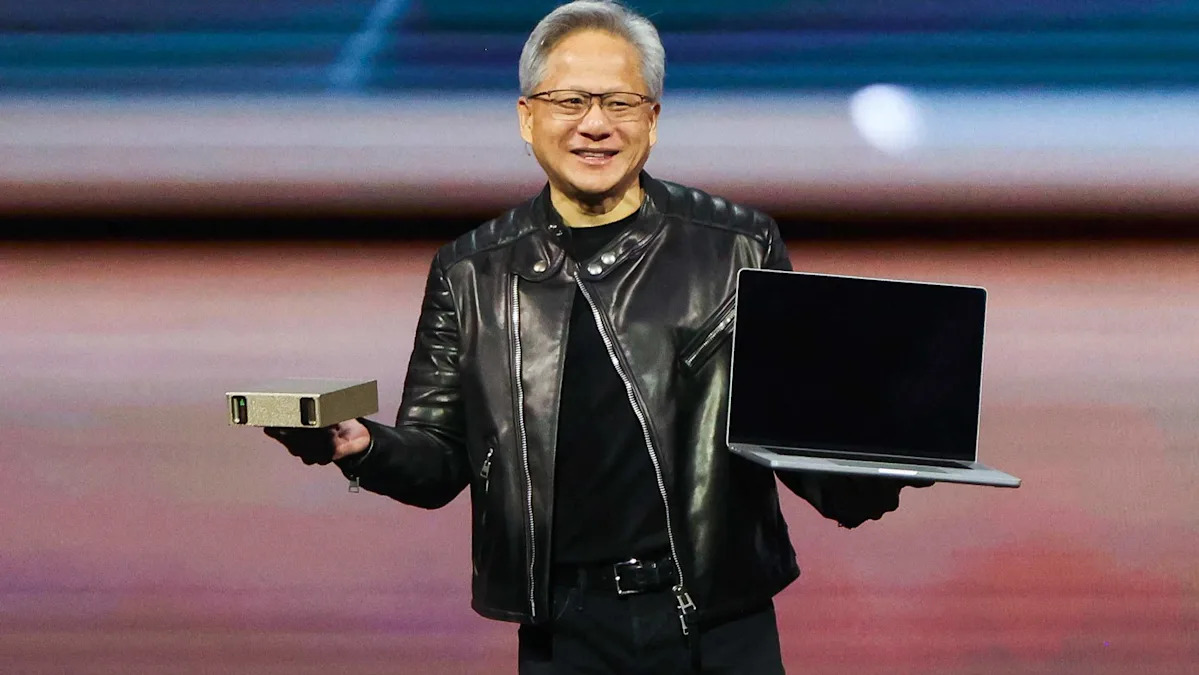
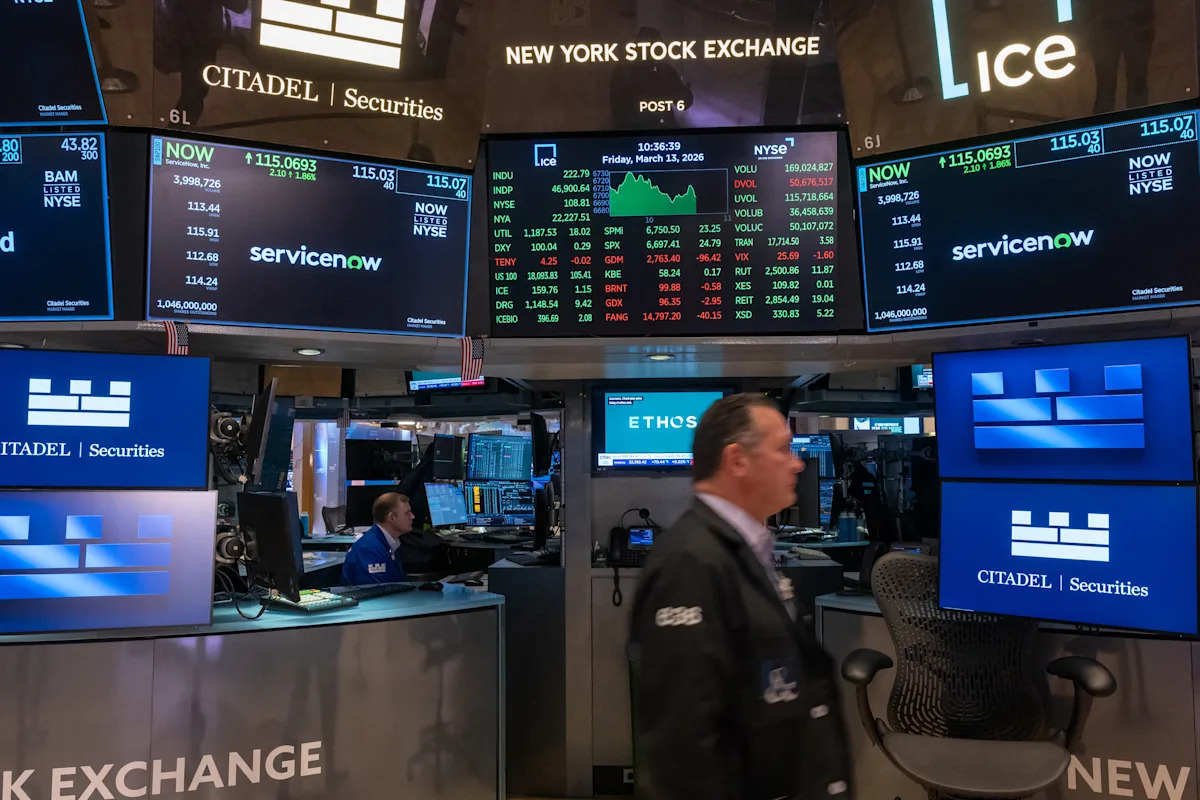
Tencent's AI Products Shift Investor Sentiment in Tech Race
Written by Emily J. Thompson, Senior Investment Analyst
Updated: 1 hour ago
0mins
Should l Buy BABA?
Source: Yahoo Finance
- AI Product Launch: Tencent has rolled out agentic AI products like QClaw and WorkBuddy to meet the growing demand for tools that execute real-world tasks, which is expected to enhance its position in China's tech competition.
- Ecosystem Integration: Tencent plans to integrate similar AI capabilities into its WeChat platform, which boasts 1.4 billion users, with a potential launch as soon as next month, significantly improving user experience and driving diversified applications.
- Positive Market Reaction: Since the rollout of its agentic AI services, Tencent's stock has risen approximately 4.7%, marking its best monthly performance relative to Alibaba in two years, with a market value increase of about $30 billion, reflecting market recognition of its platform integration strategy.
- Alibaba Facing Challenges: While Alibaba remains competitive technologically, concerns over execution have arisen due to the departure of a key developer and reported internal tensions, prompting the company to undertake a broader restructuring aimed at sharpening its focus on AI profitability.
Trade with 70% Backtested Accuracy
Stop guessing "Should I Buy BABA?" and start using high-conviction signals backed by rigorous historical data.
Sign up today to access powerful investing tools and make smarter, data-driven decisions.
Analyst Views on BABA
Wall Street analysts forecast BABA stock price to rise
15 Analyst Rating
15 Buy
0 Hold
0 Sell
Strong Buy
Current: 136.570

Low
180.00
Averages
203.09
High
230.00
Current: 136.570
Low
180.00
Averages
203.09
High
230.00
About BABA
Alibaba Group Holding Ltd is an investment holding company mainly engaged in the provision of technology infrastructure and marketing platforms. The Company operates its business through nine segments. The China Commerce Retail segment is engaged in the China commerce retail business. The China Commerce Wholesale segment is mainly engaged in the operation of 1688.com. The Cloud Intelligence segment provides cloud services. The International Commerce Retail segment provides customer management services, sales of goods and logistics services. The International Commerce Wholesale segment is mainly engaged in the operation of Alibaba.com. The Cainiao Represents Logistics Services segment provides fulfilment services. The Local Services segment’s revenue includes platform commissions, logistics services revenue. The Digital Media and Entertainment segment engages in the operation of Youku and Alibaba. The All Others segment is mainly engaged in the Sun Art, Freshippo and other business.
About the author

Emily J. Thompson
Emily J. Thompson, a Chartered Financial Analyst (CFA) with 12 years in investment research, graduated with honors from the Wharton School. Specializing in industrial and technology stocks, she provides in-depth analysis for Intellectia’s earnings and market brief reports.
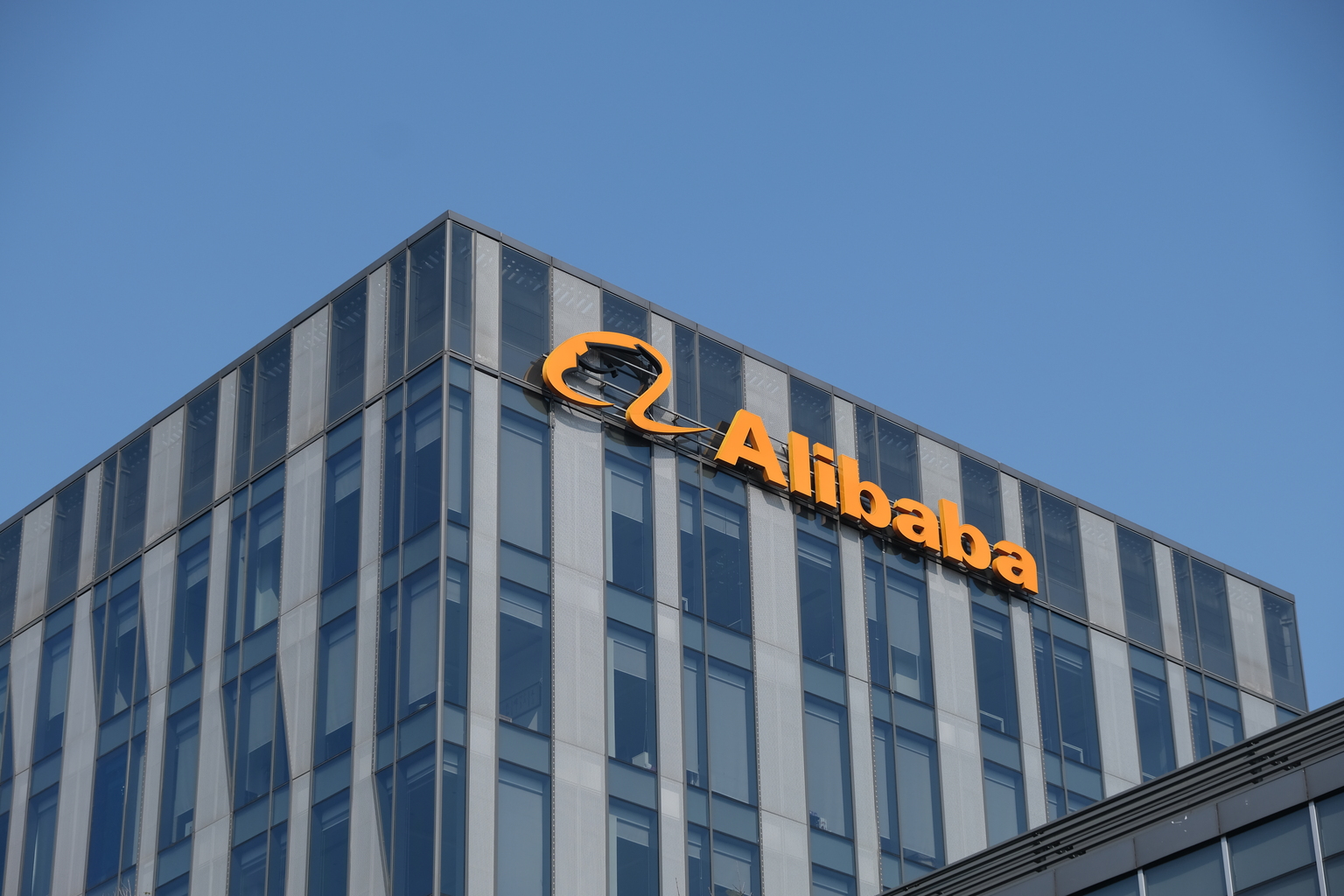
Alibaba Raises AI Computing and Storage Prices by Up to 34%

- Price Increase: Alibaba is raising prices for its AI computing and storage offerings by up to 34% due to strong demand and rising infrastructure costs, particularly for T-Head AI computing chips like the Zhenwu 810E, which will see price hikes ranging from 5% to 34%, indicating sustained market enthusiasm for AI technology.
- Storage Service Adjustment: The price of its Cloud Parallel File Storage service will increase by 30%, reflecting not only rising operational costs but also potentially impacting enterprise clients' budget allocations, which could affect Alibaba's competitiveness in the cloud computing market.
- New Platform Launch: Alibaba has launched a new enterprise-focused AI platform called Wukong, aimed at automating business tasks and enhancing its competitive position in China's rapidly growing AI agent market, a strategic move that is expected to further boost the company's market share in AI.
- Stock Price Reaction: Following the announcement of the price hikes, Alibaba's shares rose by 3.2% in Hong Kong, indicating that the market views the company's investments in AI and its future growth potential positively, which may attract more investor interest in its stock performance.
See More

Tencent's AI Products Shift Investor Sentiment in Tech Race
- AI Product Launch: Tencent has rolled out agentic AI products like QClaw and WorkBuddy to meet the growing demand for tools that execute real-world tasks, which is expected to enhance its position in China's tech competition.
- Ecosystem Integration: Tencent plans to integrate similar AI capabilities into its WeChat platform, which boasts 1.4 billion users, with a potential launch as soon as next month, significantly improving user experience and driving diversified applications.
- Positive Market Reaction: Since the rollout of its agentic AI services, Tencent's stock has risen approximately 4.7%, marking its best monthly performance relative to Alibaba in two years, with a market value increase of about $30 billion, reflecting market recognition of its platform integration strategy.
- Alibaba Facing Challenges: While Alibaba remains competitive technologically, concerns over execution have arisen due to the departure of a key developer and reported internal tensions, prompting the company to undertake a broader restructuring aimed at sharpening its focus on AI profitability.
See More

Alibaba Set to Release Quarterly Earnings Amid AI Investment Surge
- Earnings Expectations Decline: Alibaba is projected to report an EPS of $1.59, reflecting a 45.7% year-over-year drop, which raises concerns about its core e-commerce business, even as revenue is expected to rise by 9.8% to $42.16 billion, indicating potential in the AI sector.
- Strong Cloud Growth: The company’s cloud division is benefiting from surging AI demand, with plans to invest at least RMB 380 billion (approximately $53 billion) over the next three years to enhance its cloud computing and AI infrastructure, showcasing a long-term strategic commitment to technology.
- Price Increase Strategy: Alibaba is raising prices for its AI computing and storage services by up to 34% due to strong demand and rising infrastructure costs, aiming to improve profit margins while addressing intensifying market competition.
- Cautious Market Sentiment: While Morgan Stanley considers Alibaba a “global AI winner,” analysts express caution regarding its future growth, citing concerns over slowing economic growth in China and geopolitical tensions that pressure stock prices, reflecting investor worries about retail health and consumer confidence.
See More

Alibaba's Price Hikes Boost Stock Amid AI Expansion

- Alibaba Stock Surge: Alibaba's shares rose by 3% following the announcement of price increases of up to 34% for its AI computing and cloud storage services, reflecting strong demand and rising infrastructure costs, which is expected to enhance its competitive position in China's rapidly expanding AI market.
- DocuSign Strong Performance: DocuSign's stock increased by 2% after reporting a strong Q4 performance with an 8% year-over-year revenue growth and approving a $2 billion share repurchase authorization, indicating continued momentum in its e-signature and agreement cloud business.
- Rocket Lab Stock Decline: Rocket Lab's shares fell by 4% after entering an equity distribution agreement allowing it to raise up to $1 billion through common stock sales, which, while providing additional capital-raising capacity, raised concerns about potential dilution among investors.
- Lululemon Weak Guidance: Lululemon's stock dropped by 2% despite beating Q4 revenue and earnings expectations, as cautious sentiment emerged due to weak guidance and ongoing pressures in the Americas segment, leading to expectations of lower revenue and earnings in the upcoming quarters.
See More

David Tepper Increases Stake in Micron Technology

- Increased Micron Stake: David Tepper's fourth-quarter 13F filing reveals a purchase of 1 million shares of Micron Technology (MU), raising his total holdings to 1.5 million shares, making it Appaloosa's fourth-largest position, indicating strong confidence in Micron's growth potential in the AI sector.
- AI-Driven Market Demand: As a leading supplier of high-bandwidth memory, Micron benefits from insatiable demand for AI data center infrastructure, pushing its gross margin to 56% in the fiscal first quarter of 2025, a significant increase from 38.4% a year prior.
- Alibaba Stake Reduction: Tepper sold 1,312,069 shares of Alibaba Group (BABA) in the fourth quarter, reducing his stake by 57%, reflecting concerns about the company's future prospects amid geopolitical tensions.
- Valuation Considerations: Although Alibaba's forward P/E ratio of 15 remains attractive for an AI stock, Tepper may perceive its valuation as less appealing, particularly given the escalating trade tensions between the U.S. and China.
See More

Tepper Increases Micron Stake While Reducing Alibaba Holdings
- Micron Stake Increase: Billionaire David Tepper of Appaloosa increased his stake in Micron Technology (NASDAQ: MU) by purchasing 1 million shares in Q4, raising his total holdings to 1.5 million shares, making it his fourth-largest holding, reflecting strong confidence in high-bandwidth memory and AI data center infrastructure.
- Profitability Surge: Micron's gross margin soared to 56% in the fiscal Q1 of 2025, up from 38.4% a year prior, indicating robust enterprise demand coupled with limited supply, which has afforded the company exceptional pricing power in the market.
- Alibaba Stake Reduction: Tepper sold 1,312,069 shares of Alibaba Group (NYSE: BABA) in Q4, reducing his stake by 57%, potentially due to concerns over U.S.-China trade policies and a reassessment of Alibaba's valuation.
- Market Implications: Although Alibaba's forward P/E ratio stands at 15, considered relatively cheap for an AI stock, Tepper's reduction in holdings may signal a cautious outlook on future growth, particularly amid escalating geopolitical tensions.
See More
Alibaba Raises AI Computing and Storage Prices by Up to 34%
- Price Increase: Alibaba is raising prices for its AI computing and storage offerings by up to 34% due to strong demand and rising infrastructure costs, particularly for T-Head AI computing chips like the Zhenwu 810E, which will see price hikes ranging from 5% to 34%, indicating sustained market enthusiasm for AI technology.
- Storage Service Adjustment: The price of its Cloud Parallel File Storage service will increase by 30%, reflecting not only rising operational costs but also potentially impacting enterprise clients' budget allocations, which could affect Alibaba's competitiveness in the cloud computing market.
- New Platform Launch: Alibaba has launched a new enterprise-focused AI platform called Wukong, aimed at automating business tasks and enhancing its competitive position in China's rapidly growing AI agent market, a strategic move that is expected to further boost the company's market share in AI.
- Stock Price Reaction: Following the announcement of the price hikes, Alibaba's shares rose by 3.2% in Hong Kong, indicating that the market views the company's investments in AI and its future growth potential positively, which may attract more investor interest in its stock performance.
See More
Tencent's AI Products Shift Investor Sentiment in Tech Race
- AI Product Launch: Tencent has rolled out agentic AI products like QClaw and WorkBuddy to meet the growing demand for tools that execute real-world tasks, which is expected to enhance its position in China's tech competition.
- Ecosystem Integration: Tencent plans to integrate similar AI capabilities into its WeChat platform, which boasts 1.4 billion users, with a potential launch as soon as next month, significantly improving user experience and driving diversified applications.
- Positive Market Reaction: Since the rollout of its agentic AI services, Tencent's stock has risen approximately 4.7%, marking its best monthly performance relative to Alibaba in two years, with a market value increase of about $30 billion, reflecting market recognition of its platform integration strategy.
- Alibaba Facing Challenges: While Alibaba remains competitive technologically, concerns over execution have arisen due to the departure of a key developer and reported internal tensions, prompting the company to undertake a broader restructuring aimed at sharpening its focus on AI profitability.
See More
Alibaba Set to Release Quarterly Earnings Amid AI Investment Surge
- Earnings Expectations Decline: Alibaba is projected to report an EPS of $1.59, reflecting a 45.7% year-over-year drop, which raises concerns about its core e-commerce business, even as revenue is expected to rise by 9.8% to $42.16 billion, indicating potential in the AI sector.
- Strong Cloud Growth: The company’s cloud division is benefiting from surging AI demand, with plans to invest at least RMB 380 billion (approximately $53 billion) over the next three years to enhance its cloud computing and AI infrastructure, showcasing a long-term strategic commitment to technology.
- Price Increase Strategy: Alibaba is raising prices for its AI computing and storage services by up to 34% due to strong demand and rising infrastructure costs, aiming to improve profit margins while addressing intensifying market competition.
- Cautious Market Sentiment: While Morgan Stanley considers Alibaba a “global AI winner,” analysts express caution regarding its future growth, citing concerns over slowing economic growth in China and geopolitical tensions that pressure stock prices, reflecting investor worries about retail health and consumer confidence.
See More
Alibaba's Price Hikes Boost Stock Amid AI Expansion
- Alibaba Stock Surge: Alibaba's shares rose by 3% following the announcement of price increases of up to 34% for its AI computing and cloud storage services, reflecting strong demand and rising infrastructure costs, which is expected to enhance its competitive position in China's rapidly expanding AI market.
- DocuSign Strong Performance: DocuSign's stock increased by 2% after reporting a strong Q4 performance with an 8% year-over-year revenue growth and approving a $2 billion share repurchase authorization, indicating continued momentum in its e-signature and agreement cloud business.
- Rocket Lab Stock Decline: Rocket Lab's shares fell by 4% after entering an equity distribution agreement allowing it to raise up to $1 billion through common stock sales, which, while providing additional capital-raising capacity, raised concerns about potential dilution among investors.
- Lululemon Weak Guidance: Lululemon's stock dropped by 2% despite beating Q4 revenue and earnings expectations, as cautious sentiment emerged due to weak guidance and ongoing pressures in the Americas segment, leading to expectations of lower revenue and earnings in the upcoming quarters.
See More
David Tepper Increases Stake in Micron Technology
- Increased Micron Stake: David Tepper's fourth-quarter 13F filing reveals a purchase of 1 million shares of Micron Technology (MU), raising his total holdings to 1.5 million shares, making it Appaloosa's fourth-largest position, indicating strong confidence in Micron's growth potential in the AI sector.
- AI-Driven Market Demand: As a leading supplier of high-bandwidth memory, Micron benefits from insatiable demand for AI data center infrastructure, pushing its gross margin to 56% in the fiscal first quarter of 2025, a significant increase from 38.4% a year prior.
- Alibaba Stake Reduction: Tepper sold 1,312,069 shares of Alibaba Group (BABA) in the fourth quarter, reducing his stake by 57%, reflecting concerns about the company's future prospects amid geopolitical tensions.
- Valuation Considerations: Although Alibaba's forward P/E ratio of 15 remains attractive for an AI stock, Tepper may perceive its valuation as less appealing, particularly given the escalating trade tensions between the U.S. and China.
See More
Tepper Increases Micron Stake While Reducing Alibaba Holdings
- Micron Stake Increase: Billionaire David Tepper of Appaloosa increased his stake in Micron Technology (NASDAQ: MU) by purchasing 1 million shares in Q4, raising his total holdings to 1.5 million shares, making it his fourth-largest holding, reflecting strong confidence in high-bandwidth memory and AI data center infrastructure.
- Profitability Surge: Micron's gross margin soared to 56% in the fiscal Q1 of 2025, up from 38.4% a year prior, indicating robust enterprise demand coupled with limited supply, which has afforded the company exceptional pricing power in the market.
- Alibaba Stake Reduction: Tepper sold 1,312,069 shares of Alibaba Group (NYSE: BABA) in Q4, reducing his stake by 57%, potentially due to concerns over U.S.-China trade policies and a reassessment of Alibaba's valuation.
- Market Implications: Although Alibaba's forward P/E ratio stands at 15, considered relatively cheap for an AI stock, Tepper's reduction in holdings may signal a cautious outlook on future growth, particularly amid escalating geopolitical tensions.
See More