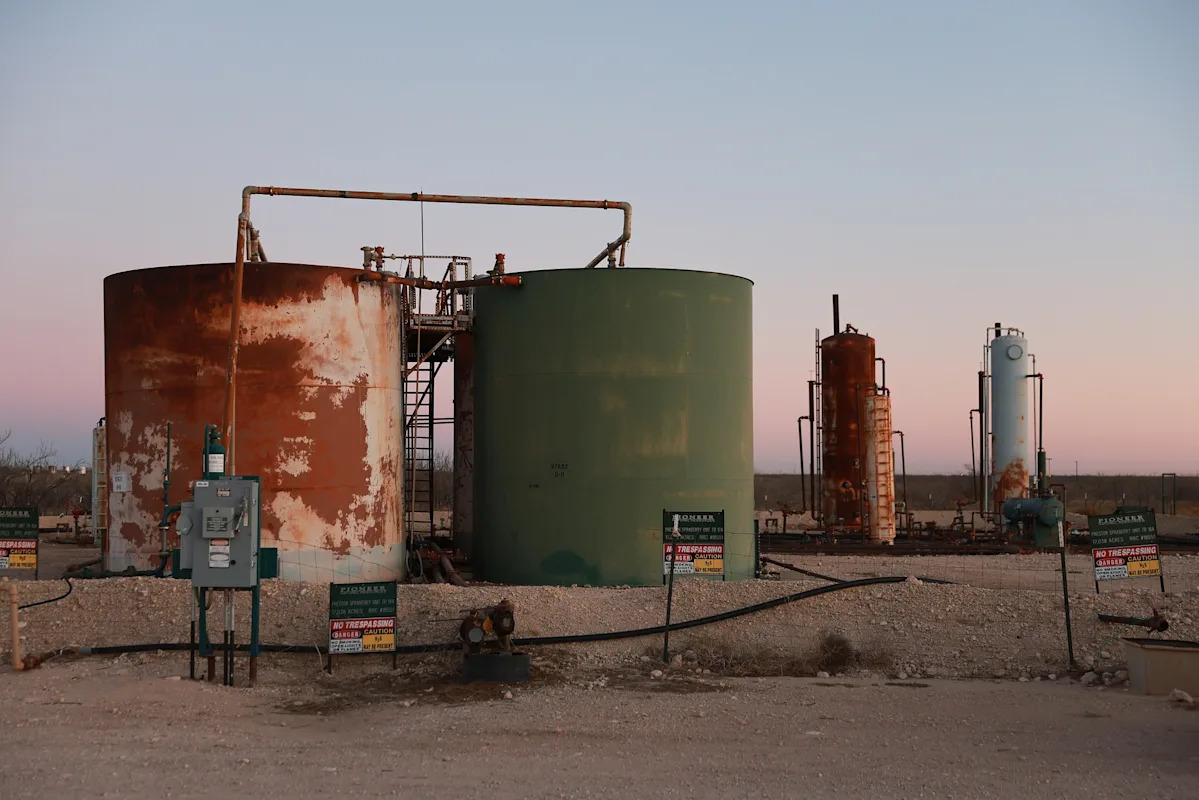
Boeing's 777-9 Program Advances in FAA Certification Process
Written by Emily J. Thompson, Senior Investment Analyst
Updated: 1 hour ago
0mins
Should l Buy BA?
Source: seekingalpha
- Certification Progress: The FAA has approved Boeing (BA) to advance its 777-9 program to the next stage of certification testing, marking a significant milestone for the long-delayed aircraft project, which is expected to generate substantial cash inflows for Boeing.
- Financial Implications: The 777-9 is central to Boeing's future cash generation as it anchors the widebody backlog, with deliveries expected to unlock billions in deferred revenue, improve cash flow, and support debt reduction efforts.
- Testing Program Expansion: The fourth phase of testing is divided into parts 4A and 4B, with a workload comparable to the previous phase, allowing Boeing (BA) to initiate new stages without fully completing earlier ones, thereby enhancing testing efficiency.
- Next Steps: After completing Phase 4, the program will transition into a more limited fifth phase of testing, followed by additional evaluations, including system reliability checks, ensuring the aircraft is close to delivery configuration to meet regulatory standards.
Trade with 70% Backtested Accuracy
Stop guessing "Should I Buy BA?" and start using high-conviction signals backed by rigorous historical data.
Sign up today to access powerful investing tools and make smarter, data-driven decisions.
Analyst Views on BA
Wall Street analysts forecast BA stock price to rise
16 Analyst Rating
14 Buy
1 Hold
1 Sell
Strong Buy
Current: 210.820

Low
150.00
Averages
269.14
High
298.00
Current: 210.820
Low
150.00
Averages
269.14
High
298.00
About BA
The Boeing Company is an aerospace company. Its segments include Commercial Airplanes (BCA), Defense, Space & Security (BDS), and Global Services (BGS). Its BCA segment develops, produces and markets commercial jet aircraft principally for the commercial airline industry worldwide. Its family of commercial jet aircraft in production includes the 737 narrow-body model and the 767, 777 and 787 wide-body models. Its BDS segment is engaged in the research, development, production and modification of manned and unmanned military aircraft and weapons systems for strike, surveillance and mobility. Its BGS segment provides services to its commercial and defense customers worldwide. It sustains aerospace platforms and systems with a range of products and services, including supply chain and logistics management, engineering, maintenance and modifications, upgrades and conversions, spare parts, pilot and maintenance training systems and services, technical and maintenance documents, and others.
About the author

Emily J. Thompson
Emily J. Thompson, a Chartered Financial Analyst (CFA) with 12 years in investment research, graduated with honors from the Wharton School. Specializing in industrial and technology stocks, she provides in-depth analysis for Intellectia’s earnings and market brief reports.

Boeing's 777-9 Program Advances in FAA Certification Process

- Certification Progress: The FAA has approved Boeing (BA) to advance its 777-9 program to the next stage of certification testing, marking a significant milestone for the long-delayed aircraft project, which is expected to generate substantial cash inflows for Boeing.
- Financial Implications: The 777-9 is central to Boeing's future cash generation as it anchors the widebody backlog, with deliveries expected to unlock billions in deferred revenue, improve cash flow, and support debt reduction efforts.
- Testing Program Expansion: The fourth phase of testing is divided into parts 4A and 4B, with a workload comparable to the previous phase, allowing Boeing (BA) to initiate new stages without fully completing earlier ones, thereby enhancing testing efficiency.
- Next Steps: After completing Phase 4, the program will transition into a more limited fifth phase of testing, followed by additional evaluations, including system reliability checks, ensuring the aircraft is close to delivery configuration to meet regulatory standards.
See More

Wholesale Prices Surge, Inflation Heats Up

- PPI Increase: The Producer Price Index (PPI) rose by 0.7% in February, pushing annual wholesale inflation to 3.4%, exceeding the 0.3% consensus, indicating heightened inflationary pressures that may compel the Federal Reserve to maintain high interest rates, thereby impacting margins for the S&P 500 and tech stocks.
- Rising Energy Costs: Brent crude prices surged 4% to $107, driven by Iranian attacks on UAE infrastructure, exacerbating stagflation concerns and potentially undermining investor confidence in tech stocks amid rising operational costs.
- Williams-Sonoma Earnings Focus: Williams-Sonoma is expected to report its Q4 fiscal 2025 earnings before market open, with investors keenly watching the impact of tariffs on margins and the company's mitigation strategies, as any deviation could significantly affect revenue and profit outcomes.
- AI-Driven Operational Efficiencies: The company has highlighted early benefits from AI in customer service and supply chain, prompting investors to look for further evidence of cost savings and productivity gains in the Q4 results.
See More

Market Sell-Offs Present Buying Opportunities
- Hexcel's Growth Potential: Hexcel is projected to achieve double-digit sales growth through 2028, with earnings growing at 17.1% annually and free cash flow (FCF) at 25% annually, indicating strong long-term growth prospects amid a recovery in aircraft production.
- GXO Logistics Market Outlook: Despite facing revenue retraction in 2023 and 2024, GXO anticipates mid-single-digit organic growth by 2026, reflecting robust long-term growth potential as e-commerce logistics demand rebounds.
- Aerospace Manufacturing Demand: Hexcel's advanced composites for Boeing and Airbus significantly reduce fuel costs and emissions, with each Boeing 777X potentially generating $2 million in revenue, further solidifying its market position in the aerospace sector.
- Investment Value Assessment: GXO's FCF guidance trades at 18.3 times the midpoint for 2026, indicating strong value under robust long-term growth opportunities, while Hexcel's valuation at 31 times suggests optimism for its long-term growth despite higher near-term costs.
See More

Investment Potential of Hexcel and GXO Logistics
- Hexcel's Growth Prospects: Hexcel supplies advanced lightweight composites to Boeing and Airbus, with projected sales growth at a double-digit annual rate, earnings increasing by 17.1% annually, and free cash flow (FCF) growing at 25% annually through 2028, indicating significant benefits from the aerospace industry's recovery.
- Market Demand in Aviation: The introduction of new aircraft models like the Boeing 777X and Airbus A350 allows Hexcel to generate $2 million to $5 million in revenue per aircraft, underscoring its critical role and future profitability potential in the aerospace manufacturing sector.
- GXO Logistics Market Dynamics: As a leader in e-commerce logistics warehousing, GXO benefited during the pandemic, and despite facing revenue retraction in 2023 and 2024, it is expected to achieve mid-single-digit organic growth by 2026, demonstrating resilience in its long-term growth outlook.
- Technology-Driven Logistics Outsourcing: With increasing automation, robotics, and artificial intelligence in warehousing, GXO's business model is becoming more competitive, with projected revenue growth at a mid-single-digit rate, earnings growing at 10% annually, and FCF increasing by 18% annually.
See More
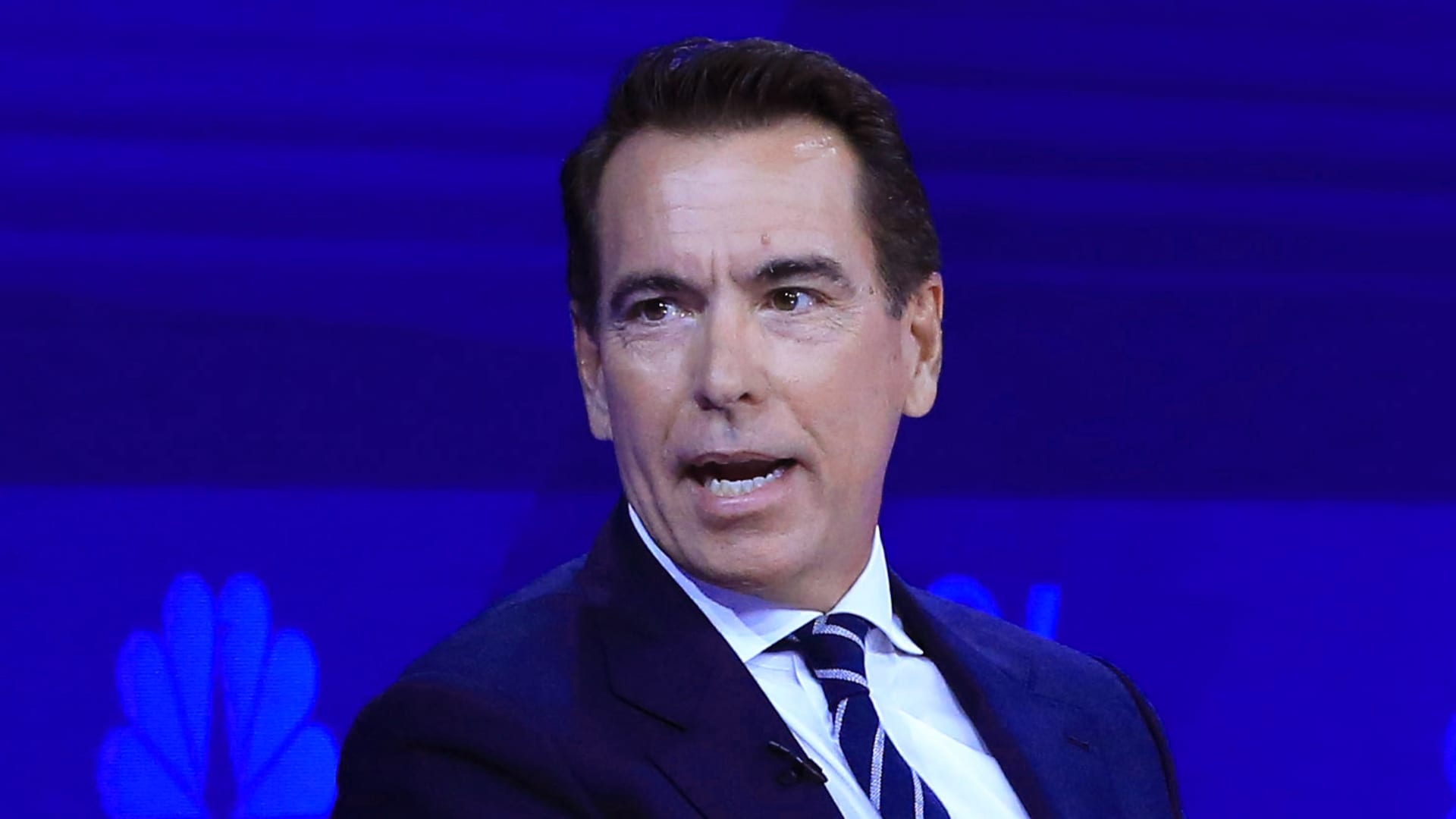
Orlando Bravo Responds to Criticism of Private Markets

- Investor Confidence: Orlando Bravo emphasized that Thoma Bravo's investor base, which includes major U.S. pension funds and global sovereign wealth funds, remains confident due to the firm's long track record and transparency, despite increasing scrutiny on private market valuations and liquidity.
- Sector Expertise Advantage: Bravo noted that Thoma Bravo's deep sector expertise in private equity allows its portfolio companies to excel amid the disruptions caused by artificial intelligence in the software industry, particularly highlighting that the performance of its 77 companies significantly exceeds market expectations.
- Market Risk Warning: Morgan Stanley forecasts that direct lending default rates will reach about 8%, nearing pandemic-era peaks, and Bravo acknowledged overpaying for Medallia, admitting that they overestimated the company's future growth, which has impacted investor confidence.
- Public Market Comparison: Bravo highlighted a stark contrast between private equity-owned companies and many publicly traded software firms, which face accelerating disruption from AI, asserting that recent valuation declines in some public companies are
See More
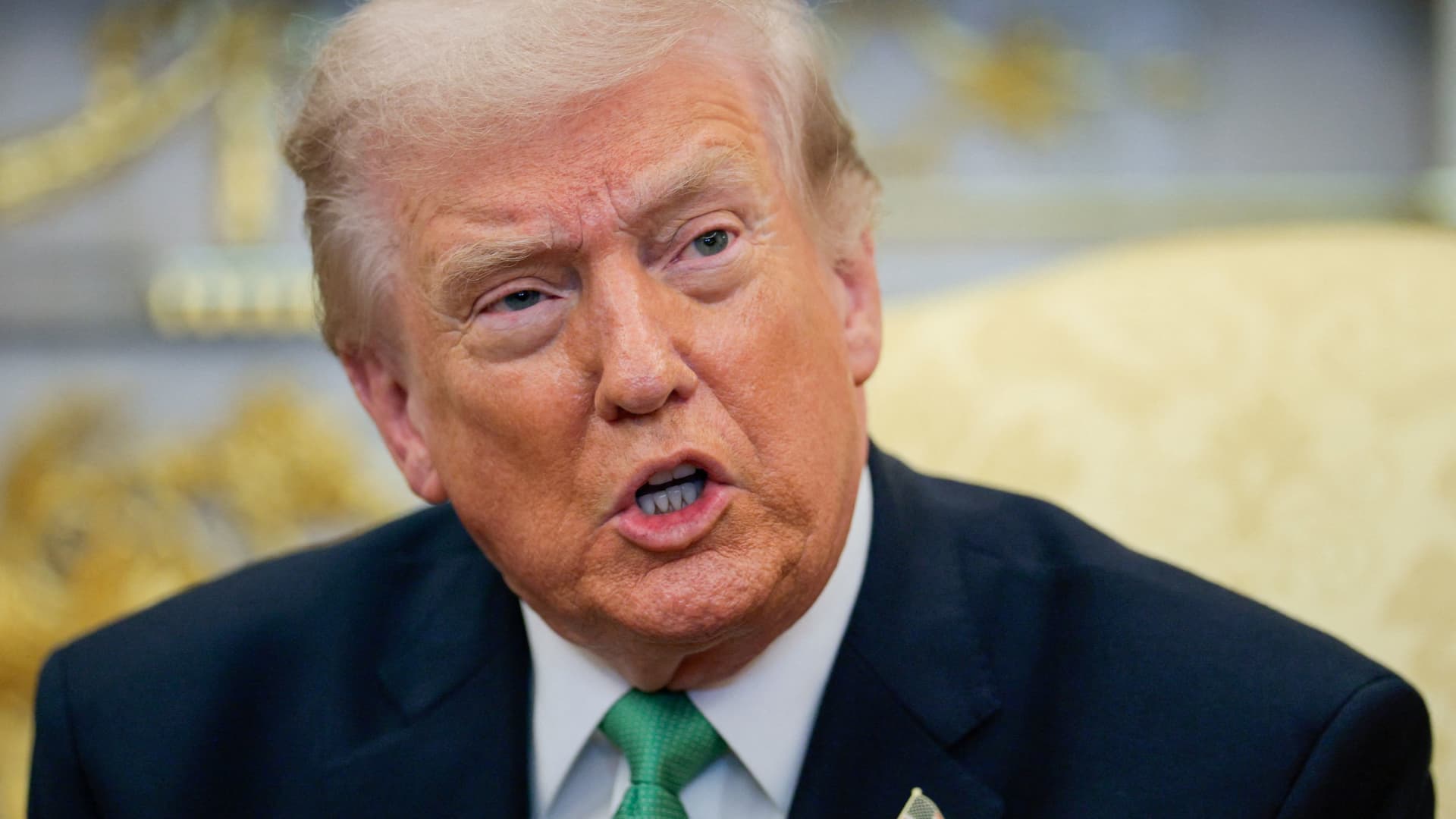
Trump Criticizes NATO Allies for Reluctance in Iran War


- Trump's NATO Criticism: During a meeting with the Irish Prime Minister, Trump criticized NATO allies for their reluctance to engage in the Iran war, labeling it a “foolish mistake,” which could strain U.S.-NATO relations further.
- U.S. Independence from NATO: Trump asserted that the U.S. does not require NATO's assistance in its military operations in Iran, claiming that recent military successes have made such support unnecessary, potentially diminishing NATO members' willingness to support U.S. initiatives.
- Oil Price Surge: Following Trump's remarks, oil prices rose sharply, indicating market skepticism regarding the likelihood of a multistate coalition reopening the vital Strait of Hormuz, which could destabilize global oil markets.
- Potential Delay in U.S.-China Summit: Trump suggested that his anticipated meeting with President Xi Jinping might be postponed, reflecting the complexities of international relations amid the Iran war and ongoing U.S. investigations into Chinese trade practices.
See More
Boeing's 777-9 Program Advances in FAA Certification Process
- Certification Progress: The FAA has approved Boeing (BA) to advance its 777-9 program to the next stage of certification testing, marking a significant milestone for the long-delayed aircraft project, which is expected to generate substantial cash inflows for Boeing.
- Financial Implications: The 777-9 is central to Boeing's future cash generation as it anchors the widebody backlog, with deliveries expected to unlock billions in deferred revenue, improve cash flow, and support debt reduction efforts.
- Testing Program Expansion: The fourth phase of testing is divided into parts 4A and 4B, with a workload comparable to the previous phase, allowing Boeing (BA) to initiate new stages without fully completing earlier ones, thereby enhancing testing efficiency.
- Next Steps: After completing Phase 4, the program will transition into a more limited fifth phase of testing, followed by additional evaluations, including system reliability checks, ensuring the aircraft is close to delivery configuration to meet regulatory standards.
See More
Wholesale Prices Surge, Inflation Heats Up
- PPI Increase: The Producer Price Index (PPI) rose by 0.7% in February, pushing annual wholesale inflation to 3.4%, exceeding the 0.3% consensus, indicating heightened inflationary pressures that may compel the Federal Reserve to maintain high interest rates, thereby impacting margins for the S&P 500 and tech stocks.
- Rising Energy Costs: Brent crude prices surged 4% to $107, driven by Iranian attacks on UAE infrastructure, exacerbating stagflation concerns and potentially undermining investor confidence in tech stocks amid rising operational costs.
- Williams-Sonoma Earnings Focus: Williams-Sonoma is expected to report its Q4 fiscal 2025 earnings before market open, with investors keenly watching the impact of tariffs on margins and the company's mitigation strategies, as any deviation could significantly affect revenue and profit outcomes.
- AI-Driven Operational Efficiencies: The company has highlighted early benefits from AI in customer service and supply chain, prompting investors to look for further evidence of cost savings and productivity gains in the Q4 results.
See More
Market Sell-Offs Present Buying Opportunities
- Hexcel's Growth Potential: Hexcel is projected to achieve double-digit sales growth through 2028, with earnings growing at 17.1% annually and free cash flow (FCF) at 25% annually, indicating strong long-term growth prospects amid a recovery in aircraft production.
- GXO Logistics Market Outlook: Despite facing revenue retraction in 2023 and 2024, GXO anticipates mid-single-digit organic growth by 2026, reflecting robust long-term growth potential as e-commerce logistics demand rebounds.
- Aerospace Manufacturing Demand: Hexcel's advanced composites for Boeing and Airbus significantly reduce fuel costs and emissions, with each Boeing 777X potentially generating $2 million in revenue, further solidifying its market position in the aerospace sector.
- Investment Value Assessment: GXO's FCF guidance trades at 18.3 times the midpoint for 2026, indicating strong value under robust long-term growth opportunities, while Hexcel's valuation at 31 times suggests optimism for its long-term growth despite higher near-term costs.
See More
Investment Potential of Hexcel and GXO Logistics
- Hexcel's Growth Prospects: Hexcel supplies advanced lightweight composites to Boeing and Airbus, with projected sales growth at a double-digit annual rate, earnings increasing by 17.1% annually, and free cash flow (FCF) growing at 25% annually through 2028, indicating significant benefits from the aerospace industry's recovery.
- Market Demand in Aviation: The introduction of new aircraft models like the Boeing 777X and Airbus A350 allows Hexcel to generate $2 million to $5 million in revenue per aircraft, underscoring its critical role and future profitability potential in the aerospace manufacturing sector.
- GXO Logistics Market Dynamics: As a leader in e-commerce logistics warehousing, GXO benefited during the pandemic, and despite facing revenue retraction in 2023 and 2024, it is expected to achieve mid-single-digit organic growth by 2026, demonstrating resilience in its long-term growth outlook.
- Technology-Driven Logistics Outsourcing: With increasing automation, robotics, and artificial intelligence in warehousing, GXO's business model is becoming more competitive, with projected revenue growth at a mid-single-digit rate, earnings growing at 10% annually, and FCF increasing by 18% annually.
See More
Orlando Bravo Responds to Criticism of Private Markets
- Investor Confidence: Orlando Bravo emphasized that Thoma Bravo's investor base, which includes major U.S. pension funds and global sovereign wealth funds, remains confident due to the firm's long track record and transparency, despite increasing scrutiny on private market valuations and liquidity.
- Sector Expertise Advantage: Bravo noted that Thoma Bravo's deep sector expertise in private equity allows its portfolio companies to excel amid the disruptions caused by artificial intelligence in the software industry, particularly highlighting that the performance of its 77 companies significantly exceeds market expectations.
- Market Risk Warning: Morgan Stanley forecasts that direct lending default rates will reach about 8%, nearing pandemic-era peaks, and Bravo acknowledged overpaying for Medallia, admitting that they overestimated the company's future growth, which has impacted investor confidence.
- Public Market Comparison: Bravo highlighted a stark contrast between private equity-owned companies and many publicly traded software firms, which face accelerating disruption from AI, asserting that recent valuation declines in some public companies are
See More
Trump Criticizes NATO Allies for Reluctance in Iran War
- Trump's NATO Criticism: During a meeting with the Irish Prime Minister, Trump criticized NATO allies for their reluctance to engage in the Iran war, labeling it a “foolish mistake,” which could strain U.S.-NATO relations further.
- U.S. Independence from NATO: Trump asserted that the U.S. does not require NATO's assistance in its military operations in Iran, claiming that recent military successes have made such support unnecessary, potentially diminishing NATO members' willingness to support U.S. initiatives.
- Oil Price Surge: Following Trump's remarks, oil prices rose sharply, indicating market skepticism regarding the likelihood of a multistate coalition reopening the vital Strait of Hormuz, which could destabilize global oil markets.
- Potential Delay in U.S.-China Summit: Trump suggested that his anticipated meeting with President Xi Jinping might be postponed, reflecting the complexities of international relations amid the Iran war and ongoing U.S. investigations into Chinese trade practices.
See More