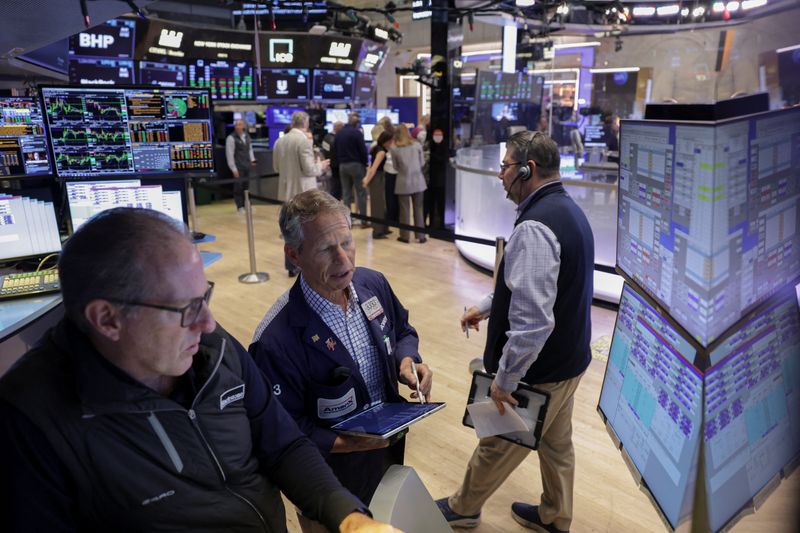
Target Issues Cautious Outlook, Shares Decline
Written by Emily J. Thompson, Senior Investment Analyst
Updated: 11 hours ago
0mins
Should l Buy TGT?
Source: seekingalpha
- Consumer Sentiment Decline: Target's CEO Michael Fiddelke highlighted recent dips in consumer sentiment, leading to a cautious outlook that could negatively impact sales growth and stock performance.
- Sales Comparison Pressure: CFO James Lee reminded investors that Target faces tougher sales comparisons in Q2, particularly against the Nintendo Switch launch, which may pressure performance.
- Divergent Analyst Views: BNP Paribas analyst Chris Bottiglieri noted that while Target's top line beat sell-side consensus, it aligned with elevated buy-side expectations, indicating broad strength in e-commerce and advertising.
- Stock Volatility: Despite a 7.2% drop in Target's shares during early trading on Wednesday, the stock is still up over 20% year-to-date, reflecting market confidence in its long-term growth potential.
Trade with 70% Backtested Accuracy
Stop guessing "Should I Buy TGT?" and start using high-conviction signals backed by rigorous historical data.
Sign up today to access powerful investing tools and make smarter, data-driven decisions.
Analyst Views on TGT
Wall Street analysts forecast TGT stock price to fall
26 Analyst Rating
8 Buy
14 Hold
4 Sell
Hold
Current: 127.240

Low
80.00
Averages
98.83
High
126.00
Current: 127.240
Low
80.00
Averages
98.83
High
126.00
About TGT
Target Corporation is a general merchandise retailer selling products to its guests through its stores and digital channels. The Company offers customers, referred to as guests, differentiated merchandise and everyday essentials at discounted prices. The majority of its stores offer a wide assortment of general merchandise and groceries. Its merchandise categories include apparel and accessories, beauty, food and beverage, hardlines, home furnishings and decor, household essentials, and other merchandise sales. Most of its stores are larger than over 170,000 square feet, offer a variety of general merchandise and a full line of groceries comparable to traditional supermarkets. Its digital channels include merchandise assortment, including many items found in its stores, along with a complementary assortment sold by the Company and third parties through our Target Plus digital marketplace. Its brands include A New Day, All in Motion, Art Class, Auden, Ava & Viv, among others.
About the author

Emily J. Thompson
Emily J. Thompson, a Chartered Financial Analyst (CFA) with 12 years in investment research, graduated with honors from the Wharton School. Specializing in industrial and technology stocks, she provides in-depth analysis for Intellectia’s earnings and market brief reports.
Target Issues Cautious Outlook, Shares Decline

- Consumer Sentiment Decline: Target's CEO Michael Fiddelke highlighted recent dips in consumer sentiment, leading to a cautious outlook that could negatively impact sales growth and stock performance.
- Sales Comparison Pressure: CFO James Lee reminded investors that Target faces tougher sales comparisons in Q2, particularly against the Nintendo Switch launch, which may pressure performance.
- Divergent Analyst Views: BNP Paribas analyst Chris Bottiglieri noted that while Target's top line beat sell-side consensus, it aligned with elevated buy-side expectations, indicating broad strength in e-commerce and advertising.
- Stock Volatility: Despite a 7.2% drop in Target's shares during early trading on Wednesday, the stock is still up over 20% year-to-date, reflecting market confidence in its long-term growth potential.
See More
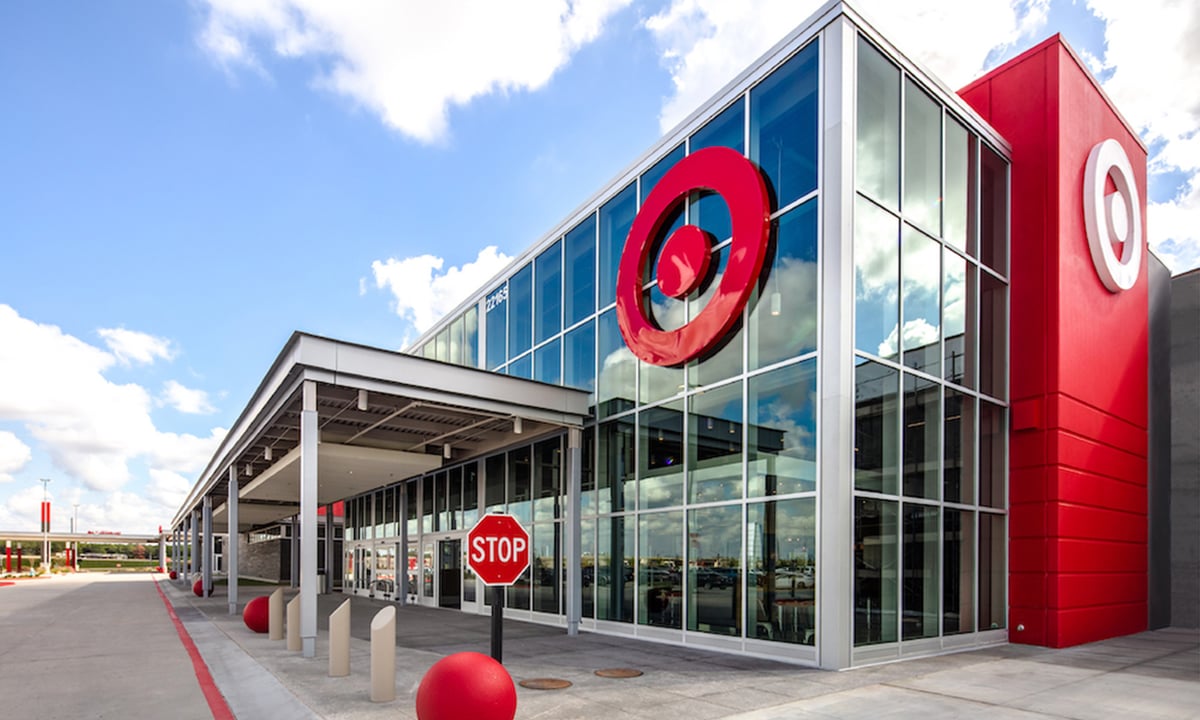
Target Issues Cautious Outlook, Shares Decline

- Significant Sales Growth: Target reported a 6.7% increase in first-quarter sales to $25.4 billion, with comparable store sales rising 4.7%, indicating strong market demand despite high inflation and competitive pressures, which may enhance brand perception.
- Increased Capital Expenditure: To attract shoppers, Target raised its capital expenditures by 31% to $1 billion for new stores and remodels, which, while increasing short-term costs, could strengthen customer loyalty through improved shopping experiences in the long run.
- Margin Improvement: Target's gross margin improved from 28.2% to 29% year-over-year, driven by enhanced supply chain efficiency and growth in high-margin advertising revenue, which will help maintain profitability in a competitive retail landscape.
- Cautious Outlook: Although Target raised its full-year sales growth forecast to 4%, management expressed concerns over declining consumer sentiment, with the CFO emphasizing that a cautious outlook may better position the company to navigate future uncertainties.
See More

Target's Turnaround Strategy Shows Progress Amid Caution
- Significant Sales Growth: Target's Q1 sales reached $25.4 billion, reflecting a 6.7% year-over-year increase, with comparable store sales rising 4.7%, indicating initial success of its turnaround strategy despite macroeconomic challenges.
- Increased Capital Expenditures: The company raised its capital expenditures by 31% to $1 billion for new stores and remodels, aiming to enhance product quality to attract more consumers, despite rising costs.
- Improved Gross Margin: Target's gross margin increased to 29% from 28.2% year-over-year, primarily driven by supply chain efficiency improvements and growth in high-margin advertising revenue, further bolstering profitability.
- Cautious Outlook: While management raised its full-year sales growth forecast to 4%, CFO noted a recent decline in consumer sentiment, emphasizing a cautious market strategy to navigate future uncertainties.
See More
Target Issues Cautious Outlook, Shares Decline

- Significant Sales Growth: Target reported first-quarter sales of $25.4 billion, a 6.7% increase year-over-year, with comparable store sales rising 4.7%, indicating strong consumer demand despite ongoing challenges.
- Increased Capital Expenditures: To enhance product quality and attract shoppers, Target's capital expenditures surged by 31% to $1 billion for new stores and remodels, which, while increasing short-term costs, is expected to bolster long-term competitiveness.
- Improved Gross Margin: Target's gross margin improved to 29% from 28.2% a year ago, primarily driven by enhanced supply chain efficiencies and growth in high-margin advertising revenue, showcasing the company's success in cost management.
- Cautious Outlook: Although Target raised its full-year sales growth forecast to 4%, CFO Jim Lee noted a recent decline in consumer sentiment, emphasizing the need for a cautious market strategy to navigate the uncertain macroeconomic environment.
See More

U.S. Stocks Surge as Oil Prices Plunge, Boosting Market Sentiment


- Market Recovery: The S&P 500 Index rose by 1.08%, the Dow Jones Industrial Average increased by 1.31%, and the Nasdaq 100 Index climbed by 1.66%, reflecting renewed investor confidence in economic recovery, particularly amid a significant drop in oil prices.
- Oil Price Plunge: Crude oil prices fell by over 5% due to hopes for an end to the Iran conflict, which not only lowered inflation expectations but also caused the 10-year Treasury yield to drop by 10 basis points to 4.57%, providing support for the bond market.
- Semiconductor Stocks Rally: Nvidia rose more than 1% ahead of its earnings report, with Q1 sales expected to increase by 80%, drawing market attention to its production ramp-up and competitive strategies, positively impacting the overall tech sector.
- Mortgage Applications Decline: U.S. MBA mortgage applications fell by 2.3% for the week ending May 1, with the purchase mortgage sub-index down 4.1%, indicating pressure on the housing market from high interest rates, as the average 30-year fixed mortgage rate rose to 6.56%.
See More
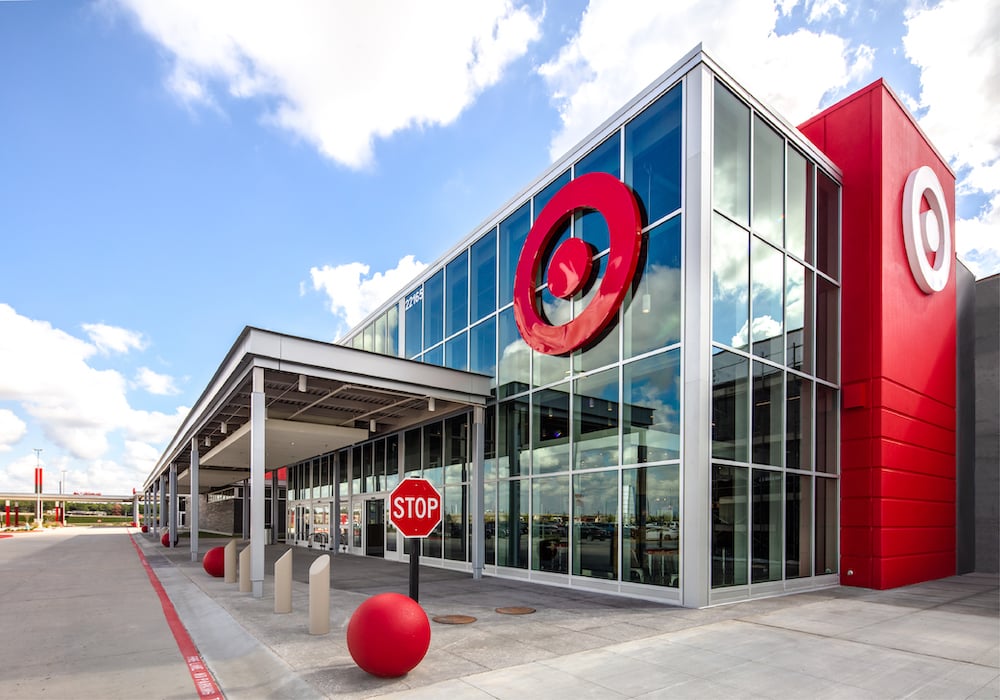
Target Reports Strong Sales Growth Amid Recovery Efforts
- Significant Sales Growth: Target reported a 5.6% increase in comparable sales, marking its best performance in years, with overall revenue rising 6.7% to $25.44 billion, surpassing market expectations of $24.66 billion, indicating early success of its strategic initiatives.
- Margin Improvement: The adjusted operating margin increased from 3.7% to 4.5%, and adjusted earnings per share rose from $1.30 to $1.71, exceeding the consensus estimate of $1.46, reflecting effective cost control and sales growth strategies.
- Upgraded Full-Year Guidance: Target raised its full-year net sales growth forecast from 2% to approximately 4%, expecting sales growth in every quarter, demonstrating management's confidence in future performance and optimistic market demand.
- Cautious Market Reaction: Despite strong results, Target's stock fell 4.8% post-earnings, partly due to tougher year-over-year comparisons and weak consumer sentiment, with management's cautious outlook potentially affecting investor confidence.
See More
Target Issues Cautious Outlook, Shares Decline
- Consumer Sentiment Decline: Target's CEO Michael Fiddelke highlighted recent dips in consumer sentiment, leading to a cautious outlook that could negatively impact sales growth and stock performance.
- Sales Comparison Pressure: CFO James Lee reminded investors that Target faces tougher sales comparisons in Q2, particularly against the Nintendo Switch launch, which may pressure performance.
- Divergent Analyst Views: BNP Paribas analyst Chris Bottiglieri noted that while Target's top line beat sell-side consensus, it aligned with elevated buy-side expectations, indicating broad strength in e-commerce and advertising.
- Stock Volatility: Despite a 7.2% drop in Target's shares during early trading on Wednesday, the stock is still up over 20% year-to-date, reflecting market confidence in its long-term growth potential.
See More
Target Issues Cautious Outlook, Shares Decline
- Significant Sales Growth: Target reported a 6.7% increase in first-quarter sales to $25.4 billion, with comparable store sales rising 4.7%, indicating strong market demand despite high inflation and competitive pressures, which may enhance brand perception.
- Increased Capital Expenditure: To attract shoppers, Target raised its capital expenditures by 31% to $1 billion for new stores and remodels, which, while increasing short-term costs, could strengthen customer loyalty through improved shopping experiences in the long run.
- Margin Improvement: Target's gross margin improved from 28.2% to 29% year-over-year, driven by enhanced supply chain efficiency and growth in high-margin advertising revenue, which will help maintain profitability in a competitive retail landscape.
- Cautious Outlook: Although Target raised its full-year sales growth forecast to 4%, management expressed concerns over declining consumer sentiment, with the CFO emphasizing that a cautious outlook may better position the company to navigate future uncertainties.
See More
Target's Turnaround Strategy Shows Progress Amid Caution
- Significant Sales Growth: Target's Q1 sales reached $25.4 billion, reflecting a 6.7% year-over-year increase, with comparable store sales rising 4.7%, indicating initial success of its turnaround strategy despite macroeconomic challenges.
- Increased Capital Expenditures: The company raised its capital expenditures by 31% to $1 billion for new stores and remodels, aiming to enhance product quality to attract more consumers, despite rising costs.
- Improved Gross Margin: Target's gross margin increased to 29% from 28.2% year-over-year, primarily driven by supply chain efficiency improvements and growth in high-margin advertising revenue, further bolstering profitability.
- Cautious Outlook: While management raised its full-year sales growth forecast to 4%, CFO noted a recent decline in consumer sentiment, emphasizing a cautious market strategy to navigate future uncertainties.
See More
Target Issues Cautious Outlook, Shares Decline
- Significant Sales Growth: Target reported first-quarter sales of $25.4 billion, a 6.7% increase year-over-year, with comparable store sales rising 4.7%, indicating strong consumer demand despite ongoing challenges.
- Increased Capital Expenditures: To enhance product quality and attract shoppers, Target's capital expenditures surged by 31% to $1 billion for new stores and remodels, which, while increasing short-term costs, is expected to bolster long-term competitiveness.
- Improved Gross Margin: Target's gross margin improved to 29% from 28.2% a year ago, primarily driven by enhanced supply chain efficiencies and growth in high-margin advertising revenue, showcasing the company's success in cost management.
- Cautious Outlook: Although Target raised its full-year sales growth forecast to 4%, CFO Jim Lee noted a recent decline in consumer sentiment, emphasizing the need for a cautious market strategy to navigate the uncertain macroeconomic environment.
See More
U.S. Stocks Surge as Oil Prices Plunge, Boosting Market Sentiment
- Market Recovery: The S&P 500 Index rose by 1.08%, the Dow Jones Industrial Average increased by 1.31%, and the Nasdaq 100 Index climbed by 1.66%, reflecting renewed investor confidence in economic recovery, particularly amid a significant drop in oil prices.
- Oil Price Plunge: Crude oil prices fell by over 5% due to hopes for an end to the Iran conflict, which not only lowered inflation expectations but also caused the 10-year Treasury yield to drop by 10 basis points to 4.57%, providing support for the bond market.
- Semiconductor Stocks Rally: Nvidia rose more than 1% ahead of its earnings report, with Q1 sales expected to increase by 80%, drawing market attention to its production ramp-up and competitive strategies, positively impacting the overall tech sector.
- Mortgage Applications Decline: U.S. MBA mortgage applications fell by 2.3% for the week ending May 1, with the purchase mortgage sub-index down 4.1%, indicating pressure on the housing market from high interest rates, as the average 30-year fixed mortgage rate rose to 6.56%.
See More
Target Reports Strong Sales Growth Amid Recovery Efforts
- Significant Sales Growth: Target reported a 5.6% increase in comparable sales, marking its best performance in years, with overall revenue rising 6.7% to $25.44 billion, surpassing market expectations of $24.66 billion, indicating early success of its strategic initiatives.
- Margin Improvement: The adjusted operating margin increased from 3.7% to 4.5%, and adjusted earnings per share rose from $1.30 to $1.71, exceeding the consensus estimate of $1.46, reflecting effective cost control and sales growth strategies.
- Upgraded Full-Year Guidance: Target raised its full-year net sales growth forecast from 2% to approximately 4%, expecting sales growth in every quarter, demonstrating management's confidence in future performance and optimistic market demand.
- Cautious Market Reaction: Despite strong results, Target's stock fell 4.8% post-earnings, partly due to tougher year-over-year comparisons and weak consumer sentiment, with management's cautious outlook potentially affecting investor confidence.
See More