Taiwan's Market Valuation Surpasses India's, Driven by TSMC
Written by Emily J. Thompson, Senior Investment Analyst
Updated: 41 minutes ago
0mins
Source: seekingalpha
- Market Valuation Surge: As of Monday, Taiwan's stock market capitalization reached $4.95 trillion, surpassing India's $4.92 trillion, positioning Taiwan as the fifth largest stock market globally, indicating its rise in the capital markets.
- TSMC Dominance: TSMC accounts for approximately 42% of the benchmark index, with its stock surging 49% this year, primarily driven by strong demand in the artificial intelligence sector, highlighting the market's heavy reliance on semiconductors.
- Investment Attraction: Taiwan's financial regulator raised the limit for domestic funds to invest in a single stock last month, which is expected to attract over $6 billion in inflows, further enhancing market vitality.
- Tech Concentration: The growth of Taiwan's stock market reflects its heavy concentration in tech hardware, which is at the center of the AI investment cycle, showcasing a significant divergence from other markets.
Trade with 70% Backtested Accuracy
Stop guessing "Should I Buy TSM?" and start using high-conviction signals backed by rigorous historical data.
Sign up today to access powerful investing tools and make smarter, data-driven decisions.
Analyst Views on TSM
Wall Street analysts forecast TSM stock price to fall
8 Analyst Rating
7 Buy
1 Hold
0 Sell
Strong Buy
Current: 407.150

Low
63.24
Averages
313.46
High
390.00
Current: 407.150
Low
63.24
Averages
313.46
High
390.00
About TSM
Taiwan Semiconductor Manufacturing Co Ltd is a Taiwan-based integrated circuit foundry service provider. The Company is primarily engaged in integrated circuit manufacturing services. It offers advanced process technologies, specialised process solutions, advanced photomask and silicon stacking, and packaging-related technologies, while supporting a comprehensive design ecosystem. The Company's products serve diverse electronic sectors including artificial intelligence, high-performance computing, wired and wireless communications, automotive and industrial equipment, personal computing, information applications, consumer electronics, smart internet of things, and wearable devices.
About the author

Emily J. Thompson
Emily J. Thompson, a Chartered Financial Analyst (CFA) with 12 years in investment research, graduated with honors from the Wharton School. Specializing in industrial and technology stocks, she provides in-depth analysis for Intellectia’s earnings and market brief reports.
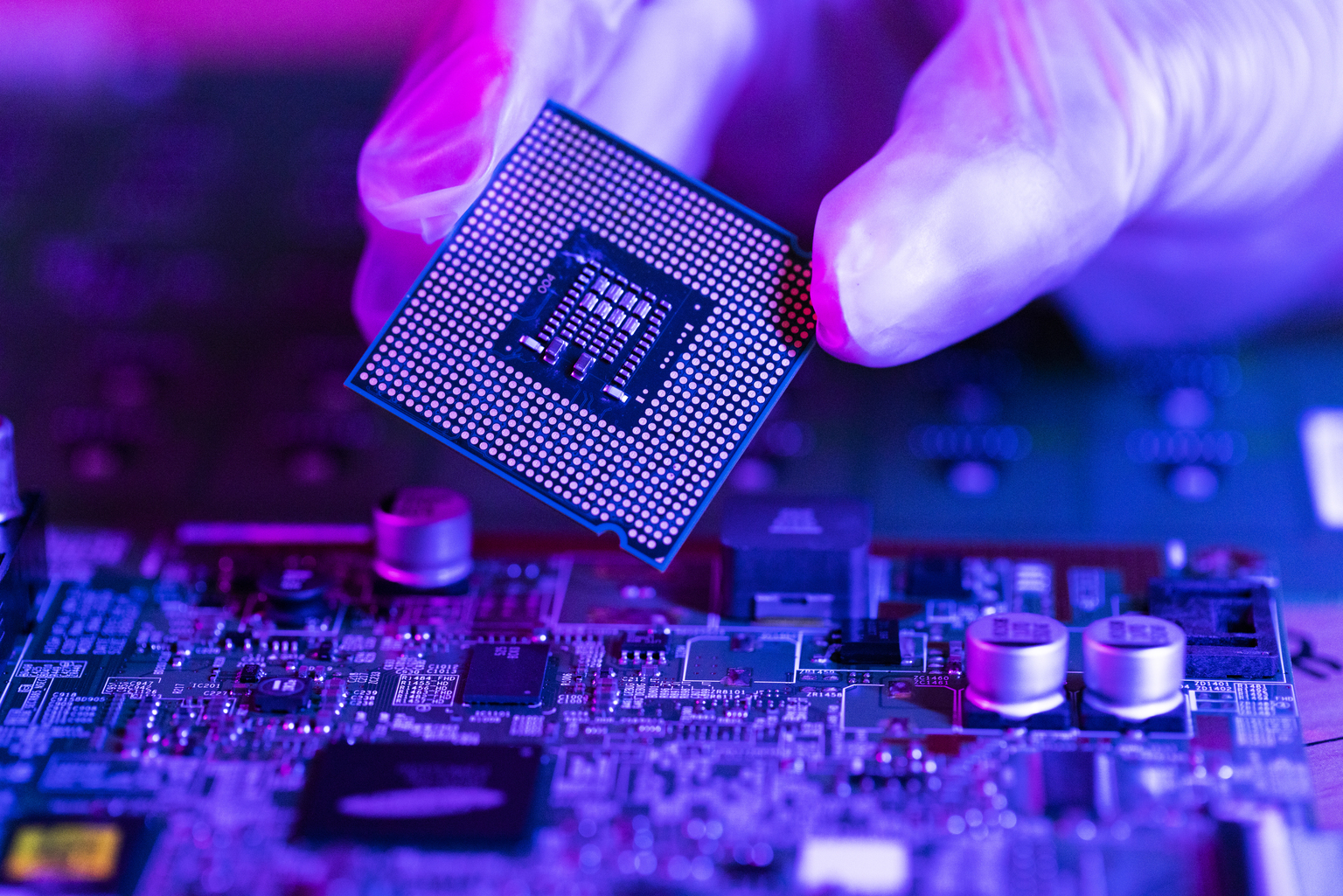
Taiwan's Market Valuation Surpasses India's, Driven by TSMC

- Market Valuation Surge: As of Monday, Taiwan's stock market capitalization reached $4.95 trillion, surpassing India's $4.92 trillion, positioning Taiwan as the fifth largest stock market globally, indicating its rise in the capital markets.
- TSMC Dominance: TSMC accounts for approximately 42% of the benchmark index, with its stock surging 49% this year, primarily driven by strong demand in the artificial intelligence sector, highlighting the market's heavy reliance on semiconductors.
- Investment Attraction: Taiwan's financial regulator raised the limit for domestic funds to invest in a single stock last month, which is expected to attract over $6 billion in inflows, further enhancing market vitality.
- Tech Concentration: The growth of Taiwan's stock market reflects its heavy concentration in tech hardware, which is at the center of the AI investment cycle, showcasing a significant divergence from other markets.
See More

Nvidia Stock Pullback as Custom Chips Rise

- Stock Price Fluctuation: Nvidia's stock fell despite reporting impressive quarterly results, indicating investor concerns about sustaining growth momentum after a 600% increase over the past three years.
- Rise of Custom Chips: As major tech companies recognize the advantages of custom semiconductors for specific AI models, demand for companies like Marvell and Broadcom is increasing, with Broadcom's sales of custom integrated circuits doubling to $8.4 billion in Q1.
- Market Share Advantage: Taiwan Semiconductor holds a 70% market share in global processor manufacturing and an impressive 90% in advanced AI processors, with Q1 sales surging 41% to $35 billion and net income jumping 58% to $3.49 per share.
- Future Investment Potential: Custom ASIC processors are projected to grow by 45% by 2030, compared to a mere 15% growth rate for GPUs, presenting significant upside potential for Marvell, Broadcom, and TSMC as investors look to capitalize on the next wave of AI hardware.
See More

Custom Processors Drive AI Market Growth
- Surging AI Demand: Marvell and Broadcom's custom processors are witnessing a surge in AI demand, with Broadcom's first-quarter sales reaching $8.4 billion, doubling year-over-year, indicating robust market demand and customer confidence.
- Expanded Client Collaborations: Alphabet has signed a deal with Broadcom to expand its AI data center's Tensor Processing Units (TPUs) designs through 2031, highlighting the increasing reliance of major tech companies on custom chips.
- TSMC's Market Leadership: Taiwan Semiconductor Manufacturing Company (TSMC) holds a 70% market share in global processor manufacturing, with projected sales growth of 30% in 2026, underscoring its critical role in AI hardware demand.
- Custom Chip Growth Potential: Custom ASIC processors are expected to grow by 45%, compared to a mere 15% growth rate for GPUs, indicating that Marvell, Broadcom, and TSMC could see significant gains in the upcoming AI hardware wave.
See More
Nvidia Raises Quarterly Dividend to $0.25, Signaling Maturity


- Significant Dividend Increase: Nvidia has raised its quarterly dividend from $0.01 to $0.25 per share, a staggering 2,400% increase, indicating that the company is now mature enough to return cash to shareholders while continuing to invest in AI infrastructure.
- Attracting Institutional Investors: By increasing its dividend, Nvidia aims to draw in more income-focused institutional investors, as its previous nominal dividend failed to attract pension funds and insurance companies, potentially unlocking billions in fresh capital inflows.
- Valuation Stabilization: The dividend hike offers a different form of return that can stabilize Nvidia's valuation, reducing the risk associated with relying solely on share price appreciation, while appealing to value funds seeking consistent income.
- Strategic Shift Signal: The increase in dividend not only reflects confidence in Nvidia's robust cash flow but also signals a shift from pure hypergrowth to a more disciplined capital allocation strategy, suggesting long-term competitiveness in the AI sector.
See More

Nvidia's Dividend Increase Signals Shift to Value Investors
- Significant Dividend Increase: Nvidia raised its quarterly dividend from $0.01 to $0.25 per share, a staggering 2,400% increase, aimed at attracting new investors such as value funds and pension funds, indicating a strategic evolution in its capital allocation approach.
- Attracting Institutional Investors: By increasing its dividend, Nvidia signals that its business has matured enough to return cash while still supporting product growth, potentially unlocking billions in inflows from institutional investors who prioritize stable yields.
- Valuation Stability: Amid accelerating AI capital expenditures, the dividend increase provides stability for the company, alleviating investor concerns over short-term returns while reducing the risk of significant stock price volatility, ensuring continued attractiveness in a competitive landscape.
- Strategic Shift Signal: This dividend hike not only reflects confidence in the company's financial health but also serves as a clear signal of Nvidia's transition from pure growth to a more disciplined capital allocation strategy, showcasing its long-term competitive advantages in the AI sector.
See More

VanEck Semiconductor ETF Achieves 384% Return Over Five Years
- Outstanding Market Performance: The VanEck Semiconductor ETF has achieved a total return of 384% over the past five years, with nearly all gains stemming from share price appreciation, showcasing the fund's strong performance and investment appeal in the semiconductor sector.
- Significant Investment Returns: An investment of $1,000 in this ETF five years ago would now be worth approximately $4,840, translating to an annualized return exceeding 37%, reflecting the robust growth potential of the semiconductor industry.
- Industry Driving Factors: The ETF's success is attributed to its market-cap-weighting methodology, which focuses on investing in industry giants like Nvidia, Taiwan Semiconductor, Intel, and Broadcom, thereby capturing the largest market gains.
- Optimistic Future Outlook: Despite high valuations, AI-related spending remains strong, and earnings growth is expected to be robust for the next few years; if semiconductor companies can continue to meet demand, investor returns are likely to keep rising.
See More
Taiwan's Market Valuation Surpasses India's, Driven by TSMC
- Market Valuation Surge: As of Monday, Taiwan's stock market capitalization reached $4.95 trillion, surpassing India's $4.92 trillion, positioning Taiwan as the fifth largest stock market globally, indicating its rise in the capital markets.
- TSMC Dominance: TSMC accounts for approximately 42% of the benchmark index, with its stock surging 49% this year, primarily driven by strong demand in the artificial intelligence sector, highlighting the market's heavy reliance on semiconductors.
- Investment Attraction: Taiwan's financial regulator raised the limit for domestic funds to invest in a single stock last month, which is expected to attract over $6 billion in inflows, further enhancing market vitality.
- Tech Concentration: The growth of Taiwan's stock market reflects its heavy concentration in tech hardware, which is at the center of the AI investment cycle, showcasing a significant divergence from other markets.
See More
Nvidia Stock Pullback as Custom Chips Rise
- Stock Price Fluctuation: Nvidia's stock fell despite reporting impressive quarterly results, indicating investor concerns about sustaining growth momentum after a 600% increase over the past three years.
- Rise of Custom Chips: As major tech companies recognize the advantages of custom semiconductors for specific AI models, demand for companies like Marvell and Broadcom is increasing, with Broadcom's sales of custom integrated circuits doubling to $8.4 billion in Q1.
- Market Share Advantage: Taiwan Semiconductor holds a 70% market share in global processor manufacturing and an impressive 90% in advanced AI processors, with Q1 sales surging 41% to $35 billion and net income jumping 58% to $3.49 per share.
- Future Investment Potential: Custom ASIC processors are projected to grow by 45% by 2030, compared to a mere 15% growth rate for GPUs, presenting significant upside potential for Marvell, Broadcom, and TSMC as investors look to capitalize on the next wave of AI hardware.
See More
Custom Processors Drive AI Market Growth
- Surging AI Demand: Marvell and Broadcom's custom processors are witnessing a surge in AI demand, with Broadcom's first-quarter sales reaching $8.4 billion, doubling year-over-year, indicating robust market demand and customer confidence.
- Expanded Client Collaborations: Alphabet has signed a deal with Broadcom to expand its AI data center's Tensor Processing Units (TPUs) designs through 2031, highlighting the increasing reliance of major tech companies on custom chips.
- TSMC's Market Leadership: Taiwan Semiconductor Manufacturing Company (TSMC) holds a 70% market share in global processor manufacturing, with projected sales growth of 30% in 2026, underscoring its critical role in AI hardware demand.
- Custom Chip Growth Potential: Custom ASIC processors are expected to grow by 45%, compared to a mere 15% growth rate for GPUs, indicating that Marvell, Broadcom, and TSMC could see significant gains in the upcoming AI hardware wave.
See More
Nvidia Raises Quarterly Dividend to $0.25, Signaling Maturity
- Significant Dividend Increase: Nvidia has raised its quarterly dividend from $0.01 to $0.25 per share, a staggering 2,400% increase, indicating that the company is now mature enough to return cash to shareholders while continuing to invest in AI infrastructure.
- Attracting Institutional Investors: By increasing its dividend, Nvidia aims to draw in more income-focused institutional investors, as its previous nominal dividend failed to attract pension funds and insurance companies, potentially unlocking billions in fresh capital inflows.
- Valuation Stabilization: The dividend hike offers a different form of return that can stabilize Nvidia's valuation, reducing the risk associated with relying solely on share price appreciation, while appealing to value funds seeking consistent income.
- Strategic Shift Signal: The increase in dividend not only reflects confidence in Nvidia's robust cash flow but also signals a shift from pure hypergrowth to a more disciplined capital allocation strategy, suggesting long-term competitiveness in the AI sector.
See More
Nvidia's Dividend Increase Signals Shift to Value Investors
- Significant Dividend Increase: Nvidia raised its quarterly dividend from $0.01 to $0.25 per share, a staggering 2,400% increase, aimed at attracting new investors such as value funds and pension funds, indicating a strategic evolution in its capital allocation approach.
- Attracting Institutional Investors: By increasing its dividend, Nvidia signals that its business has matured enough to return cash while still supporting product growth, potentially unlocking billions in inflows from institutional investors who prioritize stable yields.
- Valuation Stability: Amid accelerating AI capital expenditures, the dividend increase provides stability for the company, alleviating investor concerns over short-term returns while reducing the risk of significant stock price volatility, ensuring continued attractiveness in a competitive landscape.
- Strategic Shift Signal: This dividend hike not only reflects confidence in the company's financial health but also serves as a clear signal of Nvidia's transition from pure growth to a more disciplined capital allocation strategy, showcasing its long-term competitive advantages in the AI sector.
See More
VanEck Semiconductor ETF Achieves 384% Return Over Five Years
- Outstanding Market Performance: The VanEck Semiconductor ETF has achieved a total return of 384% over the past five years, with nearly all gains stemming from share price appreciation, showcasing the fund's strong performance and investment appeal in the semiconductor sector.
- Significant Investment Returns: An investment of $1,000 in this ETF five years ago would now be worth approximately $4,840, translating to an annualized return exceeding 37%, reflecting the robust growth potential of the semiconductor industry.
- Industry Driving Factors: The ETF's success is attributed to its market-cap-weighting methodology, which focuses on investing in industry giants like Nvidia, Taiwan Semiconductor, Intel, and Broadcom, thereby capturing the largest market gains.
- Optimistic Future Outlook: Despite high valuations, AI-related spending remains strong, and earnings growth is expected to be robust for the next few years; if semiconductor companies can continue to meet demand, investor returns are likely to keep rising.
See More