Taiwan Semiconductor: Surge in AI Chip Demand
Written by Emily J. Thompson, Senior Investment Analyst
Updated: 1 hour ago
0mins
Should l Buy TSM?
Source: Fool
- AI Chip Market Growth: Taiwan Semiconductor expects the AI chip market to grow at a mid- to high-50% CAGR from 2024 to 2029, representing a massive growth opportunity that will drive significant capital expenditures to increase chip production capacity, thereby solidifying its market leadership.
- Diverse Demand Support: As technologies like humanoid robots, autonomous driving, and drone delivery become more prevalent, chip demand will continue to rise, placing Taiwan Semiconductor at the heart of this growth trend as the world's largest chip foundry, ensuring future revenue growth.
- Sustained Innovation Advantage: Taiwan Semiconductor's ongoing innovation in AI computing hardware will drive demand for more efficient and advanced hardware; although AI hardware has a relatively short lifespan, the need for replacements will always exist, providing a stable market foundation for the company.
- Attractive Valuation for Investment: With a PE ratio of 23.6, slightly above the market average, Taiwan Semiconductor remains a compelling investment option given its strong long-term AI growth potential, and is expected to outperform the market over the next decade.
Trade with 70% Backtested Accuracy
Stop guessing "Should I Buy TSM?" and start using high-conviction signals backed by rigorous historical data.
Sign up today to access powerful investing tools and make smarter, data-driven decisions.
Analyst Views on TSM
Wall Street analysts forecast TSM stock price to fall
8 Analyst Rating
7 Buy
1 Hold
0 Sell
Strong Buy
Current: 326.110

Low
63.24
Averages
313.46
High
390.00
Current: 326.110
Low
63.24
Averages
313.46
High
390.00
About TSM
Taiwan Semiconductor Manufacturing Co Ltd is a Taiwan-based integrated circuit foundry service provider. The Company is primarily engaged in integrated circuit manufacturing services. It offers advanced process technologies, specialised process solutions, advanced photomask and silicon stacking, and packaging-related technologies, while supporting a comprehensive design ecosystem. The Company's products serve diverse electronic sectors including artificial intelligence, high-performance computing, wired and wireless communications, automotive and industrial equipment, personal computing, information applications, consumer electronics, smart internet of things, and wearable devices.
About the author

Emily J. Thompson
Emily J. Thompson, a Chartered Financial Analyst (CFA) with 12 years in investment research, graduated with honors from the Wharton School. Specializing in industrial and technology stocks, she provides in-depth analysis for Intellectia’s earnings and market brief reports.
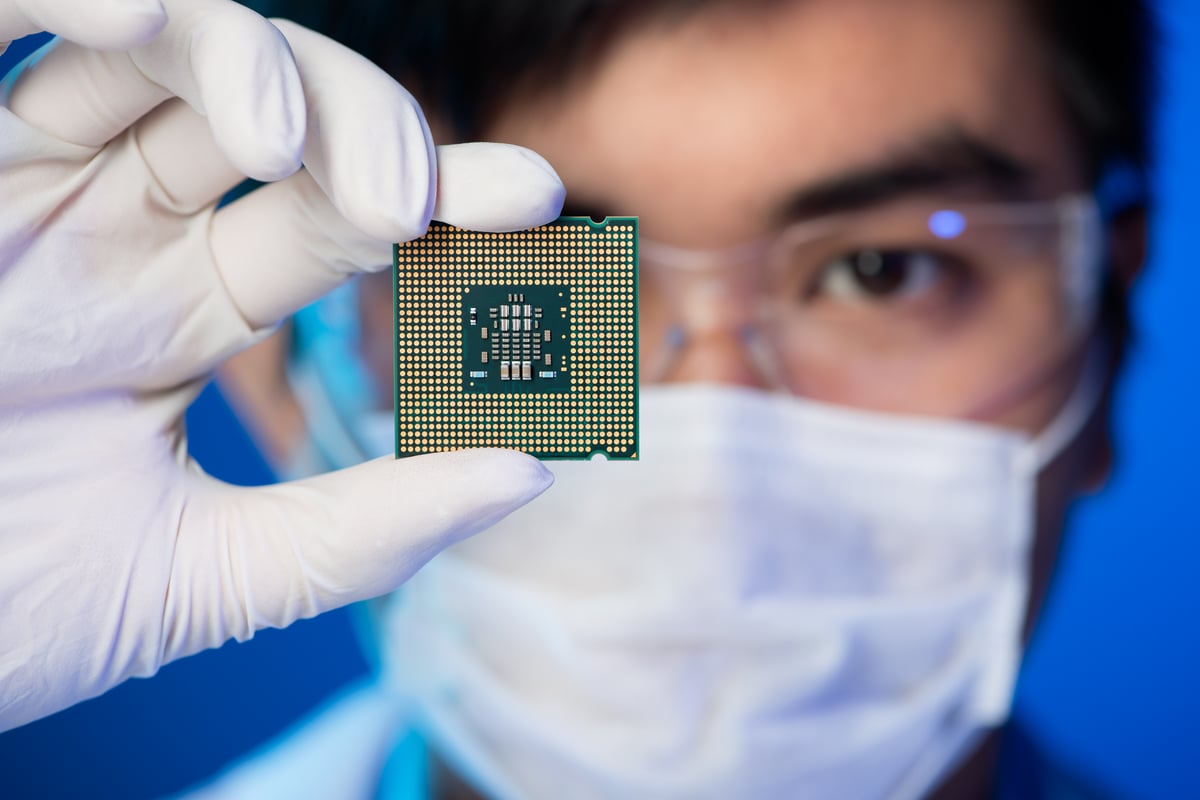
Taiwan Semiconductor: Surge in AI Chip Demand

- AI Chip Market Growth: Taiwan Semiconductor expects the AI chip market to grow at a mid- to high-50% CAGR from 2024 to 2029, representing a massive growth opportunity that will drive significant capital expenditures to increase chip production capacity, thereby solidifying its market leadership.
- Diverse Demand Support: As technologies like humanoid robots, autonomous driving, and drone delivery become more prevalent, chip demand will continue to rise, placing Taiwan Semiconductor at the heart of this growth trend as the world's largest chip foundry, ensuring future revenue growth.
- Sustained Innovation Advantage: Taiwan Semiconductor's ongoing innovation in AI computing hardware will drive demand for more efficient and advanced hardware; although AI hardware has a relatively short lifespan, the need for replacements will always exist, providing a stable market foundation for the company.
- Attractive Valuation for Investment: With a PE ratio of 23.6, slightly above the market average, Taiwan Semiconductor remains a compelling investment option given its strong long-term AI growth potential, and is expected to outperform the market over the next decade.
See More

Taiwan Semiconductor Forecasts Massive AI Chip Growth Ahead
- AI Chip Market Growth: Taiwan Semiconductor predicts that the AI chip market will grow at a compound annual growth rate of mid to high 50% from 2024 to 2029, representing a significant growth opportunity that supports the company's large capital expenditure plans to enhance chip production capacity.
- Investment Value Analysis: With a price-to-earnings ratio of 23.6, slightly above the market average, Taiwan Semiconductor is still considered an excellent investment option due to its strong long-term AI growth potential, making it suitable for investors looking to engage in the AI arms race.
- Innovation-Driven Demand: As the world's largest chip foundry, Taiwan Semiconductor's continuous technological innovation will drive the demand for more efficient and advanced hardware, ensuring sustained market demand in the AI sector, especially with the emergence of new technologies.
- Market Dominance: Being the primary logic chip provider for nearly all major AI computing unit providers, Taiwan Semiconductor's dominant position in the industry makes it a top pick for investors, especially given the lack of viable alternatives in the market.
See More

Analysis of Recent Insider Trading Activities

- Executive Sell-Off: CrowdStrike CEO George Kurtz sold 31,915 shares between March 23 and 27, representing 1.39% of his holdings, at prices ranging from $407.81 to $417.2 per share, generating $13.2 million and reducing his holdings to 2,262,415 shares, indicating a cautious stance towards market volatility.
- Dell Executive Reduction: Dell's Chief Customer Officer William Scannell disposed of 143,067 shares at $165 each, totaling $23.6 million, which reduced his holdings by 86.78% to 21,779 shares, reflecting concerns about the company's future outlook.
- Viatris Executive Sale: Viatris Chief Accounting Officer Paul Campbell reported the sale of 21,350 shares, or 5.5% of his holdings, at $13.28 each for a total of $283,539, leaving him with 366,606 shares, showcasing a cautious view on the company's financial health.
- Palo Alto Networks CEO Purchase: Palo Alto Networks CEO Nikesh Arora purchased 68,085 shares in the same period at prices between $146.87 and $147.48, totaling nearly $10 million, increasing his holdings to 1.1 million shares, indicating strong confidence in the company's future growth.
See More

JPMorgan Dividend Leaders ETF Faces Survival Risk

- Asset Size Crisis: The JPMorgan Dividend Leaders ETF (JDIV) currently holds only $9.9 million in assets, significantly below the $50 million to $100 million threshold needed for sustainable ETF operations, posing a critical survival risk, especially since a previous fund with the same ticker was liquidated in 2022.
- High Income Volatility: The fund's quarterly distributions have fluctuated dramatically from $0.36 in June 2025 to $0.13 in March 2026, indicating unreliable income planning, which could hinder investors' long-term financial strategies due to unpredictable cash flows.
- High Expense Ratio: With an expense ratio of 0.47%, significantly higher than SCHD's 0.06%, the fund's already modest yield is further eroded by fees, diminishing its attractiveness to income-focused investors.
- Portfolio Structure Risk: JDIV's top holdings in Taiwan Semiconductor (6.3%), Microsoft (4%), and Broadcom (2.8%) yield only 1.59%, far below the current 10-year Treasury yield of 4.33%, making it challenging for the fund to attract capital from income-seeking investors.
See More

AI Investment Opportunities: Promising Prospects


- Nvidia's Strong Growth: Nvidia reported a 73% year-over-year revenue increase in Q4, with a projected 77% growth in Q1, and despite recent stock performance being lackluster, this presents an excellent buying opportunity, underscoring its leadership in the AI sector.
- Broadcom's Market Potential: Broadcom anticipates its AI chip sales will exceed $100 billion by 2027, a significant increase from the current $8.4 billion per quarter, indicating strong demand and strategic positioning in the custom AI chip market.
- Microsoft's Cloud Expansion: Microsoft's AI computing business saw a 39% year-over-year revenue increase in the latest quarter, and despite a 35% drop from its all-time high, the expansion of its cloud capabilities lays a solid foundation for future growth, attracting more investor interest.
- Meta's Sustained Growth: Meta achieved a 24% revenue growth in the latest quarter, and although its stock is down 34% from its all-time high, its investments in AI capabilities could drive future stock price increases, showcasing its dual advantage in social media and AI.
See More

Top 10 AI Stocks to Buy Now: Investment Opportunities
- Nvidia's Sustained Growth: Nvidia (NVDA) reported a 73% year-over-year revenue increase in Q4, with a projected 77% growth for Q1, indicating strong demand for its GPUs in AI training and inference; despite recent stock performance being lackluster, it remains a prime buying opportunity.
- Broadcom's Market Potential: Broadcom (AVGO) is emerging as a player in AI computing units, projecting sales to exceed $100 billion by 2027, a significant increase from the current $8.4 billion per quarter, showcasing its substantial potential in the custom AI chip market.
- Microsoft's Cloud Expansion: Microsoft (MSFT) is heavily investing in AI computing, with a 39% year-over-year revenue growth in its latest quarter; despite the stock being down 35% from its all-time high, this presents an excellent buying opportunity for investors.
- Amazon's Dual Advantage: Amazon (AMZN) excels in both cloud computing and e-commerce, with its stock down 22% from its all-time high, making it a smart investment choice as it continues to thrive in both sectors.
See More
Taiwan Semiconductor: Surge in AI Chip Demand
- AI Chip Market Growth: Taiwan Semiconductor expects the AI chip market to grow at a mid- to high-50% CAGR from 2024 to 2029, representing a massive growth opportunity that will drive significant capital expenditures to increase chip production capacity, thereby solidifying its market leadership.
- Diverse Demand Support: As technologies like humanoid robots, autonomous driving, and drone delivery become more prevalent, chip demand will continue to rise, placing Taiwan Semiconductor at the heart of this growth trend as the world's largest chip foundry, ensuring future revenue growth.
- Sustained Innovation Advantage: Taiwan Semiconductor's ongoing innovation in AI computing hardware will drive demand for more efficient and advanced hardware; although AI hardware has a relatively short lifespan, the need for replacements will always exist, providing a stable market foundation for the company.
- Attractive Valuation for Investment: With a PE ratio of 23.6, slightly above the market average, Taiwan Semiconductor remains a compelling investment option given its strong long-term AI growth potential, and is expected to outperform the market over the next decade.
See More
Taiwan Semiconductor Forecasts Massive AI Chip Growth Ahead
- AI Chip Market Growth: Taiwan Semiconductor predicts that the AI chip market will grow at a compound annual growth rate of mid to high 50% from 2024 to 2029, representing a significant growth opportunity that supports the company's large capital expenditure plans to enhance chip production capacity.
- Investment Value Analysis: With a price-to-earnings ratio of 23.6, slightly above the market average, Taiwan Semiconductor is still considered an excellent investment option due to its strong long-term AI growth potential, making it suitable for investors looking to engage in the AI arms race.
- Innovation-Driven Demand: As the world's largest chip foundry, Taiwan Semiconductor's continuous technological innovation will drive the demand for more efficient and advanced hardware, ensuring sustained market demand in the AI sector, especially with the emergence of new technologies.
- Market Dominance: Being the primary logic chip provider for nearly all major AI computing unit providers, Taiwan Semiconductor's dominant position in the industry makes it a top pick for investors, especially given the lack of viable alternatives in the market.
See More
Analysis of Recent Insider Trading Activities
- Executive Sell-Off: CrowdStrike CEO George Kurtz sold 31,915 shares between March 23 and 27, representing 1.39% of his holdings, at prices ranging from $407.81 to $417.2 per share, generating $13.2 million and reducing his holdings to 2,262,415 shares, indicating a cautious stance towards market volatility.
- Dell Executive Reduction: Dell's Chief Customer Officer William Scannell disposed of 143,067 shares at $165 each, totaling $23.6 million, which reduced his holdings by 86.78% to 21,779 shares, reflecting concerns about the company's future outlook.
- Viatris Executive Sale: Viatris Chief Accounting Officer Paul Campbell reported the sale of 21,350 shares, or 5.5% of his holdings, at $13.28 each for a total of $283,539, leaving him with 366,606 shares, showcasing a cautious view on the company's financial health.
- Palo Alto Networks CEO Purchase: Palo Alto Networks CEO Nikesh Arora purchased 68,085 shares in the same period at prices between $146.87 and $147.48, totaling nearly $10 million, increasing his holdings to 1.1 million shares, indicating strong confidence in the company's future growth.
See More
JPMorgan Dividend Leaders ETF Faces Survival Risk
- Asset Size Crisis: The JPMorgan Dividend Leaders ETF (JDIV) currently holds only $9.9 million in assets, significantly below the $50 million to $100 million threshold needed for sustainable ETF operations, posing a critical survival risk, especially since a previous fund with the same ticker was liquidated in 2022.
- High Income Volatility: The fund's quarterly distributions have fluctuated dramatically from $0.36 in June 2025 to $0.13 in March 2026, indicating unreliable income planning, which could hinder investors' long-term financial strategies due to unpredictable cash flows.
- High Expense Ratio: With an expense ratio of 0.47%, significantly higher than SCHD's 0.06%, the fund's already modest yield is further eroded by fees, diminishing its attractiveness to income-focused investors.
- Portfolio Structure Risk: JDIV's top holdings in Taiwan Semiconductor (6.3%), Microsoft (4%), and Broadcom (2.8%) yield only 1.59%, far below the current 10-year Treasury yield of 4.33%, making it challenging for the fund to attract capital from income-seeking investors.
See More
AI Investment Opportunities: Promising Prospects
- Nvidia's Strong Growth: Nvidia reported a 73% year-over-year revenue increase in Q4, with a projected 77% growth in Q1, and despite recent stock performance being lackluster, this presents an excellent buying opportunity, underscoring its leadership in the AI sector.
- Broadcom's Market Potential: Broadcom anticipates its AI chip sales will exceed $100 billion by 2027, a significant increase from the current $8.4 billion per quarter, indicating strong demand and strategic positioning in the custom AI chip market.
- Microsoft's Cloud Expansion: Microsoft's AI computing business saw a 39% year-over-year revenue increase in the latest quarter, and despite a 35% drop from its all-time high, the expansion of its cloud capabilities lays a solid foundation for future growth, attracting more investor interest.
- Meta's Sustained Growth: Meta achieved a 24% revenue growth in the latest quarter, and although its stock is down 34% from its all-time high, its investments in AI capabilities could drive future stock price increases, showcasing its dual advantage in social media and AI.
See More
Top 10 AI Stocks to Buy Now: Investment Opportunities
- Nvidia's Sustained Growth: Nvidia (NVDA) reported a 73% year-over-year revenue increase in Q4, with a projected 77% growth for Q1, indicating strong demand for its GPUs in AI training and inference; despite recent stock performance being lackluster, it remains a prime buying opportunity.
- Broadcom's Market Potential: Broadcom (AVGO) is emerging as a player in AI computing units, projecting sales to exceed $100 billion by 2027, a significant increase from the current $8.4 billion per quarter, showcasing its substantial potential in the custom AI chip market.
- Microsoft's Cloud Expansion: Microsoft (MSFT) is heavily investing in AI computing, with a 39% year-over-year revenue growth in its latest quarter; despite the stock being down 35% from its all-time high, this presents an excellent buying opportunity for investors.
- Amazon's Dual Advantage: Amazon (AMZN) excels in both cloud computing and e-commerce, with its stock down 22% from its all-time high, making it a smart investment choice as it continues to thrive in both sectors.
See More