

Taiwan Semiconductor Leads AI Chip Market Growth
Written by Emily J. Thompson, Senior Investment Analyst
Updated: Apr 25 2026
0mins

Source: Fool
- Market Leadership: Taiwan Semiconductor has become the world's most valuable company due to its critical role in AI chip manufacturing, with a 26% stock price increase in 2023, reflecting its strong performance in the rapidly growing AI market.
- Expanding Customer Base: Taiwan Semiconductor manufactures chips not only for Nvidia but also for AMD and Broadcom, ensuring its central position in the AI boom and driving sustained revenue growth.
- Financial Robustness: The company's balance sheet shows strong financial health with total current assets of $133 billion, including $94.7 billion in cash, and liabilities of $53.5 billion, resulting in a current ratio of 2.49, supporting future growth opportunities.
- Revenue Growth Outlook: Taiwan Semiconductor anticipates a 10.3% revenue growth in Q2, reflecting its ongoing profitability and strong market demand amid surging AI chip requirements, further solidifying its market position.
Trade with 70% Backtested Accuracy
Stop guessing "Should I Buy TSM?" and start using high-conviction signals backed by rigorous historical data.
Sign up today to access powerful investing tools and make smarter, data-driven decisions.
Analyst Views on TSM
Wall Street analysts forecast TSM stock price to fall
8 Analyst Rating
7 Buy
1 Hold
0 Sell
Strong Buy
Current: 408.750

Low
63.24
Averages
313.46
High
390.00
Current: 408.750
Low
63.24
Averages
313.46
High
390.00
About TSM
Taiwan Semiconductor Manufacturing Co Ltd is a Taiwan-based integrated circuit foundry service provider. The Company is primarily engaged in integrated circuit manufacturing services. It offers advanced process technologies, specialised process solutions, advanced photomask and silicon stacking, and packaging-related technologies, while supporting a comprehensive design ecosystem. The Company's products serve diverse electronic sectors including artificial intelligence, high-performance computing, wired and wireless communications, automotive and industrial equipment, personal computing, information applications, consumer electronics, smart internet of things, and wearable devices.
About the author

Emily J. Thompson
Emily J. Thompson, a Chartered Financial Analyst (CFA) with 12 years in investment research, graduated with honors from the Wharton School. Specializing in industrial and technology stocks, she provides in-depth analysis for Intellectia’s earnings and market brief reports.
TSMC Reports 30.1% Revenue Growth in May 2026

- Significant Revenue Growth: TSMC reported May 2026 revenue of NT$416.98 billion, reflecting a 1.5% increase from April and a 30.1% year-over-year growth, indicating robust demand for advanced chip manufacturing that solidifies its market position.
- Strong Year-to-Date Performance: For the first five months of 2026, TSMC generated NT$1.96 trillion in revenue, a 30.0% increase compared to the same period last year, showcasing the company's sustained growth potential in high-performance computing and AI-related chips.
- Robust Client Demand: TSMC supplies semiconductors to major tech companies including Apple, Nvidia, and AMD, with strong demand for AI chips and high-performance computing applications serving as key growth drivers, ensuring its competitive edge in the industry.
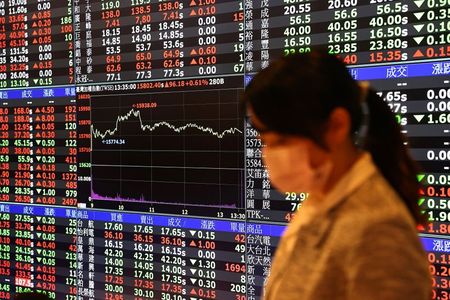
- Stock Price Volatility: Despite strong revenue growth, TSMC shares fell approximately 2.2% in Taiwan trading on Wednesday, reflecting market caution regarding the company's future performance, which could impact investor confidence.
See More
Musk Highlights ASML's Importance in Chip Manufacturing


- Terafab Project: Musk emphasized during ASML's annual technology conference that the Terafab project will pivot SpaceX from rocket manufacturing to advanced chip production, with an estimated investment between $55 billion and $119 billion, reflecting a significant commitment to future technology.
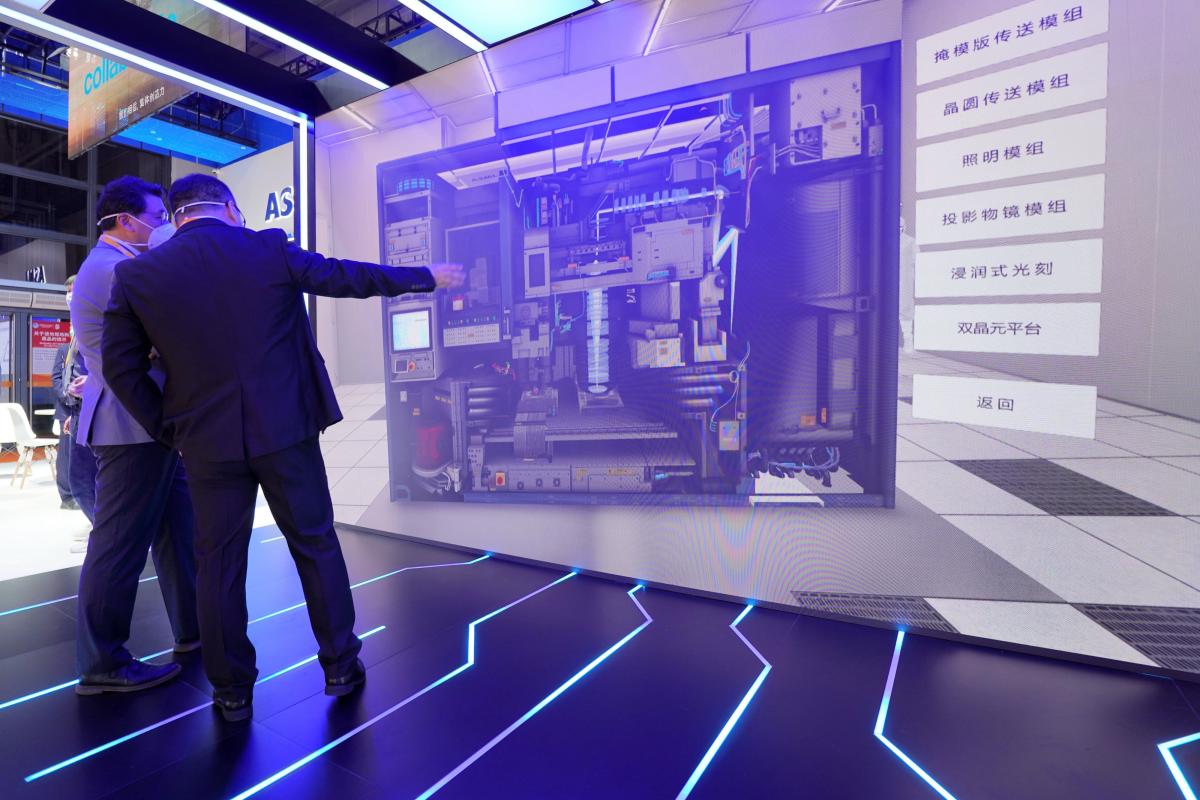
- ASML's Unique Position: ASML is the only company globally producing the $400 million extreme ultraviolet lithography machine, and without it, leading chip manufacturers like TSMC, Samsung, and Intel cannot produce cutting-edge AI chips, underscoring its critical role in the global chip supply chain.
- Tax Incentive Support: SpaceX secured tax incentives for the Terafab project in Texas despite local opposition, which will help reduce project costs and accelerate construction, further solidifying SpaceX's position in the chip manufacturing sector.
- Employee Opposition: While Musk's remarks highlighted ASML's significance, some employees expressed opposition to his political involvement, arguing it conflicts with ASML's neutral values, potentially impacting the company's image and employee morale.
See More
Musk Emphasizes Chip Manufacturing Collaboration with ASML
- Musk's Address to ASML: Musk spoke virtually at ASML's annual technology conference with CEO Christophe Fouquet, highlighting the significance of chip manufacturing for SpaceX and Tesla, which underscores his strategic focus on the semiconductor industry.
- Terafab Project Announcement: Musk unveiled plans for the Terafab project, aiming to establish a massive chip manufacturing facility in Texas with an estimated investment between $55 billion and $119 billion, designed to supply advanced chips for SpaceX and Tesla, thereby diversifying the company's operations.
- Critical Role of ASML: ASML is the sole manufacturer of the $400 million extreme ultraviolet lithography machines essential for advanced chip production, and SpaceX's Terafab will rely on these machines to meet the increasing demand for chips in its data centers.
- Employee Pushback: Despite some employees expressing opposition to Musk's appearance, citing misalignment with ASML's values, he called for support of ASML on the internal communication platform, emphasizing its importance in Europe and demonstrating his commitment to collaboration.
See More

US Inflation Hits Three-Year High Amid Geopolitical Tensions


- Rising Inflation: The US consumer price index rose to an annual rate of 4.2% in May, with Trump expressing optimism that prices will drop sharply once the conflict with Iran concludes, reflecting a potentially misleading confidence in economic stability amidst rising costs.
- Geopolitical Tensions: US airstrikes on Iran have escalated tensions in the Strait of Hormuz, driving oil prices higher, with July crude futures increasing by 2.94% to $92.68 per barrel and Brent futures rising by 2.52% to $95.45, indicating market sensitivity to energy price fluctuations.
- Market Volatility: Amid rising inflation and energy prices, Wall Street faced significant declines on Wednesday, with the Dow dropping over 900 points, highlighting investor concerns about future economic prospects, particularly as chip stocks experienced substantial sell-offs.
- Meta's Investment in India: Meta has agreed to lease an AI-enabled data center with a capacity of 168 megawatts from Reliance Industries in India, expected to be delivered within two years, which will enhance Meta's global AI infrastructure and demonstrate its long-term commitment to the Indian market.
See More

SpaceX IPO Set to Become Largest in History

- Record IPO Size: SpaceX plans to sell 555,555,555 shares at $135 each on June 12, raising $75 billion and starting with a valuation of approximately $1.77 trillion, making it the eighth most valuable public company globally, showcasing its strong market appeal.
- Valuation vs Revenue: Despite its $1.77 trillion valuation, SpaceX reported a $4.9 billion loss in 2025 and generated $18.7 billion in revenue in 2022, resulting in a staggering price-to-sales (P/S) ratio of 93.6, indicating significant overvaluation risks compared to peers.
- Peer Comparison: SpaceX's P/S ratio is over 3.5 times that of Broadcom, which achieved 48% revenue growth and $9.31 billion in net income in its latest quarter, highlighting the extreme valuation of SpaceX's stock and the associated investment risks.
- Cautious Investment Advice: While SpaceX has promising prospects, investing at a high premium during its IPO could limit upside potential and increase the risk of a post-IPO sell-off, suggesting that investors should wait for market reactions before making decisions.
See More
SpaceX IPO Valuation Set to Exceed Magnificent Seven Stocks
- Staggering IPO Size: SpaceX plans to sell 555,555,555 shares at $135 each on June 12, raising $75 billion and starting with a valuation of approximately $1.77 trillion, making it the eighth most valuable public company globally and highlighting its significant market impact.
- Valuation Risks: Despite projected revenue of $18.7 billion in 2025, SpaceX's price-to-sales ratio reaches 93.6, far exceeding that of companies like Broadcom, indicating that its stock may be overvalued and investors should proceed with caution.
- Lack of Profitability: With a projected loss of $4.9 billion in 2025, SpaceX's lack of profitability raises concerns about its valuation, suggesting that investing at a high premium could expose investors to greater risks, particularly with potential post-IPO volatility.
- Intense Market Competition: SpaceX's stock is expected to trade 4.7 to 26 times more expensive than the
See More
TSMC Reports 30.1% Revenue Growth in May 2026
- Significant Revenue Growth: TSMC reported May 2026 revenue of NT$416.98 billion, reflecting a 1.5% increase from April and a 30.1% year-over-year growth, indicating robust demand for advanced chip manufacturing that solidifies its market position.
- Strong Year-to-Date Performance: For the first five months of 2026, TSMC generated NT$1.96 trillion in revenue, a 30.0% increase compared to the same period last year, showcasing the company's sustained growth potential in high-performance computing and AI-related chips.
- Robust Client Demand: TSMC supplies semiconductors to major tech companies including Apple, Nvidia, and AMD, with strong demand for AI chips and high-performance computing applications serving as key growth drivers, ensuring its competitive edge in the industry.
- Stock Price Volatility: Despite strong revenue growth, TSMC shares fell approximately 2.2% in Taiwan trading on Wednesday, reflecting market caution regarding the company's future performance, which could impact investor confidence.
See More
Musk Highlights ASML's Importance in Chip Manufacturing
- Terafab Project: Musk emphasized during ASML's annual technology conference that the Terafab project will pivot SpaceX from rocket manufacturing to advanced chip production, with an estimated investment between $55 billion and $119 billion, reflecting a significant commitment to future technology.
- ASML's Unique Position: ASML is the only company globally producing the $400 million extreme ultraviolet lithography machine, and without it, leading chip manufacturers like TSMC, Samsung, and Intel cannot produce cutting-edge AI chips, underscoring its critical role in the global chip supply chain.
- Tax Incentive Support: SpaceX secured tax incentives for the Terafab project in Texas despite local opposition, which will help reduce project costs and accelerate construction, further solidifying SpaceX's position in the chip manufacturing sector.
- Employee Opposition: While Musk's remarks highlighted ASML's significance, some employees expressed opposition to his political involvement, arguing it conflicts with ASML's neutral values, potentially impacting the company's image and employee morale.
See More
Musk Emphasizes Chip Manufacturing Collaboration with ASML
- Musk's Address to ASML: Musk spoke virtually at ASML's annual technology conference with CEO Christophe Fouquet, highlighting the significance of chip manufacturing for SpaceX and Tesla, which underscores his strategic focus on the semiconductor industry.
- Terafab Project Announcement: Musk unveiled plans for the Terafab project, aiming to establish a massive chip manufacturing facility in Texas with an estimated investment between $55 billion and $119 billion, designed to supply advanced chips for SpaceX and Tesla, thereby diversifying the company's operations.
- Critical Role of ASML: ASML is the sole manufacturer of the $400 million extreme ultraviolet lithography machines essential for advanced chip production, and SpaceX's Terafab will rely on these machines to meet the increasing demand for chips in its data centers.
- Employee Pushback: Despite some employees expressing opposition to Musk's appearance, citing misalignment with ASML's values, he called for support of ASML on the internal communication platform, emphasizing its importance in Europe and demonstrating his commitment to collaboration.
See More
US Inflation Hits Three-Year High Amid Geopolitical Tensions
- Rising Inflation: The US consumer price index rose to an annual rate of 4.2% in May, with Trump expressing optimism that prices will drop sharply once the conflict with Iran concludes, reflecting a potentially misleading confidence in economic stability amidst rising costs.
- Geopolitical Tensions: US airstrikes on Iran have escalated tensions in the Strait of Hormuz, driving oil prices higher, with July crude futures increasing by 2.94% to $92.68 per barrel and Brent futures rising by 2.52% to $95.45, indicating market sensitivity to energy price fluctuations.
- Market Volatility: Amid rising inflation and energy prices, Wall Street faced significant declines on Wednesday, with the Dow dropping over 900 points, highlighting investor concerns about future economic prospects, particularly as chip stocks experienced substantial sell-offs.
- Meta's Investment in India: Meta has agreed to lease an AI-enabled data center with a capacity of 168 megawatts from Reliance Industries in India, expected to be delivered within two years, which will enhance Meta's global AI infrastructure and demonstrate its long-term commitment to the Indian market.
See More
SpaceX IPO Set to Become Largest in History
- Record IPO Size: SpaceX plans to sell 555,555,555 shares at $135 each on June 12, raising $75 billion and starting with a valuation of approximately $1.77 trillion, making it the eighth most valuable public company globally, showcasing its strong market appeal.
- Valuation vs Revenue: Despite its $1.77 trillion valuation, SpaceX reported a $4.9 billion loss in 2025 and generated $18.7 billion in revenue in 2022, resulting in a staggering price-to-sales (P/S) ratio of 93.6, indicating significant overvaluation risks compared to peers.
- Peer Comparison: SpaceX's P/S ratio is over 3.5 times that of Broadcom, which achieved 48% revenue growth and $9.31 billion in net income in its latest quarter, highlighting the extreme valuation of SpaceX's stock and the associated investment risks.
- Cautious Investment Advice: While SpaceX has promising prospects, investing at a high premium during its IPO could limit upside potential and increase the risk of a post-IPO sell-off, suggesting that investors should wait for market reactions before making decisions.
See More
SpaceX IPO Valuation Set to Exceed Magnificent Seven Stocks
- Staggering IPO Size: SpaceX plans to sell 555,555,555 shares at $135 each on June 12, raising $75 billion and starting with a valuation of approximately $1.77 trillion, making it the eighth most valuable public company globally and highlighting its significant market impact.
- Valuation Risks: Despite projected revenue of $18.7 billion in 2025, SpaceX's price-to-sales ratio reaches 93.6, far exceeding that of companies like Broadcom, indicating that its stock may be overvalued and investors should proceed with caution.
- Lack of Profitability: With a projected loss of $4.9 billion in 2025, SpaceX's lack of profitability raises concerns about its valuation, suggesting that investing at a high premium could expose investors to greater risks, particularly with potential post-IPO volatility.
- Intense Market Competition: SpaceX's stock is expected to trade 4.7 to 26 times more expensive than the
See More




