Taiwan and South Korea's Markets Risk Overreliance on AI Giants
Written by Emily J. Thompson, Senior Investment Analyst
Updated: 38 minutes ago
0mins
Source: CNBC
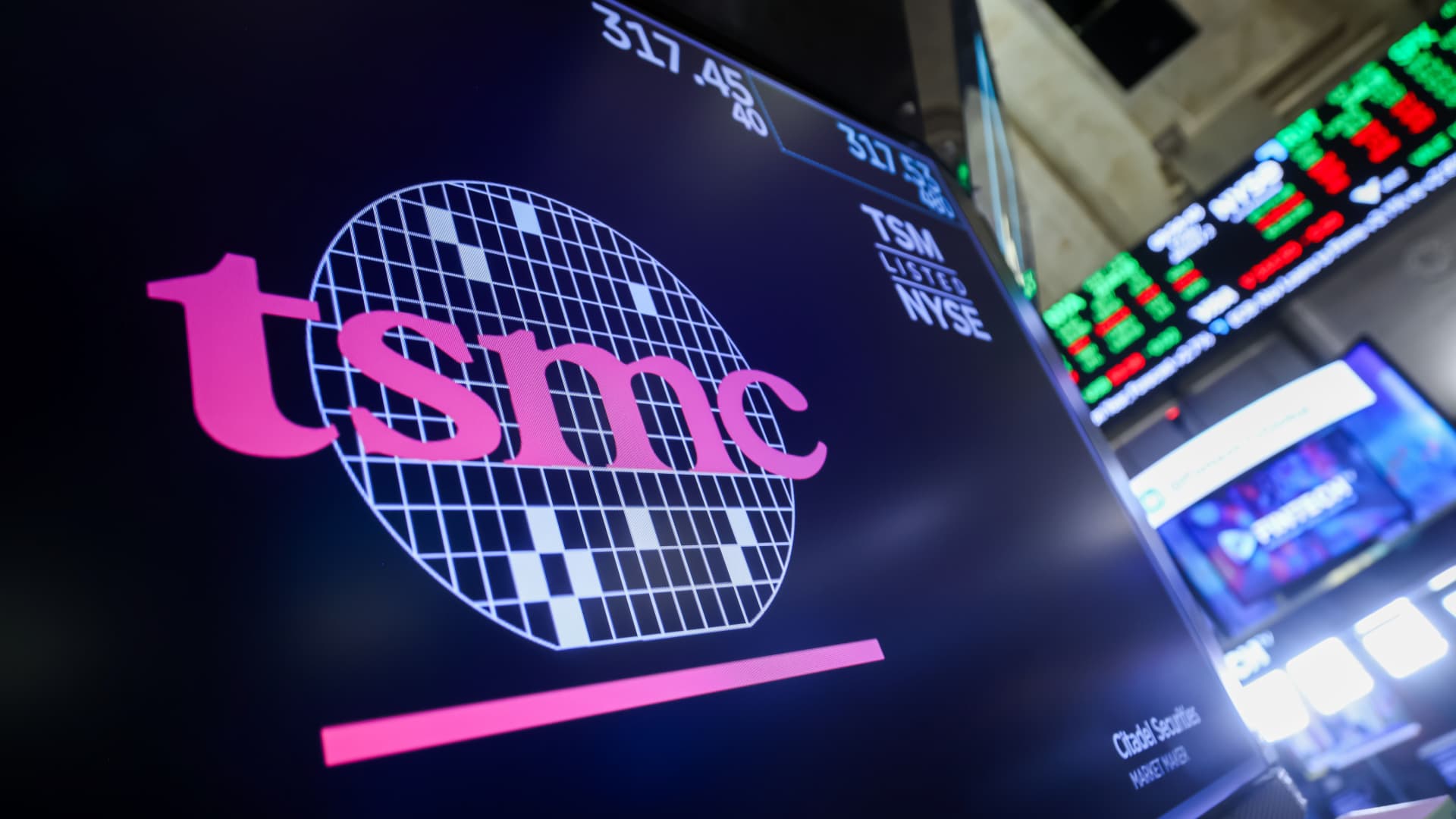
- Market Concentration Risk: TSMC's market cap of approximately NT$58 trillion accounts for over 40% of Taiwan's weighted index, indicating a high dependency on a single company that could distort both the economy and the stock market in the long term.
- AI-Driven Earnings Growth: The South Korean stock market has surged over 80% this year, while Taiwan's index has also reached new highs, primarily driven by demand for AI-related semiconductors; however, this concentration may increase market volatility.
- Energy Price Impact: As large energy importers, Taiwan and South Korea face risks from rising oil prices due to Middle Eastern tensions, which could weaken their purchasing power and international competitiveness, even as AI demand boosts exports.
- Investor Sentiment Warning: Analysts warn that the market's overreliance on the AI theme could lead investors to inadvertently increase risk globally, especially as both U.S. and Asian markets are dominated by semiconductor giants.
Trade with 70% Backtested Accuracy
Stop guessing "Should I Buy TSM?" and start using high-conviction signals backed by rigorous historical data.
Sign up today to access powerful investing tools and make smarter, data-driven decisions.
Analyst Views on TSM
Wall Street analysts forecast TSM stock price to fall
8 Analyst Rating
7 Buy
1 Hold
0 Sell
Strong Buy
Current: 411.680

Low
63.24
Averages
313.46
High
390.00
Current: 411.680
Low
63.24
Averages
313.46
High
390.00
About TSM
Taiwan Semiconductor Manufacturing Co Ltd is a Taiwan-based integrated circuit foundry service provider. The Company is primarily engaged in integrated circuit manufacturing services. It offers advanced process technologies, specialised process solutions, advanced photomask and silicon stacking, and packaging-related technologies, while supporting a comprehensive design ecosystem. The Company's products serve diverse electronic sectors including artificial intelligence, high-performance computing, wired and wireless communications, automotive and industrial equipment, personal computing, information applications, consumer electronics, smart internet of things, and wearable devices.
About the author

Emily J. Thompson
Emily J. Thompson, a Chartered Financial Analyst (CFA) with 12 years in investment research, graduated with honors from the Wharton School. Specializing in industrial and technology stocks, she provides in-depth analysis for Intellectia’s earnings and market brief reports.
Taiwan Semiconductor: The Giant of the Semiconductor Industry

- Market Share Dominance: Taiwan Semiconductor controls 72% of the global pure foundry chip market, significantly outpacing its nearest competitor, Samsung, at 7%, which solidifies its leadership position in the AI hardware sector and further strengthens its market dominance.
- Strong Financial Performance: In 2025, Taiwan Semiconductor generated over $122 billion in revenue with a net profit margin of 44.5%, and its debt-to-equity ratio stands at a mere 0.2, showcasing its financial robustness in a capital-intensive industry.
- Quarterly Earnings Growth: In Q1 2026, Taiwan Semiconductor reported net revenue of $35.9 billion, a 40.6% increase year-over-year, with earnings per share (EPS) surging 58.3% and net profit margin rising to 50.5%, indicating a continued enhancement in profitability.
- Future Growth Outlook: Taiwan Semiconductor targets an operating margin of 56.5% to 58.5% for Q2 2026, with projected total revenue between $39 billion and $40.2 billion, and aims for a 30% revenue growth over 2025, reflecting strong growth potential.
See More

TSMC Raises 2030 Semiconductor Spending Estimate by 50%
- Optimistic Market Outlook: TSMC forecasts the semiconductor market will reach $1.5 trillion by 2030, doubling from 2025, indicating strong long-term growth potential, particularly in the AI chip sector, further solidifying its market leadership.
- Increased Capital Expenditure: The company expects full-year revenue growth to exceed 30% in 2026 and plans to spend near the high end of its $52 billion to $56 billion capex guidance for 2023, reflecting strong confidence in future demand.
- Technological Leadership: Investments in advanced manufacturing and packaging capabilities will enable TSMC to maintain its technology lead in the coming years, with 55% of spending by 2030 expected to go towards high-performance chips, further expanding its market share.
- Attractive Stock Valuation: Despite strong performance expectations for 2026, TSMC shares trade at less than 27 times forward earnings, compared to Intel's over 100 times, highlighting its investment value and certainty of future growth.
See More
Taiwan and South Korea's Markets Risk Overreliance on AI Giants
- Market Concentration Risk: TSMC's market cap of approximately NT$58 trillion accounts for over 40% of Taiwan's weighted index, indicating a high dependency on a single company that could distort both the economy and the stock market in the long term.
- AI-Driven Earnings Growth: The South Korean stock market has surged over 80% this year, while Taiwan's index has also reached new highs, primarily driven by demand for AI-related semiconductors; however, this concentration may increase market volatility.
- Energy Price Impact: As large energy importers, Taiwan and South Korea face risks from rising oil prices due to Middle Eastern tensions, which could weaken their purchasing power and international competitiveness, even as AI demand boosts exports.
- Investor Sentiment Warning: Analysts warn that the market's overreliance on the AI theme could lead investors to inadvertently increase risk globally, especially as both U.S. and Asian markets are dominated by semiconductor giants.
See More
Intel's Stock Surge Reshapes Market Position in the AI Era


- Significant Stock Recovery: Intel's stock has surged over 240% since its removal from the Dow, with a remarkable 377% increase since November 2024, now boasting a market cap exceeding $640 billion, making it the 15th largest component in the S&P 500, indicating a strong market rebound potential.
- Market Share Recovery: Through cost-cutting, restructuring, and new management, Intel has achieved growth in its data center and AI segments, particularly driven by increased demand for central processing units (CPUs), highlighting its increasingly vital role in the AI ecosystem.
- Upgraded Earnings Forecast: Analysts now project Intel's earnings per share to reach $1.53 in fiscal 2027, representing a 40.4% increase from 2026's average estimates, providing a clear runway for high-margin growth, although its valuation has significantly risen with a forward P/E ratio of 115.
- Intensifying Industry Competition: Despite Intel's strong recovery momentum, Nvidia's market cap remains eight times larger than Intel's, and its greater influence in the Dow underscores the need for Intel to continue enhancing its competitiveness to potentially reclaim a spot in the index.
See More
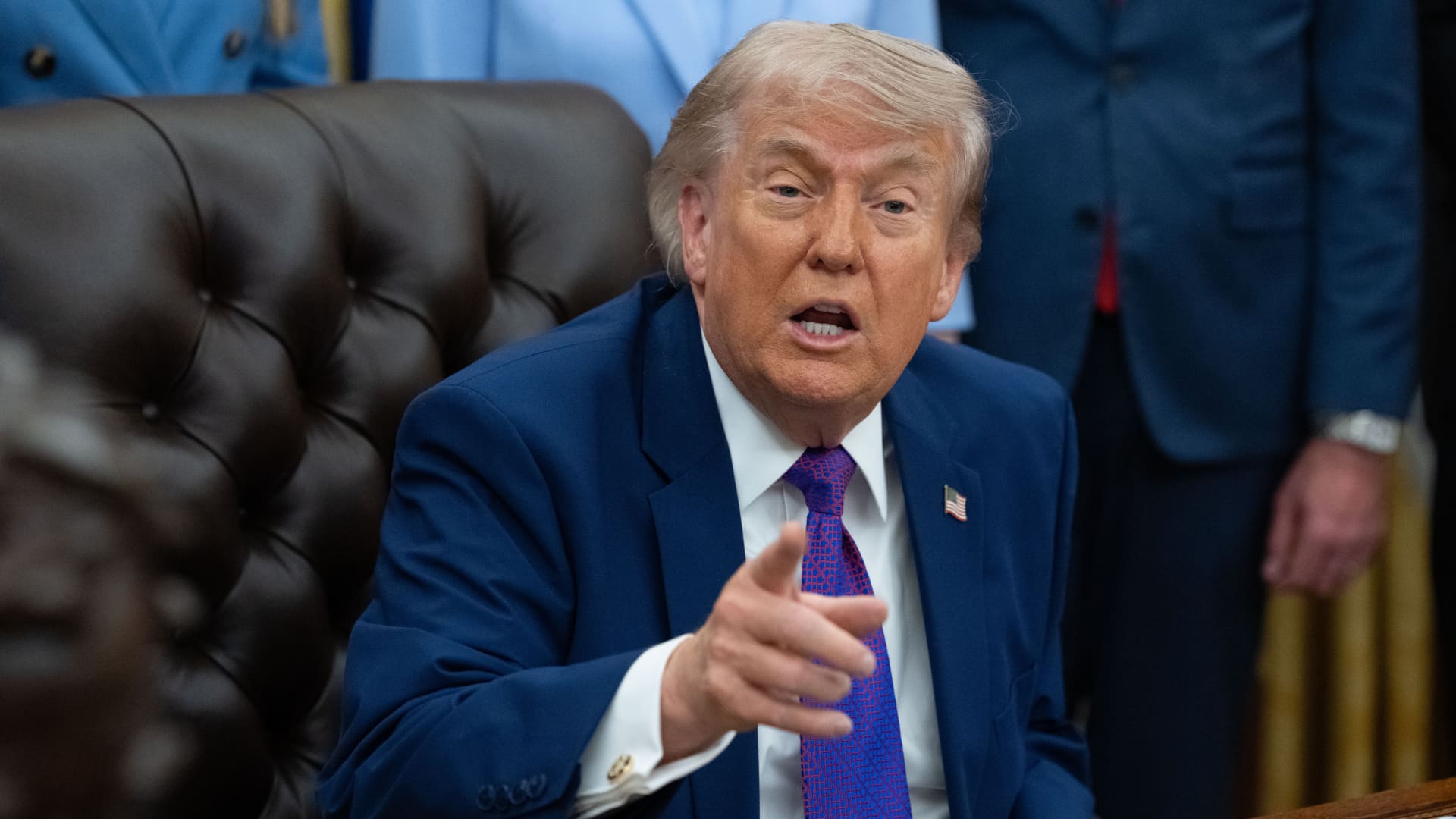
Trump to Discuss Arms Sales to Taiwan and Jimmy Lai's Imprisonment

- Taiwan Arms Sales Controversy: Trump stated he would address U.S. arms sales to Taiwan at the upcoming Beijing summit, a move that could escalate tensions between the U.S. and China, especially given China's accusations of violating the 'one-China principle'.
- Taiwan's Special Defense Budget: Taiwanese lawmakers approved a $25 billion special defense budget, significantly lower than the $40 billion requested by the government, indicating a funding shortfall that may undermine Taiwan's defense capabilities against increasing Chinese military threats.
- Focus on Jimmy Lai's Case: Trump reiterated his call for the release of Hong Kong media tycoon Jimmy Lai, who was sentenced to 20 years for colluding with foreign forces, a stance likely to provoke strong opposition from Beijing and further complicate U.S.-China relations.
- Risks in U.S.-China Relations: Experts warn that any perceived softening of Trump's stance on Taiwan during the summit could be interpreted as a concession to China, potentially emboldening Beijing to take more aggressive actions that threaten Taiwan's autonomy.
See More
TSMC Thrives Amid AI Boom but Faces Risks

- Significant Revenue Growth: TSMC's first-quarter revenue surged 40.6% year-over-year to $35.9 billion, exceeding management's guidance, while net income soared 58%, indicating robust AI demand, particularly from its high-performance computing platform.
- Margin Expansion: The company's gross margin increased nearly four percentage points sequentially to 66.2%, surpassing management's expectations, reflecting ongoing improvements in profitability and bolstering market confidence in its future performance.
- Increased Capital Expenditure: Management now anticipates 2026 capital expenditures to range between $52 billion and $56 billion, representing over a 30% increase from 2025, highlighting aggressive investments in new 3-nanometer fabs and ramping up 2-nanometer capacity.
- Emerging Market Risks: Despite strong demand, TSMC's growth is heavily reliant on a small group of U.S. hyperscalers; if these customers reduce spending due to disappointing returns or macroeconomic pressures, TSMC's pricing power and utilization could be significantly impacted.
See More
Taiwan Semiconductor: The Giant of the Semiconductor Industry
- Market Share Dominance: Taiwan Semiconductor controls 72% of the global pure foundry chip market, significantly outpacing its nearest competitor, Samsung, at 7%, which solidifies its leadership position in the AI hardware sector and further strengthens its market dominance.
- Strong Financial Performance: In 2025, Taiwan Semiconductor generated over $122 billion in revenue with a net profit margin of 44.5%, and its debt-to-equity ratio stands at a mere 0.2, showcasing its financial robustness in a capital-intensive industry.
- Quarterly Earnings Growth: In Q1 2026, Taiwan Semiconductor reported net revenue of $35.9 billion, a 40.6% increase year-over-year, with earnings per share (EPS) surging 58.3% and net profit margin rising to 50.5%, indicating a continued enhancement in profitability.
- Future Growth Outlook: Taiwan Semiconductor targets an operating margin of 56.5% to 58.5% for Q2 2026, with projected total revenue between $39 billion and $40.2 billion, and aims for a 30% revenue growth over 2025, reflecting strong growth potential.
See More
TSMC Raises 2030 Semiconductor Spending Estimate by 50%
- Optimistic Market Outlook: TSMC forecasts the semiconductor market will reach $1.5 trillion by 2030, doubling from 2025, indicating strong long-term growth potential, particularly in the AI chip sector, further solidifying its market leadership.
- Increased Capital Expenditure: The company expects full-year revenue growth to exceed 30% in 2026 and plans to spend near the high end of its $52 billion to $56 billion capex guidance for 2023, reflecting strong confidence in future demand.
- Technological Leadership: Investments in advanced manufacturing and packaging capabilities will enable TSMC to maintain its technology lead in the coming years, with 55% of spending by 2030 expected to go towards high-performance chips, further expanding its market share.
- Attractive Stock Valuation: Despite strong performance expectations for 2026, TSMC shares trade at less than 27 times forward earnings, compared to Intel's over 100 times, highlighting its investment value and certainty of future growth.
See More
Taiwan and South Korea's Markets Risk Overreliance on AI Giants
- Market Concentration Risk: TSMC's market cap of approximately NT$58 trillion accounts for over 40% of Taiwan's weighted index, indicating a high dependency on a single company that could distort both the economy and the stock market in the long term.
- AI-Driven Earnings Growth: The South Korean stock market has surged over 80% this year, while Taiwan's index has also reached new highs, primarily driven by demand for AI-related semiconductors; however, this concentration may increase market volatility.
- Energy Price Impact: As large energy importers, Taiwan and South Korea face risks from rising oil prices due to Middle Eastern tensions, which could weaken their purchasing power and international competitiveness, even as AI demand boosts exports.
- Investor Sentiment Warning: Analysts warn that the market's overreliance on the AI theme could lead investors to inadvertently increase risk globally, especially as both U.S. and Asian markets are dominated by semiconductor giants.
See More
Intel's Stock Surge Reshapes Market Position in the AI Era
- Significant Stock Recovery: Intel's stock has surged over 240% since its removal from the Dow, with a remarkable 377% increase since November 2024, now boasting a market cap exceeding $640 billion, making it the 15th largest component in the S&P 500, indicating a strong market rebound potential.
- Market Share Recovery: Through cost-cutting, restructuring, and new management, Intel has achieved growth in its data center and AI segments, particularly driven by increased demand for central processing units (CPUs), highlighting its increasingly vital role in the AI ecosystem.
- Upgraded Earnings Forecast: Analysts now project Intel's earnings per share to reach $1.53 in fiscal 2027, representing a 40.4% increase from 2026's average estimates, providing a clear runway for high-margin growth, although its valuation has significantly risen with a forward P/E ratio of 115.
- Intensifying Industry Competition: Despite Intel's strong recovery momentum, Nvidia's market cap remains eight times larger than Intel's, and its greater influence in the Dow underscores the need for Intel to continue enhancing its competitiveness to potentially reclaim a spot in the index.
See More
Trump to Discuss Arms Sales to Taiwan and Jimmy Lai's Imprisonment
- Taiwan Arms Sales Controversy: Trump stated he would address U.S. arms sales to Taiwan at the upcoming Beijing summit, a move that could escalate tensions between the U.S. and China, especially given China's accusations of violating the 'one-China principle'.
- Taiwan's Special Defense Budget: Taiwanese lawmakers approved a $25 billion special defense budget, significantly lower than the $40 billion requested by the government, indicating a funding shortfall that may undermine Taiwan's defense capabilities against increasing Chinese military threats.
- Focus on Jimmy Lai's Case: Trump reiterated his call for the release of Hong Kong media tycoon Jimmy Lai, who was sentenced to 20 years for colluding with foreign forces, a stance likely to provoke strong opposition from Beijing and further complicate U.S.-China relations.
- Risks in U.S.-China Relations: Experts warn that any perceived softening of Trump's stance on Taiwan during the summit could be interpreted as a concession to China, potentially emboldening Beijing to take more aggressive actions that threaten Taiwan's autonomy.
See More
TSMC Thrives Amid AI Boom but Faces Risks
- Significant Revenue Growth: TSMC's first-quarter revenue surged 40.6% year-over-year to $35.9 billion, exceeding management's guidance, while net income soared 58%, indicating robust AI demand, particularly from its high-performance computing platform.
- Margin Expansion: The company's gross margin increased nearly four percentage points sequentially to 66.2%, surpassing management's expectations, reflecting ongoing improvements in profitability and bolstering market confidence in its future performance.
- Increased Capital Expenditure: Management now anticipates 2026 capital expenditures to range between $52 billion and $56 billion, representing over a 30% increase from 2025, highlighting aggressive investments in new 3-nanometer fabs and ramping up 2-nanometer capacity.
- Emerging Market Risks: Despite strong demand, TSMC's growth is heavily reliant on a small group of U.S. hyperscalers; if these customers reduce spending due to disappointing returns or macroeconomic pressures, TSMC's pricing power and utilization could be significantly impacted.
See More