Sweetgreen's Performance Plummets, Stock Crashes
Written by Emily J. Thompson, Senior Investment Analyst
Updated: 5 days ago
0mins
Should l Buy SG?
Source: Fool
- Performance Collapse: Sweetgreen's Q1 comparable sales plummeted 12.8%, with overall revenue falling 2.9% to $161.5 million, missing estimates of $163.6 million, indicating severe challenges in the fast-casual salad market.
- Customer Loss Intensifies: Average annual sales per store dropped from $2.91 million to $2.57 million, highlighting significant customer attrition, which poses revenue challenges even as new stores are opened.
- Profit Margin Decline: Restaurant-level profit margin fell from 17.9% to 10%, and GAAP operating loss widened to $34.3 million; although a net profit was reported, it was primarily due to gains from the sale of Spyce, reflecting the company's fragile profitability.
- Cautious Future Outlook: While management anticipates a 2%-4% decline in comparable sales for the year, there is optimism surrounding the newly launched lower-priced wraps, which are expected to attract both new and returning customers; if comparable sales rebound before year-end, the stock could see a significant recovery.
Trade with 70% Backtested Accuracy
Stop guessing "Should I Buy SG?" and start using high-conviction signals backed by rigorous historical data.
Sign up today to access powerful investing tools and make smarter, data-driven decisions.
Analyst Views on SG
Wall Street analysts forecast SG stock price to rise
14 Analyst Rating
3 Buy
10 Hold
1 Sell
Hold
Current: 6.890

Low
5.00
Averages
7.57
High
10.00
Current: 6.890
Low
5.00
Averages
7.57
High
10.00
About SG
Sweetgreen, Inc. is a restaurant and lifestyle brand that serves healthy food at scale. The Company has designed its menu to be customizable and convenient to empower its customers to make healthier choices for both lunch and dinner. The Company's core menu features approximately 13 signature items which are offered year-round in all of its locations, including its new steak plate. In addition to its core menu items, its single most popular item is the custom salad or bowl, which can include combinations from 40-plus ingredients as well as its made-from-scratch dressings. On its Owned Digital Channels, it offers exclusive menu items, including seasonal digital exclusives and collections relevant to each customer. It has a five-channel model that is designed to help its customers to order. The Company's five-channel model includes Pick-Up, Native Delivery, Outpost and Catering, In-Store, and Marketplace. It has approximately 250 restaurants across the country.
About the author

Emily J. Thompson
Emily J. Thompson, a Chartered Financial Analyst (CFA) with 12 years in investment research, graduated with honors from the Wharton School. Specializing in industrial and technology stocks, she provides in-depth analysis for Intellectia’s earnings and market brief reports.

US CPI Surge Affects Restaurant Stocks


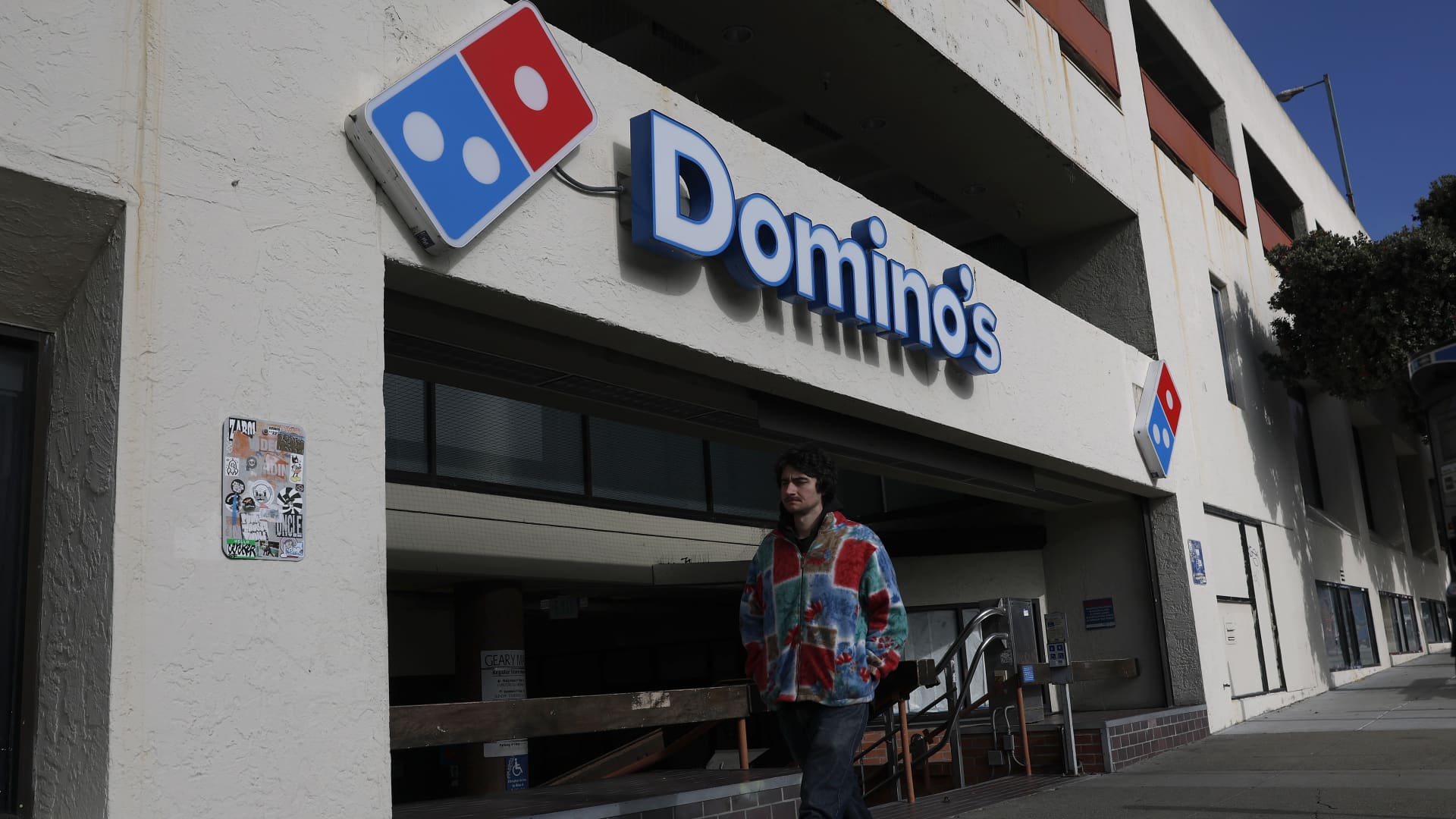
- CPI Impact: The April Consumer Price Index (CPI) rose 3.8% year-over-year, intensifying consumer income pressure and leading to weaker sales in the restaurant sector, particularly for Applebee's and Domino's, highlighting the direct impact of high inflation on dining expenditures.
- Rising Oil Prices: Brent crude oil prices have surged to around $107, with national gas prices exceeding $4.50 per gallon, up over 50% since late February, squeezing household budgets and posing greater challenges for the restaurant industry.
- Sales Fluctuations: Despite a 2.3% year-over-year decline in overall industry traffic, McDonald's reported a 3.7% sales increase, indicating a shift in consumer choices amid high inflation and intensifying competition between fast food and sit-down dining.
- Kura Sushi Volatility: Kura Sushi's stock has experienced 39 moves greater than 5% in the past year; although today's drop of 5.3% suggests market significance, it does not fundamentally alter perceptions of the business.
See More
Sweetgreen's Performance Plummets, Stock Crashes

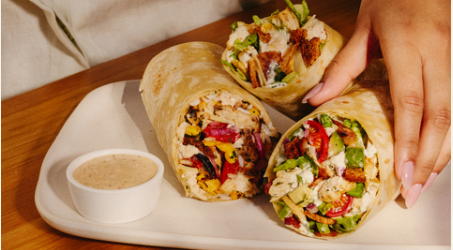
- Performance Collapse: Sweetgreen's Q1 comparable sales plummeted 12.8%, with overall revenue falling 2.9% to $161.5 million, missing estimates of $163.6 million, indicating severe challenges in the fast-casual salad market.
- Customer Loss Intensifies: Average annual sales per store dropped from $2.91 million to $2.57 million, highlighting significant customer attrition, which poses revenue challenges even as new stores are opened.
- Profit Margin Decline: Restaurant-level profit margin fell from 17.9% to 10%, and GAAP operating loss widened to $34.3 million; although a net profit was reported, it was primarily due to gains from the sale of Spyce, reflecting the company's fragile profitability.
- Cautious Future Outlook: While management anticipates a 2%-4% decline in comparable sales for the year, there is optimism surrounding the newly launched lower-priced wraps, which are expected to attract both new and returning customers; if comparable sales rebound before year-end, the stock could see a significant recovery.
See More
Restaurant Chains Face Sales Slowdown Due to Rising Gas Prices

- Gas Price Impact: The U.S. conflict with Iran has driven gas prices above $4.50 per gallon, resulting in a record low for consumer sentiment, with 43% of surveyed drivers cutting back on dining out and takeout, directly affecting restaurant sales performance.
- Industry Traffic Decline: According to Black Box Intelligence, restaurant traffic fell 2.3% in March compared to the previous year, indicating that consumers are opting for lower-cost dining options in a high gas price environment, posing ongoing risks for many restaurant chains.
- Applebee's Strategy: To attract budget-conscious consumers, Applebee's is accelerating its rollout of an All-You-Can-Eat special priced at $15.99, aiming to boost traffic and enhance its competitive position in the market amidst rising costs.
- Market Share Shifts: Despite the overall decline in restaurant spending, brands like Chili's and Burger King have seen market share gains, with Chili's CEO noting that strong brands will become stronger, reflecting the dynamic changes in the market under economic pressure.
See More

Restaurant Sales Slow as Gas Prices Rise
- Sales Slowdown: According to Black Box Intelligence, restaurant traffic fell 2.3% in March compared to the previous year, primarily due to rising gas prices, which have led consumers, especially low-income groups, to cut back on dining out.
- Applebee's Strategy: To attract budget-conscious diners, Applebee's is accelerating its rollout of an All-You-Can-Eat special for $15.99, aiming to boost traffic and enhance its competitive position in the market amid rising costs.
- Market Share Competition: Some restaurant CEOs see the rise in gas prices as an opportunity to capture market share from weaker competitors, with Chili's CEO noting an acceleration in their market share as overall restaurant spending declines.
- Diverse Fast-Food Performance: Despite the overall sales slowdown, McDonald's reported a 3.7% same-store sales growth in Q1, driven by increased spending from higher-income consumers, while Burger King achieved a 5.8% growth, highlighting significant performance disparities among brands.
See More

Sweetgreen (SG) Q1 2026 Earnings Transcript
See More
Fluence Energy Shares Soar Nearly 30% After Upgrades


- Fluence Energy Surge: Fluence Energy's stock soared nearly 30% after its fiscal second-quarter EBITDA exceeded Wall Street estimates, following a prior session surge of about 40%, indicating strong market confidence in its growth potential and attracting more investor interest.
- Corpay Raises Guidance: Corpay shares jumped 10% after the company raised its full-year earnings guidance to a range of $26.30 to $27.10 per share, surpassing analyst expectations of $26.05, reflecting robust performance in the corporate payments sector and potentially increasing market share.
- Akamai Technologies Rises: Akamai's stock surged 20% after securing an $1.8 billion commitment from a leading U.S. frontier model provider for its Cloud Infrastructure Services, indicating strong demand in the market, while also reporting a first-quarter adjusted earnings beat that bolstered investor confidence.
- Upwork Restructuring Impact: Upwork's shares tumbled 21% following its announcement of a 24% workforce reduction to ensure profitability, despite slightly lower-than-expected first-quarter earnings and revenue, which may affect its future competitive position and investor sentiment.
See More
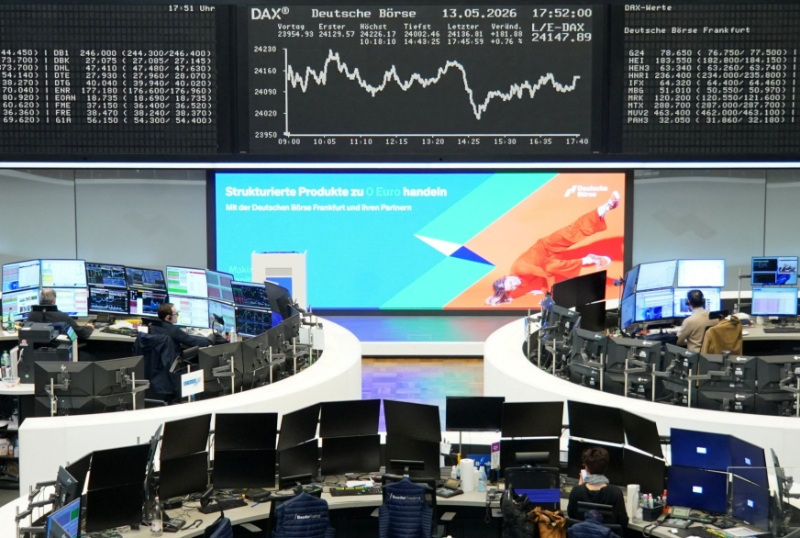
US CPI Surge Affects Restaurant Stocks
- CPI Impact: The April Consumer Price Index (CPI) rose 3.8% year-over-year, intensifying consumer income pressure and leading to weaker sales in the restaurant sector, particularly for Applebee's and Domino's, highlighting the direct impact of high inflation on dining expenditures.
- Rising Oil Prices: Brent crude oil prices have surged to around $107, with national gas prices exceeding $4.50 per gallon, up over 50% since late February, squeezing household budgets and posing greater challenges for the restaurant industry.
- Sales Fluctuations: Despite a 2.3% year-over-year decline in overall industry traffic, McDonald's reported a 3.7% sales increase, indicating a shift in consumer choices amid high inflation and intensifying competition between fast food and sit-down dining.
- Kura Sushi Volatility: Kura Sushi's stock has experienced 39 moves greater than 5% in the past year; although today's drop of 5.3% suggests market significance, it does not fundamentally alter perceptions of the business.
See More
Sweetgreen's Performance Plummets, Stock Crashes
- Performance Collapse: Sweetgreen's Q1 comparable sales plummeted 12.8%, with overall revenue falling 2.9% to $161.5 million, missing estimates of $163.6 million, indicating severe challenges in the fast-casual salad market.
- Customer Loss Intensifies: Average annual sales per store dropped from $2.91 million to $2.57 million, highlighting significant customer attrition, which poses revenue challenges even as new stores are opened.
- Profit Margin Decline: Restaurant-level profit margin fell from 17.9% to 10%, and GAAP operating loss widened to $34.3 million; although a net profit was reported, it was primarily due to gains from the sale of Spyce, reflecting the company's fragile profitability.
- Cautious Future Outlook: While management anticipates a 2%-4% decline in comparable sales for the year, there is optimism surrounding the newly launched lower-priced wraps, which are expected to attract both new and returning customers; if comparable sales rebound before year-end, the stock could see a significant recovery.
See More
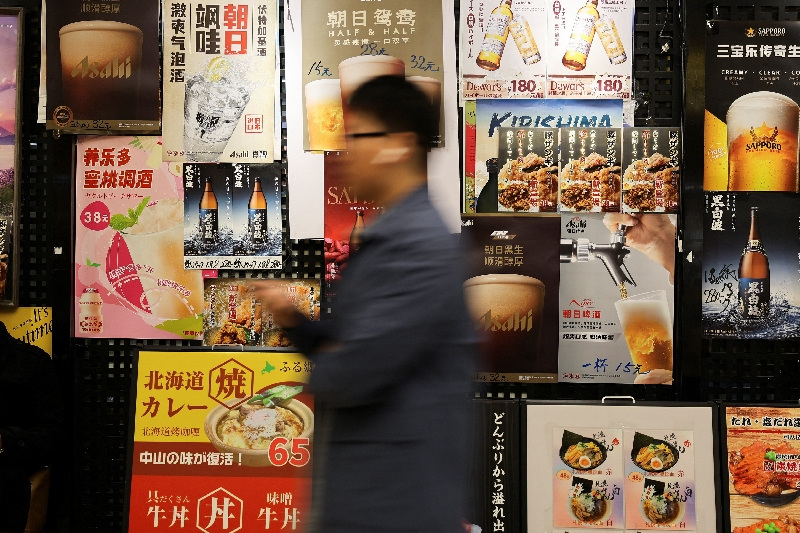
Restaurant Chains Face Sales Slowdown Due to Rising Gas Prices
- Gas Price Impact: The U.S. conflict with Iran has driven gas prices above $4.50 per gallon, resulting in a record low for consumer sentiment, with 43% of surveyed drivers cutting back on dining out and takeout, directly affecting restaurant sales performance.
- Industry Traffic Decline: According to Black Box Intelligence, restaurant traffic fell 2.3% in March compared to the previous year, indicating that consumers are opting for lower-cost dining options in a high gas price environment, posing ongoing risks for many restaurant chains.
- Applebee's Strategy: To attract budget-conscious consumers, Applebee's is accelerating its rollout of an All-You-Can-Eat special priced at $15.99, aiming to boost traffic and enhance its competitive position in the market amidst rising costs.
- Market Share Shifts: Despite the overall decline in restaurant spending, brands like Chili's and Burger King have seen market share gains, with Chili's CEO noting that strong brands will become stronger, reflecting the dynamic changes in the market under economic pressure.
See More
Restaurant Sales Slow as Gas Prices Rise
- Sales Slowdown: According to Black Box Intelligence, restaurant traffic fell 2.3% in March compared to the previous year, primarily due to rising gas prices, which have led consumers, especially low-income groups, to cut back on dining out.
- Applebee's Strategy: To attract budget-conscious diners, Applebee's is accelerating its rollout of an All-You-Can-Eat special for $15.99, aiming to boost traffic and enhance its competitive position in the market amid rising costs.
- Market Share Competition: Some restaurant CEOs see the rise in gas prices as an opportunity to capture market share from weaker competitors, with Chili's CEO noting an acceleration in their market share as overall restaurant spending declines.
- Diverse Fast-Food Performance: Despite the overall sales slowdown, McDonald's reported a 3.7% same-store sales growth in Q1, driven by increased spending from higher-income consumers, while Burger King achieved a 5.8% growth, highlighting significant performance disparities among brands.
See More
Sweetgreen (SG) Q1 2026 Earnings Transcript
See More
Fluence Energy Shares Soar Nearly 30% After Upgrades
- Fluence Energy Surge: Fluence Energy's stock soared nearly 30% after its fiscal second-quarter EBITDA exceeded Wall Street estimates, following a prior session surge of about 40%, indicating strong market confidence in its growth potential and attracting more investor interest.
- Corpay Raises Guidance: Corpay shares jumped 10% after the company raised its full-year earnings guidance to a range of $26.30 to $27.10 per share, surpassing analyst expectations of $26.05, reflecting robust performance in the corporate payments sector and potentially increasing market share.
- Akamai Technologies Rises: Akamai's stock surged 20% after securing an $1.8 billion commitment from a leading U.S. frontier model provider for its Cloud Infrastructure Services, indicating strong demand in the market, while also reporting a first-quarter adjusted earnings beat that bolstered investor confidence.
- Upwork Restructuring Impact: Upwork's shares tumbled 21% following its announcement of a 24% workforce reduction to ensure profitability, despite slightly lower-than-expected first-quarter earnings and revenue, which may affect its future competitive position and investor sentiment.
See More