Supreme Court May Rule on Trump's Tariff Legality
Written by Emily J. Thompson, Senior Investment Analyst
Updated: Feb 19 2026
0mins

Should l Buy WMT?
Source: CNBC
- Consumer Impact of Tariffs: The current average effective tariff rate in the U.S. stands at 16.9%, the highest since 1932, with projections indicating that consumers will pay an additional $1,300 to $1,700 in 2026, significantly increasing household economic burdens.
- Potential Legal Changes: Should the Supreme Court rule IEEPA tariffs unconstitutional, the consumer burden could be halved to between $600 and $800, providing some economic relief for families and influencing future spending patterns.
- Tariff Revenue Analysis: U.S. Customs and Border Protection collected approximately $133.5 billion in tariff revenue in fiscal year 2025, accounting for 60% of total tariff revenue during that period, highlighting the significant impact of tariff policies on government finances.
- Alternative Tariff Pathways: The Trump administration may resort to other legal frameworks to continue imposing tariffs, and economists note that even if IEEPA is overturned, this will limit potential consumer relief while maintaining high tariff burdens.
Trade with 70% Backtested Accuracy
Stop guessing "Should I Buy WMT?" and start using high-conviction signals backed by rigorous historical data.
Sign up today to access powerful investing tools and make smarter, data-driven decisions.
Analyst Views on WMT
Wall Street analysts forecast WMT stock price to rise
26 Analyst Rating
25 Buy
1 Hold
0 Sell
Strong Buy
Current: 124.740

Low
119.00
Averages
125.75
High
136.00
Current: 124.740
Low
119.00
Averages
125.75
High
136.00
About WMT
Walmart Inc. is a technology-powered omnichannel retailer. The Company is engaged in the operation of retail and wholesale stores and clubs, as well as eCommerce Websites and mobile applications, located throughout the United States (U.S.), Africa, Canada, Central America, Chile, China, India and Mexico. It operates in three reportable segments: Walmart U.S., Walmart International and Sam's Club U.S. The Walmart U.S. segment includes the Company's mass merchandising concept in the U.S., as well as eCommerce, which includes omni-channel initiatives and certain other business offerings such as advertising services. The Walmart International segment consists of the Company's operations outside of the U.S. through its subsidiaries, as well as eCommerce and omni-channel initiatives. The Sam's Club U.S. segment includes the warehouse membership clubs in the U.S., as well as samsclub.com and omni-channel initiatives.
About the author

Emily J. Thompson
Emily J. Thompson, a Chartered Financial Analyst (CFA) with 12 years in investment research, graduated with honors from the Wharton School. Specializing in industrial and technology stocks, she provides in-depth analysis for Intellectia’s earnings and market brief reports.
Walmart's Sam's Club Membership Fee Increase Marks First Since 2022

- Membership Fee Increase: Walmart announced that starting May 1, the annual fee for Sam's Club basic members will rise from $50 to $60, marking a 20% increase and the largest nominal fee hike in recent history, which is expected to enhance the value of membership revenue.
- Analyst Perspective: Jefferies analyst Corey Tarlowe noted that the fee increase supports ongoing reinvestment in value, including raising the Sam's Cash annual cap for Plus members from $500 to $750; while modest near-term renewal headwinds may arise, the long-term outlook for Sam's earnings power is structurally positive.
- Industry Impact: This fee hike is not only beneficial for Walmart but may also positively impact competitors like BJ's Wholesale Club and Costco, further normalizing higher fee levels across the industry and supporting long-term revenue and profit expectations for the club segment.
- Market Performance: Walmart's stock has risen 12% year-to-date, outperforming broader market averages due to defensive positioning by investors, and the stock holds a consensus Strong Buy rating on Wall Street, reflecting confidence in its future growth prospects.
See More
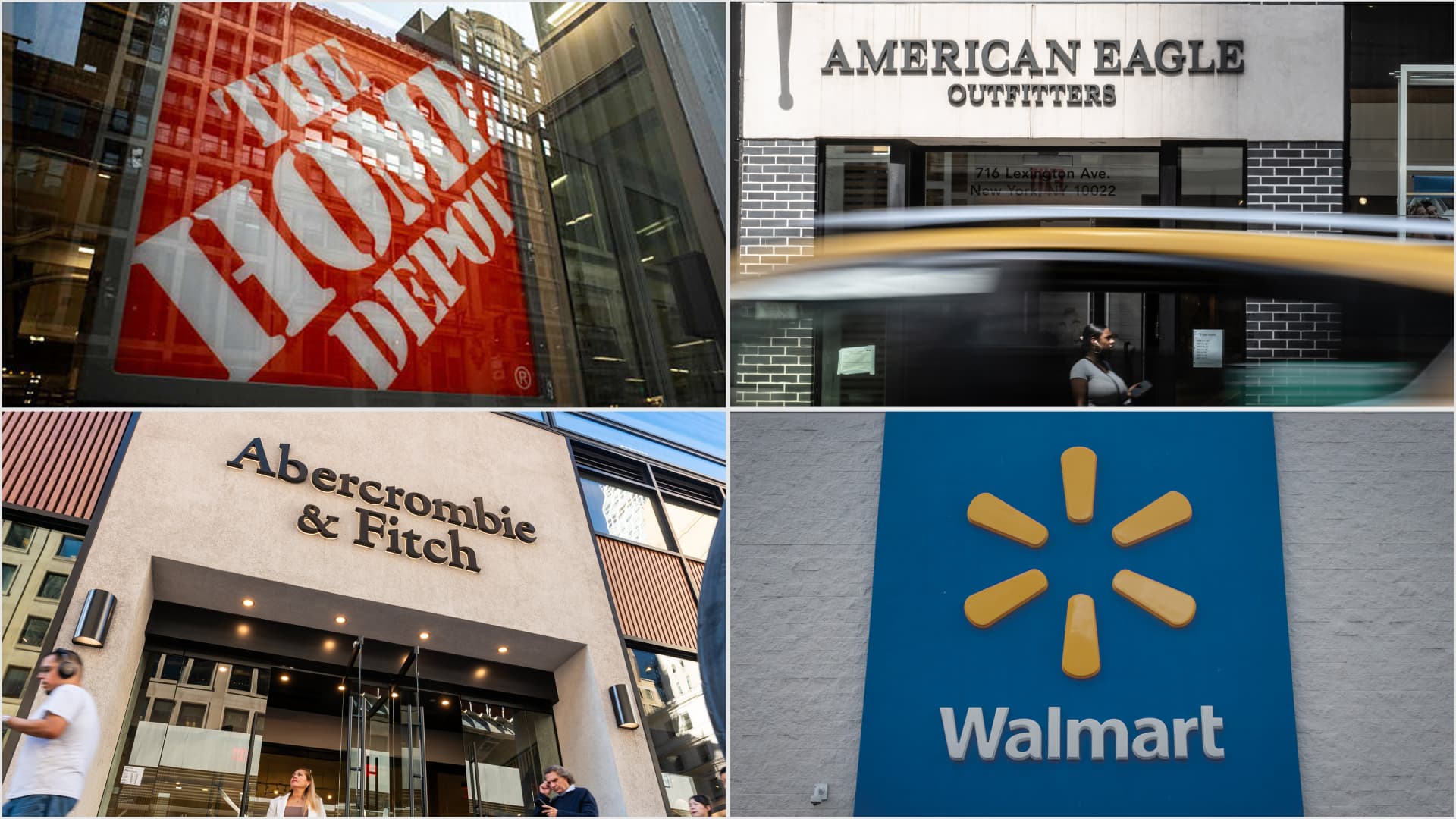
Impact of Trump's Tariffs One Year Later


- Widespread Tariff Impact: Trump's tariff policies have placed significant economic pressure on U.S. businesses over the past year, with approximately 80% to 85% of costs absorbed by companies, leading to reduced profits and increased consumer prices, thereby exacerbating overall economic uncertainty.
- Retail Sector Adaptation: While large retailers like Walmart have emerged relatively unscathed, smaller businesses have been severely impacted, with Home Depot aiming to limit purchases from any single country to 10% to reduce dependency and enhance supply chain flexibility.
- Automotive Industry Cost Surge: Automakers such as General Motors and Toyota are facing tariff impacts estimated at up to $9.5 billion, and although the Trump administration has taken steps to alleviate overlapping tariffs, overall costs remain significant, forcing companies to reassess their supply chain strategies.
- Pharmaceutical Sector Stability: Pharmaceutical companies have secured three-year tariff exemptions through pricing agreements with Trump, although new tariffs impose 100% on companies that do not reach agreements, the overall industry is still striving to increase investments in U.S. manufacturing.
See More

Sam's Club Raises Membership Fees, Indicating Pricing Power
- Membership Fee Increase: Sam's Club is raising its standard membership fee from $50 to $60 and the Premium Plus fee from $110 to $120, indicating Walmart's strong pricing power and enhancing its overall revenue structure.
- Advertising Revenue Surge: Walmart's global advertising revenue jumped 37% year-over-year in Q4, with the U.S. Walmart Connect business growing 41%, showcasing the company's successful pivot to high-margin advertising, which further boosts profitability.
- E-commerce Sales Growth: Global e-commerce sales surged 24% year-over-year in Q4, lifting total revenue by 5.6% to $190.7 billion, demonstrating the company's robust performance in e-commerce and enhancing future growth potential.
- Operating Income Improvement: Walmart's adjusted operating income rose 10.5% year-over-year in Q4, significantly outpacing the 4.9% sales growth, reflecting the company's ongoing efforts to enhance operational efficiency and margins, despite the stock's high valuation.
See More
Walmart Raises Membership Prices, Signaling Strategic Shift
- Membership Price Increase: Walmart is raising the annual fee for standard Sam's Club memberships from $50 to $60 and Plus memberships from $110 to $120, which, while a modest $10 increase, indicates a strategic shift towards higher-margin revenue streams.
- Membership Revenue Growth: Sam's Club membership fee revenue rose approximately 15% year-over-year in the fiscal fourth quarter, demonstrating Walmart's effective push towards higher-margin revenue sources that enhance its overall growth narrative.
- Advertising Business Surge: Walmart's advertising platform, Walmart Connect, saw global advertising revenue jump 37% year-over-year in the fourth quarter, with U.S. growth at 41%, highlighting the significant profit potential of digital advertising that can greatly enhance overall profitability.
- Strong E-commerce Sales: Global e-commerce sales surged 24% year-over-year in the fourth quarter, lifting total revenue by 5.6% to $190.7 billion, indicating substantial progress in the company's sales mix evolution and enhancing its long-term investment appeal.
See More

Retail Giants Navigate Economic Turmoil

- Costco's Market Adaptability: Costco's strategy of charging membership fees and selling high-quality goods at near-cost prices has successfully attracted consumers, helping its members mitigate inflation impacts; however, its P/E ratio of 52, significantly above the S&P 500's 27, underscores its strong market position.
- Amazon's Diversification Advantage: Amazon leverages its dominant retail position and low-margin sales strategy to effectively guide consumers towards substitute goods to combat inflation, while its AWS cloud computing segment is projected to grow at a 19% CAGR through 2030, alleviating pressure on its online sales business.
- Walmart's Supply Chain Efficiency: As the world's largest retailer, Walmart has stores within 10 miles of over 90% of Americans, and its success in e-commerce, coupled with efficient supply chain management, enables it to effectively counter inflation and tariffs, despite a high P/E ratio of 46, indicating strong market competitiveness.
- Long-Term Growth Potential: Despite economic turmoil, retail giants like Costco, Amazon, and Walmart are expected to maintain robust market performance over the next 30 years due to their solid business models and adaptability, making them attractive options for investors.
See More

Costco, Amazon, and Walmart's Market Strategies Amid Economic Turmoil
- Costco's Legal Action: Costco has sued the Trump administration over tariffs deemed unconstitutional, seeking refunds that could alleviate cost pressures on members, thereby enhancing customer loyalty and market competitiveness.
- Amazon's Market Advantage: Amazon's strategy of low-margin sales and its robust AWS cloud business, which is projected to grow at a 19% CAGR through 2030, further solidifies its leadership position in the retail market.
- Walmart's Supply Chain Efficiency: With over 90% of Americans living within 10 miles of a Walmart, the company has shown resilience and adaptability, achieving a 13% profit increase in fiscal 2025 through effective supply chain management and e-commerce transformation.
- Long-Term Investment Outlook: Despite Costco and Walmart's P/E ratios being above industry averages, their business models and market positioning suggest strong growth potential over the next 30 years, making them worthy of investor consideration.
See More
Walmart's Sam's Club Membership Fee Increase Marks First Since 2022
- Membership Fee Increase: Walmart announced that starting May 1, the annual fee for Sam's Club basic members will rise from $50 to $60, marking a 20% increase and the largest nominal fee hike in recent history, which is expected to enhance the value of membership revenue.
- Analyst Perspective: Jefferies analyst Corey Tarlowe noted that the fee increase supports ongoing reinvestment in value, including raising the Sam's Cash annual cap for Plus members from $500 to $750; while modest near-term renewal headwinds may arise, the long-term outlook for Sam's earnings power is structurally positive.
- Industry Impact: This fee hike is not only beneficial for Walmart but may also positively impact competitors like BJ's Wholesale Club and Costco, further normalizing higher fee levels across the industry and supporting long-term revenue and profit expectations for the club segment.
- Market Performance: Walmart's stock has risen 12% year-to-date, outperforming broader market averages due to defensive positioning by investors, and the stock holds a consensus Strong Buy rating on Wall Street, reflecting confidence in its future growth prospects.
See More
Impact of Trump's Tariffs One Year Later
- Widespread Tariff Impact: Trump's tariff policies have placed significant economic pressure on U.S. businesses over the past year, with approximately 80% to 85% of costs absorbed by companies, leading to reduced profits and increased consumer prices, thereby exacerbating overall economic uncertainty.
- Retail Sector Adaptation: While large retailers like Walmart have emerged relatively unscathed, smaller businesses have been severely impacted, with Home Depot aiming to limit purchases from any single country to 10% to reduce dependency and enhance supply chain flexibility.
- Automotive Industry Cost Surge: Automakers such as General Motors and Toyota are facing tariff impacts estimated at up to $9.5 billion, and although the Trump administration has taken steps to alleviate overlapping tariffs, overall costs remain significant, forcing companies to reassess their supply chain strategies.
- Pharmaceutical Sector Stability: Pharmaceutical companies have secured three-year tariff exemptions through pricing agreements with Trump, although new tariffs impose 100% on companies that do not reach agreements, the overall industry is still striving to increase investments in U.S. manufacturing.
See More
Sam's Club Raises Membership Fees, Indicating Pricing Power
- Membership Fee Increase: Sam's Club is raising its standard membership fee from $50 to $60 and the Premium Plus fee from $110 to $120, indicating Walmart's strong pricing power and enhancing its overall revenue structure.
- Advertising Revenue Surge: Walmart's global advertising revenue jumped 37% year-over-year in Q4, with the U.S. Walmart Connect business growing 41%, showcasing the company's successful pivot to high-margin advertising, which further boosts profitability.
- E-commerce Sales Growth: Global e-commerce sales surged 24% year-over-year in Q4, lifting total revenue by 5.6% to $190.7 billion, demonstrating the company's robust performance in e-commerce and enhancing future growth potential.
- Operating Income Improvement: Walmart's adjusted operating income rose 10.5% year-over-year in Q4, significantly outpacing the 4.9% sales growth, reflecting the company's ongoing efforts to enhance operational efficiency and margins, despite the stock's high valuation.
See More
Walmart Raises Membership Prices, Signaling Strategic Shift
- Membership Price Increase: Walmart is raising the annual fee for standard Sam's Club memberships from $50 to $60 and Plus memberships from $110 to $120, which, while a modest $10 increase, indicates a strategic shift towards higher-margin revenue streams.
- Membership Revenue Growth: Sam's Club membership fee revenue rose approximately 15% year-over-year in the fiscal fourth quarter, demonstrating Walmart's effective push towards higher-margin revenue sources that enhance its overall growth narrative.
- Advertising Business Surge: Walmart's advertising platform, Walmart Connect, saw global advertising revenue jump 37% year-over-year in the fourth quarter, with U.S. growth at 41%, highlighting the significant profit potential of digital advertising that can greatly enhance overall profitability.
- Strong E-commerce Sales: Global e-commerce sales surged 24% year-over-year in the fourth quarter, lifting total revenue by 5.6% to $190.7 billion, indicating substantial progress in the company's sales mix evolution and enhancing its long-term investment appeal.
See More
Retail Giants Navigate Economic Turmoil
- Costco's Market Adaptability: Costco's strategy of charging membership fees and selling high-quality goods at near-cost prices has successfully attracted consumers, helping its members mitigate inflation impacts; however, its P/E ratio of 52, significantly above the S&P 500's 27, underscores its strong market position.
- Amazon's Diversification Advantage: Amazon leverages its dominant retail position and low-margin sales strategy to effectively guide consumers towards substitute goods to combat inflation, while its AWS cloud computing segment is projected to grow at a 19% CAGR through 2030, alleviating pressure on its online sales business.
- Walmart's Supply Chain Efficiency: As the world's largest retailer, Walmart has stores within 10 miles of over 90% of Americans, and its success in e-commerce, coupled with efficient supply chain management, enables it to effectively counter inflation and tariffs, despite a high P/E ratio of 46, indicating strong market competitiveness.
- Long-Term Growth Potential: Despite economic turmoil, retail giants like Costco, Amazon, and Walmart are expected to maintain robust market performance over the next 30 years due to their solid business models and adaptability, making them attractive options for investors.
See More
Costco, Amazon, and Walmart's Market Strategies Amid Economic Turmoil
- Costco's Legal Action: Costco has sued the Trump administration over tariffs deemed unconstitutional, seeking refunds that could alleviate cost pressures on members, thereby enhancing customer loyalty and market competitiveness.
- Amazon's Market Advantage: Amazon's strategy of low-margin sales and its robust AWS cloud business, which is projected to grow at a 19% CAGR through 2030, further solidifies its leadership position in the retail market.
- Walmart's Supply Chain Efficiency: With over 90% of Americans living within 10 miles of a Walmart, the company has shown resilience and adaptability, achieving a 13% profit increase in fiscal 2025 through effective supply chain management and e-commerce transformation.
- Long-Term Investment Outlook: Despite Costco and Walmart's P/E ratios being above industry averages, their business models and market positioning suggest strong growth potential over the next 30 years, making them worthy of investor consideration.
See More