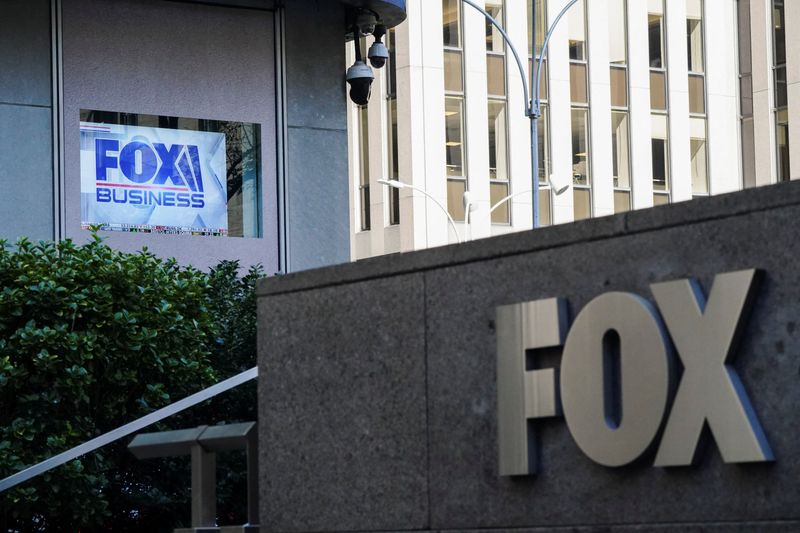
Super Micro Executives Indicted for Export Control Violations

Catch up on the top industries and stocks that were impacted, or were predicted to be impacted, by the comments, actions and policies of President Donald Trump with this daily recap compiled by The Fly.EXPORT CONTROL VIOLATION:United States Attorney for the Southern District of New York, Jay Clayton, Assistant Director of the Counterintelligence and Espionage Division of the Federal Bureau of Investigation, Roman Rozhavsky, and Assistant Director in Charge of the New York Field Office of the FBI, James C. Barnacle, Jr., announced the unsealing of an Indictment charging Yih-Shyan "Wally" Liaw, Ruei-Tsang "Steven" Chang, and Ting-Wei "Willy" Sun, for conspiring to divert high-performance computer servers assembled in the United States and integrating sophisticated U.S. artificial intelligence technology to China, in violation of U.S. export controls laws. Liaw, a U.S. citizen, and Sun, a citizen of Taiwan, were arrested today and presented in the Northern District of California. Chang, a citizen of Taiwan, remains a fugitive. The case has been assigned to U.S. District Judge Edgardo Ramos. Liaw is a co-founder, board member, and Senior Vice President of Business Development of publicly traded U.S.-based manufacturer Super Micro Computer, which designs and builds high-performance computer servers for artificial intelligence and cloud computing applications, including servers that integrate artificial intelligence graphics processing units. Chang is a general manager in the U.S. Manufacturer's Taiwan office. Sun is a third-party broker and "fixer" who has worked with Liaw, Chang, and others to divert U.S.-export controlled technology to China. Together, the defendants and others conspired to systematically divert the U.S. Manufacturer's servers with certain GPUs to China without a license to do so from the U.S. Department of Commerce. According to the indictment filed with the court, the U.S. manufacturer's flagship products, namely servers integrating GPUs manufactured by Nvidia, are subject to strict U.S. export controls barring their sale to China without a license.INDICTMENT:Super Micro issued a statement on the export control indictment. The company stated, "Super Micro Computer was informed today that the United States Attorney's Office for the Southern District of New York has unsealed an indictment of three individuals associated with the Company in connection with an alleged conspiracy to commit export-control violations. Supermicro is not named as a defendant in the indictment. The individuals charged are Yih-Shyan "Wally" Liaw, Senior Vice President of Business Development and a member of the Company's Board of Directors; Ruei-Tsang "Steven" Chang, a sales manager in Taiwan; and Ting-Wei "Willy" Sun, a contractor. Supermicro has placed the two employees on administrative leave and terminated its relationship with the contractor, effective immediately. The conduct by these individuals alleged in the indictment is a contravention of the Company's policies and compliance controls, including efforts to circumvent applicable export control laws and regulations. Supermicro maintains a robust compliance program and is committed to full adherence to all applicable U.S. export and re-export control laws and regulations. The Company has been cooperating fully with the government's investigation and will continue to do so. Supermicro has not been named as a defendant in the indictment."BAD LOOK:Super Micro Computer faces reputational and compliance risks after the SDNY unsealed an indictment against three individuals tied to the company for allegedly conspiring to export Nvidia GPU-based servers to China illegally, Raymond James tells investors in a research note. While the company is not a defendant and is cooperating with authorities, the incident adds to existing governance and reporting concerns, and is a "bad look," as it could trigger increased regulatory scrutiny, and may affect customer trust and supply chain relationships, the firm says. Raymond James has an Outperform rating on the shares.SERIOUS CREDIBILITY ISSUES:Bernstein keeps a Market Perform rating on Super Micro after three individuals associated with the company were indicted by the U.S. Attorney's Office for allegedly conspiring to commit export-control violations. Despite SMCI not being named as a defendant, the news "raises serious credibility issues that could impact business," the firm tells investors in a research note. Bernstein wonders if Nvidiamight feel the need to further distance itself from SMCI. If so, this could impact SMCI's important supply of graphic processing units, which "could have devastating impact" on the business, the firm contends.TEGNA TAKEOVER:Nexstar Media Groupannounced that it has closed its acquisition of Tegnafollowing approval of the transaction from the Federal Communications Commission and the United States Department of Justice. Nexstar's Founder, Chairman, and Chief Executive Officer, Perry Sook commented: "This transaction is essential to sustaining strong local journalism in the communities we serve. By bringing these two outstanding companies together, Nexstar will be a stronger, more dynamic enterprise-better positioned to deliver exceptional journalism and local programming with enhanced assets, capabilities, and talent. We are grateful to President Trump, Chairman Carr, and the DOJ for recognizing the dynamic forces shaping the media landscape and enabling this transaction to move forward."
Trade with 70% Backtested Accuracy
Analyst Views on SMCI

About SMCI
About the author

Super Micro Computer Faces Class Action for Securities Violations
- Lawsuit Background: The class action lawsuit filed by Robbins Geller Rudman & Dowd LLP against Super Micro Computer alleges violations of the Securities Exchange Act of 1934, with significant financial losses impacting investor confidence.
- Allegation Details: The lawsuit claims that Super Micro sold approximately $2.5 billion worth of servers to Chinese companies between 2024 and 2025, violating U.S. export control laws, revealing serious deficiencies in the company's internal compliance controls that could lead to stricter regulatory actions.
- Market Reaction: Following the U.S. Department of Justice's announcement of indictments against individuals associated with Super Micro, the company's stock price plummeted over 33%, indicating a severe erosion of market trust in the company's compliance and management.
- Investor Action: Under the Private Securities Litigation Reform Act of 1995, any investor who purchased Super Micro securities during the class period can seek to be appointed as lead plaintiff, which may influence potential future recovery outcomes for the class.
Multiple Companies Face Class Action Lawsuit Reminder

- Atara Biotherapeutics Lawsuit: A class action lawsuit against Atara Biotherapeutics, Inc. alleges that from May 20, 2024, to January 9, 2026, the company failed to disclose critical facts regarding its manufacturing and tabelecleucel's regulatory prospects, leading to significant investor losses, with a deadline of May 22, 2026, to apply as lead plaintiff.
- Coty's Fragrance Segment Issues: Coty Inc. is facing a class action lawsuit alleging that between November 5, 2025, and February 4, 2026, it failed to disclose material facts about slowing growth in its Prestige fragrance segment, prompting affected investors to seek lead plaintiff status by May 22, 2026.
- Vital Farms ERP Implementation Dispute: The class action lawsuit against Vital Farms, Inc. claims that from May 8, 2025, to February 26, 2026, the company did not disclose important facts regarding the implementation of its new enterprise resource planning system, with a lead plaintiff application deadline of May 26, 2026.
- Super Micro Compliance Issues: Super Micro Computer, Inc. is involved in a class action lawsuit alleging non-compliance with export control laws from April 30, 2024, to March 19, 2026, with investors needing to apply for lead plaintiff status by May 26, 2026, if they suffered losses during this period.
Super Micro Computer Faces Class Action Lawsuit Reminder
- Class Action Reminder: The Schall Law Firm reminds investors of a class action lawsuit against Super Micro Computer for violations of §§10(b) and 20(a) of the Securities Exchange Act, concerning securities purchased between April 30, 2024, and March 19, 2026, with a deadline to contact the firm by May 26, 2026.
- False Statement Allegations: The lawsuit alleges that Super Micro made false and misleading statements regarding significant revenue from server sales to China that violated U.S. export control laws, failing to maintain adequate compliance controls, which led to investor losses when the truth emerged.
- Opportunity for Loss Recovery: Investors are encouraged to join the lawsuit to recover losses, with the Schall Law Firm specializing in securities class actions and offering free consultations to help affected shareholders understand their rights.
- Lawsuit Status Explanation: The class action has not yet been certified, meaning investors are not represented by an attorney until certification occurs, and those who choose not to act will remain absent class members, potentially affecting their claims.

BellRing Brands Faces Shareholder Investigation Over Fiduciary Breaches

- Shareholder Investigation Initiated: Grabar Law Office is investigating whether executives of BellRing Brands (NYSE: BRBR) breached their fiduciary duties, which could expose the company to legal and financial risks for shareholders who purchased shares before October 1, 2024.
- Allegations of False Statements: A recently filed federal securities fraud class action claims that BellRing's executives failed to disclose that customers accumulated excess inventory due to previous product shortages, rendering the company's statements about its business prospects materially misleading.
- Potential Market Impact: As customers cut back on new orders and reduced inventory, BellRing Brands may face declining sales and market share, exacerbating investor concerns regarding the company's future performance.
- Legal Consequences Risk: Shareholders can seek corporate reforms and fund recovery, and if the investigation confirms executive misconduct, the company may face increased legal liabilities and financial losses.

Class Action Lawsuit Announced for Super Micro Computer
- Class Action Initiation: Rosen Law Firm has announced a class action lawsuit on behalf of Super Micro Computer (NASDAQ: SMCI) securities purchasers from April 30, 2024, to March 19, 2026, with a deadline of May 26, 2026, for investors to apply as lead plaintiffs, highlighting the urgency and potential legal risks involved.
- Compensation Structure: Investors participating in the lawsuit may receive compensation without any upfront costs through a contingency fee arrangement, which alleviates financial burdens and encourages more affected parties to join the action.
- Legal Compliance Issues: The lawsuit alleges that Super Micro failed to comply with U.S. export control laws during sales, revealing significant internal control weaknesses that rendered the company's positive statements misleading, potentially undermining investor confidence and the company's reputation.
- Law Firm Credentials: Rosen Law Firm is renowned for its successful track record in securities class actions, having recovered over $438 million for investors in 2019 alone, demonstrating its strength and experience in handling similar cases, which may positively influence the potential compensation outcomes for investors.

Super Micro Charged with Smuggling Nvidia Chips to China

- Smuggling Charges: The U.S. government has charged multiple individuals connected to Super Micro Computer, including co-founder Wally Liaw, with smuggling Nvidia's advanced chips to China, which could severely impact the reputation of both Super Micro and its partner Nvidia.
- Market Reaction: Following the scandal, Nvidia's stock has dropped 10%, although it still boasts a market cap of $4.1 trillion, reflecting investor concerns over high-valued tech stocks, especially in light of potential market restrictions.
- Chinese Market Opportunity: Nvidia CEO Jensen Huang estimated that the AI market in China could reach $50 billion in the coming years, and this incident may hinder Nvidia's growth prospects in this lucrative market, despite the alleged smuggling amount being around $2.5 billion.
- Long-term Investment Outlook: While facing short-term risks, Nvidia's chips are likely to remain in high demand in the AI sector, prompting investors to consider adding to their positions during price dips, anticipating a potential rebound in the future.
Super Micro Computer Faces Class Action for Securities Violations
- Lawsuit Background: The class action lawsuit filed by Robbins Geller Rudman & Dowd LLP against Super Micro Computer alleges violations of the Securities Exchange Act of 1934, with significant financial losses impacting investor confidence.
- Allegation Details: The lawsuit claims that Super Micro sold approximately $2.5 billion worth of servers to Chinese companies between 2024 and 2025, violating U.S. export control laws, revealing serious deficiencies in the company's internal compliance controls that could lead to stricter regulatory actions.
- Market Reaction: Following the U.S. Department of Justice's announcement of indictments against individuals associated with Super Micro, the company's stock price plummeted over 33%, indicating a severe erosion of market trust in the company's compliance and management.
- Investor Action: Under the Private Securities Litigation Reform Act of 1995, any investor who purchased Super Micro securities during the class period can seek to be appointed as lead plaintiff, which may influence potential future recovery outcomes for the class.
Multiple Companies Face Class Action Lawsuit Reminder
- Atara Biotherapeutics Lawsuit: A class action lawsuit against Atara Biotherapeutics, Inc. alleges that from May 20, 2024, to January 9, 2026, the company failed to disclose critical facts regarding its manufacturing and tabelecleucel's regulatory prospects, leading to significant investor losses, with a deadline of May 22, 2026, to apply as lead plaintiff.
- Coty's Fragrance Segment Issues: Coty Inc. is facing a class action lawsuit alleging that between November 5, 2025, and February 4, 2026, it failed to disclose material facts about slowing growth in its Prestige fragrance segment, prompting affected investors to seek lead plaintiff status by May 22, 2026.
- Vital Farms ERP Implementation Dispute: The class action lawsuit against Vital Farms, Inc. claims that from May 8, 2025, to February 26, 2026, the company did not disclose important facts regarding the implementation of its new enterprise resource planning system, with a lead plaintiff application deadline of May 26, 2026.
- Super Micro Compliance Issues: Super Micro Computer, Inc. is involved in a class action lawsuit alleging non-compliance with export control laws from April 30, 2024, to March 19, 2026, with investors needing to apply for lead plaintiff status by May 26, 2026, if they suffered losses during this period.
Super Micro Computer Faces Class Action Lawsuit Reminder
- Class Action Reminder: The Schall Law Firm reminds investors of a class action lawsuit against Super Micro Computer for violations of §§10(b) and 20(a) of the Securities Exchange Act, concerning securities purchased between April 30, 2024, and March 19, 2026, with a deadline to contact the firm by May 26, 2026.
- False Statement Allegations: The lawsuit alleges that Super Micro made false and misleading statements regarding significant revenue from server sales to China that violated U.S. export control laws, failing to maintain adequate compliance controls, which led to investor losses when the truth emerged.
- Opportunity for Loss Recovery: Investors are encouraged to join the lawsuit to recover losses, with the Schall Law Firm specializing in securities class actions and offering free consultations to help affected shareholders understand their rights.
- Lawsuit Status Explanation: The class action has not yet been certified, meaning investors are not represented by an attorney until certification occurs, and those who choose not to act will remain absent class members, potentially affecting their claims.
BellRing Brands Faces Shareholder Investigation Over Fiduciary Breaches
- Shareholder Investigation Initiated: Grabar Law Office is investigating whether executives of BellRing Brands (NYSE: BRBR) breached their fiduciary duties, which could expose the company to legal and financial risks for shareholders who purchased shares before October 1, 2024.
- Allegations of False Statements: A recently filed federal securities fraud class action claims that BellRing's executives failed to disclose that customers accumulated excess inventory due to previous product shortages, rendering the company's statements about its business prospects materially misleading.
- Potential Market Impact: As customers cut back on new orders and reduced inventory, BellRing Brands may face declining sales and market share, exacerbating investor concerns regarding the company's future performance.
- Legal Consequences Risk: Shareholders can seek corporate reforms and fund recovery, and if the investigation confirms executive misconduct, the company may face increased legal liabilities and financial losses.
Class Action Lawsuit Announced for Super Micro Computer
- Class Action Initiation: Rosen Law Firm has announced a class action lawsuit on behalf of Super Micro Computer (NASDAQ: SMCI) securities purchasers from April 30, 2024, to March 19, 2026, with a deadline of May 26, 2026, for investors to apply as lead plaintiffs, highlighting the urgency and potential legal risks involved.
- Compensation Structure: Investors participating in the lawsuit may receive compensation without any upfront costs through a contingency fee arrangement, which alleviates financial burdens and encourages more affected parties to join the action.
- Legal Compliance Issues: The lawsuit alleges that Super Micro failed to comply with U.S. export control laws during sales, revealing significant internal control weaknesses that rendered the company's positive statements misleading, potentially undermining investor confidence and the company's reputation.
- Law Firm Credentials: Rosen Law Firm is renowned for its successful track record in securities class actions, having recovered over $438 million for investors in 2019 alone, demonstrating its strength and experience in handling similar cases, which may positively influence the potential compensation outcomes for investors.
Super Micro Charged with Smuggling Nvidia Chips to China
- Smuggling Charges: The U.S. government has charged multiple individuals connected to Super Micro Computer, including co-founder Wally Liaw, with smuggling Nvidia's advanced chips to China, which could severely impact the reputation of both Super Micro and its partner Nvidia.
- Market Reaction: Following the scandal, Nvidia's stock has dropped 10%, although it still boasts a market cap of $4.1 trillion, reflecting investor concerns over high-valued tech stocks, especially in light of potential market restrictions.
- Chinese Market Opportunity: Nvidia CEO Jensen Huang estimated that the AI market in China could reach $50 billion in the coming years, and this incident may hinder Nvidia's growth prospects in this lucrative market, despite the alleged smuggling amount being around $2.5 billion.
- Long-term Investment Outlook: While facing short-term risks, Nvidia's chips are likely to remain in high demand in the AI sector, prompting investors to consider adding to their positions during price dips, anticipating a potential rebound in the future.