Stock Market Update: Nasdaq, Dow, and S&P 500 Futures Climb Before Powell's Address at Jackson Hole—EpicQuest, Zoom, and Azitra Stocks Highlighted


U.S. Stock Futures Rise: Following declines on Thursday, U.S. stock futures increased, with major indices showing positive movement ahead of Federal Reserve Chairman Jerome Powell's speech at the Jackson Hole Economic Policy Symposium.
Economic Indicators: Initial jobless claims rose to 235,000, while existing home sales increased by 2% in July. The S&P Global services PMI fell to 55.4, and manufacturing PMI rose to 53.3.
Market Reactions: Most sectors on the S&P 500 closed negatively, with notable losses in consumer discretionary and utilities. Walmart's shares dropped 4.5% after mixed quarterly results, while energy stocks performed better.
Fed's Future Actions: Analysts anticipate Powell's speech may clarify the Fed's stance on inflation and interest rates, with markets pricing a high likelihood of rate cuts in September. Wells Fargo suggests potential adjustments in investment strategies amid rising inflation and slowing growth.
Trade with 70% Backtested Accuracy
Analyst Views on INTU

About INTU
About the author

Intuit's 50% Stock Decline Analysis

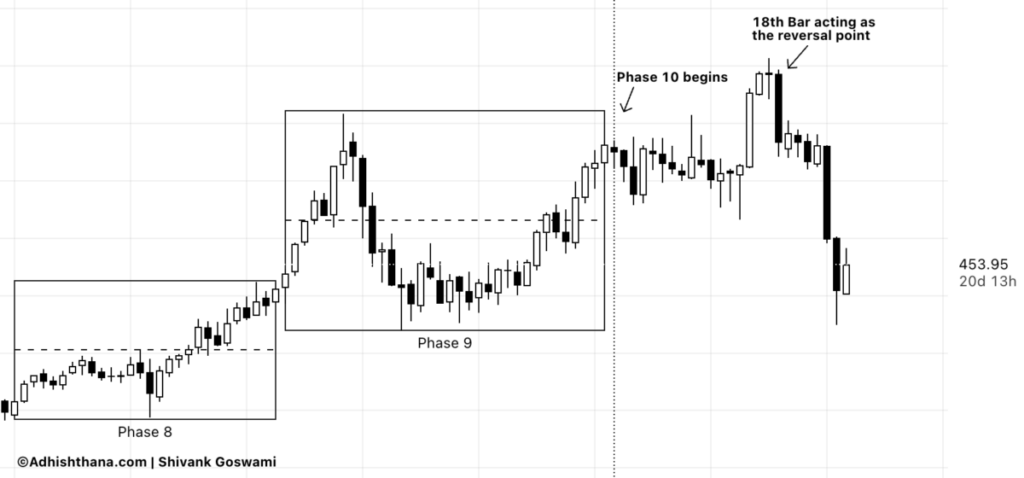
- Technical Concerns: Intuit is currently in Phase 8 of its 18-phase Adhishthana cycle, having declined over 50% since July 2025, indicating structural weaknesses that may undermine investor confidence.
- Cakra Breakdown: According to Adhishthana principles, Intuit entered a Cakra structure in February 2023, but broke below its lower boundary at the start of Phase 8, triggering the Move of Pralaya and leading to significant stock selloff, reflecting potential underlying fundamental issues.
- Monthly Chart Analysis: On the monthly chart, Intuit is in Phase 10, with the stock trending lower after forming a peak, suggesting that the decline leg of the Himalayan formation may be underway, with target levels approaching the $200-$250 range.
- Cautious Investor Outlook: While some research firms remain optimistic about Intuit's long-term fundamentals, the technical structure indicates elevated downside risks, advising investors to wait for clearer structural signals before re-entering the stock.

Intuit Shares Plunge Amid AI Disruption Concerns
- Stock Underperformance: Intuit's stock has plunged over 30% year-to-date, hitting a low of $349, and despite some recovery, investor confidence remains shaken due to concerns about AI potentially disrupting software business models.
- Strong Financial Performance: Despite market volatility, Intuit achieved a 17% year-over-year revenue growth in Q2 FY2026, reaching $4.7 billion, and generated $6 billion in free cash flow in FY2025, enabling significant investments in AI platforms.
- Effective AI Implementation: The AI agents rolled out by Intuit have assisted over three million customers, categorizing over 237 million transactions in January alone, which represents over half of all transactions that month, highlighting AI's potential in enhancing customer efficiency.
- Cautious Outlook: Although the company excels in AI applications, management forecasts only a 10% revenue growth for the upcoming third quarter, indicating signs of deceleration, and the market remains wary of valuation risks associated with the company's future.

Intuit Shares Plummet Amid AI Disruption Concerns
- Stock Underperformance: Intuit's shares have plummeted over 30% year-to-date, with a low of $349, reflecting investor concerns about potential AI disruptions to software business models, contrasting sharply with the flat performance of the S&P 500, indicating a loss of confidence in the company's future prospects.
- Strong Financial Performance: Despite market volatility, Intuit reported a robust 17% year-over-year revenue growth in Q2 FY2026, reaching $4.7 billion, demonstrating resilience in its core business and profitability, with free cash flow of $6 billion in FY2025 providing ample funds for future investments.
- AI Technology Implementation: The rollout of AI agents has assisted over three million customers, categorizing over 237 million transactions in January alone, showcasing AI's potential to enhance customer service efficiency, with the CEO stating that AI acts as a catalyst for the company's success, further strengthening its competitive position.
- Cautious Outlook: Despite strong performance in AI, management forecasts only a 10% revenue growth for the upcoming third quarter, indicating a notable slowdown in growth rate, which raises valuation risks in the market, potentially leading to continued pressure on the stock price.

Market Update: Oil Price Drop and Tech Stock Upgrades

- Oil Price Fluctuations: U.S. benchmark WTI crude prices have fallen below $90 a barrel, despite being up over 50% year-to-date, indicating market optimism regarding improved U.S.-Iran relations, yet geopolitical risks continue to loom over oil prices.
- Tech Stock Rating Changes: Intuit was upgraded to buy from hold by Rothschild & Co Redburn, with its stock rising over 30% since late February, although it remains down 28.5% for the year, reflecting a recovery in market confidence in its software products.
- Cybersecurity Stock Bounce: Morgan Stanley upgraded CrowdStrike from hold to buy, with its stock up over 20% from last month's low, highlighting the positive impact of AI technology on the cybersecurity sector and indicating optimistic market expectations for future growth.
- Hewlett Packard Enterprise's Positive Outlook: Despite memory cost pressures, the company raised its full-year earnings outlook, with reported quarterly revenues slightly below expectations but gross margins and adjusted EPS exceeding forecasts, demonstrating strong demand in the data center buildout.

Latest Wall Street Rating Updates


- BofA Downgrades Qualcomm: Bank of America has downgraded Qualcomm from neutral to underperform with a price target of $145, citing lukewarm projected sales and EPS growth of only 2% and 1% CAGR from 2025 to 2028, significantly lagging the semiconductor sector's expected 17% growth.
- Deutsche Bank Upgrades Teladoc: Deutsche Bank upgraded Teladoc from hold to buy, highlighting an attractive risk/reward profile due to compelling valuation and a deliverable strategy for its BetterHelp business, indicating a strong potential for future growth.
- TD Cowen Upgrades Rivian: TD Cowen upgraded Rivian from hold to buy, projecting full-scale demand for its R2 model to reach between 212,000 and 335,000 units, suggesting significant upside potential against 2027 consensus estimates.
- Morgan Stanley Reiterates Microsoft Overweight: Morgan Stanley reiterated its overweight rating on Microsoft, emphasizing the readiness of its Office product suite for the upcoming Agentic AI offerings, with general availability expected on May 1, 2026, priced at $99 per user per month.

Uber Faces Rising Identity Theft Issues Amid Tax Season


- Surge in Identity Theft Cases: The Federal Trade Commission reported 31,450 cases of employment-related identity theft in the first three quarters of 2025, marking a 61% increase from the same period in 2021, highlighting the growing severity of this issue in the U.S. and its impact on innocent taxpayers.
- Uber User Distress: Los Angeles resident Warris Bokhari received a 1099-K form indicating $2,317 in income from Uber despite never driving for the company, and after an investigation, Uber confirmed that his personal information had been stolen, leaving him responsible for taxes on this phantom income and causing significant financial stress.
- Lengthy Resolution Process: After three weeks of communication with Uber's customer service, Bokhari finally received an amended 1099-K showing $0 income, with Uber also filing the corrected tax form with the IRS; however, this lengthy and complex process reflects the difficulties identity theft victims face in resolving such issues.
- Uber's Response Measures: Uber stated it is enhancing its fraud prevention and identity verification systems to combat evolving identity theft and tax fraud issues, encouraging users to contact the company directly to investigate and resolve erroneous 1099 forms, demonstrating its commitment to user safety.
Intuit's 50% Stock Decline Analysis
- Technical Concerns: Intuit is currently in Phase 8 of its 18-phase Adhishthana cycle, having declined over 50% since July 2025, indicating structural weaknesses that may undermine investor confidence.
- Cakra Breakdown: According to Adhishthana principles, Intuit entered a Cakra structure in February 2023, but broke below its lower boundary at the start of Phase 8, triggering the Move of Pralaya and leading to significant stock selloff, reflecting potential underlying fundamental issues.
- Monthly Chart Analysis: On the monthly chart, Intuit is in Phase 10, with the stock trending lower after forming a peak, suggesting that the decline leg of the Himalayan formation may be underway, with target levels approaching the $200-$250 range.
- Cautious Investor Outlook: While some research firms remain optimistic about Intuit's long-term fundamentals, the technical structure indicates elevated downside risks, advising investors to wait for clearer structural signals before re-entering the stock.
Intuit Shares Plunge Amid AI Disruption Concerns
- Stock Underperformance: Intuit's stock has plunged over 30% year-to-date, hitting a low of $349, and despite some recovery, investor confidence remains shaken due to concerns about AI potentially disrupting software business models.
- Strong Financial Performance: Despite market volatility, Intuit achieved a 17% year-over-year revenue growth in Q2 FY2026, reaching $4.7 billion, and generated $6 billion in free cash flow in FY2025, enabling significant investments in AI platforms.
- Effective AI Implementation: The AI agents rolled out by Intuit have assisted over three million customers, categorizing over 237 million transactions in January alone, which represents over half of all transactions that month, highlighting AI's potential in enhancing customer efficiency.
- Cautious Outlook: Although the company excels in AI applications, management forecasts only a 10% revenue growth for the upcoming third quarter, indicating signs of deceleration, and the market remains wary of valuation risks associated with the company's future.
Intuit Shares Plummet Amid AI Disruption Concerns
- Stock Underperformance: Intuit's shares have plummeted over 30% year-to-date, with a low of $349, reflecting investor concerns about potential AI disruptions to software business models, contrasting sharply with the flat performance of the S&P 500, indicating a loss of confidence in the company's future prospects.
- Strong Financial Performance: Despite market volatility, Intuit reported a robust 17% year-over-year revenue growth in Q2 FY2026, reaching $4.7 billion, demonstrating resilience in its core business and profitability, with free cash flow of $6 billion in FY2025 providing ample funds for future investments.
- AI Technology Implementation: The rollout of AI agents has assisted over three million customers, categorizing over 237 million transactions in January alone, showcasing AI's potential to enhance customer service efficiency, with the CEO stating that AI acts as a catalyst for the company's success, further strengthening its competitive position.
- Cautious Outlook: Despite strong performance in AI, management forecasts only a 10% revenue growth for the upcoming third quarter, indicating a notable slowdown in growth rate, which raises valuation risks in the market, potentially leading to continued pressure on the stock price.
Market Update: Oil Price Drop and Tech Stock Upgrades
- Oil Price Fluctuations: U.S. benchmark WTI crude prices have fallen below $90 a barrel, despite being up over 50% year-to-date, indicating market optimism regarding improved U.S.-Iran relations, yet geopolitical risks continue to loom over oil prices.
- Tech Stock Rating Changes: Intuit was upgraded to buy from hold by Rothschild & Co Redburn, with its stock rising over 30% since late February, although it remains down 28.5% for the year, reflecting a recovery in market confidence in its software products.
- Cybersecurity Stock Bounce: Morgan Stanley upgraded CrowdStrike from hold to buy, with its stock up over 20% from last month's low, highlighting the positive impact of AI technology on the cybersecurity sector and indicating optimistic market expectations for future growth.
- Hewlett Packard Enterprise's Positive Outlook: Despite memory cost pressures, the company raised its full-year earnings outlook, with reported quarterly revenues slightly below expectations but gross margins and adjusted EPS exceeding forecasts, demonstrating strong demand in the data center buildout.
Latest Wall Street Rating Updates
- BofA Downgrades Qualcomm: Bank of America has downgraded Qualcomm from neutral to underperform with a price target of $145, citing lukewarm projected sales and EPS growth of only 2% and 1% CAGR from 2025 to 2028, significantly lagging the semiconductor sector's expected 17% growth.
- Deutsche Bank Upgrades Teladoc: Deutsche Bank upgraded Teladoc from hold to buy, highlighting an attractive risk/reward profile due to compelling valuation and a deliverable strategy for its BetterHelp business, indicating a strong potential for future growth.
- TD Cowen Upgrades Rivian: TD Cowen upgraded Rivian from hold to buy, projecting full-scale demand for its R2 model to reach between 212,000 and 335,000 units, suggesting significant upside potential against 2027 consensus estimates.
- Morgan Stanley Reiterates Microsoft Overweight: Morgan Stanley reiterated its overweight rating on Microsoft, emphasizing the readiness of its Office product suite for the upcoming Agentic AI offerings, with general availability expected on May 1, 2026, priced at $99 per user per month.
Uber Faces Rising Identity Theft Issues Amid Tax Season
- Surge in Identity Theft Cases: The Federal Trade Commission reported 31,450 cases of employment-related identity theft in the first three quarters of 2025, marking a 61% increase from the same period in 2021, highlighting the growing severity of this issue in the U.S. and its impact on innocent taxpayers.
- Uber User Distress: Los Angeles resident Warris Bokhari received a 1099-K form indicating $2,317 in income from Uber despite never driving for the company, and after an investigation, Uber confirmed that his personal information had been stolen, leaving him responsible for taxes on this phantom income and causing significant financial stress.
- Lengthy Resolution Process: After three weeks of communication with Uber's customer service, Bokhari finally received an amended 1099-K showing $0 income, with Uber also filing the corrected tax form with the IRS; however, this lengthy and complex process reflects the difficulties identity theft victims face in resolving such issues.
- Uber's Response Measures: Uber stated it is enhancing its fraud prevention and identity verification systems to combat evolving identity theft and tax fraud issues, encouraging users to contact the company directly to investigate and resolve erroneous 1099 forms, demonstrating its commitment to user safety.