STMicroelectronics Expands Collaboration with Nvidia for Physical AI Systems
Written by Emily J. Thompson, Senior Investment Analyst
Updated: Mar 17 2026
0mins

Should l Buy NVDA?
Source: seekingalpha
- Collaboration Goals: STMicroelectronics and Nvidia aim to accelerate the global development of 'physical AI' systems, targeting applications from humanoid robots to industrial automation, thus driving the next wave of cutting-edge robotics innovation.
- Technology Integration: The collaboration integrates STM's sensors, STM32 microcontrollers, and motor control solutions into Nvidia's robotics ecosystem, including the Holoscan Sensor Bridge and Isaac Sim platforms, enhancing developer and customer experiences.
- Efficiency Improvement: The 'sim-to-real' approach will make STM's components compatible with Nvidia's systems, reducing development time and costs while improving the reliability of robotics systems, facilitating the evolution of sophisticated AI-driven physical platforms.
- Market Outlook: This partnership not only advances robotics technology but also provides STMicroelectronics and Nvidia with a competitive edge in the rapidly growing AI market, addressing the increasing market demand.
Trade with 70% Backtested Accuracy
Stop guessing "Should I Buy NVDA?" and start using high-conviction signals backed by rigorous historical data.
Sign up today to access powerful investing tools and make smarter, data-driven decisions.
Analyst Views on NVDA
Wall Street analysts forecast NVDA stock price to rise
41 Analyst Rating
39 Buy
1 Hold
1 Sell
Strong Buy
Current: 211.500

Low
200.00
Averages
264.97
High
352.00
Current: 211.500
Low
200.00
Averages
264.97
High
352.00
About NVDA
NVIDIA Corporation is an artificial intelligence (AI) infrastructure company. The Company is engaged in accelerated computing to help solve the challenging computational problems. Its segments include Compute & Networking and Graphics. The Compute & Networking segment includes its Data Center accelerated computing and networking platforms and AI solutions and software, and automotive platforms and autonomous and electric vehicle solutions, including software. The Graphics segment includes GeForce GPUs for gaming and personal computers (PCs), and Quadro/NVIDIA RTX GPUs for enterprise workstation graphics. Its technology stack includes the foundational NVIDIA CUDA development platform that runs on all NVIDIA GPUs, as well as hundreds of domain-specific software libraries, frameworks, algorithms, software development kits (SDKs), and application programming interfaces (APIs). Its platforms address four markets, which include Data Center, Gaming, Professional Visualization, and Automotive.
About the author

Emily J. Thompson
Emily J. Thompson, a Chartered Financial Analyst (CFA) with 12 years in investment research, graduated with honors from the Wharton School. Specializing in industrial and technology stocks, she provides in-depth analysis for Intellectia’s earnings and market brief reports.
AI Drives Nvidia's Earnings Growth Amid Market Concerns

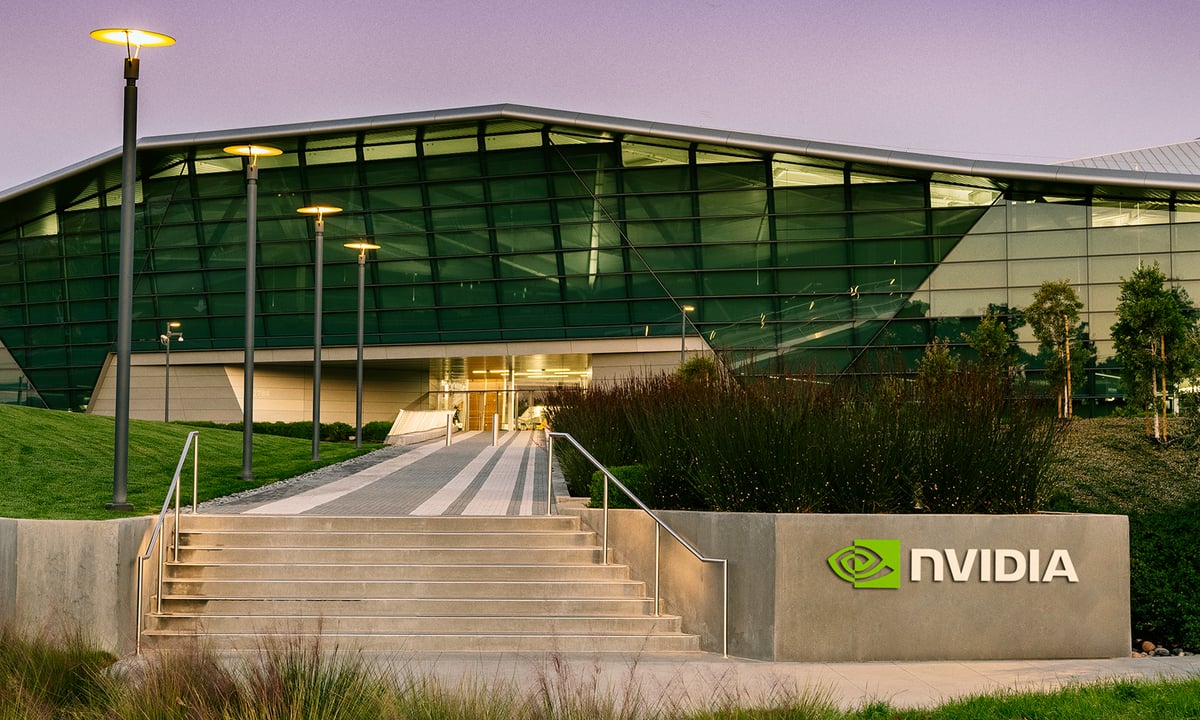
- Significant Earnings Growth: Nvidia achieved a remarkable 65% revenue growth in fiscal 2026, primarily driven by artificial intelligence, although concerns about future growth slowing persist in the market.
- Market Share Risks: While Nvidia maintains its leadership in the AI chip market, other semiconductor companies are actively developing their own AI chips, which could impact its market share, although this is unlikely to threaten its leadership position in the short term.
- Valuation Pressure: With a market cap of approximately $4.8 trillion, Nvidia's strong revenue growth is tempered by a P/E ratio of 40, and if the stock were to decline by 25% over the next 12 months, its P/E could drop to 18, potentially entering value stock territory.
- Investor Strategy: Despite the potential for AI growth to slow, investors are advised to hold Nvidia shares, as current performance remains robust and valuations may adjust downward in the future, thereby limiting potential downside risks.
See More
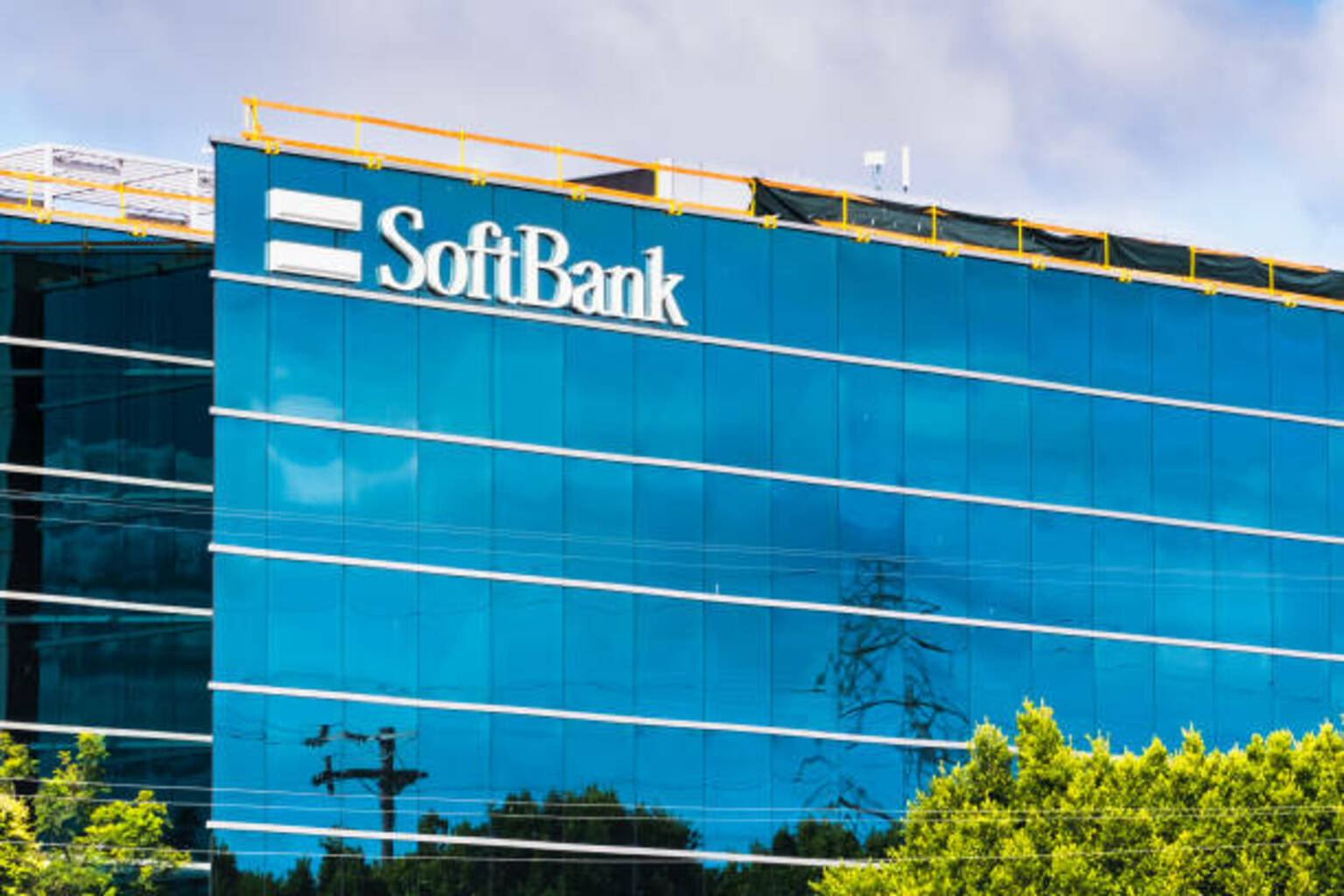
SoftBank Plans Local AI Server Development
- Local AI Server Development: SoftBank plans to start designing and assembling local AI servers by the end of the decade to meet the growing demand for sovereign AI services, which is expected to significantly enhance its competitive edge in the AI market.
- Partnership Formation: SoftBank has initiated discussions with Nvidia and Foxconn to leverage Nvidia's GPU certification program and Foxconn's manufacturing capabilities, thereby strengthening its technological prowess and market position in high-performance server development.
- Manufacturing System Establishment: SoftBank aims to build a production base at a former Sharp plant, transitioning from assembling externally sourced components to eventually controlling the entire server production process, which will help improve production efficiency and reduce costs.
- AI Infrastructure Integration: The new servers will not only be used in SoftBank's data centers but will also support its AI-RAN integrated infrastructure, designed to handle communication and AI processing simultaneously, further advancing its strategic positioning in the AI sector.
See More
Can Eli Lilly Reclaim a $1 Trillion Market Cap?


- Market Leadership: Eli Lilly's leadership in the weight loss market positions it to potentially achieve an 11.7% compound annual growth rate over the next seven years; despite facing intense competition, its robust pipeline of candidates could support significant clinical progress, which may drive a rebound in its stock price.
- Diversification Strategy: Eli Lilly has significantly expanded its drug pipeline through acquisitions, particularly with breakthroughs in Alzheimer's disease, such as the approval of Kisunla, which has positively impacted its stock; further successes in other therapeutic areas could enhance the company's stock performance.
- AI Technology Investment: Eli Lilly has built the most powerful AI supercomputer in the pharmaceutical industry in partnership with Nvidia, and while AI may not transform the business overnight, even modest productivity gains could have a meaningful impact on the company's operations in the coming years.
- Long-Term Growth Potential: Even if Eli Lilly does not meet every growth criterion, its dominance in the weight loss market and extensive drug pipeline suggest strong financial performance ahead, and its impressive dividend growth over the past five years adds to its attractiveness for investors.
See More
Trade Desk Faces Publicis Challenge Amid Earnings Miss

- Publicis Controversy Impact: Trade Desk's Q1 2026 earnings miss led to a 13.11% drop in pre-market trading, primarily due to Publicis's concerns over pricing and transparency, which could result in client losses and significantly impact Q2 and Q3 revenues.
- Margin Pressure: The company targets a full-year adjusted EBITDA margin of 40%, yet reported only 30% in Q1, necessitating substantial revenue growth or aggressive cost control in the second half, with management failing to provide a clear strategy, thus increasing market uncertainty.
- Long-Term Outlook Remains Positive: Despite short-term challenges, Trade Desk's long-term strategies, including open internet principles, retail media, and AI search, remain attractive, with Jeff Green's $150 million stock purchase reflecting confidence in the company's future.
- Cautious Market Reaction: Although Publicis's audit found no issues, the market's response to Trade Desk remains cautious, with heightened investor concerns about future profitability and market share, indicating a strong focus on the company's near-term performance.
See More
Nvidia Reaches Historic Market Capitalization High

- Market Capitalization Milestone: Nvidia reached a historic market cap of $5.26 trillion on April 27, currently valued at $5.17 trillion, solidifying its position as the largest publicly traded company in history.
- Strong Growth Trajectory: The company's market cap has surged over 80% in the past year and more than 1,300% over the last five years, reflecting robust performance and sustained demand in the semiconductor sector.
- Enhanced Profitability: Nvidia's revenue has increased by over 250% in the last three years, with net income rising more than 300% and free cash flow up over 200%, indicating significant improvements in profitability.
- Investment Opportunity: Despite recent stock price volatility, analysts anticipate that Nvidia's upcoming Q1 earnings report will exceed expectations, suggesting that the company remains a worthwhile long-term investment.
See More

Oklo Stock Rebounds 46.2% After 31% Plunge in Q1 2026

- Stock Rebound: After a 31% drop in Q1 2026, Oklo's shares surged 46.2% in April, erasing previous losses and returning to positive territory for the year, reflecting strong market confidence in its future prospects.
- Strategic Collaboration: Oklo's partnership with Nvidia and Los Alamos National Laboratory aims to develop Aurora fast fission nuclear power plants, leveraging Nvidia's AI technology to accelerate nuclear fuel research, indicating a rising demand for nuclear-powered infrastructure.
- Policy Support: The White House launched the National Initiative for American Space Nuclear Power on April 14, prioritizing space nuclear reactors as a national strategy, which aligns with Oklo's technology and could enhance its market position.
- Market Outlook: Oklo will release its Q1 earnings on May 12; while still in the development stage, management's insights on cash position and regulatory progress will be crucial for determining the stock's momentum following April's rally.
See More
AI Drives Nvidia's Earnings Growth Amid Market Concerns
- Significant Earnings Growth: Nvidia achieved a remarkable 65% revenue growth in fiscal 2026, primarily driven by artificial intelligence, although concerns about future growth slowing persist in the market.
- Market Share Risks: While Nvidia maintains its leadership in the AI chip market, other semiconductor companies are actively developing their own AI chips, which could impact its market share, although this is unlikely to threaten its leadership position in the short term.
- Valuation Pressure: With a market cap of approximately $4.8 trillion, Nvidia's strong revenue growth is tempered by a P/E ratio of 40, and if the stock were to decline by 25% over the next 12 months, its P/E could drop to 18, potentially entering value stock territory.
- Investor Strategy: Despite the potential for AI growth to slow, investors are advised to hold Nvidia shares, as current performance remains robust and valuations may adjust downward in the future, thereby limiting potential downside risks.
See More
SoftBank Plans Local AI Server Development
- Local AI Server Development: SoftBank plans to start designing and assembling local AI servers by the end of the decade to meet the growing demand for sovereign AI services, which is expected to significantly enhance its competitive edge in the AI market.
- Partnership Formation: SoftBank has initiated discussions with Nvidia and Foxconn to leverage Nvidia's GPU certification program and Foxconn's manufacturing capabilities, thereby strengthening its technological prowess and market position in high-performance server development.
- Manufacturing System Establishment: SoftBank aims to build a production base at a former Sharp plant, transitioning from assembling externally sourced components to eventually controlling the entire server production process, which will help improve production efficiency and reduce costs.
- AI Infrastructure Integration: The new servers will not only be used in SoftBank's data centers but will also support its AI-RAN integrated infrastructure, designed to handle communication and AI processing simultaneously, further advancing its strategic positioning in the AI sector.
See More
Can Eli Lilly Reclaim a $1 Trillion Market Cap?
- Market Leadership: Eli Lilly's leadership in the weight loss market positions it to potentially achieve an 11.7% compound annual growth rate over the next seven years; despite facing intense competition, its robust pipeline of candidates could support significant clinical progress, which may drive a rebound in its stock price.
- Diversification Strategy: Eli Lilly has significantly expanded its drug pipeline through acquisitions, particularly with breakthroughs in Alzheimer's disease, such as the approval of Kisunla, which has positively impacted its stock; further successes in other therapeutic areas could enhance the company's stock performance.
- AI Technology Investment: Eli Lilly has built the most powerful AI supercomputer in the pharmaceutical industry in partnership with Nvidia, and while AI may not transform the business overnight, even modest productivity gains could have a meaningful impact on the company's operations in the coming years.
- Long-Term Growth Potential: Even if Eli Lilly does not meet every growth criterion, its dominance in the weight loss market and extensive drug pipeline suggest strong financial performance ahead, and its impressive dividend growth over the past five years adds to its attractiveness for investors.
See More
Trade Desk Faces Publicis Challenge Amid Earnings Miss
- Publicis Controversy Impact: Trade Desk's Q1 2026 earnings miss led to a 13.11% drop in pre-market trading, primarily due to Publicis's concerns over pricing and transparency, which could result in client losses and significantly impact Q2 and Q3 revenues.
- Margin Pressure: The company targets a full-year adjusted EBITDA margin of 40%, yet reported only 30% in Q1, necessitating substantial revenue growth or aggressive cost control in the second half, with management failing to provide a clear strategy, thus increasing market uncertainty.
- Long-Term Outlook Remains Positive: Despite short-term challenges, Trade Desk's long-term strategies, including open internet principles, retail media, and AI search, remain attractive, with Jeff Green's $150 million stock purchase reflecting confidence in the company's future.
- Cautious Market Reaction: Although Publicis's audit found no issues, the market's response to Trade Desk remains cautious, with heightened investor concerns about future profitability and market share, indicating a strong focus on the company's near-term performance.
See More
Nvidia Reaches Historic Market Capitalization High
- Market Capitalization Milestone: Nvidia reached a historic market cap of $5.26 trillion on April 27, currently valued at $5.17 trillion, solidifying its position as the largest publicly traded company in history.
- Strong Growth Trajectory: The company's market cap has surged over 80% in the past year and more than 1,300% over the last five years, reflecting robust performance and sustained demand in the semiconductor sector.
- Enhanced Profitability: Nvidia's revenue has increased by over 250% in the last three years, with net income rising more than 300% and free cash flow up over 200%, indicating significant improvements in profitability.
- Investment Opportunity: Despite recent stock price volatility, analysts anticipate that Nvidia's upcoming Q1 earnings report will exceed expectations, suggesting that the company remains a worthwhile long-term investment.
See More
Oklo Stock Rebounds 46.2% After 31% Plunge in Q1 2026
- Stock Rebound: After a 31% drop in Q1 2026, Oklo's shares surged 46.2% in April, erasing previous losses and returning to positive territory for the year, reflecting strong market confidence in its future prospects.
- Strategic Collaboration: Oklo's partnership with Nvidia and Los Alamos National Laboratory aims to develop Aurora fast fission nuclear power plants, leveraging Nvidia's AI technology to accelerate nuclear fuel research, indicating a rising demand for nuclear-powered infrastructure.
- Policy Support: The White House launched the National Initiative for American Space Nuclear Power on April 14, prioritizing space nuclear reactors as a national strategy, which aligns with Oklo's technology and could enhance its market position.
- Market Outlook: Oklo will release its Q1 earnings on May 12; while still in the development stage, management's insights on cash position and regulatory progress will be crucial for determining the stock's momentum following April's rally.
See More