SpendHound Reaches 1,000 Customers, Signaling Strong Market Adoption
Written by Emily J. Thompson, Senior Investment Analyst
Updated: Mar 23 2026
0mins

Source: Newsfilter
- Customer Growth Milestone: SpendHound has successfully attracted 1,000 customers in just two years, marking rapid growth in the enterprise spend management sector, particularly with ZoomInfo joining as the 1,000th customer, which further validates the platform's market value.
- Software Spend Management: Since its inception, finance and procurement teams using SpendHound have managed over $3.2 billion in software spend and achieved total savings of $35.8 million, demonstrating significant effectiveness in helping enterprises optimize spending and enhance procurement decisions.
- Industry Leadership: SpendHound has established the industry's most comprehensive database of actual SaaS pricing patterns, powered by benchmarking intelligence across over 10,000 AI and SaaS vendors, which strengthens its competitive advantage in the market.
- Future Development Plans: The company plans to continue investing in product innovation and market expansion in 2026, including the launch of a significant AI-powered product designed to support enterprise customer acquisition and scaling, further solidifying its market leadership position.
Trade with 70% Backtested Accuracy
Stop guessing "Should I Buy CG?" and start using high-conviction signals backed by rigorous historical data.
Sign up today to access powerful investing tools and make smarter, data-driven decisions.
Analyst Views on CG
Wall Street analysts forecast CG stock price to rise
12 Analyst Rating
7 Buy
4 Hold
1 Sell
Moderate Buy
Current: 49.460

Low
53.00
Averages
67.91
High
83.00
Current: 49.460
Low
53.00
Averages
67.91
High
83.00
About CG
The Carlyle Group Inc. is a global investment company. The Company operates through three segments including Global Private Equity, Global Credit and Carlyle AlpInvest. The Global Private Equity segment advises the Company's buyout, growth, real estate, infrastructure, and natural resources funds. The Global Private Equity segment also includes the NGP Carry Funds advised by NGP Energy Capital Management (NGP). The Global Credit segment advises funds and vehicles that pursue investment strategies including insurance solutions, liquid credit, opportunistic credit, direct lending, asset-backed finance, aviation finance, infrastructure credit, cross-platform credit products, and global capital markets. The Company's Carlyle AlpInvest segment advises global private equity programs that pursue secondary purchases and financing of existing portfolios, managed co-investment programs, and primary fund investments.
About the author

Emily J. Thompson
Emily J. Thompson, a Chartered Financial Analyst (CFA) with 12 years in investment research, graduated with honors from the Wharton School. Specializing in industrial and technology stocks, she provides in-depth analysis for Intellectia’s earnings and market brief reports.
Carlyle and Yum China Compete for Jardine Restaurant Unit

- Bidding for Restaurant Unit: Carlyle Group and Yum China are competing for Jardine Matheson's restaurant division, which operates KFC and Pizza Hut in Hong Kong, Taiwan, and other Asian markets, with the deal expected to fetch around $400 million, highlighting strong interest in the Asian fast-food sector.
- Significant Market Potential: The fast-food market in the Asia-Pacific region was valued at approximately $270 billion in 2024 and is projected to reach $465 billion by 2033, reflecting consumer demand driven by urbanization and a young population, providing lucrative returns for investors.
- Financial Performance: Jardine Restaurant Group operates around 1,000 KFC and Pizza Hut outlets across Hong Kong, Macau, Myanmar, Taiwan, and Vietnam, generating an annual EBITDA of about $35 million to $40 million, indicating its stable profitability and market position.
- Capital Reallocation Strategy: Jardine is looking to reallocate capital to core businesses, having recently completed a $4.2 billion take-private deal for luxury hotel group Mandarin Oriental, demonstrating its focus on optimizing its asset portfolio.
See More

Carlyle Secured Lending Reports Q1 2026 Financial Results

- Stable Earnings Performance: Despite macroeconomic uncertainties, Carlyle Secured Lending reported a Net Investment Income of $0.36 per share for Q1 2026, demonstrating resilience amid market volatility and bolstering investor confidence.
- Dividend Adjustment Strategy: The Board declared a quarterly common dividend of $0.35 per share, payable on July 16, 2026, aimed at better aligning with current portfolio earnings, thereby enhancing financial flexibility.
- Asset Value Changes: As of March 31, 2026, the company's Net Asset Value per share decreased by 2.3% to $15.89, reflecting a total fair value of investments dropping to $2.3 billion, necessitating a focus on future asset management strategies.
- Market Expansion Potential: CGBD's joint ventures ended the quarter with over $1 billion in assets, indicating significant potential for further expansion in the middle-market lending space, supporting its long-term growth strategy.
See More
Midday Stock Movements of Major Companies

- Planet Fitness Earnings Downgrade: Planet Fitness shares fell nearly 33% after the gym operator lowered its full-year earnings outlook, now projecting only a 4% year-over-year growth, down from a previous forecast of 9%-10%, which negatively impacts market confidence.
- Vital Farms Surprise Loss: Vital Farms, the egg producer, dropped 20% following a surprise loss of 3 cents per share in Q1, against analyst expectations of a 6-cent profit, and the company also cut its full-year earnings outlook, indicating increasing industry pressures.
- Datadog Exceeds Expectations: Datadog shares surged 28% after reporting Q1 earnings of 61 cents per share, surpassing the 51-cent consensus, with Q2 revenue guidance between $1.07 billion and $1.08 billion, reflecting strong market demand.
- AAON Revenue Surge: AAON, the air conditioning and heating equipment manufacturer, saw its shares soar 40% after Q1 earnings, EBITDA, and revenue all exceeded Wall Street estimates, raising its full-year revenue guidance by as much as 45%, showcasing robust growth potential.
See More
Carlyle Group Q1 2026 Earnings Call Highlights
- Performance Highlights: Carlyle Group reported over $12 billion in buyout realizations for Q1 2026, attracting $13 billion in new capital, demonstrating strong market demand and investor confidence, which further solidifies its leadership position in the private equity sector.
- Inflows and Management Fees: Management fees reached $545 million, up 4% year-over-year, reflecting the company's sustained growth in asset management, which is expected to support future earnings growth, particularly driven by diversified investment strategies.
- Innovative Investment Solutions: The company launched a first-of-its-kind investment solution anchored by a $5 billion commitment, marking its innovative capability in the private equity market, which is expected to attract more investors and enhance the company's competitive edge.
- Future Outlook: Carlyle Group anticipates achieving $200 billion in inflows and over $6 per share in distributable earnings by the end of 2028, showcasing management's confidence in future growth while reflecting strategic planning in navigating market uncertainties.
See More
Market Dynamics and Company Performance Analysis


- Calm Market Conditions: Stock futures are stable this morning with oil prices down approximately 5%, following another record close for the S&P 500, driven by hopes for an end to the Iran war, although the market is inching towards overbought territory according to momentum indicators.
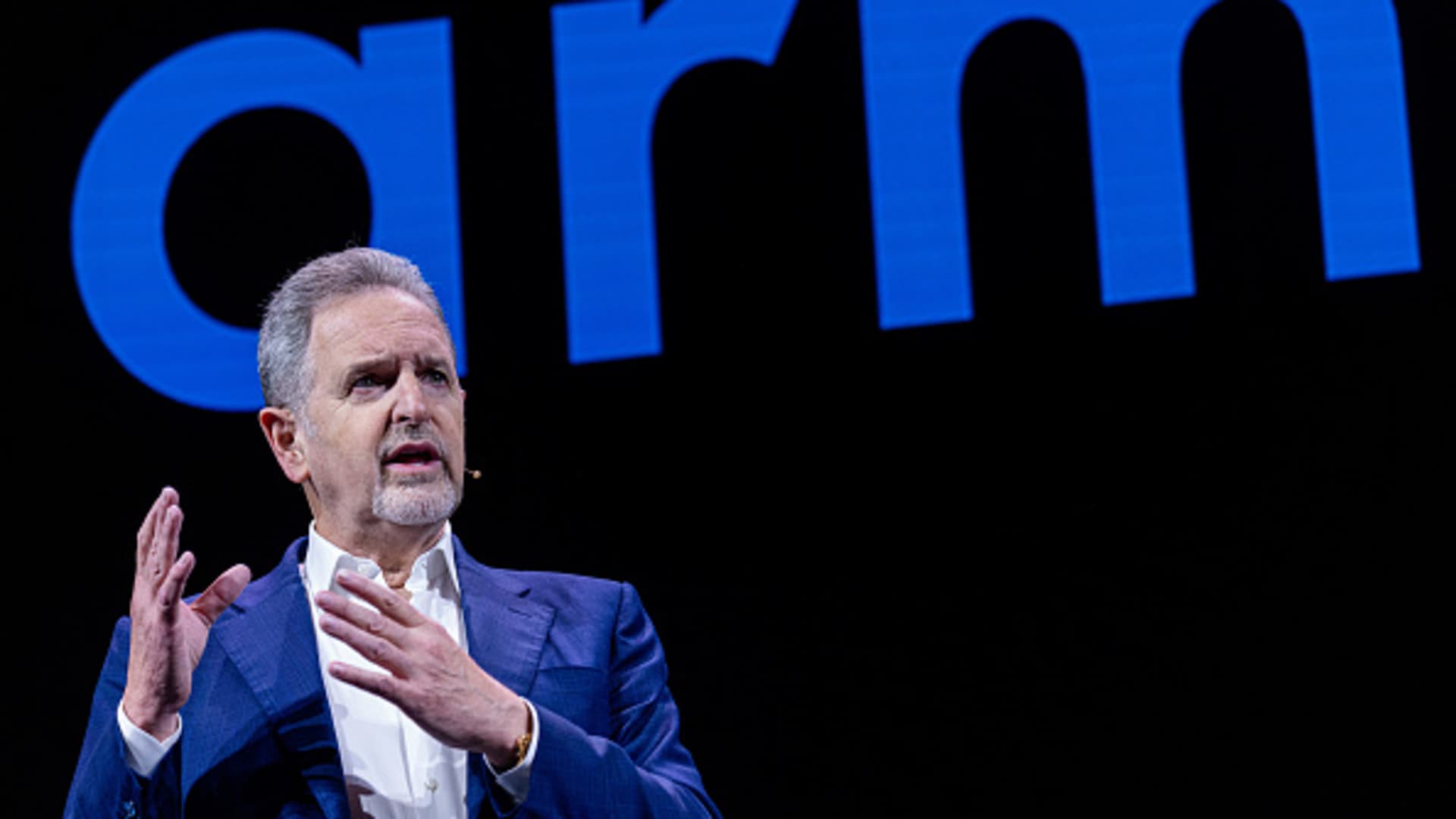
- Arm Holdings Earnings Report: Despite a strong earnings report from Arm Holdings showcasing robust data center CPU business, shares fell 8% this morning due to insufficient supply of new CPUs to raise revenue forecasts, even though they are more power-efficient than AMD and Intel's x86 processors.
- Fortinet Share Surge: Fortinet's stock surged 15% after delivering outstanding quarterly results, prompting BTIG analysts to upgrade the stock from hold to buy, with Fortinet commanding 50% of the global firewall market, boosting the performance of other cybersecurity stocks as well.
- Kraft Heinz Recovery Plan: Although Kraft Heinz has struggled for years, CEO Steve Cahillane is investing in brands like Kraft mac and cheese to restore the company's former glory, aiming to win back consumers and drive growth, reflecting confidence in future prospects.
See More
Carlyle Group Q1 Earnings Miss Expectations
- Earnings Performance: Carlyle Group reported a Q1 non-GAAP EPS of $0.89, missing expectations by $0.03, indicating challenges faced by the company in the current economic environment, which may impact investor confidence.
- Market Opportunities: Despite concerns in private credit, Carlyle views this as an investment opportunity, suggesting the company is seeking growth potential in adversity, which may attract risk-tolerant investors.
- Shareholder Call: In the latest shareholder/analyst call, Carlyle discussed its strategic direction, emphasizing the importance of maintaining flexibility in uncertain markets to navigate potential volatility.
- Portfolio Adjustments: East 72 Dynasty Trust exited its holdings in Carlyle, Vivendi, and others in Q1, reflecting a cautious attitude among investors regarding market prospects, which could affect Carlyle's stock performance.
See More
Carlyle and Yum China Compete for Jardine Restaurant Unit
- Bidding for Restaurant Unit: Carlyle Group and Yum China are competing for Jardine Matheson's restaurant division, which operates KFC and Pizza Hut in Hong Kong, Taiwan, and other Asian markets, with the deal expected to fetch around $400 million, highlighting strong interest in the Asian fast-food sector.
- Significant Market Potential: The fast-food market in the Asia-Pacific region was valued at approximately $270 billion in 2024 and is projected to reach $465 billion by 2033, reflecting consumer demand driven by urbanization and a young population, providing lucrative returns for investors.
- Financial Performance: Jardine Restaurant Group operates around 1,000 KFC and Pizza Hut outlets across Hong Kong, Macau, Myanmar, Taiwan, and Vietnam, generating an annual EBITDA of about $35 million to $40 million, indicating its stable profitability and market position.
- Capital Reallocation Strategy: Jardine is looking to reallocate capital to core businesses, having recently completed a $4.2 billion take-private deal for luxury hotel group Mandarin Oriental, demonstrating its focus on optimizing its asset portfolio.
See More
Carlyle Secured Lending Reports Q1 2026 Financial Results
- Stable Earnings Performance: Despite macroeconomic uncertainties, Carlyle Secured Lending reported a Net Investment Income of $0.36 per share for Q1 2026, demonstrating resilience amid market volatility and bolstering investor confidence.
- Dividend Adjustment Strategy: The Board declared a quarterly common dividend of $0.35 per share, payable on July 16, 2026, aimed at better aligning with current portfolio earnings, thereby enhancing financial flexibility.
- Asset Value Changes: As of March 31, 2026, the company's Net Asset Value per share decreased by 2.3% to $15.89, reflecting a total fair value of investments dropping to $2.3 billion, necessitating a focus on future asset management strategies.
- Market Expansion Potential: CGBD's joint ventures ended the quarter with over $1 billion in assets, indicating significant potential for further expansion in the middle-market lending space, supporting its long-term growth strategy.
See More
Midday Stock Movements of Major Companies
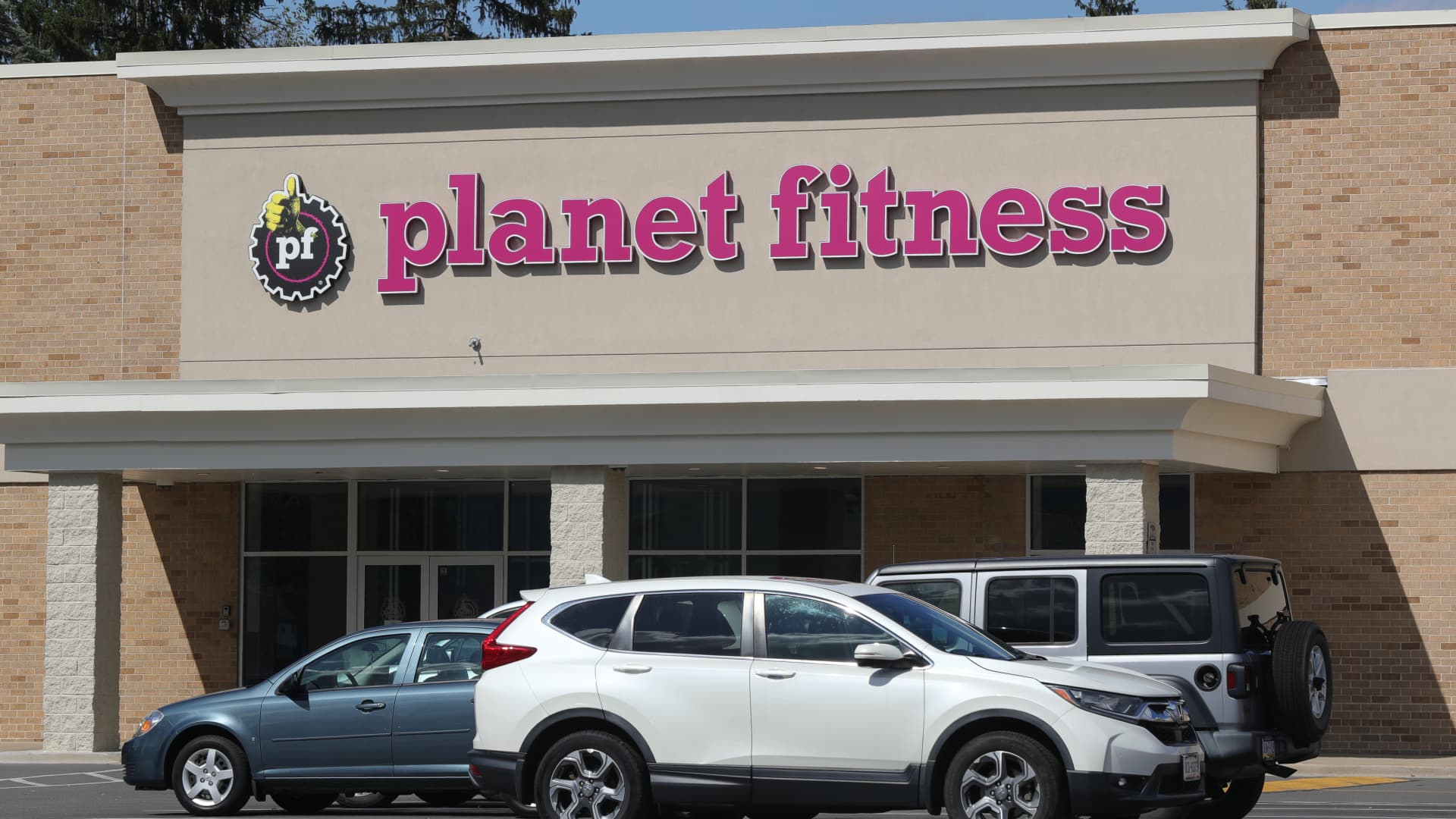
- Planet Fitness Earnings Downgrade: Planet Fitness shares fell nearly 33% after the gym operator lowered its full-year earnings outlook, now projecting only a 4% year-over-year growth, down from a previous forecast of 9%-10%, which negatively impacts market confidence.
- Vital Farms Surprise Loss: Vital Farms, the egg producer, dropped 20% following a surprise loss of 3 cents per share in Q1, against analyst expectations of a 6-cent profit, and the company also cut its full-year earnings outlook, indicating increasing industry pressures.
- Datadog Exceeds Expectations: Datadog shares surged 28% after reporting Q1 earnings of 61 cents per share, surpassing the 51-cent consensus, with Q2 revenue guidance between $1.07 billion and $1.08 billion, reflecting strong market demand.
- AAON Revenue Surge: AAON, the air conditioning and heating equipment manufacturer, saw its shares soar 40% after Q1 earnings, EBITDA, and revenue all exceeded Wall Street estimates, raising its full-year revenue guidance by as much as 45%, showcasing robust growth potential.
See More
Carlyle Group Q1 2026 Earnings Call Highlights
- Performance Highlights: Carlyle Group reported over $12 billion in buyout realizations for Q1 2026, attracting $13 billion in new capital, demonstrating strong market demand and investor confidence, which further solidifies its leadership position in the private equity sector.
- Inflows and Management Fees: Management fees reached $545 million, up 4% year-over-year, reflecting the company's sustained growth in asset management, which is expected to support future earnings growth, particularly driven by diversified investment strategies.
- Innovative Investment Solutions: The company launched a first-of-its-kind investment solution anchored by a $5 billion commitment, marking its innovative capability in the private equity market, which is expected to attract more investors and enhance the company's competitive edge.
- Future Outlook: Carlyle Group anticipates achieving $200 billion in inflows and over $6 per share in distributable earnings by the end of 2028, showcasing management's confidence in future growth while reflecting strategic planning in navigating market uncertainties.
See More
Market Dynamics and Company Performance Analysis
- Calm Market Conditions: Stock futures are stable this morning with oil prices down approximately 5%, following another record close for the S&P 500, driven by hopes for an end to the Iran war, although the market is inching towards overbought territory according to momentum indicators.
- Arm Holdings Earnings Report: Despite a strong earnings report from Arm Holdings showcasing robust data center CPU business, shares fell 8% this morning due to insufficient supply of new CPUs to raise revenue forecasts, even though they are more power-efficient than AMD and Intel's x86 processors.
- Fortinet Share Surge: Fortinet's stock surged 15% after delivering outstanding quarterly results, prompting BTIG analysts to upgrade the stock from hold to buy, with Fortinet commanding 50% of the global firewall market, boosting the performance of other cybersecurity stocks as well.
- Kraft Heinz Recovery Plan: Although Kraft Heinz has struggled for years, CEO Steve Cahillane is investing in brands like Kraft mac and cheese to restore the company's former glory, aiming to win back consumers and drive growth, reflecting confidence in future prospects.
See More
Carlyle Group Q1 Earnings Miss Expectations
- Earnings Performance: Carlyle Group reported a Q1 non-GAAP EPS of $0.89, missing expectations by $0.03, indicating challenges faced by the company in the current economic environment, which may impact investor confidence.
- Market Opportunities: Despite concerns in private credit, Carlyle views this as an investment opportunity, suggesting the company is seeking growth potential in adversity, which may attract risk-tolerant investors.
- Shareholder Call: In the latest shareholder/analyst call, Carlyle discussed its strategic direction, emphasizing the importance of maintaining flexibility in uncertain markets to navigate potential volatility.
- Portfolio Adjustments: East 72 Dynasty Trust exited its holdings in Carlyle, Vivendi, and others in Q1, reflecting a cautious attitude among investors regarding market prospects, which could affect Carlyle's stock performance.
See More