SpaceX's Market Debut and Index Inclusion Impact
Written by Emily J. Thompson, Senior Investment Analyst
Updated: 16 hours ago
0mins


Source: NASDAQ.COM
- IPO Valuation: SpaceX debuted at a valuation of $1.77 trillion, becoming the fifth-largest company globally, reflecting its strong market position and investor confidence in the aerospace sector.
- Index Inclusion Rule Changes: Major index providers adjusted their inclusion rules, with S&P Global easing float requirements, facilitating SpaceX's entry into relevant indexes, although the S&P 500 still requires a 12-month wait.
- Float Limitations: SpaceX issued only about 4% of its shares, limiting its weighting in most indexes; despite a market cap exceeding $2.6 trillion, only approximately $125 billion is available for trading.
- Future Weight Adjustments: As lockup periods expire, SpaceX's index weighting will gradually increase, but with Elon Musk holding about 40% of shares, its float may remain below the typical 50%-60% seen in standard IPOs.
Trade with 70% Backtested Accuracy
Stop guessing "Should I Buy NVDA?" and start using high-conviction signals backed by rigorous historical data.
Sign up today to access powerful investing tools and make smarter, data-driven decisions.
Analyst Views on NVDA
Wall Street analysts forecast NVDA stock price to rise
41 Analyst Rating
39 Buy
1 Hold
1 Sell
Strong Buy
Current: 204.650

Low
200.00
Averages
264.97
High
352.00
Current: 204.650
Low
200.00
Averages
264.97
High
352.00
About NVDA
NVIDIA Corporation is an artificial intelligence (AI) infrastructure company. The Company is engaged in accelerated computing to help solve the challenging computational problems. Its segments include Compute & Networking and Graphics. The Compute & Networking segment includes its Data Center accelerated computing and networking platforms and AI solutions and software, and automotive platforms and autonomous and electric vehicle solutions, including software. The Graphics segment includes GeForce GPUs for gaming and personal computers (PCs), and Quadro/NVIDIA RTX GPUs for enterprise workstation graphics. Its technology stack includes the foundational NVIDIA CUDA development platform that runs on all NVIDIA GPUs, as well as hundreds of domain-specific software libraries, frameworks, algorithms, software development kits (SDKs), and application programming interfaces (APIs). Its platforms address four markets, which include Data Center, Gaming, Professional Visualization, and Automotive.
About the author

Emily J. Thompson
Emily J. Thompson, a Chartered Financial Analyst (CFA) with 12 years in investment research, graduated with honors from the Wharton School. Specializing in industrial and technology stocks, she provides in-depth analysis for Intellectia’s earnings and market brief reports.

United States Oil Fund Returns Just 22% Over a Decade

- Return Analysis: Over the past decade, the United States Oil Fund (USO) has only achieved a total return of 22.46%, while crude oil prices surged from $16.55 to $114.84, indicating that investors failed to effectively capture price movements, reflecting the fund's structural costs.
- Futures Roll Decay: USO rolls its front-month NYMEX WTI futures contracts monthly, and when the futures curve is in contango, the fund sells the cheaper expiring contract and buys the more expensive next one, leading to a monthly bleed in net asset value (NAV) even when spot crude prices remain flat.
- Tax Complexity: As a commodity pool limited partnership, USO investors receive a K-1 tax form, with long-term gains taxed at 60% and short-term gains at 40%, regardless of holding period, which adds unexpected accounting costs for investors.
- Market Risk Warning: As of June 17, 2026, USO is up 65.17% year-to-date, but analysts warn that if the Strait of Hormuz reopens, crude futures could quickly decline, erasing USO's yield advantage, with a 14.94% drop in the past week already observed.
See More
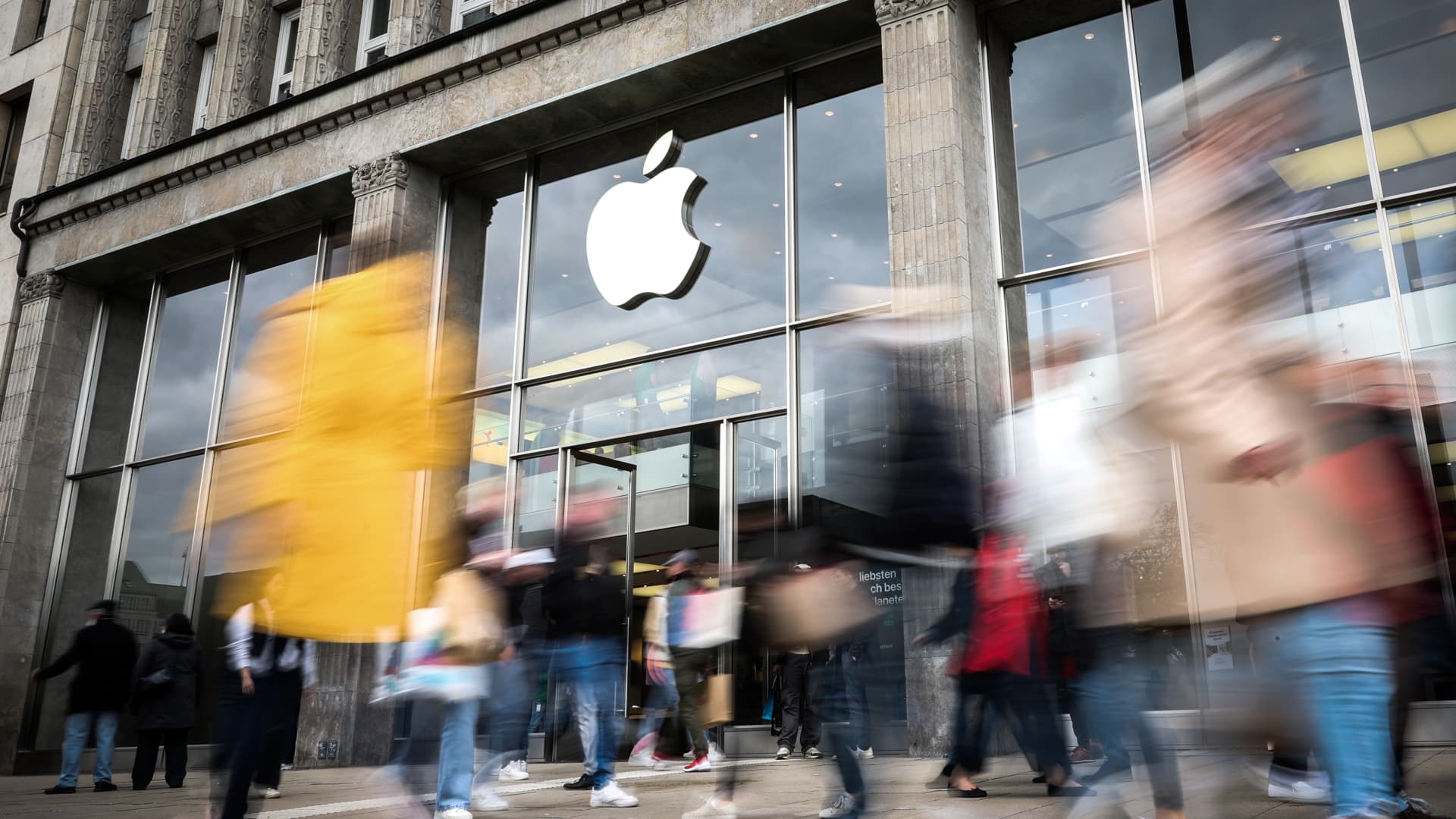
Nvidia Launches Vera CPU Platform, Tapping into $200 Billion Market
- Market Opportunity Expansion: Nvidia's newly launched Vera CPU platform is purpose-built for emerging agentic AI technology, expected to unlock a $200 billion market, significantly enhancing its competitive position in AI infrastructure.
- Comprehensive Product Offering: The Vera CPU, combined with Nvidia's GPUs, networking, and CUDA software, creates a complete ecosystem that allows the company to capture incremental value from each AI deployment, thereby increasing customer loyalty.
- Optimistic Revenue Projections: CFO Colette Kress stated that total CPU revenue is expected to reach nearly $20 billion this year, indicating that the Vera CPU is already being viewed as a strong alternative for AI infrastructure build-outs.
- Accelerated Strategic Transformation: The introduction of the Vera CPU marks Nvidia's evolution from a GPU supplier to a full-stack AI infrastructure provider, enhancing its market share and customer attachment rates in AI data centers.
See More

AI Boom Drives Memory Sector Surge

- Exceptional Market Performance: Memory stocks have surged over 800% in the past year, with market leaders like Micron Technology (MU) and SK Hynix officially entering the $1 trillion market cap club, showcasing the immense boost from the AI wave for hardware companies.
- Accelerated Product Innovation: Micron's HBM4 memory product achieves over 11 Gb/s pin speeds and bandwidth exceeding 2.8 TB/s, representing a 2.3 times bandwidth increase and over 20% power efficiency improvement compared to HBM3E, further solidifying its position as a critical supplier in AI computing platforms.
- Strong Industry Demand: The memory sector faces a structural shortage due to rapid AI advancements, with projections indicating that the DRAM and NAND supply-demand gap will persist through 2028, driving robust revenue growth for memory companies in the future.
- Diversified Investment Opportunities: Investing in ETFs that encompass multiple memory companies, such as Roundhill Memory ETF (DRAM) and Tuttle Capital Concentrated Memory Stack ETF (HBMX), provides investors with lower-risk opportunities to capture industry growth amid market volatility.
See More

Nvidia Outshines SpaceX in Financial Metrics


- Financial Performance Comparison: Nvidia's adjusted quarterly profits of $45.5 billion are nearly 2.5 times SpaceX's projected revenue for 2025, highlighting its strong profitability in the AI infrastructure sector and reinforcing its market leadership.
- Revenue Growth Potential: Nvidia achieved an impressive 85% revenue growth in the first quarter, reaching $81.6 billion, indicating sustained demand and market expansion capabilities in AI, which is expected to yield substantial returns for future investors.
- Business Model Differences: In contrast, SpaceX generated less than $19 billion in revenue last year and only grew 15% in the first quarter, with its ambitious $1 trillion revenue goal facing significant technical hurdles, reflecting the uncertainty and high risk of its business model.
- Market Competitive Landscape: While Elon Musk has set ambitious targets, analysts predict SpaceX will only reach $226 billion in revenue by 2030, whereas Amazon is projected to hit $1 trillion by 2028, indicating a more robust market outlook.
See More

Three Trillion-Dollar Companies to Watch


- Walmart's E-commerce Surge: Walmart became the first traditional retailer to surpass a $1 trillion market valuation in 2026, with its e-commerce business now accounting for 18% of total revenue, growing 24% to $150 billion, highlighting its technology-driven transformation in retail.
- Member Spending Trust: Costco saw a 7.3% increase in average transaction size globally during economic downturns, with membership fee income rising 13.6%, reflecting consumer trust in its value proposition, now boasting 82.1 million paid household members, enhancing brand loyalty.
- Berkshire's Strategic Acquisition: Under new CEO Greg Abel, Berkshire Hathaway acquired Taylor Morrison, merging it into one of the largest homebuilding platforms in the U.S. to address a 7 million home deficit, showcasing its strategic positioning in the real estate market.
- Diversified Investments: Berkshire also made a $10 billion investment in Alphabet, elevating it to one of the top four holdings, further enhancing its influence in the tech sector and demonstrating the diversity and durability of its investment portfolio.
See More

Walmart and Costco Leverage AI to Enhance Customer Loyalty
- Walmart's Technological Breakthrough: Walmart became the first traditional retailer to surpass a $1 trillion market valuation in February 2026, with its e-commerce business representing 18% of total revenue and growing 24% to $150 billion, showcasing successful technology investments that enhance market competitiveness.
- Same-Day Delivery Service: Walmart's same-day delivery now reaches 95% of U.S. households, a logistics achievement that sets it apart in the industry, improving consumer shopping experiences by ensuring that customers can find what they need at 11 p.m. and receive it the next morning.
- Costco's Membership Growth: Costco saw a 7.3% increase in average transaction size globally in Q3, with membership fee income rising 13.6%, now counting 82.1 million paid household members, demonstrating its ability to attract consumers even during economic downturns and enhancing brand loyalty.
- Fuel Price Appeal: Costco's fuel prices have become a significant draw amid rising gasoline costs, directly passing tariff savings to consumers, further solidifying brand trust and ensuring long-term customer loyalty.
See More
United States Oil Fund Returns Just 22% Over a Decade
- Return Analysis: Over the past decade, the United States Oil Fund (USO) has only achieved a total return of 22.46%, while crude oil prices surged from $16.55 to $114.84, indicating that investors failed to effectively capture price movements, reflecting the fund's structural costs.
- Futures Roll Decay: USO rolls its front-month NYMEX WTI futures contracts monthly, and when the futures curve is in contango, the fund sells the cheaper expiring contract and buys the more expensive next one, leading to a monthly bleed in net asset value (NAV) even when spot crude prices remain flat.
- Tax Complexity: As a commodity pool limited partnership, USO investors receive a K-1 tax form, with long-term gains taxed at 60% and short-term gains at 40%, regardless of holding period, which adds unexpected accounting costs for investors.
- Market Risk Warning: As of June 17, 2026, USO is up 65.17% year-to-date, but analysts warn that if the Strait of Hormuz reopens, crude futures could quickly decline, erasing USO's yield advantage, with a 14.94% drop in the past week already observed.
See More
Nvidia Launches Vera CPU Platform, Tapping into $200 Billion Market
- Market Opportunity Expansion: Nvidia's newly launched Vera CPU platform is purpose-built for emerging agentic AI technology, expected to unlock a $200 billion market, significantly enhancing its competitive position in AI infrastructure.
- Comprehensive Product Offering: The Vera CPU, combined with Nvidia's GPUs, networking, and CUDA software, creates a complete ecosystem that allows the company to capture incremental value from each AI deployment, thereby increasing customer loyalty.
- Optimistic Revenue Projections: CFO Colette Kress stated that total CPU revenue is expected to reach nearly $20 billion this year, indicating that the Vera CPU is already being viewed as a strong alternative for AI infrastructure build-outs.
- Accelerated Strategic Transformation: The introduction of the Vera CPU marks Nvidia's evolution from a GPU supplier to a full-stack AI infrastructure provider, enhancing its market share and customer attachment rates in AI data centers.
See More
AI Boom Drives Memory Sector Surge
- Exceptional Market Performance: Memory stocks have surged over 800% in the past year, with market leaders like Micron Technology (MU) and SK Hynix officially entering the $1 trillion market cap club, showcasing the immense boost from the AI wave for hardware companies.
- Accelerated Product Innovation: Micron's HBM4 memory product achieves over 11 Gb/s pin speeds and bandwidth exceeding 2.8 TB/s, representing a 2.3 times bandwidth increase and over 20% power efficiency improvement compared to HBM3E, further solidifying its position as a critical supplier in AI computing platforms.
- Strong Industry Demand: The memory sector faces a structural shortage due to rapid AI advancements, with projections indicating that the DRAM and NAND supply-demand gap will persist through 2028, driving robust revenue growth for memory companies in the future.
- Diversified Investment Opportunities: Investing in ETFs that encompass multiple memory companies, such as Roundhill Memory ETF (DRAM) and Tuttle Capital Concentrated Memory Stack ETF (HBMX), provides investors with lower-risk opportunities to capture industry growth amid market volatility.
See More
Nvidia Outshines SpaceX in Financial Metrics
- Financial Performance Comparison: Nvidia's adjusted quarterly profits of $45.5 billion are nearly 2.5 times SpaceX's projected revenue for 2025, highlighting its strong profitability in the AI infrastructure sector and reinforcing its market leadership.
- Revenue Growth Potential: Nvidia achieved an impressive 85% revenue growth in the first quarter, reaching $81.6 billion, indicating sustained demand and market expansion capabilities in AI, which is expected to yield substantial returns for future investors.
- Business Model Differences: In contrast, SpaceX generated less than $19 billion in revenue last year and only grew 15% in the first quarter, with its ambitious $1 trillion revenue goal facing significant technical hurdles, reflecting the uncertainty and high risk of its business model.
- Market Competitive Landscape: While Elon Musk has set ambitious targets, analysts predict SpaceX will only reach $226 billion in revenue by 2030, whereas Amazon is projected to hit $1 trillion by 2028, indicating a more robust market outlook.
See More
Three Trillion-Dollar Companies to Watch
- Walmart's E-commerce Surge: Walmart became the first traditional retailer to surpass a $1 trillion market valuation in 2026, with its e-commerce business now accounting for 18% of total revenue, growing 24% to $150 billion, highlighting its technology-driven transformation in retail.
- Member Spending Trust: Costco saw a 7.3% increase in average transaction size globally during economic downturns, with membership fee income rising 13.6%, reflecting consumer trust in its value proposition, now boasting 82.1 million paid household members, enhancing brand loyalty.
- Berkshire's Strategic Acquisition: Under new CEO Greg Abel, Berkshire Hathaway acquired Taylor Morrison, merging it into one of the largest homebuilding platforms in the U.S. to address a 7 million home deficit, showcasing its strategic positioning in the real estate market.
- Diversified Investments: Berkshire also made a $10 billion investment in Alphabet, elevating it to one of the top four holdings, further enhancing its influence in the tech sector and demonstrating the diversity and durability of its investment portfolio.
See More
Walmart and Costco Leverage AI to Enhance Customer Loyalty
- Walmart's Technological Breakthrough: Walmart became the first traditional retailer to surpass a $1 trillion market valuation in February 2026, with its e-commerce business representing 18% of total revenue and growing 24% to $150 billion, showcasing successful technology investments that enhance market competitiveness.
- Same-Day Delivery Service: Walmart's same-day delivery now reaches 95% of U.S. households, a logistics achievement that sets it apart in the industry, improving consumer shopping experiences by ensuring that customers can find what they need at 11 p.m. and receive it the next morning.
- Costco's Membership Growth: Costco saw a 7.3% increase in average transaction size globally in Q3, with membership fee income rising 13.6%, now counting 82.1 million paid household members, demonstrating its ability to attract consumers even during economic downturns and enhancing brand loyalty.
- Fuel Price Appeal: Costco's fuel prices have become a significant draw amid rising gasoline costs, directly passing tariff savings to consumers, further solidifying brand trust and ensuring long-term customer loyalty.
See More