SpaceX's 2026 Revenue Outlook Highlights Starlink Dominance
Written by Emily J. Thompson, Senior Investment Analyst
Updated: Feb 09 2026
0mins
Should l Buy TSLA?
Source: Benzinga
- NASA Revenue Share: Musk revealed that NASA is expected to account for only 5% of SpaceX's 2026 revenue, indicating a diminishing reliance on traditional space agencies and a strategic pivot towards alternative income streams for sustained growth.
- Significant Starlink Contribution: SpaceX's Starlink satellite internet service is projected to be the primary revenue driver, with Musk stating that it will constitute the vast majority of SpaceX's income, underscoring its critical role in the commercial space market.
- 2025 Financial Performance: SpaceX generated nearly $16 billion in revenue and $8 billion in profit in 2025, with Starlink contributing between 50% and 80% of this revenue, highlighting the service's robust profitability.
- Competitive Contract Acquisition: Musk noted that SpaceX secured various contracts through competitive bidding, including astronaut and cargo transport to the International Space Station, further solidifying its market position in the aerospace sector.
Trade with 70% Backtested Accuracy
Stop guessing "Should I Buy TSLA?" and start using high-conviction signals backed by rigorous historical data.
Sign up today to access powerful investing tools and make smarter, data-driven decisions.
Analyst Views on TSLA
Wall Street analysts forecast TSLA stock price to rise
30 Analyst Rating
12 Buy
11 Hold
7 Sell
Hold
Current: 372.800

Low
25.28
Averages
401.93
High
600.00
Current: 372.800
Low
25.28
Averages
401.93
High
600.00
About TSLA
Tesla, Inc. designs, develops, manufactures, sells and leases high-performance fully electric vehicles and energy generation and storage systems, and offers services related to its products. Its segments include automotive, and energy generation and storage. The automotive segment includes the design, development, manufacturing, sales and leasing of high-performance fully electric vehicles, and sales of automotive regulatory credits. It also includes sales of used vehicles, non-warranty maintenance services and collisions, part sales, paid supercharging, insurance services revenue and retail merchandise sales. The energy generation and storage segment include the design, manufacture, installation, sales and leasing of solar energy generation and energy storage products and related services and sales of solar energy systems incentives. Its consumer vehicles include the Model 3, Y, S, X and Cybertruck. Its lithium-ion battery energy storage products include Powerwall and Megapack.
About the author

Emily J. Thompson
Emily J. Thompson, a Chartered Financial Analyst (CFA) with 12 years in investment research, graduated with honors from the Wharton School. Specializing in industrial and technology stocks, she provides in-depth analysis for Intellectia’s earnings and market brief reports.

Tesla's First Semi Truck Begins High-Volume Production

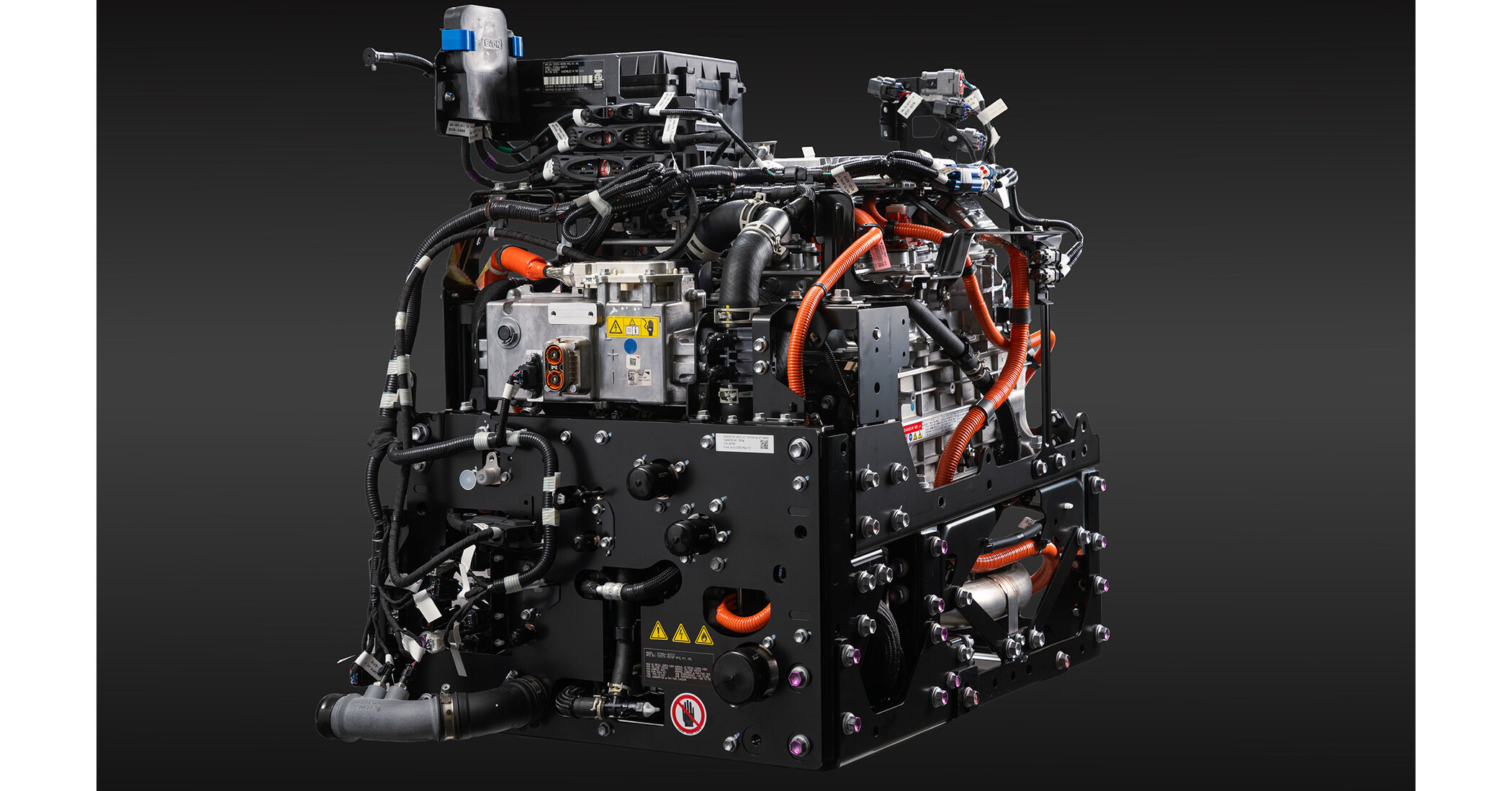
- Production Launch: Tesla announced that its first Semi truck has begun rolling off a high-volume production line, marking a significant advancement in the electric truck market and expected to enhance its market share in commercial electric vehicles.
- New Product Strategy: Tesla plans to achieve large-scale manufacturing of several new products by 2026, which not only showcases its strong R&D capabilities but also lays the groundwork for future revenue growth.
- Competitive Market Position: With the production of the Semi truck, Tesla will be better positioned to meet the increasing demand for electric commercial vehicles, thereby strengthening its competitive stance in the global EV market.
- Strategic Development Goals: The launch of Semi truck production aligns with Tesla's long-term strategic objectives, aiming to promote the adoption of sustainable transportation solutions through innovation and technological advancements.
See More
Tesla Retires Model S and X Amid Falling Demand
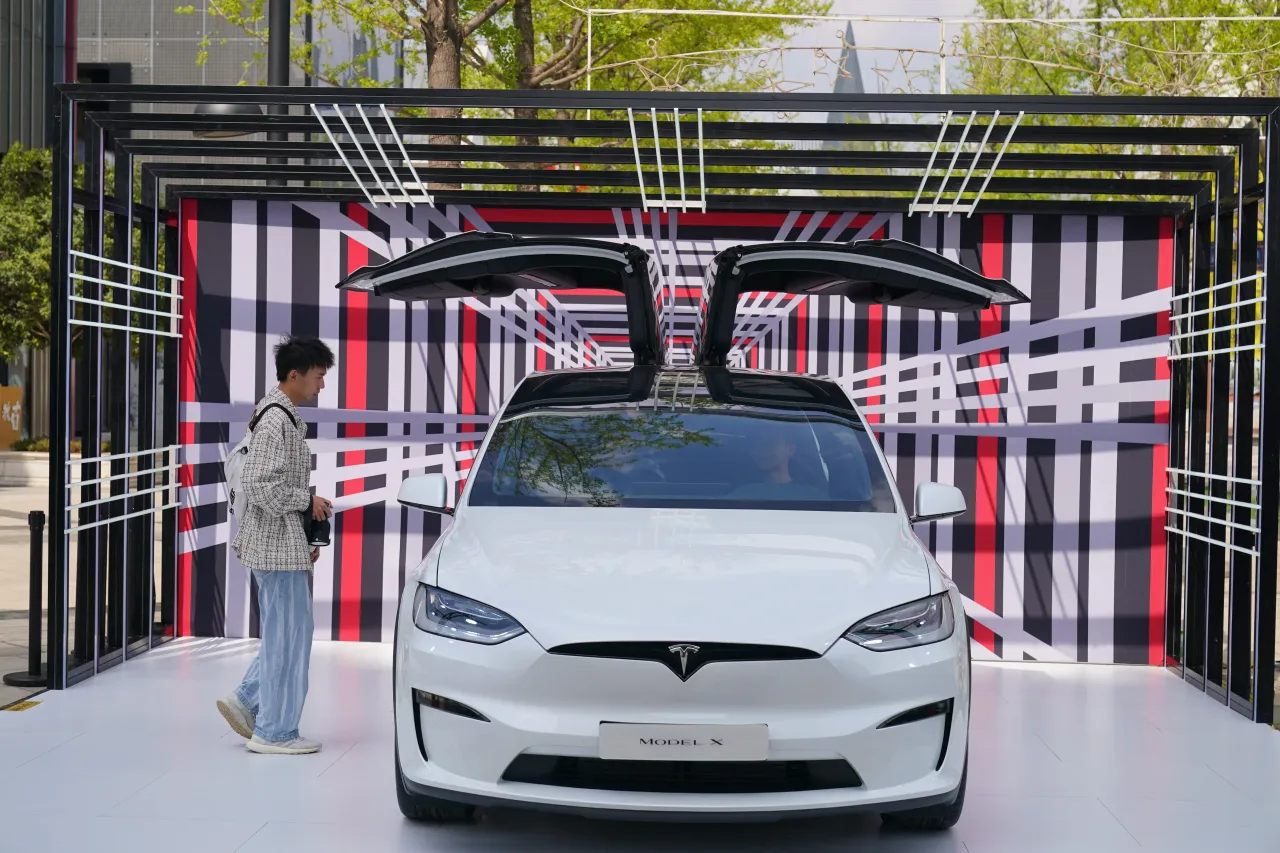
- Sales Decline: Tesla's decision to retire the Model S and X comes as these models, along with the Cybertruck, accounted for only 3% of global deliveries in 2025, indicating a significant drop in demand for premium vehicles that could impact the company's overall revenue structure.
- Strong Used Market Demand: Despite a slowdown in the broader used car market, a study by iSeeCars.com found that the Tesla Model X ranked first among the fastest-selling used cars in Q1 2025 and 2026, with an average listing time of just 25.6 days, far below the market average of 58.8 days, showcasing the brand's strong appeal in the used market.
- Price Comparison: In the U.S., the Model X is priced around $100,000, while the Model Y starts at about $40,000, suggesting that consumers may shift towards more cost-effective models, potentially affecting sales of high-end vehicles.
- Market Reaction: Although TSLA stock rose 34% over the past 12 months, retail sentiment on Stocktwits has dropped from 'extremely bullish' to 'bullish' in the last 24 hours, indicating growing concerns about the company's future performance.
See More
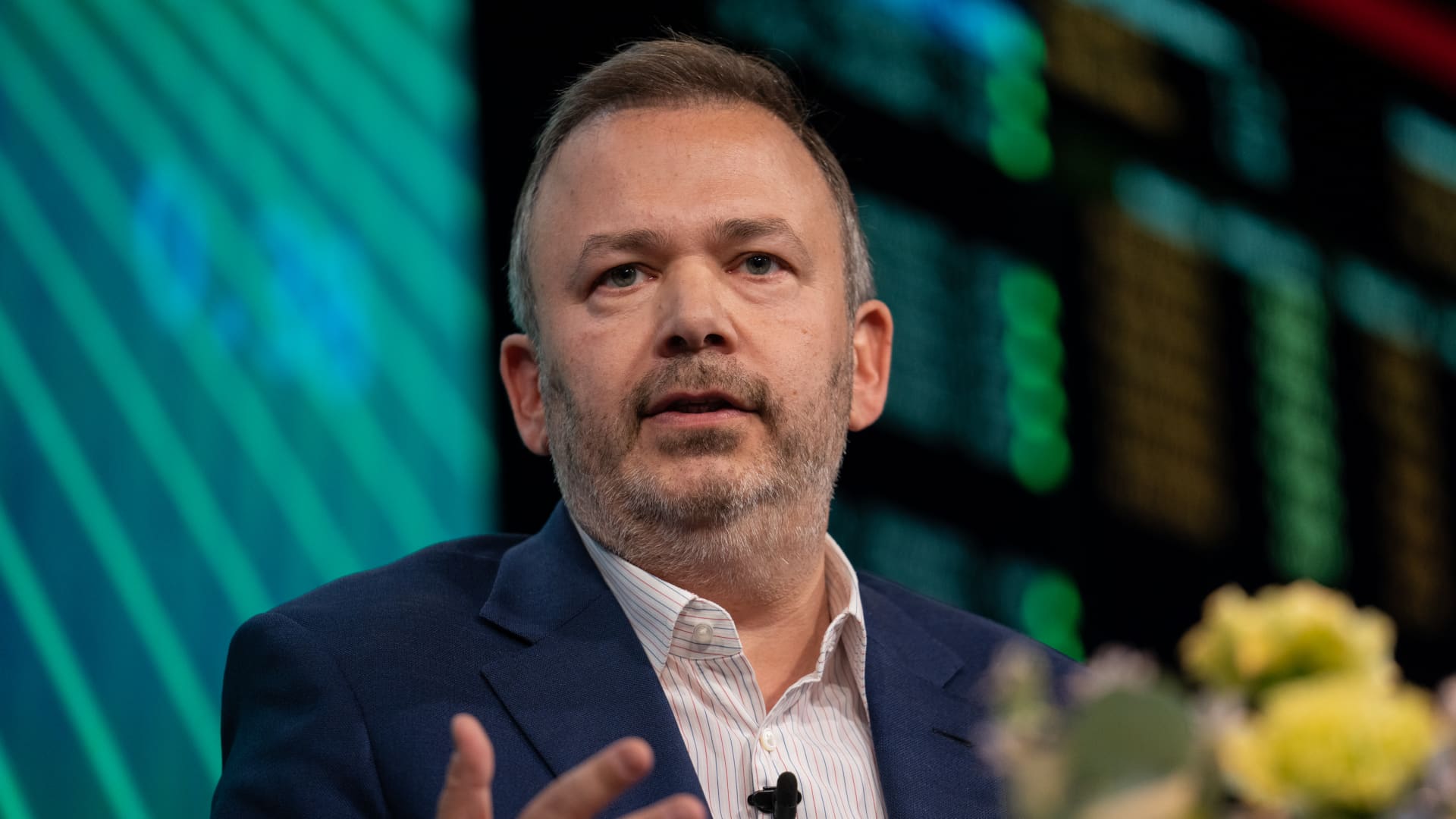
Saba Capital Gains Control of Edinburgh Worldwide Board
- Board Overhaul: Saba Capital successfully led a shareholder vote to oust Edinburgh Worldwide Investment Trust's chair Jonathan Simpson-Dent and five other board members, marking a significant shift in control that is expected to influence future investment strategies.
- Portfolio Restructuring: Saba plans to pivot EWIT's portfolio towards UK-listed investment trusts while aiming to maintain a single-digit discount to NAV through an active share buyback program, thereby enhancing investor confidence and market performance.
- SpaceX Performance: EWIT's largest holding, SpaceX, has generated a staggering 947% return since 2018, and despite criticism of the board's decision to sell part of the stake last year, this investment remains a key driver for future growth.
- Market Reaction: The victory reflects a decisive shift in EWIT's shareholder base, with four U.S. institutional investors, representing 40% of the share base, voting in favor of Saba, indicating market recognition of Saba's management plan and potentially prompting board changes in other UK investment trusts.
See More

Musk Returns to Court in OpenAI Case


- Tesla vs. OpenAI Showdown: Musk faced intense cross-examination in court against OpenAI's Sam Altman, which could impact Tesla's public image and investor confidence amid ongoing scrutiny.
- Meta's Earnings Setback: Meta reported a quarterly loss exceeding $4 billion in its Reality Labs unit, leading to a 9% drop in pre-market trading, indicating significant challenges in its AI investments.
- Amazon's Cloud Growth: Amazon's earnings report exceeded expectations, showcasing its strongest cloud revenue growth in over three years, with shares rising 3% before the bell, reflecting its sustained competitive strength in the market.
- Ford's Strong Performance: Ford surpassed analysts' earnings expectations and raised its full-year guidance, benefiting from a $1.3 billion tariff refund, indicating a robust recovery in the automotive sector.
See More
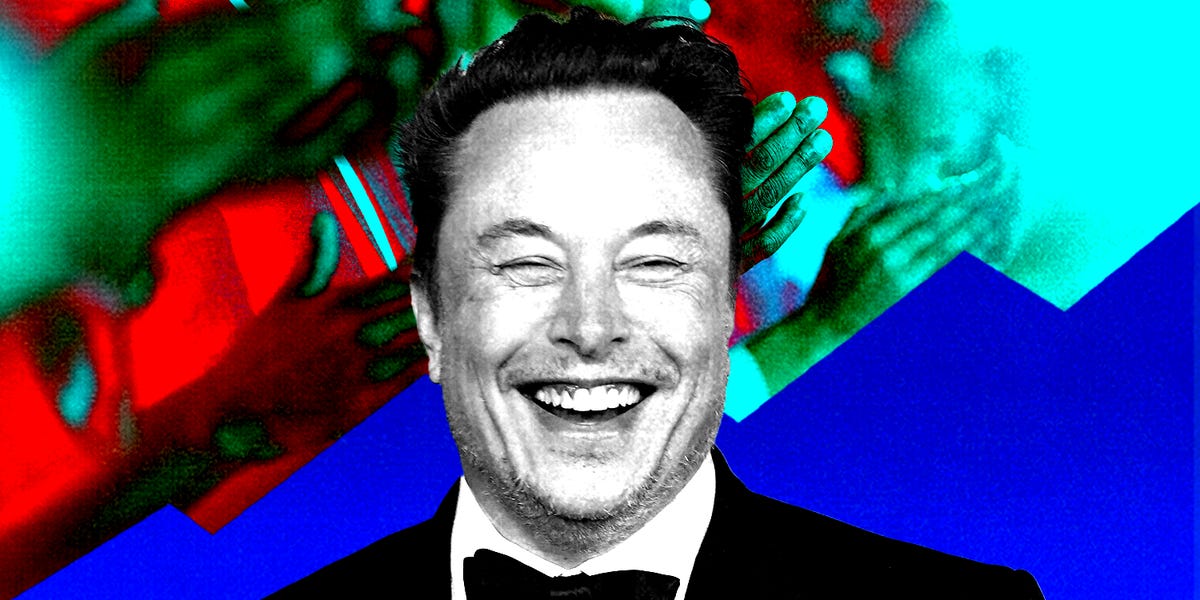
Tech Earnings Beat Expectations Amid Market Volatility
- Tech Earnings Highlights: Four of the Magnificent Seven tech giants reported earnings last night, with Meta facing over $4 billion in quarterly losses due to internet disruptions in Iran, leading to a 9% drop in pre-market trading, while Amazon's strong cloud growth sent shares up 3%.
- Fed Policy Dynamics: The Federal Reserve held interest rates steady, citing rising energy costs and uncertainty in the Middle East, with Chair Powell indicating he will remain until the Justice Department's investigation concludes, which could influence future monetary policy directions.
- Oil Price Surge: Brent crude futures surged to $126, marking a new high since the Iran war began, as President Trump considers military options against Tehran, with the war's costs estimated at $25 billion, potentially impacting global oil market stability.
- Ford's Strong Performance: Ford exceeded analysts' earnings expectations and raised its full-year guidance, benefiting from a $1.3 billion tariff refund despite a 4% decline in wholesale units, with net income surging approximately 400%, showcasing robust market performance.
See More
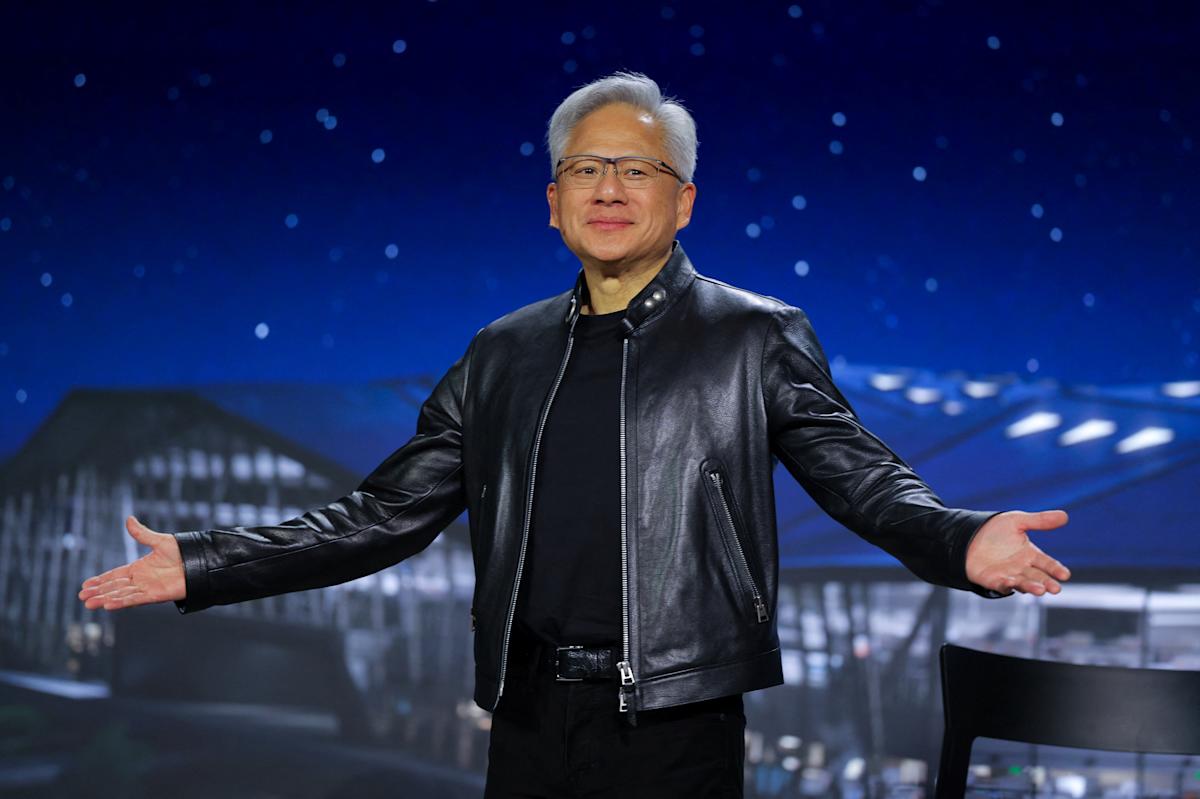
Nvidia Defines New Phase of Bull Market


- Leadership Shift: Since the S&P 500's low on October 12, 2022, the 'Magnificent Seven' stocks have added nearly $15 trillion in market value, with Nvidia alone contributing about $5 trillion, underscoring its pivotal role in the bull market.
- AI-Driven Growth: Following the launch of ChatGPT 3.5 on November 30, 2022, the market quickly pivoted towards AI investments, with Nvidia at the forefront, driving its market value up by nearly $1.2 trillion since the March 30, 2023 low.
- Significant Weight Changes: During the bull market, Apple added approximately $1.8 trillion in market value, yet its weight within the Magnificent Seven dropped from nearly 30% to 18%, while Nvidia's weight surged from under 4% to about 23%, indicating a major structural shift in the market.
- Volatility and Rebounds: Although Nvidia has faced volatility at times, impacting the pullbacks of the Magnificent Seven, it has consistently been the strongest performer during major upward waves, highlighting its critical importance in the market.
See More
Tesla's First Semi Truck Begins High-Volume Production
- Production Launch: Tesla announced that its first Semi truck has begun rolling off a high-volume production line, marking a significant advancement in the electric truck market and expected to enhance its market share in commercial electric vehicles.
- New Product Strategy: Tesla plans to achieve large-scale manufacturing of several new products by 2026, which not only showcases its strong R&D capabilities but also lays the groundwork for future revenue growth.
- Competitive Market Position: With the production of the Semi truck, Tesla will be better positioned to meet the increasing demand for electric commercial vehicles, thereby strengthening its competitive stance in the global EV market.
- Strategic Development Goals: The launch of Semi truck production aligns with Tesla's long-term strategic objectives, aiming to promote the adoption of sustainable transportation solutions through innovation and technological advancements.
See More
Tesla Retires Model S and X Amid Falling Demand
- Sales Decline: Tesla's decision to retire the Model S and X comes as these models, along with the Cybertruck, accounted for only 3% of global deliveries in 2025, indicating a significant drop in demand for premium vehicles that could impact the company's overall revenue structure.
- Strong Used Market Demand: Despite a slowdown in the broader used car market, a study by iSeeCars.com found that the Tesla Model X ranked first among the fastest-selling used cars in Q1 2025 and 2026, with an average listing time of just 25.6 days, far below the market average of 58.8 days, showcasing the brand's strong appeal in the used market.
- Price Comparison: In the U.S., the Model X is priced around $100,000, while the Model Y starts at about $40,000, suggesting that consumers may shift towards more cost-effective models, potentially affecting sales of high-end vehicles.
- Market Reaction: Although TSLA stock rose 34% over the past 12 months, retail sentiment on Stocktwits has dropped from 'extremely bullish' to 'bullish' in the last 24 hours, indicating growing concerns about the company's future performance.
See More
Saba Capital Gains Control of Edinburgh Worldwide Board
- Board Overhaul: Saba Capital successfully led a shareholder vote to oust Edinburgh Worldwide Investment Trust's chair Jonathan Simpson-Dent and five other board members, marking a significant shift in control that is expected to influence future investment strategies.
- Portfolio Restructuring: Saba plans to pivot EWIT's portfolio towards UK-listed investment trusts while aiming to maintain a single-digit discount to NAV through an active share buyback program, thereby enhancing investor confidence and market performance.
- SpaceX Performance: EWIT's largest holding, SpaceX, has generated a staggering 947% return since 2018, and despite criticism of the board's decision to sell part of the stake last year, this investment remains a key driver for future growth.
- Market Reaction: The victory reflects a decisive shift in EWIT's shareholder base, with four U.S. institutional investors, representing 40% of the share base, voting in favor of Saba, indicating market recognition of Saba's management plan and potentially prompting board changes in other UK investment trusts.
See More
Musk Returns to Court in OpenAI Case
- Tesla vs. OpenAI Showdown: Musk faced intense cross-examination in court against OpenAI's Sam Altman, which could impact Tesla's public image and investor confidence amid ongoing scrutiny.
- Meta's Earnings Setback: Meta reported a quarterly loss exceeding $4 billion in its Reality Labs unit, leading to a 9% drop in pre-market trading, indicating significant challenges in its AI investments.
- Amazon's Cloud Growth: Amazon's earnings report exceeded expectations, showcasing its strongest cloud revenue growth in over three years, with shares rising 3% before the bell, reflecting its sustained competitive strength in the market.
- Ford's Strong Performance: Ford surpassed analysts' earnings expectations and raised its full-year guidance, benefiting from a $1.3 billion tariff refund, indicating a robust recovery in the automotive sector.
See More
Tech Earnings Beat Expectations Amid Market Volatility
- Tech Earnings Highlights: Four of the Magnificent Seven tech giants reported earnings last night, with Meta facing over $4 billion in quarterly losses due to internet disruptions in Iran, leading to a 9% drop in pre-market trading, while Amazon's strong cloud growth sent shares up 3%.
- Fed Policy Dynamics: The Federal Reserve held interest rates steady, citing rising energy costs and uncertainty in the Middle East, with Chair Powell indicating he will remain until the Justice Department's investigation concludes, which could influence future monetary policy directions.
- Oil Price Surge: Brent crude futures surged to $126, marking a new high since the Iran war began, as President Trump considers military options against Tehran, with the war's costs estimated at $25 billion, potentially impacting global oil market stability.
- Ford's Strong Performance: Ford exceeded analysts' earnings expectations and raised its full-year guidance, benefiting from a $1.3 billion tariff refund despite a 4% decline in wholesale units, with net income surging approximately 400%, showcasing robust market performance.
See More
Nvidia Defines New Phase of Bull Market
- Leadership Shift: Since the S&P 500's low on October 12, 2022, the 'Magnificent Seven' stocks have added nearly $15 trillion in market value, with Nvidia alone contributing about $5 trillion, underscoring its pivotal role in the bull market.
- AI-Driven Growth: Following the launch of ChatGPT 3.5 on November 30, 2022, the market quickly pivoted towards AI investments, with Nvidia at the forefront, driving its market value up by nearly $1.2 trillion since the March 30, 2023 low.
- Significant Weight Changes: During the bull market, Apple added approximately $1.8 trillion in market value, yet its weight within the Magnificent Seven dropped from nearly 30% to 18%, while Nvidia's weight surged from under 4% to about 23%, indicating a major structural shift in the market.
- Volatility and Rebounds: Although Nvidia has faced volatility at times, impacting the pullbacks of the Magnificent Seven, it has consistently been the strongest performer during major upward waves, highlighting its critical importance in the market.
See More